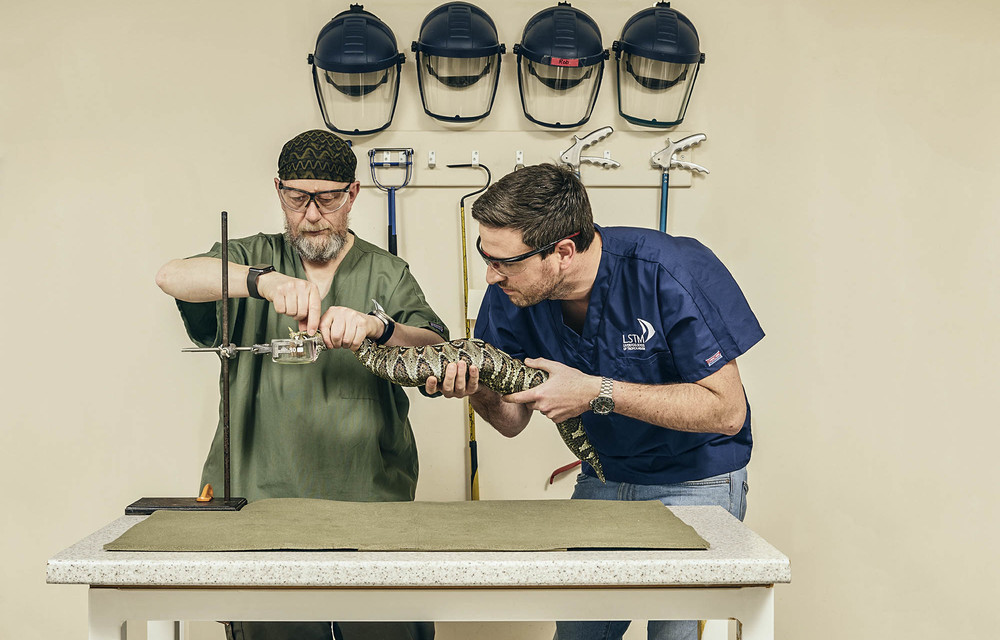
Antivenom is a specialized biological medicine made from purified antibodies that are designed to neutralize venom circulating in the human body. When a venomous animal bites or stings, toxins enter the bloodstream and begin attacking tissues, nerves, blood cells, or organs depending on the species involved. Antivenom works by binding to these toxins, preventing them from attaching to cells and causing further damage. Once neutralized, the venom–antibody complexes can be safely broken down and removed by the body.
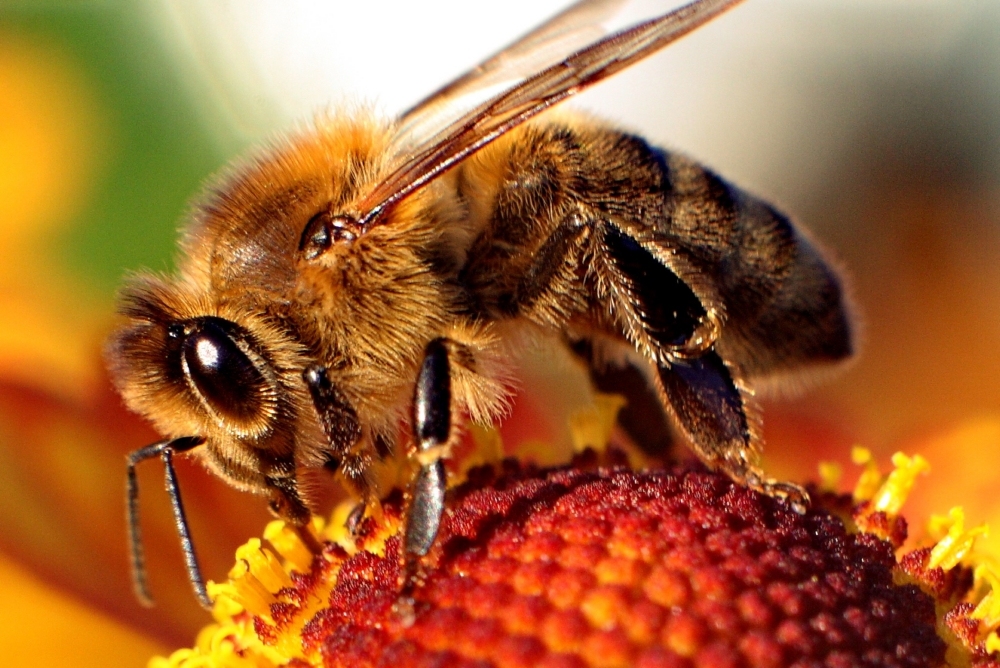
Bee and wasp stings are common, especially during warmer months when people spend more time outdoors and insects are more active. In most situations, a sting is painful and annoying but not dangerous. However, the seriousness of a sting depends largely on how the body reacts to the venom. The majority of medical emergencies linked to bee or wasp stings are not caused by the sting itself, but by an allergic reaction to the venom. When that reaction is recognized early and treated properly, outcomes are usually very good.

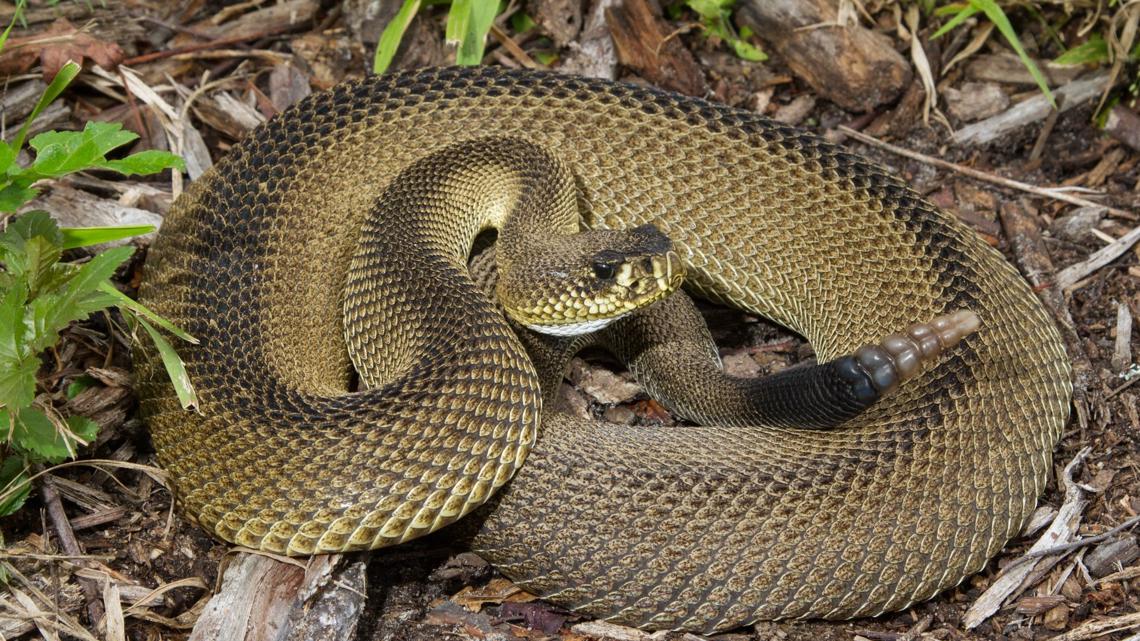
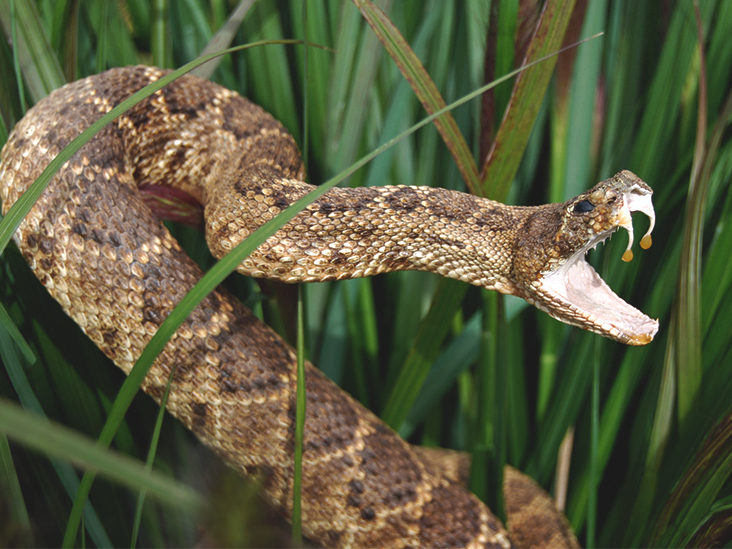
As temperatures rise and outdoor activity increases, encounters between humans and snakes become more common. Snakes that remain hidden during colder months begin to move again in spring and summer, searching for food and warmer ground. In many regions, this seasonal change leads to a noticeable increase in snakebite incidents, particularly among hikers, gardeners, campers, and people working outdoors.

Animal bites and scratches that break the skin deserve careful attention, even when they look small or harmless at first. The mouth of an animal carries bacteria, and when teeth or claws puncture the skin, those bacteria can be pushed deep into the tissue. Some wounds heal without complications, but others can become infected, require stitches, or lead to more serious problems if they aren’t treated properly.

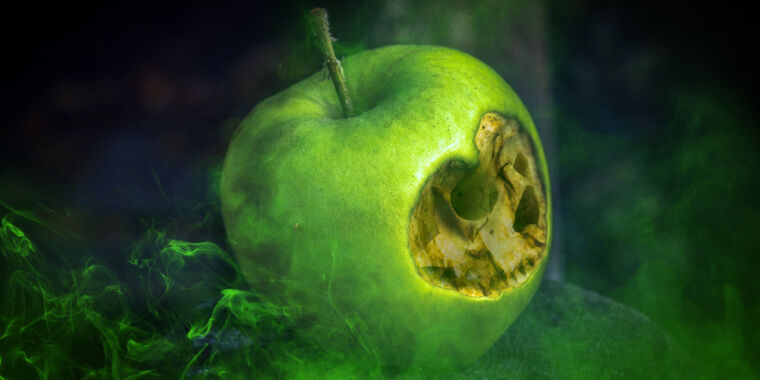
Poisoning occurs when a substance interferes with the normal functioning of the human body after entering it through swallowing, inhalation, injection, or absorption through the skin. These substances may be natural or manufactured, mild or extremely toxic, but the result is the same: disruption of vital biological processes. The medical field dedicated to identifying poisons, understanding their effects, and managing exposure is known as toxicology .

The modern world is full of invisible threats that quietly work their way into the body. Toxic substances are no longer limited to industrial accidents or rare exposures. They exist in everyday food, the air we breathe, household products, cosmetics, and even electronics we use daily. Chemicals such as pesticides, heavy metals like mercury, and other contaminants gradually accumulate inside the body and can interfere with normal biological processes. Over time, this buildup may contribute to fatigue, metabolic problems, inflammation, and a wide range of chronic health issues triggered by long-term exposure

Snakes are among the most misunderstood animals on Earth. For thousands of years, they have appeared in myths, religions, and folklore as symbols of danger, death, and hidden power. That reputation is not entirely undeserved. Some snakes possess venom so sophisticated and potent that it can shut down the human nervous system, stop blood from clotting, or destroy tissue at a microscopic level. Yet the real story of venomous snakes is far more complex than fear alone suggests.

It’s easy to think of danger as something obvious — fire, explosions, predators, war. But some of the most lethal threats on Earth don’t roar, burn, or even taste strange. They dissolve quietly. They slip into cells. They shut down systems that have kept humans alive for hundreds of thousands of years.

Plants may appear passive, rooted in place and at the mercy of animals, insects, and humans, but in reality they are among the most chemically sophisticated organisms on Earth. Because plants cannot flee from predators, they rely on a wide range of defensive strategies to survive. Some develop physical barriers such as thorns, spines, or tough leaves, while many others rely on chemical defenses that make them unpalatable, harmful, or even deadly when eaten.

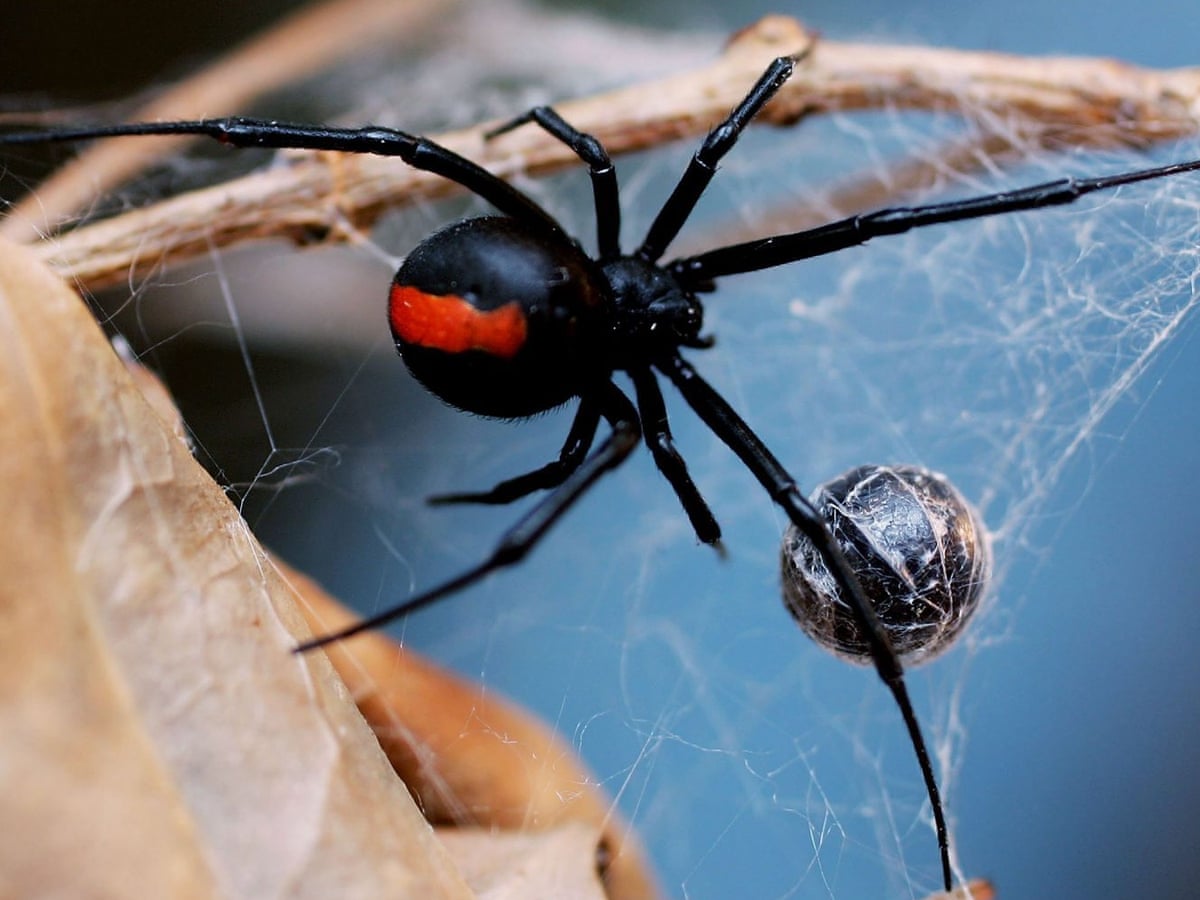
Spiders have a reputation that far outweighs the actual danger they pose. With thousands of species spread across nearly every environment on Earth, spiders are among the most successful predators in the natural world. Their use of venom is a key reason for that success, allowing them to immobilize prey quickly and efficiently. Yet the presence of venom does not automatically mean a spider is dangerous to humans, and this distinction is often misunderstood.

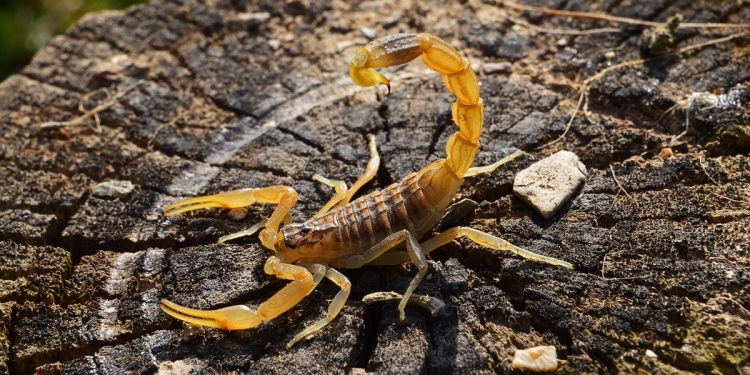
Scorpions have fascinated and frightened humans for thousands of years. With their armored bodies, powerful pincers, and curved venomous tails, they look like creatures designed purely for survival. Found on nearly every continent, scorpions have adapted to deserts, forests, mountains, and even human settlements, quietly thriving in environments that would challenge most other animals. Despite their ancient lineage and widespread presence, most scorpions are far less dangerous than people assume.

Fear is one of the oldest survival tools humans possess. Long before cities, medicine, or language, fear kept our ancestors alive. It sharpened attention, accelerated reaction time, and prepared the body to fight or flee from danger. Without fear, early humans would not have survived predators, harsh environments, or rival threats.

But fear is not always precise.