
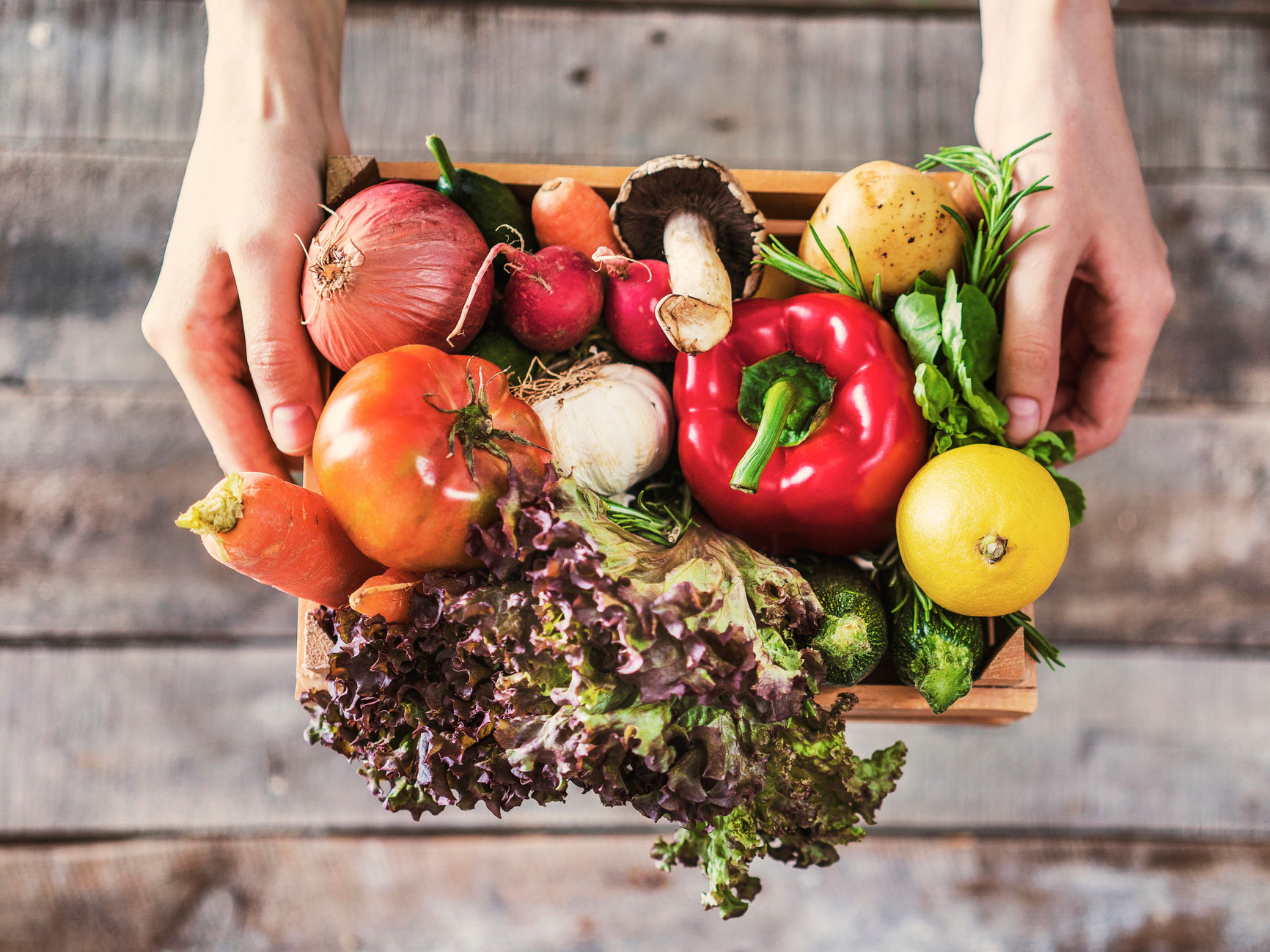

Natural toxins are poisonous chemical compounds that are produced naturally by living organisms. These substances serve important biological purposes for the organisms that make them, such as defense against predators, insects, or competing microorganisms. While harmless to the plants, fungi, algae, or animals that produce them, these toxins can become dangerous when consumed by humans or livestock. Their chemical structures vary widely, and so do their biological effects, ranging from mild irritation to severe poisoning
In plants, natural toxins often act as built-in protection systems. Some are created specifically to deter insects or grazing animals, while others appear as a response to stress conditions such as drought, extreme humidity, physical damage, or microbial infection. Mould growth is another major contributor, as certain fungi produce potent toxins when environmental conditions allow them to colonize crops before or after harvest.
Natural toxins are not limited to land-based foods. In aquatic environments, microscopic algae and plankton can generate highly toxic compounds. These toxins usually do not harm fish or shellfish that consume the algae, but they can accumulate in their tissues. When humans eat contaminated seafood, the effects can be rapid and severe, even though the food may look, smell, and taste completely normal.
Key facts about natural toxins in food
Natural toxins appear in food through several different pathways, and their impact on health depends on both the type of toxin and the level of exposure. Some are present by design, as part of a plant’s survival strategy, while others arise due to contamination or environmental stress.
Natural toxins can lead to a wide range of adverse health effects. In some cases, exposure results in acute poisoning, with symptoms such as allergic reactions, severe stomach pain, vomiting, or diarrhoea. In more serious situations, poisoning can be life-threatening. Other toxins pose a danger through long-term exposure, potentially affecting the immune system, reproductive health, or nervous system, and in certain cases increasing cancer risk.
Because of these risks, international oversight plays an important role. Health risks linked to natural toxins in food are evaluated by a scientific expert committee jointly convened by the World Health Organization and the Food and Agriculture Organization of the United Nations. This group, known as JECFA, assesses toxicological data and provides guidance on safe exposure levels. Based on these assessments, international standards and codes of practice are established through the Codex Alimentarius Commission to help limit human exposure.
Some of the most commonly encountered natural toxins that pose risks to human health are outlined below.

Aquatic biotoxins from algae and plankton
Aquatic biotoxins are toxic substances produced by certain species of algae that occur naturally in oceans, rivers, and freshwater lakes. These toxins are most commonly formed during algal blooms, when environmental conditions allow toxin-producing species to multiply rapidly. Shellfish such as mussels, oysters, scallops, and clams are especially prone to accumulating these toxins, although some fish species may also be affected.
Once ingested, aquatic biotoxins can cause a range of symptoms in humans, including diarrhoea, nausea, vomiting, tingling sensations, paralysis, and neurological disturbances. One of the most dangerous aspects of these toxins is that they are invisible to consumers. They have no taste or smell and cannot be destroyed by cooking, freezing, or other common food preparation methods.
A well-known example of aquatic biotoxin exposure is ciguatera fish poisoning. This condition results from eating fish contaminated with toxins produced by certain dinoflagellates. Species commonly associated with ciguatera include barracuda, black grouper, dog snapper, and king mackerel. Symptoms often begin with gastrointestinal distress and can progress to neurological effects such as numbness or tingling in the hands and feet. At present, there is no specific treatment for ciguatera poisoning, making prevention and monitoring essential.
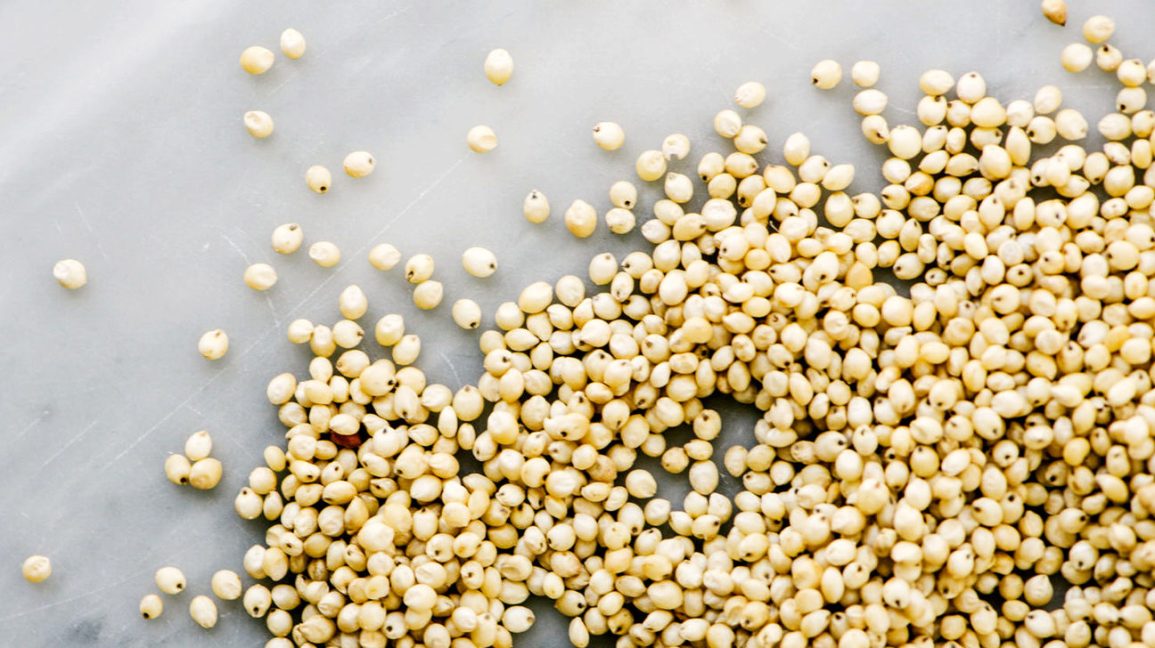
Cyanogenic glycosides in plant-based foods
Cyanogenic glycosides are a group of naturally occurring plant toxins found in a wide range of edible plants across the world. These compounds are part of the plant’s defense system and can release cyanide when plant tissues are damaged through chewing, grinding, or improper processing. More than two thousand plant species are known to contain cyanogenic glycosides, though only a subset of these are commonly consumed by humans
Foods of particular importance include cassava, sorghum, bamboo shoots, almonds, and stone fruits such as apricots, peaches, and cherries. The health risk posed by these foods depends largely on how much cyanide is released during digestion and whether the body can detoxify it efficiently. Proper preparation methods, such as soaking, fermenting, drying, and thorough cooking, significantly reduce cyanide content and make these foods safe to eat.
When cyanide exposure exceeds the body’s ability to neutralize it, acute poisoning may occur. Symptoms can include rapid breathing, a drop in blood pressure, dizziness, headache, abdominal pain, vomiting, diarrhoea, confusion, and bluish discoloration of the skin due to lack of oxygen. In severe cases, convulsions, coma, and death may follow. These risks highlight why traditional food-processing techniques are essential in regions where cyanogenic crops are dietary staples.
Furocoumarins and plant stress toxins
Furocoumarins are naturally occurring toxins found in several common plants, particularly those related to carrots, celery, and citrus fruits. Parsnips, celery root, lemons, limes, grapefruits, and bergamot oranges are among the most well-known sources. These compounds are not always present at high levels but are produced in greater quantities when plants experience stress, such as physical damage, disease, or environmental pressure.
In sensitive individuals, furocoumarins can cause digestive discomfort after ingestion. Their most distinctive effect, however, is phototoxicity. When furocoumarins are present on the skin or in the body and are exposed to ultraviolet A radiation from sunlight, they can trigger severe skin reactions resembling burns or blisters. While this effect is most often associated with direct skin contact, it has also been reported following consumption of large amounts of foods high in these compounds.
Proper handling and storage of produce, as well as avoiding excessive consumption of stressed or damaged plants, helps reduce exposure. Awareness is especially important for people who spend long periods outdoors after consuming large quantities of furocoumarin-containing foods.
Lectins in beans and legumes
Lectins are a class of proteins found in many plant foods, especially legumes. While most lectins pose little risk when foods are prepared correctly, certain types can be highly toxic if consumed raw or undercooked. Red kidney beans contain particularly high concentrations and are the most commonly associated with lectin poisoning.
Even a small number of raw or improperly cooked kidney beans can cause intense gastrointestinal symptoms, including severe abdominal pain, vomiting, and diarrhoea. These effects typically begin within a few hours of consumption. Fortunately, lectins are heat-sensitive and can be effectively destroyed through proper food preparation.
Soaking dried beans for at least twelve hours and then boiling them vigorously for a minimum of ten minutes neutralizes lectins and makes the beans safe to eat. Canned beans have already undergone this process and can be consumed without additional preparation. This example illustrates how traditional cooking methods play a crucial role in managing natural toxins in everyday foods.

Mycotoxins from mould contamination
Mycotoxins are toxic substances produced by certain species of mould that can grow on a wide variety of food products. Cereals, nuts, dried fruits, spices, and animal feed are particularly susceptible, especially when stored under warm, damp, or humid conditions. Mould contamination may occur before harvest, during storage, or while food is being transported.
One of the most concerning aspects of mycotoxins is their chemical stability. Many of these compounds survive food processing, cooking, and drying, making them difficult to eliminate once contamination has occurred. Acute exposure to highly contaminated foods can result in severe illness and, in extreme cases, death.
Chronic exposure, even at lower levels, is linked to long-term health effects such as immune suppression, impaired growth, and increased cancer risk. Because of these dangers, monitoring and controlling mould growth in food systems is a major focus of food safety regulations worldwide.

Solanine and chaconine in nightshade vegetables
Plants belonging to the nightshade family naturally produce toxic compounds known as glycoalkaloids, primarily solanine and chaconine. These substances are found in varying amounts in common foods such as potatoes, tomatoes, and eggplants. Under normal conditions, the levels present in edible portions are low and do not pose a health risk. Problems arise when concentrations increase due to plant stress or improper storage
Potatoes are the most significant source of concern. Higher levels of solanine and chaconine develop in potato sprouts, green skins, and bitter-tasting areas. Exposure to light, physical damage, microbial attack, or prolonged storage can trigger the plant to increase toxin production. Consumption of these parts may cause gastrointestinal symptoms such as nausea, vomiting, and abdominal pain, and in severe cases neurological effects.
Reducing exposure is straightforward. Potatoes should be stored in a cool, dark, and dry environment to limit toxin formation. Any green, sprouting, or bitter portions should be removed before cooking, and potatoes with extensive greening are best discarded entirely. Similar caution applies to unripe green tomatoes, which contain higher glycoalkaloid levels than fully ripe fruit.
Toxic compounds in wild mushrooms
Wild mushrooms represent one of the most dangerous sources of natural toxins in food. Many species contain potent chemicals such as muscarine, muscimol, and other compounds that interfere with the nervous system. These toxins can cause a wide range of symptoms, including vomiting, diarrhoea, confusion, excessive salivation, visual disturbances, and hallucinations.
A particularly dangerous aspect of mushroom poisoning is delayed symptom onset. In some cases, signs of poisoning may not appear for six to twenty-four hours or longer after ingestion. This delay can lead to a false sense of safety, while severe damage to the liver, kidneys, or nervous system is already underway. Fatal poisonings are often associated with toxins that attack vital organs after this delay.
Cooking, drying, or peeling does not reliably destroy mushroom toxins. For this reason, consuming wild mushrooms is strongly discouraged unless they have been definitively identified as non-poisonous by experts. Visual resemblance to edible species is not a reliable indicator of safety, and mistakes can be deadly.
Pyrrolizidine alkaloids in plants and food products
Pyrrolizidine alkaloids are a group of naturally occurring toxins produced by hundreds of plant species, many of which belong to the Boraginaceae, Asteraceae, and Fabaceae families. These plants often grow as weeds and can contaminate crops during harvesting or processing. As a result, pyrrolizidine alkaloids may enter the food chain unintentionally.
These toxins are of particular concern due to their potential to damage DNA and contribute to cancer development. They can also cause acute liver toxicity when consumed in sufficient amounts. Pyrrolizidine alkaloids are chemically stable and are not destroyed by common food-processing methods.
They have been detected in a range of food products, including herbal teas, honey, spices, cereals, and cereal-based products. Although average human exposure is generally low, the complexity of these compounds makes risk assessment challenging. International bodies continue to develop strategies to limit contamination and reduce long-term exposure.

Reducing health risks from natural toxins in food
Natural toxins can appear in many different foods, making complete avoidance unrealistic. However, in a balanced and varied diet, exposure levels typically remain well below thresholds associated with acute or chronic toxicity. Awareness and proper food handling significantly reduce potential risks.
Consumers are advised not to assume that natural foods are automatically safe. Bruised, damaged, or discoloured produce should be discarded, especially when mould is present. Foods with unusual odours or flavours should not be consumed, as these may indicate contamination or toxin formation.
Wild foods require particular caution. Mushrooms and plants gathered from the wild should only be eaten if they have been conclusively identified as safe. When in doubt, avoidance is the safest option.
International monitoring and public health response
Global oversight plays a critical role in managing the risks associated with natural toxins in food. The World Health Organization, working alongside the Food and Agriculture Organization, evaluates health risks arising from natural toxin exposure through contaminated food sources. These assessments form the scientific foundation for international food safety standards.
Risk evaluations conducted by expert committees are used by governments and regulatory bodies to establish maximum allowable levels for specific toxins in food products. These limits help protect both consumers and livestock while supporting food security and international trade.
Continuous monitoring, research, and cooperation between countries ensure that natural toxin levels in food supplies remain as low as reasonably achievable. By adhering to international standards and promoting informed food practices, public health authorities aim to minimize exposure and maintain confidence in the safety of the global food system.