
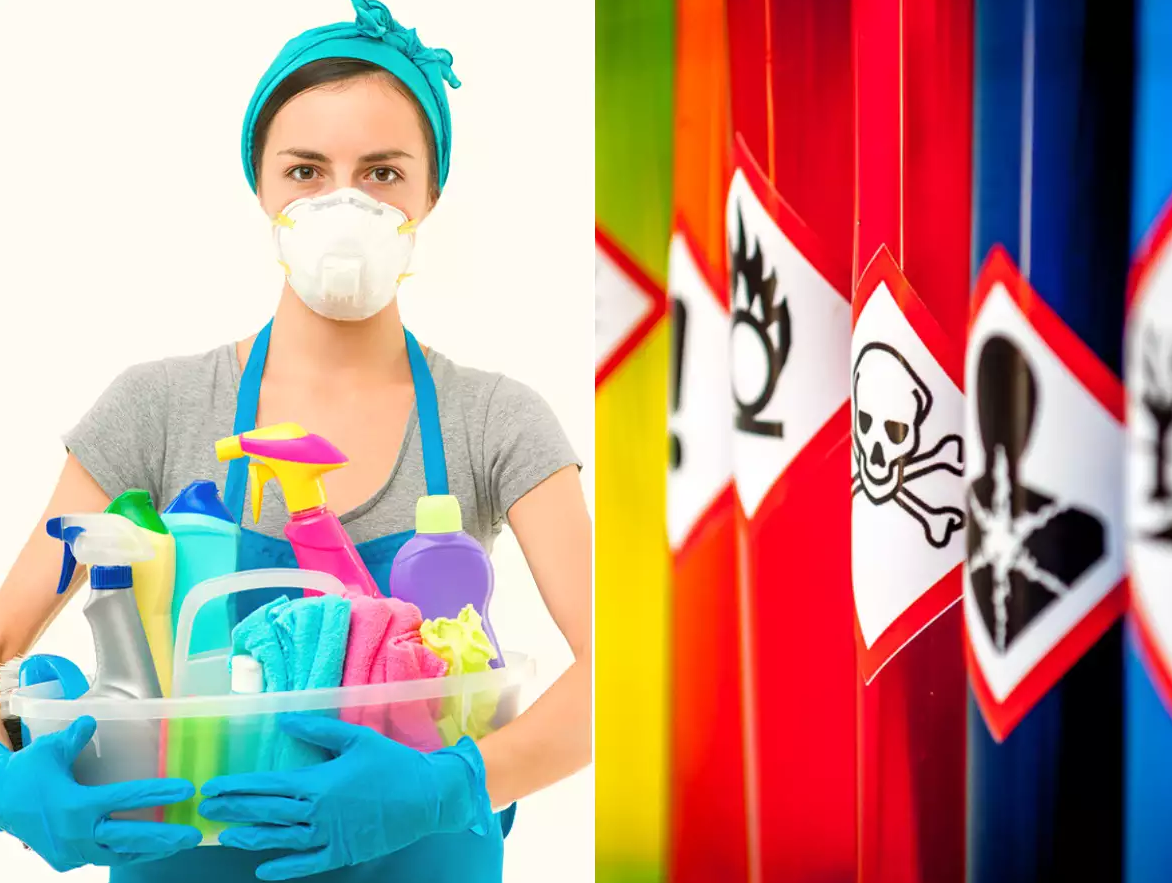

In biochemistry, a poison is defined as any substance—whether natural or synthetic—that can damage living tissue and cause harmful or even fatal effects in the human body. The way a poison enters the body is just as important as the substance itself. A chemical may be dangerous when swallowed, inhaled, absorbed through the skin, or injected directly into the bloodstream. Each route of exposure changes how quickly and severely the body is affected.
From a scientific perspective, toxicity is not an absolute label. In theory, nearly anything can become poisonous under the wrong conditions. Even water, which is essential for life, can be fatal if consumed in extreme quantities within a short period. What determines danger is the dose, the chemical form, and the vulnerability of the person exposed. This is why toxicology focuses less on fear and more on measurable risk.
Poison exposure is far more common than many people realize because it often involves ordinary products used every day. Homes contain medications, cleaning agents, cosmetics, fuels, and chemicals that are safe only when used correctly. Accidental exposure can happen quickly, especially in households with children. When contact with a potentially poisonous substance occurs, rapid guidance is essential. In the United States, Poison Control can be reached at 1-800-222-1222 for immediate, expert advice.
The Most Common Poisons in Children
Children are uniquely vulnerable to poisoning due to their smaller body size, developing organs, and natural tendency to explore their surroundings. Substances that cause only mild effects in adults can be life-threatening for children even at low doses. Many poison exposures occur not because products are misused, but because they are easily accessible.
Did you know that many ordinary household items can poison children, even though they are part of everyday life? These exposures account for a large percentage of emergency calls related to poisoning each year.
Cosmetics and personal care products are a frequent source of exposure. Items such as lotions, perfumes, makeup, and nail products may contain chemicals that are harmful if swallowed or absorbed in large amounts. Cleaning substances and laundry products are another major category. Liquid detergents, pods, and disinfectants often have bright colors or pleasant smells that attract young children.
Pain medicines are among the most common causes of pediatric poisoning. Even a small dosing error or ingestion of adult-strength medication can have serious consequences. Foreign objects, including toys, coins, and thermometers, can cause harm either through choking or chemical exposure if broken or improperly handled.
Topical preparations such as creams, ointments, and gels may be absorbed through the skin or accidentally ingested. Vitamins, particularly those containing iron, can be dangerous in excess. Antihistamines and other over-the-counter medicines may cause severe reactions in children when misused.
Pesticides used indoors or outdoors can enter a child’s body through the skin or lungs. Plants—both houseplants and outdoor vegetation—are another overlooked risk, as many species contain toxic compounds. Antimicrobials, including disinfectants and sanitizing products, can cause chemical burns or internal injury when swallowed.
The Most Common Poisons in Adults
In adults, poisoning patterns differ and are often linked to medications, occupational exposure, and lifestyle-related substances. While adults may be more aware of risks, poisoning still occurs frequently due to incorrect dosing, drug interactions, or prolonged exposure.
Pain medicines remain a leading cause of poisoning in adults, particularly when prescription and non-prescription products are combined improperly. Sedatives, hypnotics, and antipsychotic medications can suppress breathing or consciousness when taken in excess. Antidepressants can also be dangerous when misused or mixed with other substances.
Cardiovascular drugs may lead to serious complications if dosing errors occur. Household cleaning substances continue to pose risks through inhalation or skin contact. Alcohols, including ethanol and other toxic alcohols, account for a significant number of poison-related emergencies.
Pesticides are another concern, especially for individuals exposed through work or improper handling. Bites and envenomations from ticks, spiders, bees, and snakes affect adults more frequently than children. Anticonvulsants, used to manage seizure disorders, can become toxic if taken incorrectly. Cosmetics and personal care products also appear in adult poisoning cases, particularly when ingested accidentally.

The Most Dangerous Poisons for Children
Some substances found in homes are especially hazardous to children and require extra caution. These items should always be stored securely, purchased only in necessary quantities, and disposed of properly when no longer needed.
Medicines: These are safe only when taken by the correct person in the correct dose. Children who swallow the wrong medication or too much of a drug can experience rapid and severe poisoning, sometimes within minutes.
Carbon monoxide: This colorless, odorless gas is an invisible killer. It can build up indoors without warning and cause serious injury or death during sleep. Carbon monoxide alarms should be installed near all sleeping areas.
Button batteries: Small lithium coin batteries, especially 20 mm cells, are extremely dangerous. When swallowed, they can lodge in the esophagus and cause severe chemical burns within two hours. Damage can extend to the airway or major blood vessels, and dozens of child deaths have been linked to these batteries.
Iron pills: Adult-strength iron supplements are highly toxic to children. Symptoms such as vomiting blood or bloody diarrhea can begin in less than an hour after ingestion.
Cleaning products that cause chemical burns: Drain openers, toilet bowl cleaners, rust removers, and oven cleaners can cause severe burns to the mouth, throat, and stomach, similar to fire-related injuries.
Nail glue remover and nail primer: Some artificial nail products are surprisingly dangerous. Certain removers have caused cyanide poisoning when swallowed, while some primers have caused severe burns to the mouth and skin.
Hydrocarbons: This category includes gasoline, kerosene, lamp oil, motor oil, lighter fluid, furniture polish, and paint thinner. These liquids are easy to aspirate into the lungs, where they interfere with breathing and cause severe inflammation or pneumonia. Hydrocarbons are among the leading causes of fatal poisoning in children.
Pesticides: Chemicals used to kill insects and pests can be absorbed through the skin or inhaled. Many affect the nervous system and can impair breathing.
Windshield washer solution and antifreeze: Even small amounts can be deadly. Windshield washer fluid may cause blindness and death, while antifreeze can lead to kidney failure and fatal poisoning.
Wild mushrooms: Many poisonous mushrooms closely resemble edible varieties. Only trained experts can reliably identify safe species, making wild mushroom ingestion extremely risky.
Alcohol: Children who ingest alcohol may experience seizures, coma, or death. This includes alcohol found in mouthwash, facial cleansers, and hair tonics.
Drain cleaners and toilet bowl cleaners: These caustic substances cause devastating burns to internal tissues. Immediate dilution is critical if ingestion occurs.
Topical anesthetics: These products can cause seizures or methemoglobinemia, a condition that prevents blood from carrying oxygen effectively. Teething gels, anti-itch creams, hemorrhoid treatments, and sunburn relief products require careful use.
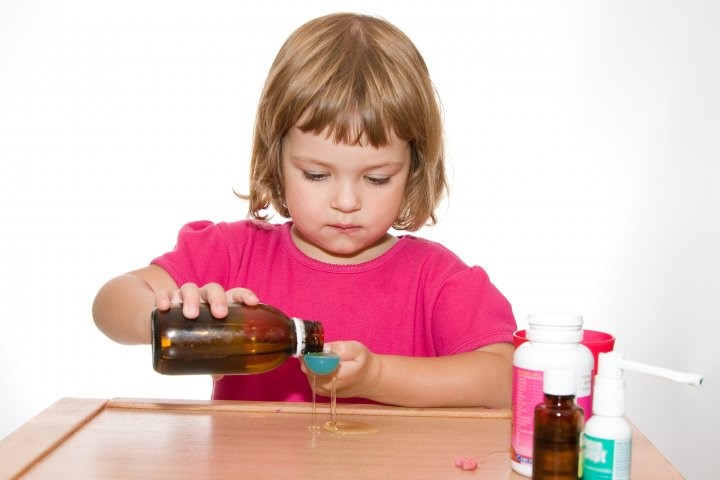
Beyond identifying hazardous substances, the context in which children encounter these poisons matters just as much. Many of the most serious poisonings occur during moments of routine activity—when a caregiver is distracted, a product is temporarily left unattended, or a container is not properly secured. Children do not recognize warning labels, and many toxic products are packaged in ways that appear harmless or even appealing.
Medications, for example, are often stored in purses, bedside drawers, or pill organizers that are easy to open. Child-resistant packaging slows access but does not prevent it entirely. In many documented cases, poisoning occurred when a child imitated an adult taking medicine, reinforcing how quickly routine behavior can turn dangerous.
Carbon monoxide exposure is particularly insidious because it provides no sensory warning. Unlike smoke or chemical odors, carbon monoxide cannot be seen or smelled. Homes with fuel-burning appliances, fireplaces, or attached garages are especially vulnerable. Even properly functioning equipment can become hazardous if ventilation is blocked or systems malfunction.
Button batteries deserve special attention because of the speed at which injury occurs. Unlike many poisons that act systemically, these batteries cause localized electrical and chemical damage. Tissue injury can begin in less than two hours, long before symptoms prompt emergency care. This rapid progression is what makes button battery ingestion uniquely lethal.
Hydrocarbons pose a different kind of risk. Their danger is not primarily chemical toxicity, but aspiration. When a child attempts to swallow these liquids, coughing or gagging can cause the substance to enter the lungs. Once there, even small amounts can trigger severe inflammation, impair oxygen exchange, and lead to respiratory failure.
Alcohol exposure in children is often underestimated because the source is not always obvious. Products such as mouthwash or hand sanitizers may contain alcohol concentrations comparable to spirits. Children metabolize alcohol much more slowly than adults, which increases the risk of low blood sugar, seizures, and coma.
Topical anesthetics and similar products highlight another common misunderstanding: products applied to the skin are often assumed to be harmless if swallowed. In reality, many topical agents are highly concentrated and can overwhelm a child’s ability to process them safely.
Across all these categories, prevention depends on layered protection. Safe storage, clear labeling, limited quantities, and education all play roles. Poisoning is rarely the result of a single mistake; more often, it arises from a chain of small oversights that align at the wrong moment.
Understanding which poisons are most common and most dangerous allows caregivers to prioritize risks realistically. Rather than fearing rare or exotic toxins, attention is best focused on the everyday substances that are already present in the home and capable of causing serious harm within minutes.