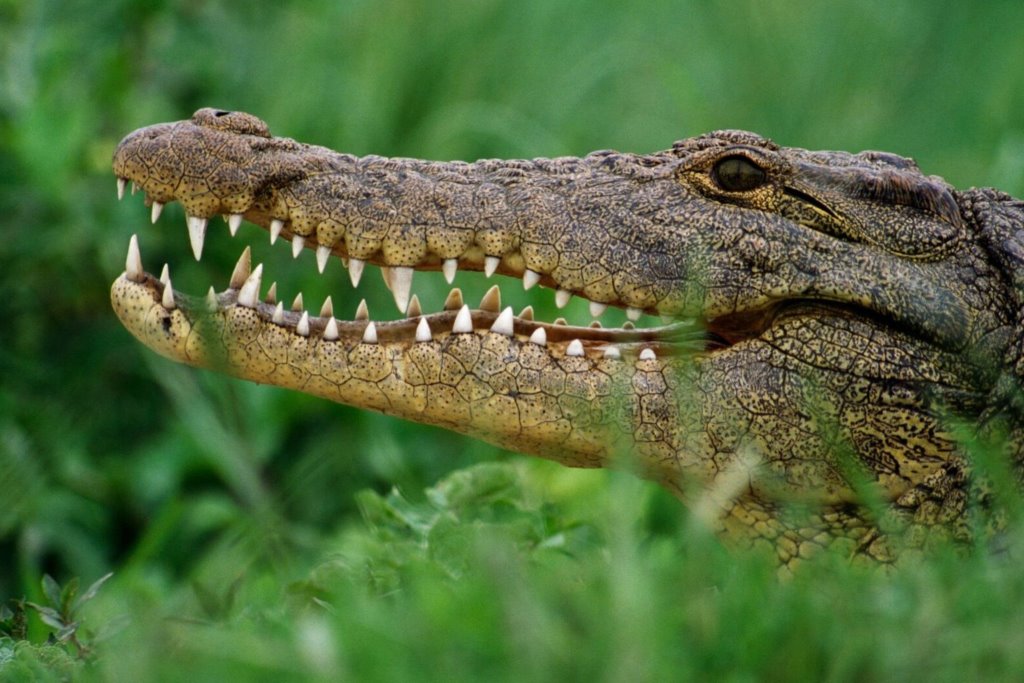
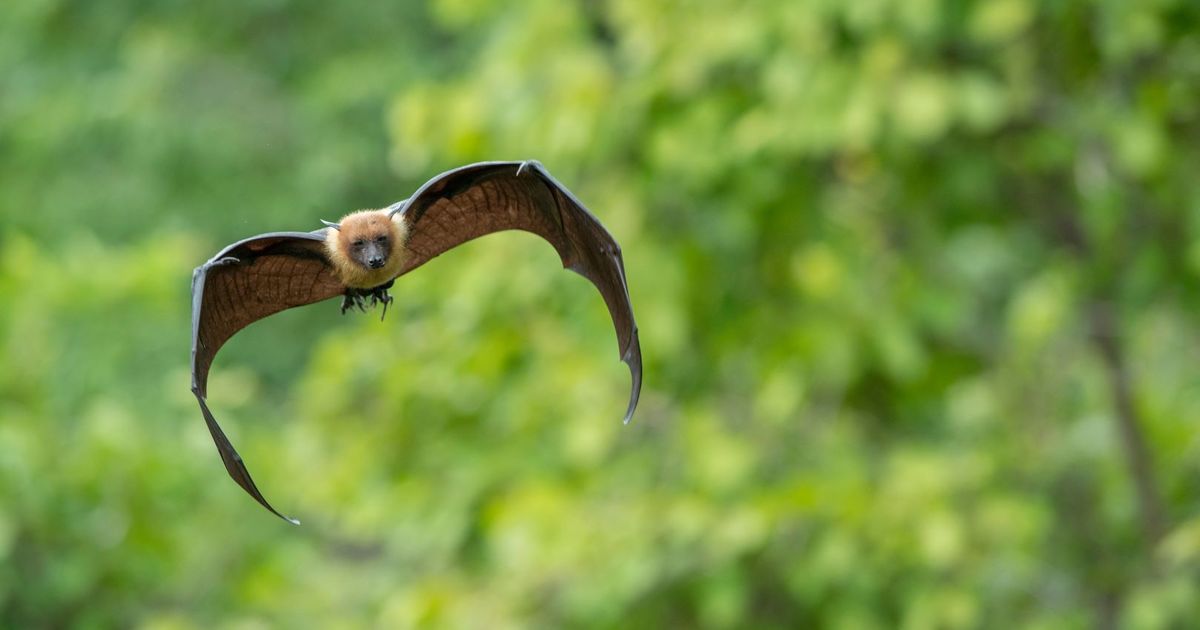
Animals That Hunt at Night Only

When darkness falls, the natural world doesn’t go quiet. It changes. Vision becomes unreliable, movement carries more risk, and sounds travel farther than they do in daylight. For many animals, night is not a pause in activity but the moment when survival finally tilts in their favor.

Some predators are not simply active at night—they are shaped by it. Their senses, bodies, and hunting strategies evolved around low light, shadow, and silence. Darkness hides their movement, dulls the awareness of prey, and removes the advantages that daylight hunters depend on. For these animals, hunting during the day is inefficient, risky, or physically taxing. Night is where they perform best.
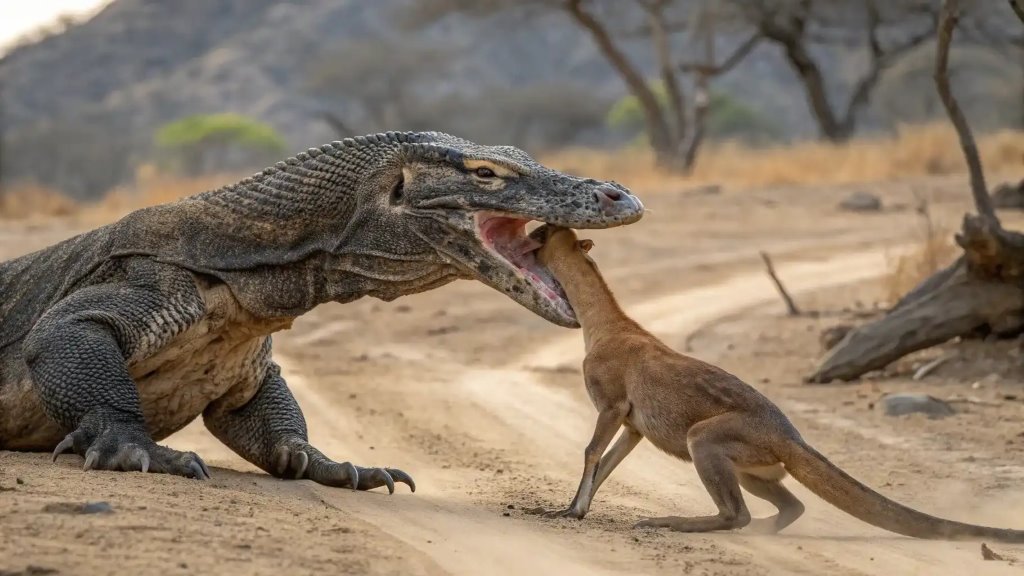
Animals That Crush Prey Slowly

Most people imagine predation as something fast and violent. A bite, a strike, a sudden end. Nature, however, does not always work that way. Some animals kill not through speed or sharpness, but through pressure—applied slowly, relentlessly, and often without visible struggle. These predators don’t rely on venom or tearing flesh apart. They overpower by squeezing, pinning, or grinding their prey until breathing stops, bones fail, or organs collapse.

Different Types of Bees

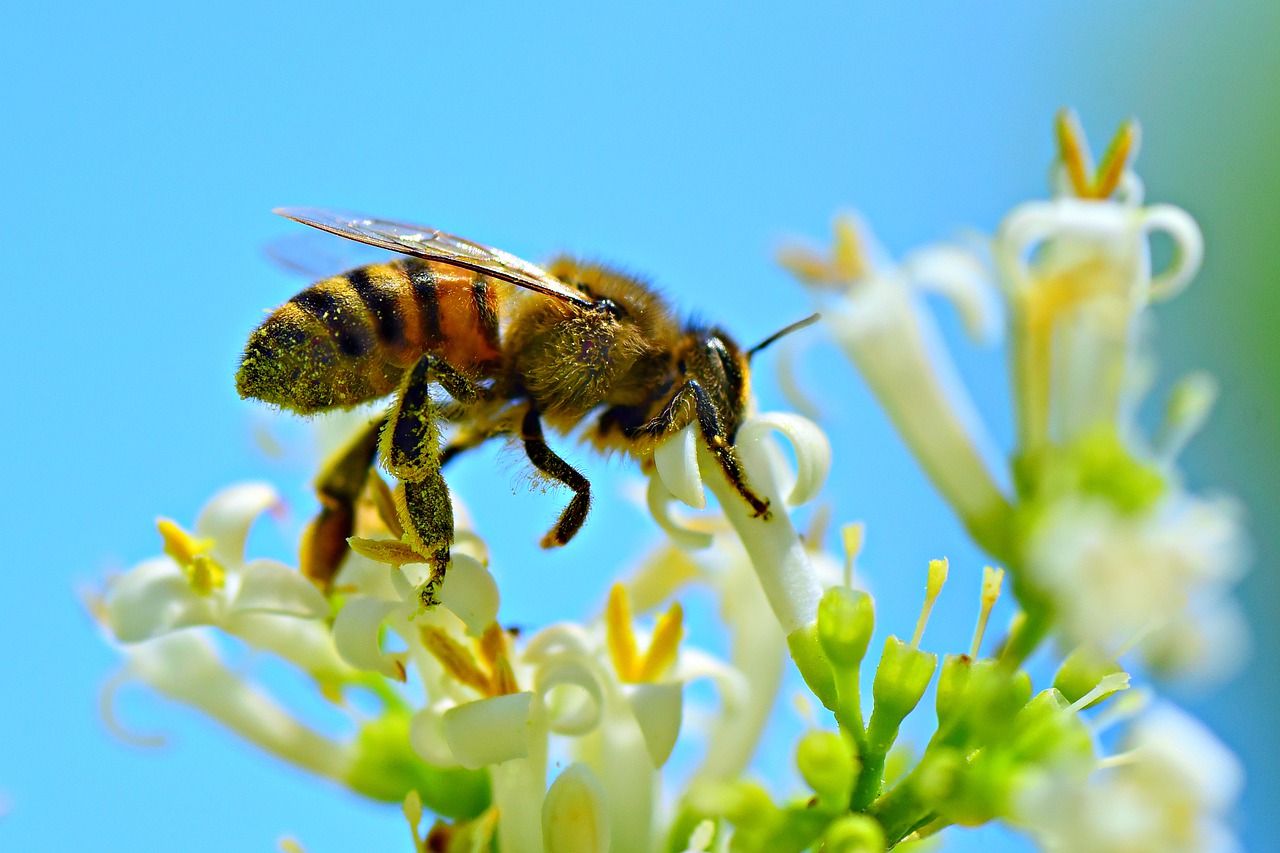
Bees are often lumped together with wasps in people’s minds, but in reality, they are usually far less aggressive. With the exception of the Africanized honey bee, most bee species have little interest in attacking humans. A bee’s primary goal is survival: gathering food, returning safely to its nest, and ensuring the next generation lives on. Stinging is not an act of hostility for bees; it is a last-resort defense mechanism, often used only when they feel trapped or when their colony is under direct threat.

Animals Responsible for the Most Human Deaths

When people think about deadly animals, their minds usually jump to dramatic predators. Sharks tearing through water. Lions charging across savannas. Snakes striking from the shadows. These images are powerful, but they are also misleading.

The animals that kill the most humans are rarely large, fast, or visually terrifying. Most of them don’t hunt people at all. Some don’t even seem dangerous. The real killers are often small, indirect, and deadly in ways that are easy to underestimate.

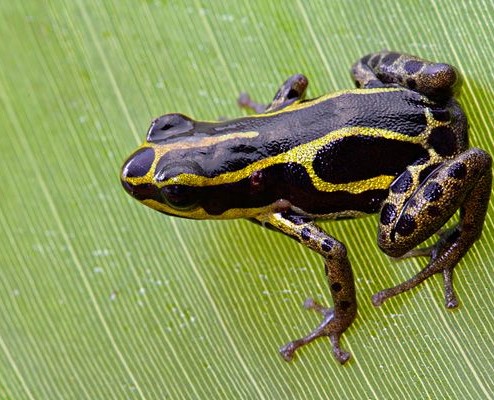
16 Deadly Poison Frogs

Poison dart frogs are some of the smallest yet most chemically powerful animals on Earth. Native primarily to the rainforests of Central and South America, these frogs belong mostly to the family Dendrobatidae and are famous for their intense colors, tiny size, and astonishing toxicity. Their vivid patterns are not decoration or coincidence. They are warnings. In the wild, bright coloration is often nature’s way of saying “do not touch,” and poison frogs are among the clearest examples of this strategy.