
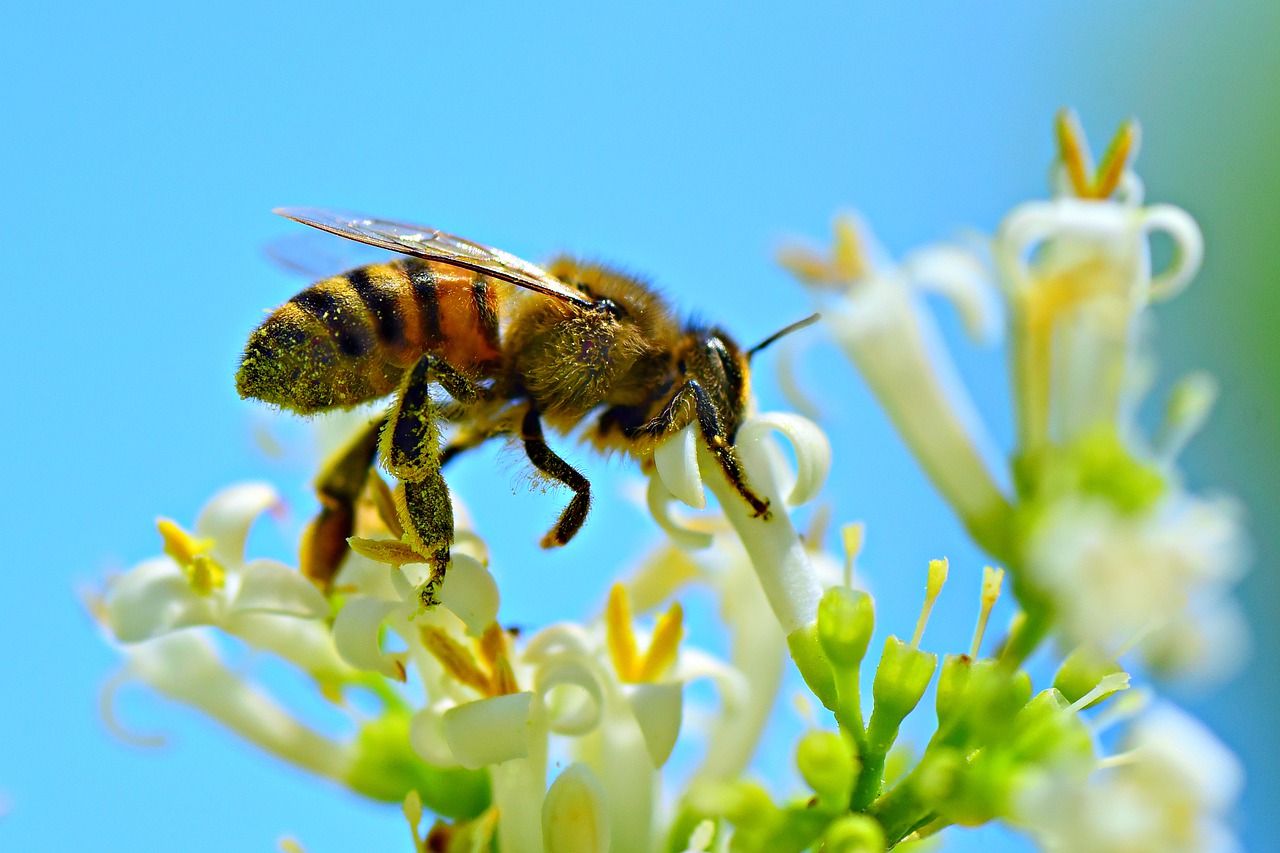

Bees are often lumped together with wasps in people’s minds, but in reality, they are usually far less aggressive. With the exception of the Africanized honey bee, most bee species have little interest in attacking humans. A bee’s primary goal is survival: gathering food, returning safely to its nest, and ensuring the next generation lives on. Stinging is not an act of hostility for bees; it is a last-resort defense mechanism, often used only when they feel trapped or when their colony is under direct threat.
Despite this, fear of bees is widespread. For people with bee sting allergies, that fear is understandable and justified, as a single sting can become a medical emergency. For others, the fear is more psychological—rooted in childhood experiences, stories, or the sharp pain associated with stings. What often gets lost in that fear is the fact that bees are not naturally aggressive toward humans and usually want nothing more than to be left alone.
Beyond individual encounters, bees play a role that reaches far beyond momentary fear. They are a cornerstone of natural ecosystems and modern agriculture. Their ability to pollinate flowering plants, fruit trees, vegetables, and food-producing crops makes them indispensable. Without bees, entire food systems would struggle to function, and many plants would fail to reproduce at all.
Understanding bees starts with recognizing that not all bees behave the same way. Different species vary widely in temperament, nesting habits, and interaction with humans. Correctly identifying the type of bee you’re seeing can help you decide whether it poses any real threat—or whether it’s simply doing its job.
The Enormous Role Bees Play in Nature and the Economy
Bees are widely recognized as the world’s most important pollinators, and that reputation is well deserved. Roughly one-third of the food humans consume depends on pollination, and bees handle a significant portion of that work. Crops such as apples, almonds, berries, melons, cucumbers, and countless others rely on bees to transfer pollen from flower to flower so fruits and seeds can develop.
Their contribution goes far beyond what ends up on dinner plates. Bees help sustain plant populations that stabilize soil, prevent erosion, support wildlife habitats, and maintain healthy ecosystems. Many animals depend indirectly on bees because the plants they eat or live among require pollination to survive.
Economically, bees are invaluable. Global agriculture benefits from bee pollination on a scale worth billions of dollars annually. Farmers depend on healthy bee populations to maintain crop yields and quality. Without bees, food production would become more expensive, less reliable, and far less diverse. Entire industries—from farming to food processing—would feel the impact almost immediately.
Despite their importance, bees are often misunderstood or overlooked. Many people think of bees only in terms of honey production, but honey-making species represent just a fraction of bee diversity. To truly appreciate bees, it’s essential to understand how many different types exist and how they live.
All Types of Bees
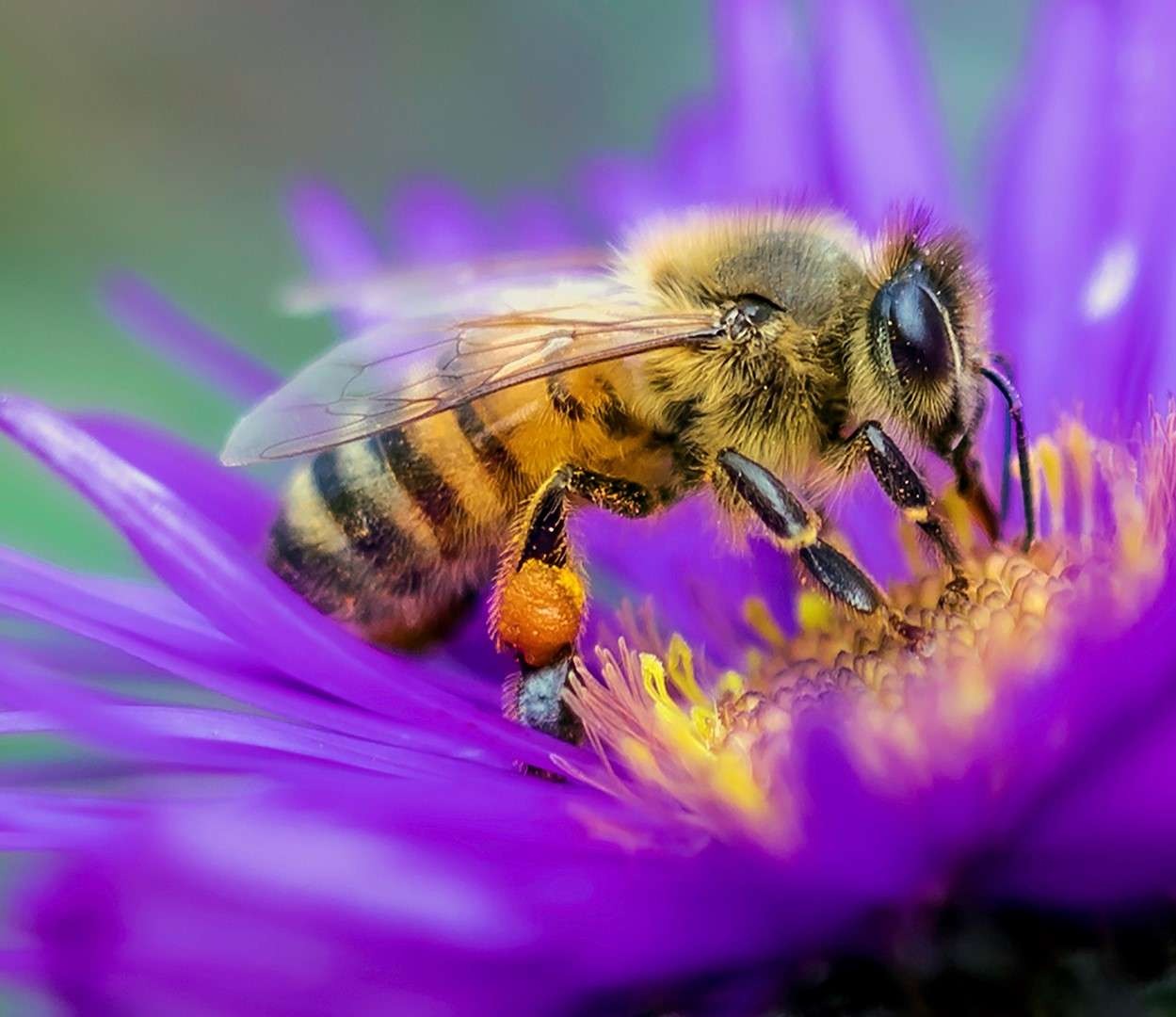
There are around 20,000 known species of bees worldwide, and scientists believe there may be many more that have yet to be identified. Bees are found on every continent except Antarctica, adapting to environments ranging from arid deserts to lush forests, grasslands, farmlands, and even dense urban areas. North America alone hosts more than 4,000 bee species, each with unique behaviors and ecological roles.
Regardless of where they live, most bee species fall into one of two broad categories: social bees and solitary bees. This distinction is one of the most important ways to understand bee behavior, as it influences how bees nest, reproduce, defend themselves, and interact with humans.
Social Bees
Social bees are what most people imagine when they think of bees. These species live in organized colonies that can range from a few dozen individuals to tens of thousands. Social bee colonies are highly structured communities, with each bee performing specific tasks that contribute to the survival of the group.
These bees have become part of popular culture through books, cartoons, and films. Stories about honey, hives, queens, and worker bees all originate from the behavior of social bees. Inside a hive, work is carefully divided. Some bees gather nectar and pollen, others build wax combs, some care for larvae, and others guard the hive against intruders.
Social bees are often described as overachievers because of their relentless productivity and cooperation. Despite living in large numbers, they are generally calm and non-confrontational. Most stings occur only when the hive itself is threatened or when a bee is accidentally trapped.
Good to know: Social bees are typically docile and will only sting when they believe their colony or queen is in danger.
1. Bumble Bees
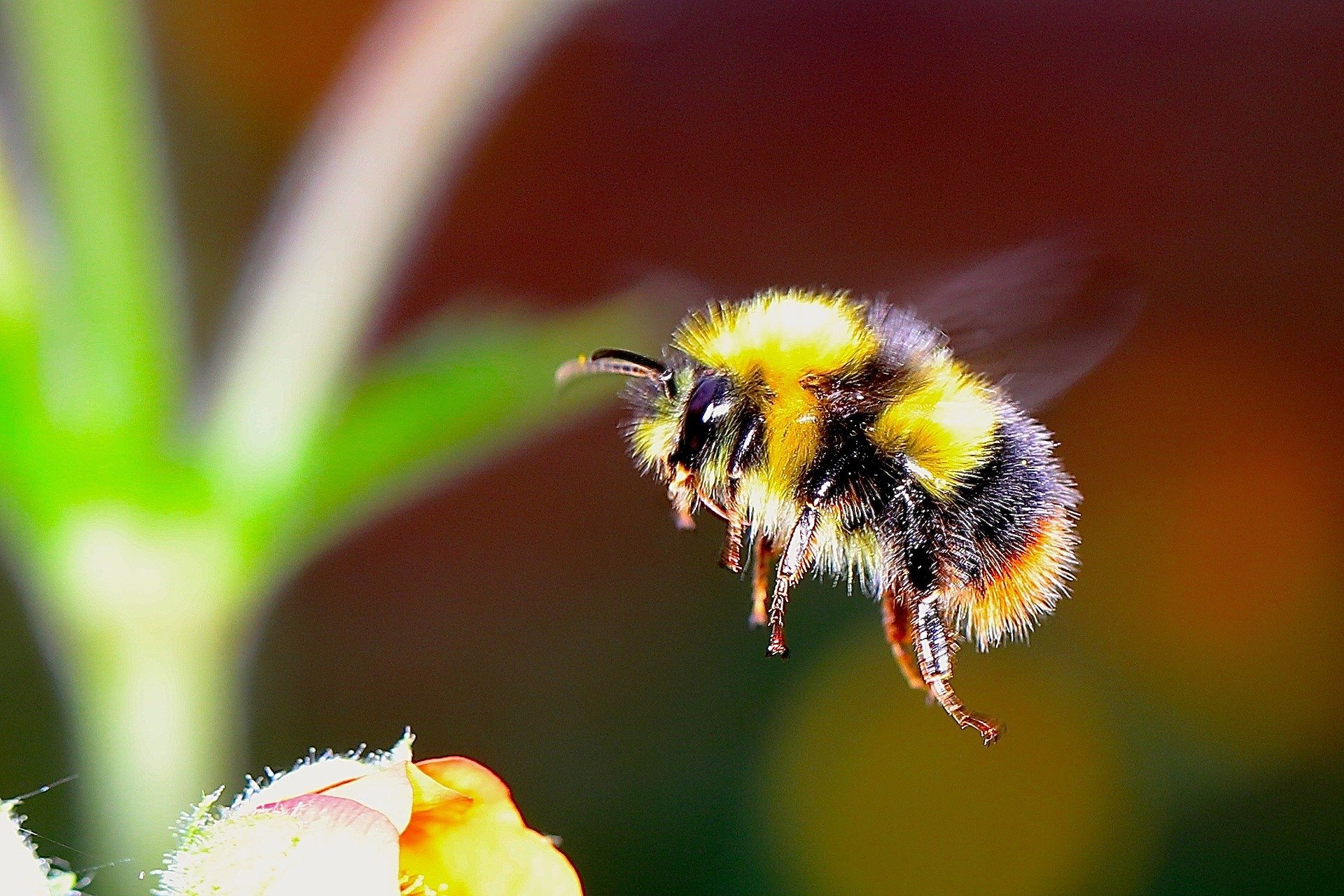
Bumble bees are large, fuzzy bees that play a crucial role in pollinating both wild plants and agricultural crops. Their thick coats of hair are not just for appearance; they are essential tools that help pollen cling to their bodies as they move from flower to flower. This makes bumble bees exceptionally effective pollinators.
One of the most remarkable abilities of bumble bees is their use of buzz pollination. When visiting certain flowers, bumble bees grip the flower tightly and vibrate their flight muscles. This vibration releases pollen that would otherwise remain trapped inside the flower. Crops like tomatoes, peppers, and blueberries rely heavily on this technique.
Did you know: Bumble bees are second only to honey bees in overall pollination impact, and for some plants, they are even more effective.
Unfortunately, bumble bee populations are declining worldwide. Pesticide use, climate change, habitat loss, and competition from managed honey bee colonies have all contributed to this decline. Over one-fifth of known bumble bee populations have already disappeared, raising serious concerns about the future of pollination systems that depend on them.
2. Honey Bees
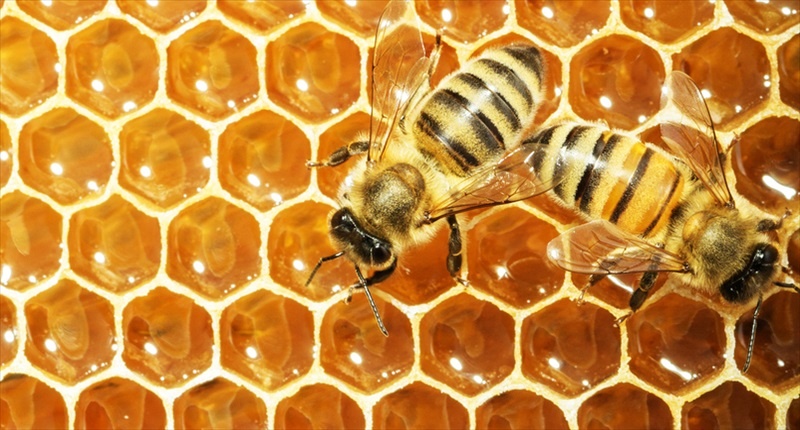
Honey bees are among the most familiar and economically important bee species. They live in large colonies that can contain anywhere from 20,000 to 80,000 individual bees, all working together in a highly organized system. These bees construct hives, produce honey, and pollinate an enormous variety of crops.
Physically, honey bees are smaller and less hairy than bumble bees, with more streamlined bodies suited for long-distance foraging. What they lack in size, they make up for in coordination and sheer numbers. Honey bees communicate using movements, scents, and vibrations, allowing them to share information about food sources and threats.
Honey bee colonies operate under a strict caste system, with each group of bees performing specific roles.
Important: The three castes in a honey bee colony are the queen bee, the worker bees, and the drones.
One of the most astonishing facts about honey bees is the effort required to produce honey. To make just one pound of honey, bees must collectively fly approximately 90,000 miles and visit millions of flowers. This massive effort highlights the extraordinary work ethic built into their biology.
3. Africanized Bees
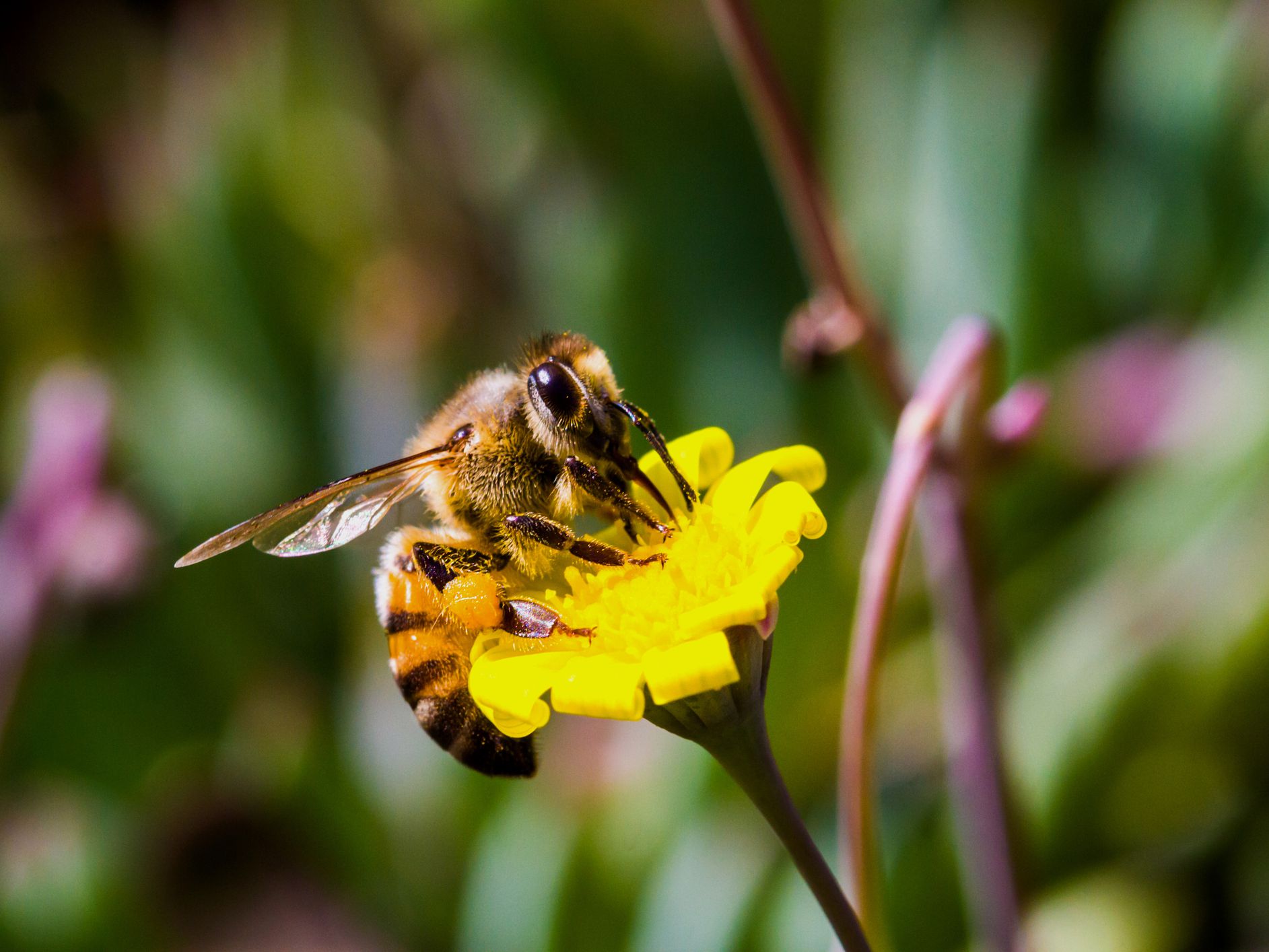
Africanized bees, often referred to as “killer bees,” originated from a breeding program aimed at creating honey bees better suited to tropical climates. When these bees escaped from a laboratory in South America, they spread rapidly across large regions of the Americas.
These bees are known for their aggressive defensive behavior. They respond more quickly to perceived threats than typical honey bees and may pursue intruders for long distances. Loud noises, vibrations, or close proximity to their nests can trigger an attack.
Despite their fearsome reputation, Africanized bees are physically smaller than standard honey bees and do not have stronger venom. The danger comes from the sheer number of stings delivered during an attack rather than the potency of each sting.
Tip: If confronted by an Africanized bee swarm, run immediately, protect your head and face, and seek shelter as quickly as possible.
Solitary Bees
Unlike social bees, solitary bees do not live in large colonies and do not share communal hives. Each female builds and maintains her own nest, gathers food for her offspring, and completes her life cycle independently. There is no queen, no worker caste, and no collective defense system. This solitary lifestyle dramatically changes how these bees behave and how they interact with humans.
Most solitary bees are extremely gentle. Because they do not have a colony to defend, they have little reason to sting. In many cases, solitary bees can be handled without provoking any reaction at all. Their stingers are often weaker than those of social bees, and some species struggle to pierce human skin.
Despite their quiet nature, solitary bees are powerful pollinators. Many plants rely more heavily on solitary bees than on honey bees, especially native plants that evolved alongside them. These bees tend to visit a narrower range of flowers, making them highly efficient at pollinating specific plant species.
4. Carpenter Bees
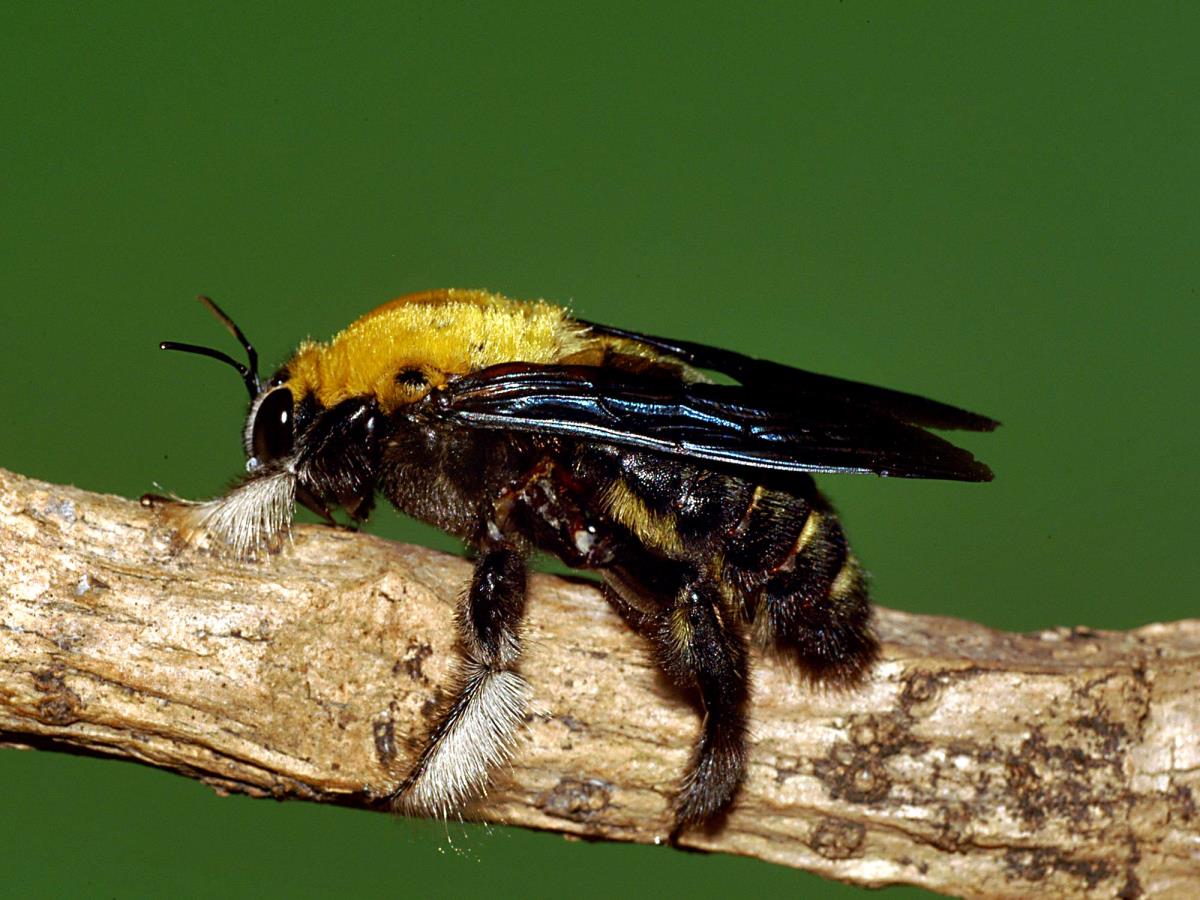
Carpenter bees are often mistaken for bumble bees due to their similar size and shape, but closer inspection reveals key differences. Carpenter bees usually have smooth, shiny, blue-black abdomens rather than the fuzzy, striped appearance of bumble bees. Their polished look can make them appear almost metallic in sunlight.
These bees earn their name from their nesting behavior. Carpenter bees excavate tunnels in wood to create nesting chambers for their eggs and larvae. They prefer untreated or weathered wood and are commonly found nesting in trees, logs, wooden fences, decks, sheds, and occasionally residential structures.
At first, their activity may seem harmless, but repeated nesting over several years can weaken wooden structures. Carpenter bees create branching tunnel systems inside the wood, which can lead to cosmetic damage at best and structural problems over time if left unaddressed.
Important: Carpenter bees can slowly compromise wooden structures by creating internal tunnels for larvae and eggs.
In terms of stings, carpenter bees are relatively calm. Male carpenter bees are often aggressive in appearance, hovering and darting toward intruders, but they do not have stingers at all. Female carpenter bees can sting, but they typically do so only if directly handled or if their nest is threatened.
Tip: Painting, sealing, or pressure-washing exposed wood can help discourage carpenter bees from nesting in unwanted areas.
5. Digger Bees
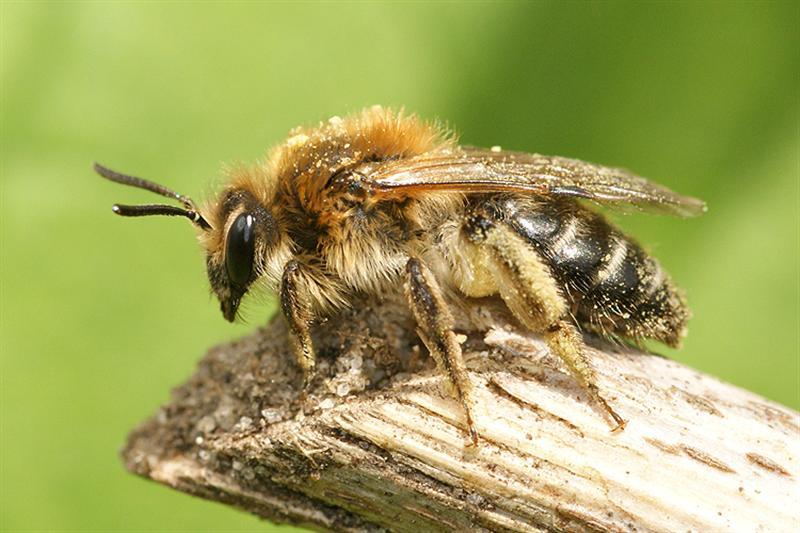
Digger bees are medium-sized, hairy bees that typically measure between 12 and 18 millimeters in length. They are commonly seen emerging from small holes in the ground, especially in sandy or loose soil. These entrance holes often appear in lawns, gardens, or along pathways, leading many people to worry about infestations.
In reality, digger bees are not destructive. Their nests consist of a main vertical tunnel with several side chambers used to store pollen and nectar for their developing larvae. Each chamber is carefully provisioned and sealed, allowing the larvae to develop safely underground.
Digger bees are territorial only around their individual nests, and even then, they rarely sting. Most people can walk directly through nesting areas without incident. Their presence is usually temporary, lasting only during the active nesting season.
6. Mining Bees
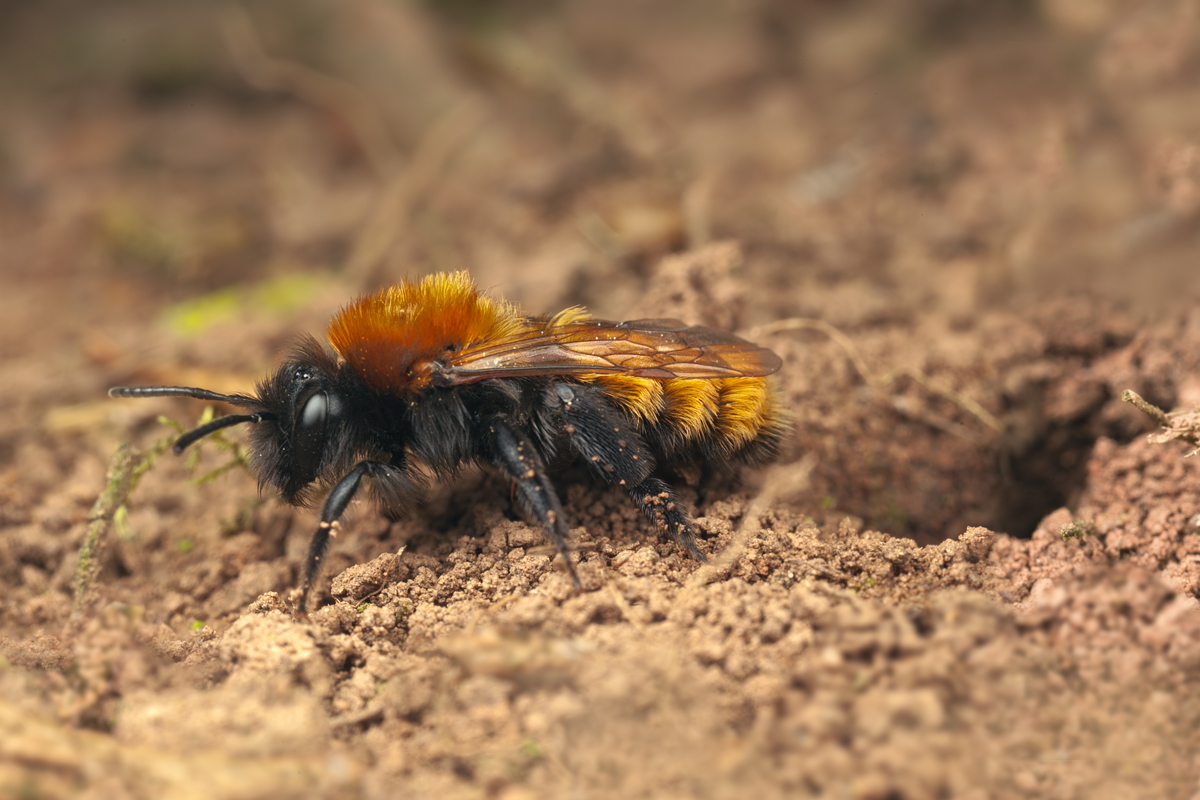
Mining bees belong to the Andrena family, which includes an estimated 1,200 species worldwide. These bees are among the earliest pollinators to appear each year, often emerging in early spring when few other bees are active.
Their nesting behavior is similar to that of digger bees, but their underground structures can be more complex. Mining bee nests often resemble miniature underground neighborhoods, with numerous individual chambers branching off from shared entry points. Each female provisions her own chambers, even when nesting near others.
Mining bees are especially important for pollinating early-blooming trees and plants, such as fruit trees and wildflowers. Because they are active when temperatures are still cool, they fill a critical gap in the pollination calendar.
Like most solitary bees, mining bees are non-aggressive and pose little risk to humans. Stings are rare and usually occur only when a bee is accidentally trapped against the skin.
7. Leafcutter Bees
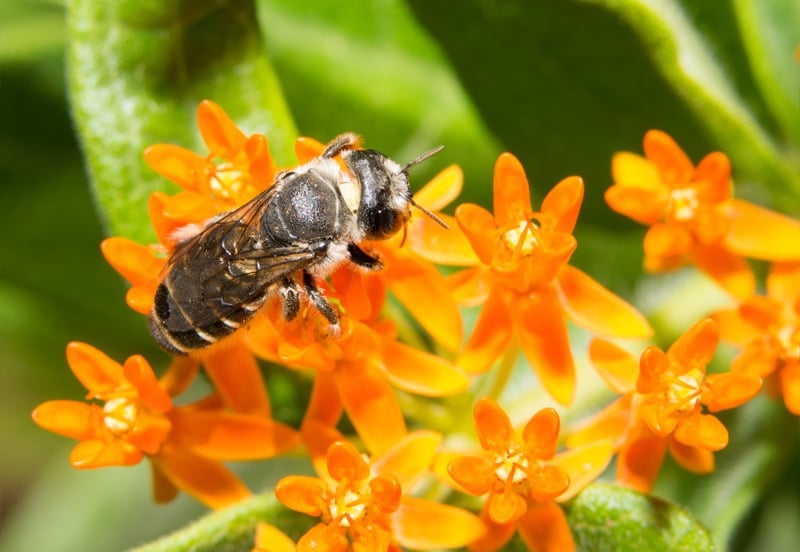
Leafcutter bees are sturdy, dark-colored bees that range in size from about 7 to 18 millimeters. Their bodies often appear compact and solid, giving them a distinctive, almost armored look compared to fuzzier bee species.
These bees prefer nesting in existing cavities rather than digging their own. Decaying wood, hollow plant stems, abandoned insect tunnels, and gaps in building materials all make suitable nesting sites. In urban and suburban environments, leafcutter bees often adapt easily to human-made structures.
Their most recognizable behavior is cutting neat, circular or oval pieces from leaves. Gardeners often notice these clean cutouts on roses and other broad-leaf plants. While the damage may look alarming, it does not harm the plant’s overall health.
Fun fact: Leafcutter bees use leaf fragments to line their nest chambers, creating a protective barrier that helps regulate moisture and deter parasites.
Leafcutter bees are excellent pollinators and are generally calm. They rarely sting, and when they do, the sting is mild.
8. Mason Bees
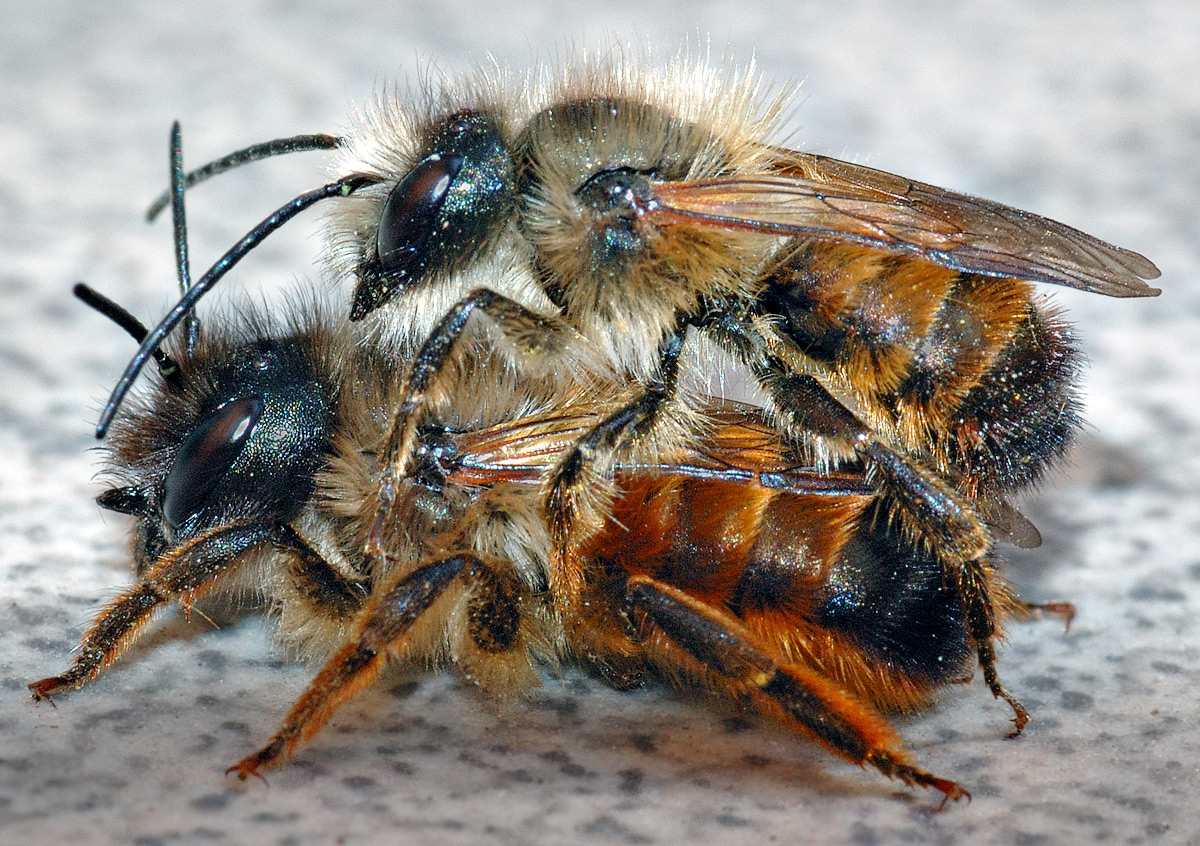
Mason bees are closely related to leafcutter bees but use a different construction material. Instead of leaves, they rely on mud, clay, or soft mortar to build and seal their nests. This behavior gives them their name.
They often nest in cracks in brick, stone, or concrete, as well as hollow stems and pre-existing holes in wood. Mason bees do not excavate new tunnels, which means they cause little to no structural damage.
One of the most remarkable qualities of mason bees is their pollination efficiency. Because they carry pollen loosely on their bodies rather than packing it into specialized baskets, they transfer more pollen between flowers with each visit.
Mason bees are extremely docile and rarely sting. Their calm behavior and high efficiency make them valuable allies in gardens and orchards.
9. Sweat Bees
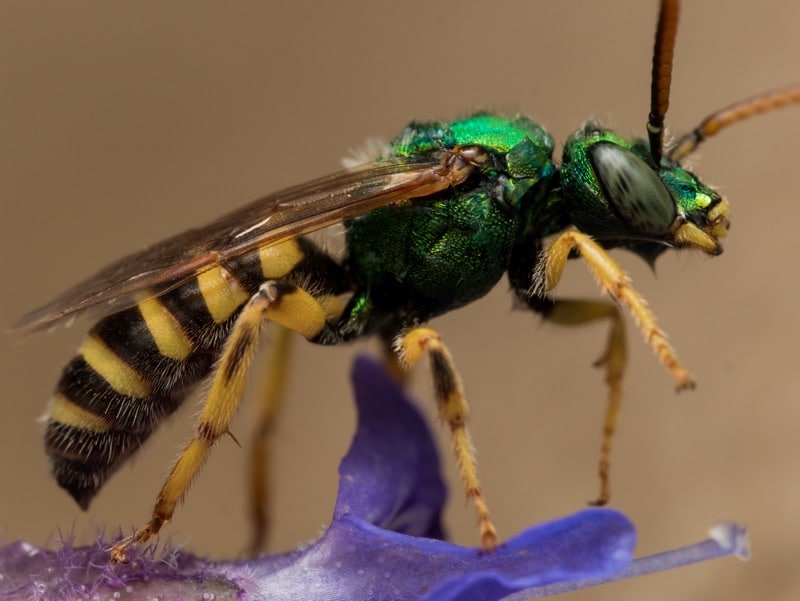
Sweat bees are among the smallest bees commonly encountered, with some species measuring as little as 3 millimeters. Many species have metallic green, blue, or bronze coloration, making them surprisingly striking up close.
These bees are attracted to human sweat because of the salts it contains. On hot days, they may land on exposed skin, which can be unsettling for some people. However, this behavior is curiosity-driven rather than aggressive.
Sweat bees are generally harmless. Stings are rare and usually occur only if the bee is pressed against the skin. Even then, the sting is mild compared to that of larger bee species.
10. Plasterer Bees
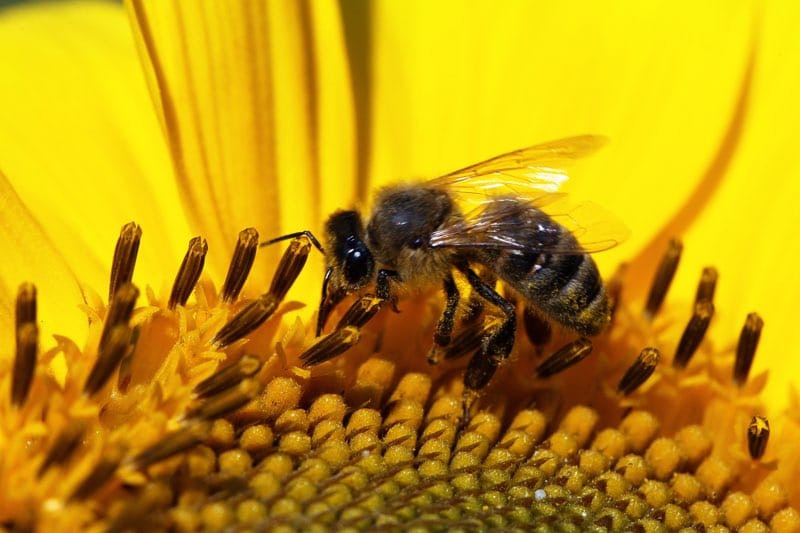
Plasterer bees are slightly larger than sweat bees, typically measuring between 10 and 18 millimeters. They appear somewhat hairy and often blend into their surroundings, making them easy to overlook.
These bees usually burrow underground but may also use cracks in stone, brick, or compacted soil. What sets them apart is how they finish their nests. Plasterer bees coat the interior walls with a glandular secretion that hardens into a smooth, waterproof lining.
Did you know: This glossy lining protects larvae from moisture, bacteria, and fungal growth.
Plasterer bees are non-aggressive and rarely sting, making them one of the least threatening bee types to encounter.
11. Yellow-Faced Bees
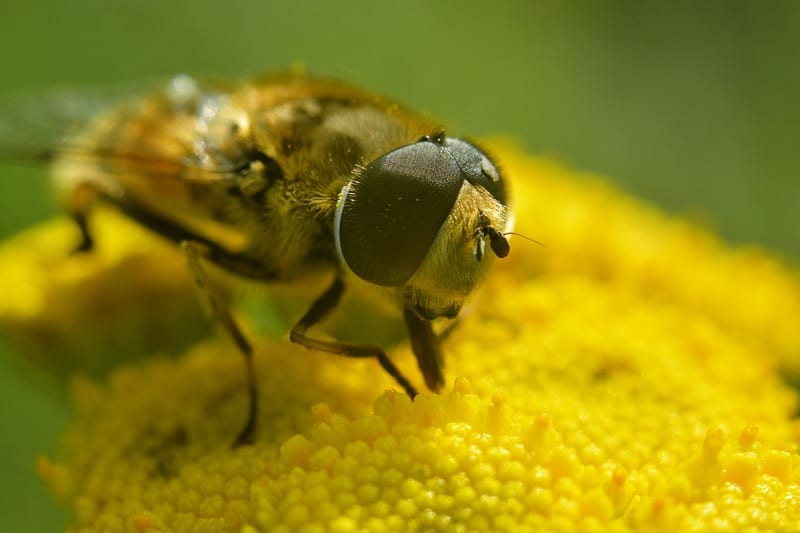
Yellow-faced bees may look intimidating due to their bright facial markings, but their appearance is misleading. These bees are small, usually under 6 millimeters, and are known for their gentle behavior.
They belong to the same family as plasterer bees and share similar nesting habits. Many species nest in hollow stems, soil, or small crevices.
Hawaii is home to more than 60 species of yellow-faced bees, many of which are found nowhere else in the world. Unfortunately, habitat loss and invasive predators have placed several species at risk.
Fact: Yellow-faced bees are known for complex mating behaviors and precise nest construction.
Types of Bees in a Beehive Explained
Honey bee colonies operate as highly organized biological systems. A typical hive contains one queen, hundreds of drones during mating season, and tens of thousands of worker bees. Each caste has a specific role, and the survival of the colony depends on perfect coordination.
No single bee can survive on its own. The hive functions as a unified organism, with each individual contributing to the whole.
1. Queen Bee
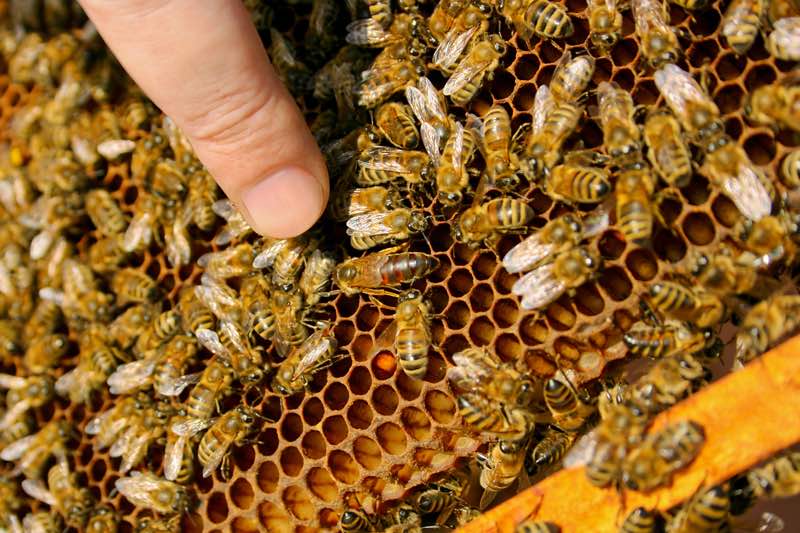
The queen bee is the central reproductive force of the hive and the single most important individual in the colony. She is noticeably larger than all other bees and can live five to six years, which is exceptionally long in the bee world. Her longevity allows the colony to remain stable over multiple seasons, provided she stays healthy and productive.
Her primary responsibility is laying eggs. At peak capacity, a queen can lay up to 2,000 eggs in a single day, ensuring a constant supply of workers to replace those that die from exhaustion, predation, or age. This intense rate of reproduction is necessary because worker bees live only a few weeks during the busiest seasons.
Fact: The queen also releases pheromones that regulate the behavior and fertility of the entire colony, preventing worker bees from reproducing and maintaining social harmony.
If a queen becomes weak or dies, the colony quickly senses the imbalance. Workers may attempt to raise a new queen, but failure to do so often leads to the collapse of the hive.
2. Drone Bees
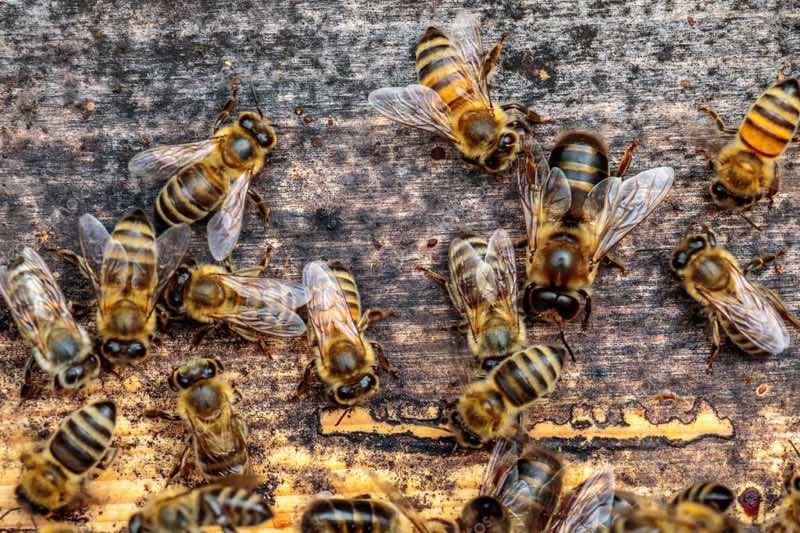
Drone bees are the male members of the hive, and their role is singular: reproduction. They do not gather nectar, produce wax, guard the hive, or care for larvae. Their existence revolves entirely around mating with a queen from another colony.
Drones are larger than worker bees but smaller than the queen. During spring and summer, hundreds of drones may be present in a hive. They spend most of their time eating and waiting for mating opportunities, which occur during specialized mating flights.
After mating, drones die almost immediately. Those that do not mate are forcibly removed from the hive as winter approaches, ensuring that limited resources are reserved for workers and the queen.
Although their role seems minimal, drones are essential for maintaining genetic diversity across bee populations.
3. Worker Bees
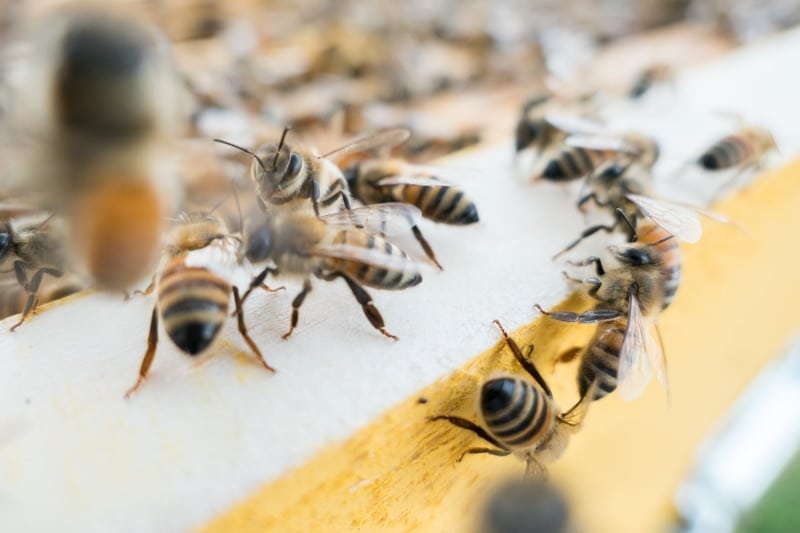
Worker bees are all female and form the backbone of the colony. They perform nearly every task required for hive survival. From the moment they emerge as adults, their responsibilities change as they age.
Younger workers typically clean cells, feed larvae, and care for the queen. As they mature, they begin producing wax, building combs, regulating hive temperature, and guarding entrances. Older workers eventually become foragers, flying long distances to collect nectar, pollen, water, and plant resins.
Worker bees are sterile and live relatively short lives, often just a few weeks during peak seasons. Their lives are physically demanding and intensely focused on supporting the colony.
If you see a bee flying outside a hive, it is almost always a worker bee.
All Different Types of Wasps
Bees and wasps are frequently confused, but they differ in important ways. While bees primarily feed on nectar and pollen, wasps are generally carnivorous and prey on other insects such as flies, spiders, caterpillars, and agricultural pests.
There are approximately 75,000 species of wasps worldwide, and despite their aggressive reputation, many play beneficial roles in ecosystems by controlling insect populations. In agricultural settings, wasps can act as natural pest control.
Like bees, wasps can be divided into social and solitary types, and this distinction strongly influences their behavior and interaction with humans.
Social Wasps
Social wasps live in colonies with structured hierarchies similar to those of social bees. However, unlike bee colonies, wasp colonies usually last only one year. As winter approaches, most workers die, leaving only fertilized queens to survive and start new nests in spring.
Fact: A typical social wasp colony exists for a single season.
Common social wasps include yellowjackets, hornets, and paper wasps. These species are more likely to interact with humans because they are attracted to food, garbage, and outdoor gatherings.
1. Yellowjackets
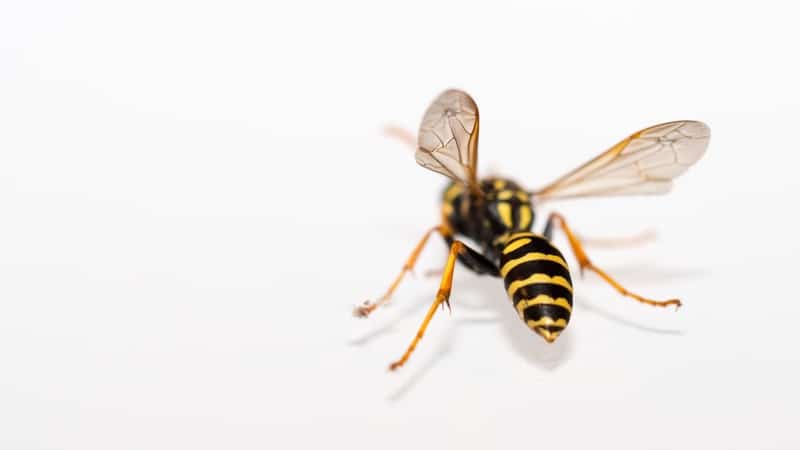
Yellowjackets are among the most aggressive and commonly encountered social wasps. They are similar in size to honey bees but are slimmer, faster, and marked with brighter yellow and black patterns.
A single yellowjacket nest can contain up to 5,000 individuals. These nests are often hidden underground, inside walls, attics, logs, or other enclosed spaces. Their hidden nature makes accidental encounters common.
Yellowjackets are attracted to both sugary foods and meats, which explains their frequent presence at picnics and outdoor events. When threatened, they can sting repeatedly and release alarm pheromones that summon other wasps.
2. Hornets
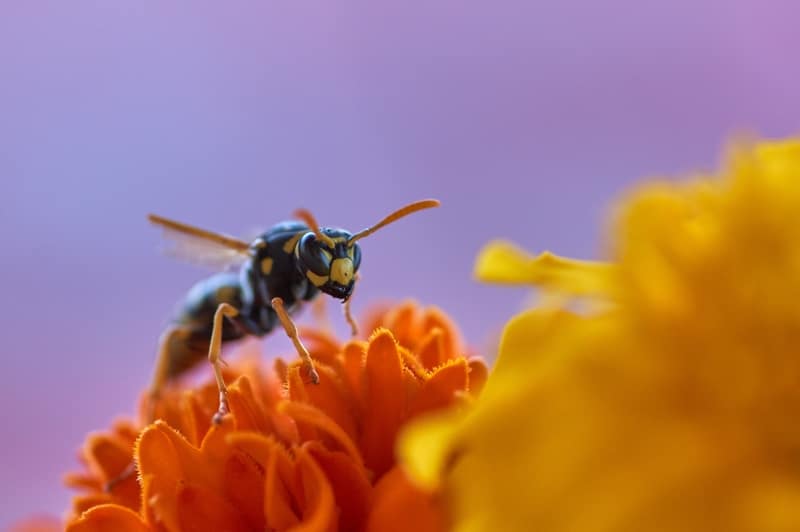
Hornets are among the largest social wasps, with some species reaching nearly two inches in length. They construct large paper-like nests made from chewed wood fibers, often suspended from trees, buildings, or utility poles.
They are highly territorial and will aggressively defend their nests if disturbed. Hornets are less common than yellowjackets but can be far more intimidating due to their size and powerful stings.
Despite their aggressive defense, hornets play an important role in controlling pest populations.
3. Paper Wasps
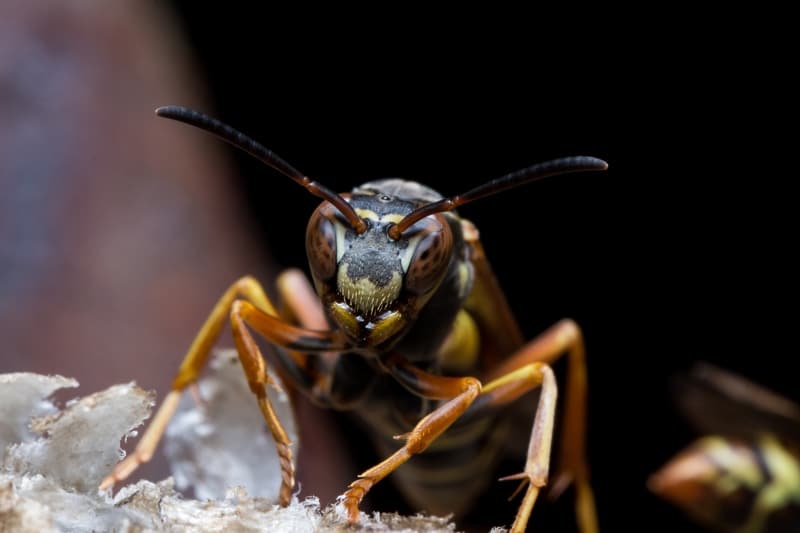
Paper wasps are named for the distinctive paper-like nests they build. These nests are umbrella-shaped, with exposed hexagonal cells and no outer covering.
A typical paper wasp nest contains 25 to 100 individuals. Paper wasps are slimmer than yellowjackets and display a wider range of colors, including brown, red, and yellow patterns.
They are less aggressive than yellowjackets but will sting if their nest is threatened. Paper wasps often build nests under eaves, porch roofs, and other sheltered areas near human structures.
Solitary Wasps
Solitary wasps live alone and do not form colonies. Each female builds her own nest and hunts independently. These wasps are predators, capturing insects and spiders to feed their larvae.
Unlike social wasps, solitary wasps are generally non-aggressive and rarely sting humans. Their stings are usually reserved for subduing prey.
4. Cicada Killer Wasps

Cicada killer wasps are large, robust wasps measuring up to two inches long. They are commonly found in warm regions and are often seen flying low over lawns and gardens.
They dig burrows in the ground, where they drag paralyzed cicadas to serve as food for their larvae. Despite their size and intimidating appearance, cicada killers are not aggressive toward humans and rarely sting unless directly handled.
5. Tarantula Hawk Wasps
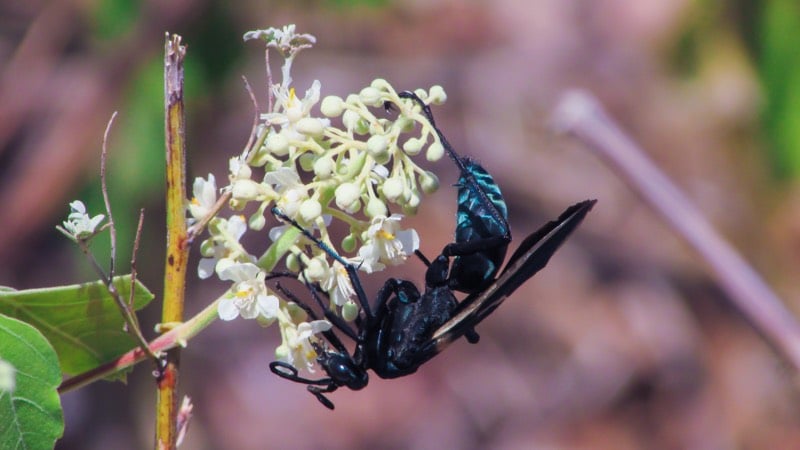
Tarantula hawk wasps are large, dark blue wasps with metallic bodies and bright orange wings. They are named for their hunting behavior, as they prey on tarantulas to feed their larvae.
They possess one of the most painful stings in the insect world, but encounters with humans are rare. These wasps are solitary and typically found in desert and semi-arid regions.
6. Steel Blue Cricket Hunters
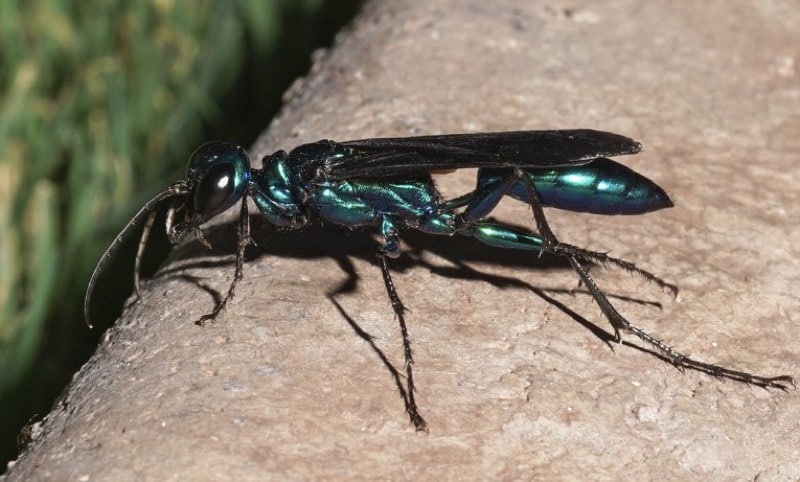
Steel blue cricket hunters are striking solitary wasps with metallic blue bodies and dusky wings. They prey primarily on crickets, which they paralyze and transport to their nests.
They are often seen in gardens and around homes but are non-aggressive and rarely sting.
7. Sand Wasps
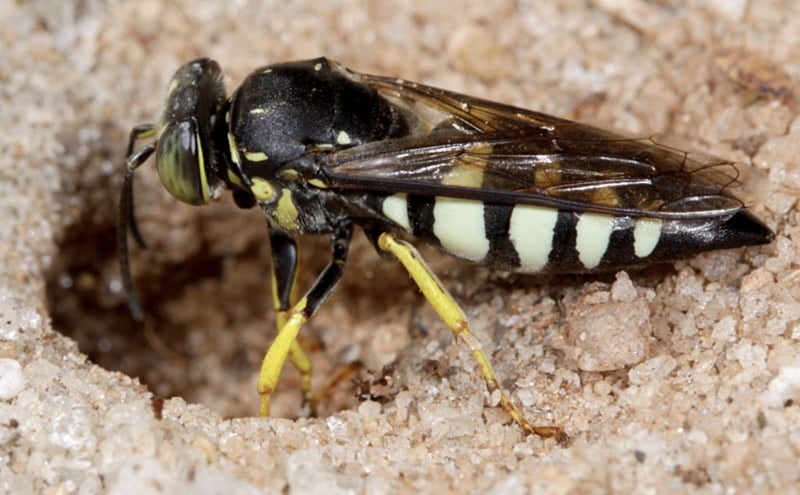
Sand wasps are slender wasps that nest in sandy soil. They often hunt flies and other small insects to feed their larvae.
Although they may nest close to one another, sand wasps do not form true colonies. They are generally harmless to humans but may become defensive if disturbed in areas where children play.
8. Mud Wasps
Mud wasps are solitary wasps known for building nests from mud. These include mud daubers, potter wasps, and pollen wasps. Their nests are often found attached to walls, eaves, or other structures.
Mud daubers prey on spiders, including black widows, and store them in their nests for larvae to feed on. Potter wasps create small, pot-shaped mud nests that are both functional and visually distinctive.
Despite their fearsome appearance, mud wasps are typically non-aggressive and pose little threat to humans.
Mud Daubers
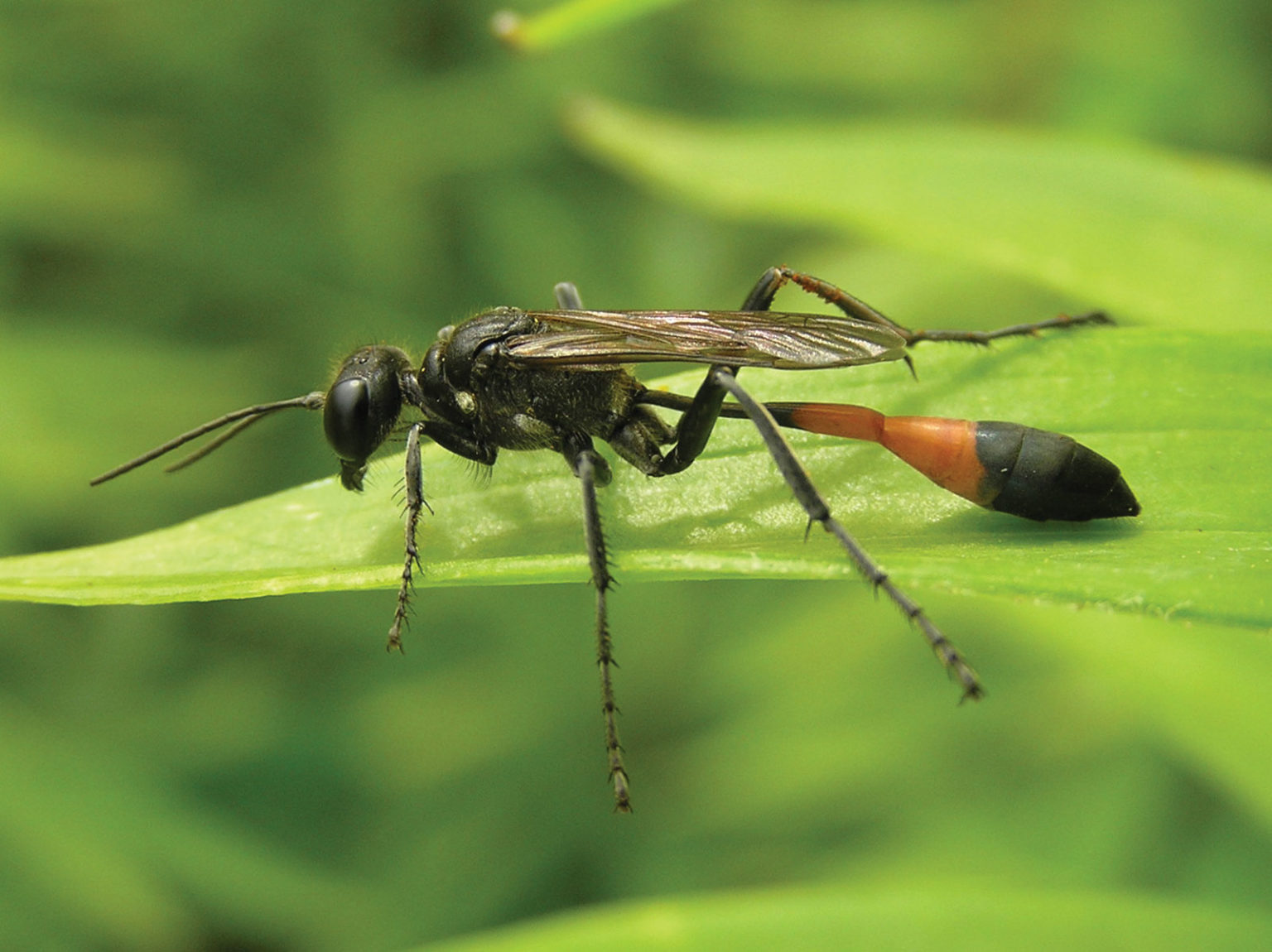
Mud daubers are long, slender wasps with narrow waists and an almost delicate appearance despite their size. They are usually about an inch long and are most often black or dark metallic blue. Unlike social wasps, mud daubers do not form colonies in the traditional sense. Each female builds and maintains her own nest.
Their nests are made from mud and shaped into tube-like or cylindrical structures, often attached to walls, ceilings, eaves, attics, garages, and porch corners. Inside these mud chambers, the wasp stores paralyzed spiders—most commonly black widows and other web-building species—as food for her larvae.
Mud daubers are not territorial in the way yellowjackets are. They rarely defend their nests aggressively and usually sting only if handled directly. Their presence around homes is often beneficial, as they naturally reduce spider populations.
Potter Wasps

Potter wasps are named for the small, pot-shaped mud nests they construct. These nests look like miniature clay jars and are often attached to walls, branches, rocks, or sheltered structures. Each nest typically houses a single larva, making potter wasps strictly solitary.
In appearance, potter wasps are slimmer than yellowjackets and display a wide range of colors, including black, brown, red, and yellow patterns. Their flight is calm and deliberate, and they are rarely aggressive.
Potter wasps hunt caterpillars and other soft-bodied insects, which they paralyze and store inside their mud pots. Like other solitary wasps, they pose little risk to humans and almost never sting unless physically provoked.
Pollen Wasps
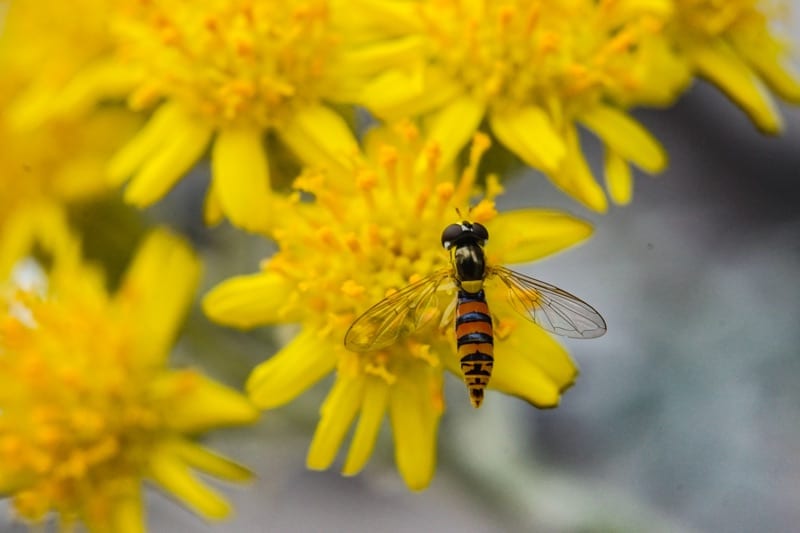
Pollen wasps are one of the more unusual members of the wasp world because they blur the line between bees and wasps. Unlike most wasps, which are carnivorous and hunt other insects, pollen wasps feed primarily on pollen and nectar. This diet puts them much closer to bees in behavior and ecological function than to their predatory wasp relatives.
These wasps are generally small to medium in size and often display yellow and black markings similar to more aggressive wasp species. This resemblance can be misleading. Despite their appearance, pollen wasps are calm, non-aggressive, and rarely sting. Their stings are mild and typically occur only if the insect is handled or trapped.
Pollen wasps build small nests, usually in soil or existing cavities. They provision their nests with pollen rather than paralyzed prey, which makes their life cycle more similar to solitary bees than to traditional wasps. Each larva is supplied with a pollen mass that sustains it through development.
Ecologically, pollen wasps contribute to pollination, particularly in arid and semi-arid environments where bee populations may be lower. While they are not as efficient or numerous as bees, they still play a meaningful supporting role in maintaining plant reproduction.
Readers’ Questions:
Over time, many readers have asked similar questions about bees and wasps. Below are expanded, clear answers to the most common ones, addressing concerns about safety, behavior, and coexistence.
Are bees aggressive by nature?
Most bees are not aggressive. In fact, the majority of bee species are docile and prefer to avoid conflict entirely. Aggression usually occurs only when a bee feels trapped, threatened, or when its nest is directly disturbed. Solitary bees, in particular, almost never sting because they have no colony to defend.
Social bees such as honey bees and bumble bees may sting to protect their hive, but even then, stinging is a last resort. A bee that stings risks its own life, so it does not make that decision lightly.
What should I do if I see bees around my home?
In most cases, the best response is to do nothing. Bees that are foraging on flowers are simply passing through and pose no danger. If bees are nesting in a location that does not interfere with human activity, they are best left alone.
If bees are nesting in structural wood or high-traffic areas, professional relocation is often preferable to extermination. Many bee species are protected or declining, and removal methods that preserve the colony are better for both the environment and long-term pest control.
Are wasps always dangerous?
No. While some wasps—especially social wasps like yellowjackets—can be aggressive, many wasp species are solitary and harmless. Solitary wasps rarely sting and play an important role in controlling insect populations by preying on pests.
Understanding the difference between social and solitary wasps can help reduce unnecessary fear and prevent overreaction to harmless species.
How can I tell the difference between a bee and a wasp?
Bees are generally hairier and thicker-bodied than wasps, especially on the legs and abdomen. They often appear fuzzy because their bodies are adapted to collect pollen. Wasps tend to have smoother, shinier bodies, narrower waists, and more defined segmentation.
Behavior is also a clue. Bees are usually focused on flowers, while wasps are more likely to be attracted to food, meat, or garbage.
Why are bees declining?
Bee populations are declining due to a combination of factors, including pesticide use, habitat loss, climate change, disease, and reduced floral diversity. Urbanization and large-scale monoculture farming reduce the availability of diverse food sources that bees need to survive.
Protecting bees involves planting native flowers, reducing pesticide use, preserving natural habitats, and allowing space for wild nesting where possible.
Bees and wasps occupy a wide range of ecological roles, from pollinators that quietly sustain global food systems to predators that help keep insect populations in balance. While fear often shapes how people react to these insects, understanding their behavior, structure, and purpose paints a very different picture.
Most encounters with bees and wasps are harmless moments of coexistence. When identified correctly and left undisturbed, the majority of these species go about their work without ever becoming a threat—playing their part in a natural system that continues to function largely unseen, yet absolutely essential.