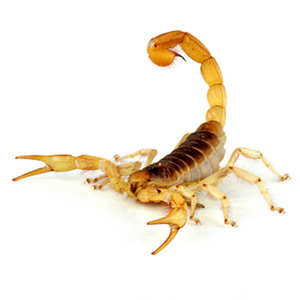

Scorpions have fascinated and frightened humans for thousands of years. With their armored bodies, powerful pincers, and curved venomous tails, they look like creatures designed purely for survival. Found on nearly every continent, scorpions have adapted to deserts, forests, mountains, and even human settlements, quietly thriving in environments that would challenge most other animals. Despite their ancient lineage and widespread presence, most scorpions are far less dangerous than people assume.
Out of the thousands of known scorpion species, only a small number pose a serious threat to humans. Many deliver stings that are painful but medically insignificant, comparable to a wasp or bee sting. Others rely more on their pincers than venom, preferring to flee rather than attack. Yet a handful of species possess venom powerful enough to cause severe neurological, cardiovascular, or respiratory effects, especially in children, the elderly, or individuals with limited access to medical care.
What makes scorpions particularly misunderstood is the wide variation in their behavior, venom strength, and interaction with humans. Size alone is not a reliable indicator of danger. Some of the largest scorpions in the world are relatively harmless, while smaller species can deliver life-threatening stings. Geography, climate, and proximity to human habitats also play a major role in determining how often dangerous encounters occur.
This article looks beyond fear and myth to examine scorpion species that are known for their dangerous stings, aggressive behavior, or significant medical impact. By understanding where these scorpions live, how their venom works, and why certain species are more dangerous than others, it becomes easier to separate genuine risk from exaggerated reputation. Knowledge, rather than fear, remains the most effective way to coexist safely with some of the world’s most ancient and misunderstood predators.

Emperor Scorpion
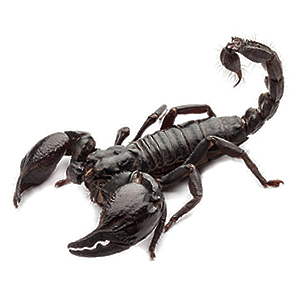
The emperor scorpion is one of the largest scorpion species in the world and is often the first species people think of when imagining a giant scorpion. Adult emperor scorpions can reach lengths of up to 20 centimeters, or nearly 8 inches, and may weigh more than 30 grams. Their thick bodies, large pincers, and glossy black coloration give them an imposing appearance.
Despite their size, emperor scorpions are generally less aggressive than many smaller species. Their venom is relatively mild compared to highly dangerous scorpions, and stings are often compared to a bee sting in terms of pain. However, their powerful pincers can still deliver painful pinches if handled carelessly.
Emperor scorpions are native to the rainforests and savannas of West Africa, where they live under rocks, logs, and leaf litter. They are nocturnal hunters, feeding on insects, spiders, and occasionally small vertebrates. Because of their size and manageable temperament, emperor scorpions are sometimes kept as exotic pets, although improper handling can still lead to injury.
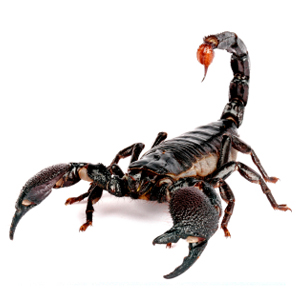
Red Claw Scorpion
Red claw scorpions are known for their striking appearance and unpredictable behavior. They are sometimes sold as pets, but this species is not recommended for inexperienced owners. Red claw scorpions can become aggressive easily, particularly when stressed or improperly handled.
Their venom is generally reported to cause pain similar to a bee sting, but reactions can vary depending on the individual. For people with allergies or heightened sensitivity, even a moderate sting can result in more severe symptoms.
Red claw scorpions are fast-moving and defensive by nature. They rely on both their claws and their stinger to subdue prey and protect themselves. In the wild, they feed on insects and other small arthropods, playing a role in controlling pest populations. In captivity, their aggressive tendencies make them difficult to manage safely.
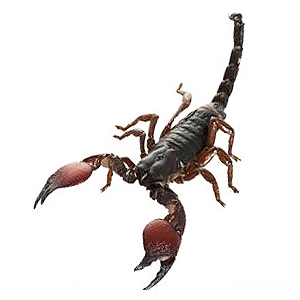
Red Scorpion
The Indian red scorpion is widely regarded as one of the most dangerous scorpion species in the world. It is commonly found in India, Pakistan, and Nepal, particularly in rural and agricultural areas where human encounters are more likely.
This species is typically orange to reddish in color, which is how it earned its name. Indian red scorpions are nocturnal predators that feed on insects, spiders, and other small invertebrates. During the day, they hide under rocks, logs, or inside cracks in walls and floors.
The venom of the Indian red scorpion is extremely potent and can cause severe cardiovascular and neurological symptoms. Stings can lead to intense pain, vomiting, sweating, irregular heartbeat, and in severe cases, pulmonary edema or heart failure. Without prompt medical treatment, especially in children, stings from this species can be fatal.
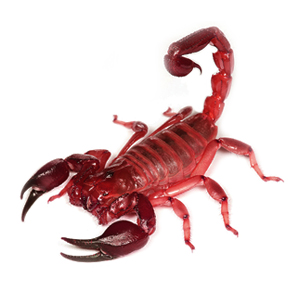
Blue Scorpion
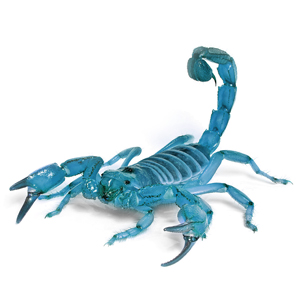
The blue scorpion is best known not for the danger it poses to humans, but for its unusual and visually striking coloration. Under normal light, these scorpions often appear dark or muted, but under ultraviolet light they glow an intense blue-green color. This fluorescence is caused by compounds in their exoskeleton and is a trait shared by nearly all scorpion species, though it is especially noticeable in this one.
Blue scorpions are found in parts of Central America and the Caribbean, particularly in forested and humid environments. They tend to live in leaf litter, under stones, and within crevices where moisture levels remain relatively stable. Like most scorpions, they are nocturnal and emerge at night to hunt insects and other small prey.
While their appearance can be alarming, blue scorpions are not considered highly dangerous. Their venom is typically mild, producing localized pain, redness, and swelling. Serious reactions are rare, but as with any scorpion sting, medical attention may be necessary if symptoms worsen or if the victim is particularly sensitive.
Arizona Bark Scorpion
The Arizona bark scorpion is one of the most medically significant scorpions in North America. Unlike many larger species, it is relatively small, but its venom is far more potent. This species is commonly found in the southwestern United States, particularly in Arizona, where it thrives in desert environments and increasingly in urban areas.
Arizona bark scorpions are excellent climbers and can scale walls, ceilings, and furniture. This ability allows them to enter homes easily, hiding in dark, cool places such as closets, shoes, and bedding. Their presence indoors significantly increases the likelihood of human encounters.
Stings from the Arizona bark scorpion can cause intense pain, numbness, muscle twitching, difficulty breathing, and in severe cases, convulsions. Children and older adults are especially vulnerable to serious complications. While fatalities are rare due to modern medical care, untreated stings can be extremely dangerous.
Pseudoscorpion
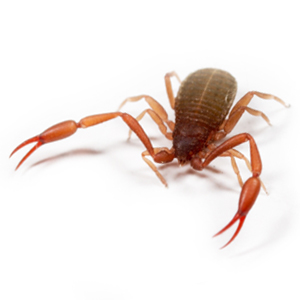
Pseudoscorpions resemble true scorpions at first glance, but they lack the long tail and venomous stinger that define their more dangerous relatives. These tiny arachnids are typically only a few millimeters long and are often overlooked due to their small size.
Pseudoscorpions live in a wide range of environments, including soil, leaf litter, tree bark, and even inside homes. They are beneficial predators, feeding on mites, ants, and other small pests. Despite their intimidating name, pseudoscorpions pose no threat to humans and are incapable of stinging.
Their inclusion among the worst scorpions is largely based on appearance rather than danger. Many people mistake them for more harmful species and react out of fear. In reality, pseudoscorpions play a helpful role in controlling insect populations.
Giant Forest Scorpion
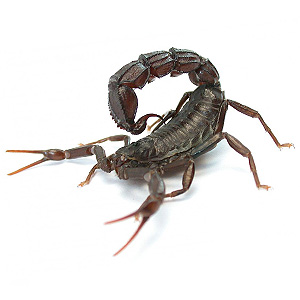
The giant forest scorpion is one of the largest scorpion species found in Asia. Adults can grow up to 23 centimeters in length, making them among the longest scorpions in the world. Their bodies are dark, thick, and heavily armored, with large pincers designed for capturing prey.
This species inhabits tropical forests, where it lives under logs, rocks, and fallen leaves. Giant forest scorpions are nocturnal hunters that feed on insects, spiders, and occasionally small vertebrates. They are generally shy and prefer to flee rather than attack when disturbed.
Although their venom is relatively mild compared to more dangerous species, their size and strength make them intimidating. A sting can be painful, and their pincers are capable of delivering strong pinches. Proper caution is advised when encountering them in the wild or captivity.
Tailless Whip Scorpion
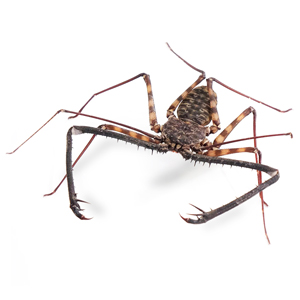
Despite its alarming name and appearance, the tailless whip scorpion is not a true scorpion. It belongs to a different group of arachnids and lacks the curved tail and venomous stinger that define real scorpions. Instead, it has long, whip-like front legs that it uses to sense its surroundings.
Tailless whip scorpions are found in tropical and subtropical regions around the world, often inhabiting caves, tree hollows, and dark forested areas. They are nocturnal hunters, feeding primarily on insects and other small invertebrates. Their flattened bodies allow them to squeeze into narrow crevices, making them well adapted to hidden environments.
Although their size and spider-like movement can be unsettling, tailless whip scorpions are harmless to humans. They do not produce venom and are incapable of stinging. Their defensive behavior usually consists of raising their whip-like legs and retreating rather than attacking.
Fat Tail Scorpion
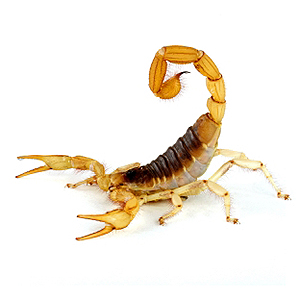
The fat tail scorpion is considered one of the most dangerous scorpions in the world. It is native to North Africa and the Middle East, where it inhabits deserts and arid regions. This species is typically yellow to light brown in color, with a noticeably thick tail that houses its venom glands.
Fat tail scorpions are aggressive when threatened and rely heavily on their venom for both hunting and defense. Their venom is highly toxic and can cause severe pain, muscle spasms, breathing difficulties, and cardiovascular complications. Children and individuals with compromised health are at especially high risk from stings.
These scorpions often hide under rocks, in burrows, or inside human structures during the day. At night, they emerge to hunt insects and small animals. Encounters with humans are more likely in rural areas and desert communities, where medical access may be limited.
Death Stalker Scorpion
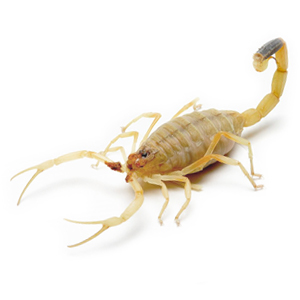
The death stalker scorpion is widely regarded as the most venomous scorpion species on Earth. Found in North Africa and the Middle East, this scorpion is relatively small but extremely dangerous. Its pale yellow body allows it to blend easily into desert environments.
The venom of the death stalker contains powerful neurotoxins that can cause severe pain, fever, convulsions, paralysis, and potentially fatal respiratory failure. While healthy adults may survive with prompt medical treatment, children are particularly vulnerable to life-threatening complications.
Despite its reputation, death stalker venom has also attracted scientific interest. Certain components of the venom are being studied for potential medical applications, including cancer research and neurological treatments. This dual nature makes the species both feared and scientifically valuable.
Three Striped Scorpion
The three striped scorpion is commonly found in the central and southern regions of the United States. It is named for the three dark stripes that run lengthwise along its back. This species is relatively small and is often encountered in residential areas.
Three striped scorpions typically live under rocks, logs, and debris, and may enter homes in search of shelter. They are nocturnal and feed on insects and other small arthropods. Their behavior is generally defensive rather than aggressive.
Although their venom is not considered highly dangerous, stings can still cause pain, swelling, and localized numbness. For most people, symptoms are mild and resolve without medical intervention, but allergic reactions can occur in rare cases.
Arizona Hairy Scorpion
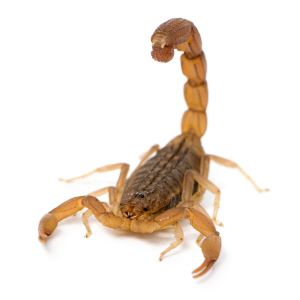
The Arizona hairy scorpion is the largest scorpion species in North America. It can grow up to 14 centimeters in length and is covered in fine hairs that help it detect vibrations in its environment. This species is found primarily in the deserts of the southwestern United States.
Arizona hairy scorpions prefer dry habitats and often take shelter in burrows or under rocks during the day. At night, they emerge to hunt insects, spiders, and occasionally small vertebrates. Their size and appearance make them intimidating, but they are generally not aggressive.
While their venom is relatively mild compared to more dangerous species, a sting can still be painful. Symptoms usually include localized pain and swelling. Because of their size, their pincers can also cause injury if handled improperly.