

Chemical poisoning represents one of the most serious and widespread public health challenges worldwide. An overwhelming majority of both accidental and intentional poisoning cases are caused by chemical substances rather than biological agents or natural toxins. Studies and poison control data consistently show that nearly all poisoning incidents—approaching ninety percent—take place inside the home environment, not in factories or industrial sites. This makes chemical poisoning a hidden domestic danger rather than a remote occupational risk .
Infants, toddlers, and young children face the highest risk of acute chemical poisoning. Their natural curiosity, tendency to place objects in their mouths, and inability to recognize danger make them especially vulnerable. Brightly colored containers, improperly stored cleaning products, and medications left within reach all contribute to accidental exposure. Poison control centers receive hundreds of thousands of calls each year involving children under six years of age, many of which involve household chemicals.
Chemical poisoning does not always happen suddenly. Chronic chemical exposure develops slowly over months or years and is often far more difficult to recognize. Long-term, low-level exposure to toxic substances has been linked to a wide range of degenerative and systemic diseases. These include cancers, neurological disorders, immune system dysfunction, reproductive problems, learning disabilities, developmental delays, and congenital abnormalities. In many cases, symptoms appear gradually and are mistakenly attributed to aging, stress, or unrelated illnesses.
Currently, millions of natural and synthetic chemicals exist in modern society, with approximately three thousand known to cause serious health effects. Acute chemical poisoning caused by common household or garden products is often easy to diagnose when recognized early. In contrast, poisoning caused by daily exposure to low doses of chemicals is far more challenging to detect. Toxic substances are present in homes, yards, workplaces, schools, playgrounds, food, and drinking water. Some result from environmental pollution or illegal dumping, while others originate from everyday products intended to improve comfort and convenience.
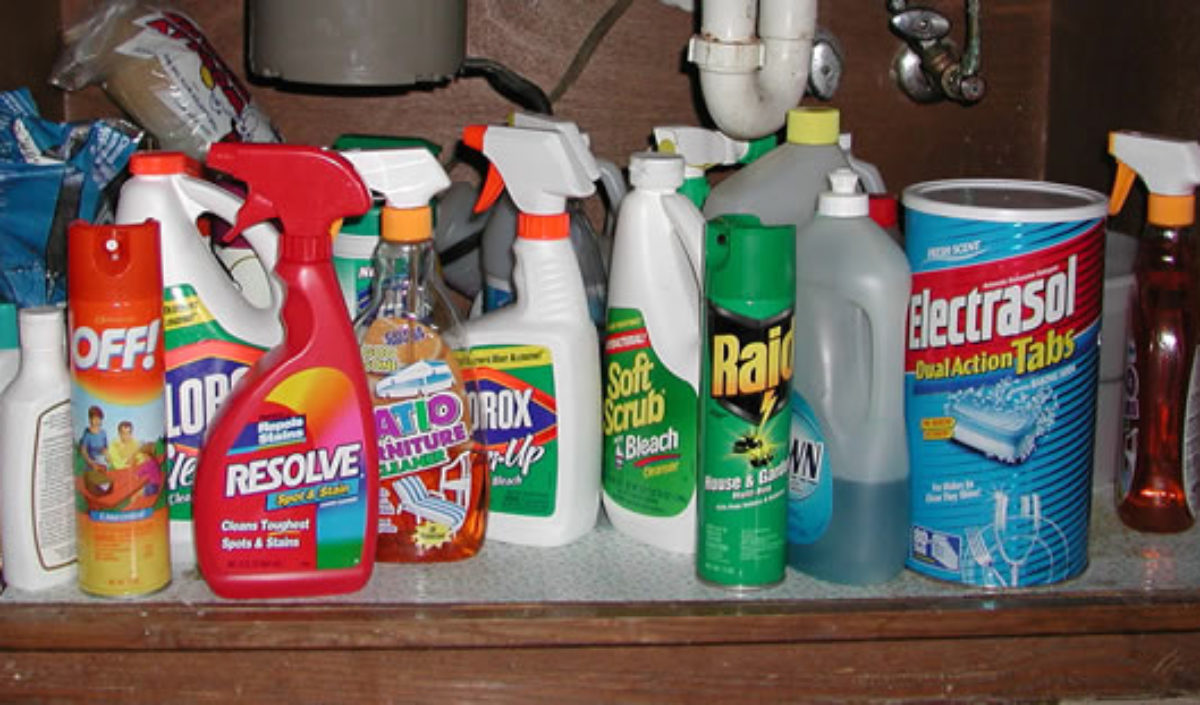
Household Poisons
Research increasingly suggests that the home environment may be more chemically contaminated than outdoor workplaces or highways. Numerous toxic substances accumulate indoors due to limited ventilation and continuous use of chemical products. Any chemical present inside the home carries the risk of accidental ingestion, especially for small children. In addition, chronic indoor exposure can significantly affect long-term health.
Major sources of household chemical poisoning include volatile organic compounds, heavy metals, radioactive gases, combustion byproducts, chemicals trapped in building materials, cleaning agents, and medications.
Volatile Chemicals and Indoor Air Contamination
Indoor air pollution is largely caused by volatile chemicals—substances that evaporate easily at room temperature. When products containing these chemicals are used indoors, vapors become trapped inside enclosed spaces and can reach concentrations far higher than outdoor air levels. Continuous inhalation of polluted indoor air has been associated with respiratory infections, headaches, nausea, confusion, fatigue, mood disorders, memory impairment, fetal damage, and increased cancer risk.
Common volatile substances found in homes include trichloroethane from spray cans and insulation, tetrachloroethylene from dry-cleaning solvents, formaldehyde from glues and plywood, para-dichlorobenzene from mothballs and air fresheners, toluene and xylene from paints and solvents, benzene from gasoline vapors, acetone from nail polish removers, styrene from carpets and adhesives, and carbon tetrachloride and perchloroethylene from cleaning solutions.
Lead and Other Heavy Metals
Lead remains one of the most dangerous household toxins, particularly for children. Even small amounts can interfere with brain development, leading to learning disabilities, behavioral problems, and reduced intellectual capacity. Pregnant women exposed to lead risk fetal brain damage, impaired motor development, and congenital abnormalities. Lead is commonly found in old paint, contaminated dust, pottery, pesticides, artist paints, and hobby materials. Other heavy metals such as mercury and cadmium also pose serious risks and accumulate in the body over time.
Radon Gas Exposure
Radon is a colorless, odorless radioactive gas produced by the natural decay of uranium in soil. While outdoor radon disperses harmlessly, indoor accumulation—especially in basements and poorly ventilated spaces—can reach dangerous levels. Radon exposure is considered one of the leading causes of lung cancer. Testing is the only reliable method for detecting radon contamination in homes.
Carbon Monoxide
Carbon monoxide is one of the most lethal household gases. It is produced by incomplete combustion from gas heaters, fireplaces, furnaces, and vehicles running in enclosed garages. Because carbon monoxide has no smell or color, exposure often goes unnoticed until symptoms become severe. Carbon monoxide detectors are essential safety devices in all homes.
Chemicals Trapped in Carpets
Carpets can retain a wide range of neurotoxic chemicals used during manufacturing and installation. These include acetone, benzene, toluene, phenol, xylene, decane, and hexane. Long-term exposure to these substances may affect the nervous system and contribute to chronic health problems.
Household Cleaners
Many household cleaners contain neurotoxic substances such as chlorine, ammonia, and petroleum derivatives. Dishwashing detergents, antibacterial agents, laundry products, and floor waxes can cause poisoning through ingestion, inhalation, or skin contact, particularly when mixed improperly.
Medicines
Medications are among the most common causes of both accidental and intentional poisoning. Drugs frequently involved include aspirin, acetaminophen, sedatives, antidepressants, antiseizure medications, iron supplements, vitamins containing iron, and cardiac drugs such as digoxin and quinidine. Errors in dosage, drug interactions, and improper storage significantly increase risk.

Yard Chemicals
Yards, gardens, and outdoor storage areas often contain chemical substances that can cause serious poisoning if misused or accidentally ingested. Products such as fertilizers, herbicides, insecticides, fungicides, and rodenticides are commonly stored in garages, sheds, or open areas, sometimes without secure containers or clear labeling. Because these substances are designed to kill or control living organisms, even small amounts can disrupt human biological systems.
Children are especially at risk outdoors because yard chemicals may be left unattended after use or stored in easily accessible places. Pets may also carry chemicals indoors on their fur or paws, increasing indirect exposure. Poisoning can occur through swallowing granules or liquids, inhaling spray mist, or absorbing chemicals through the skin during application.
Repeated low-level exposure to yard chemicals has been linked to neurological problems, hormone disruption, respiratory irritation, and long-term organ damage. Improper mixing of garden products can further increase toxicity by creating more concentrated or chemically reactive solutions.
Occupational Hazards
Chemical poisoning frequently occurs in workplace environments, particularly in industries that rely on chemical processing, manufacturing, agriculture, healthcare, and laboratory work. Workers may be exposed to solvents, acids, alkalis, pesticides, heavy metals, cleaning agents, disinfectants, and industrial gases on a daily basis.
In many occupational settings, poisoning does not result from a single incident but from cumulative exposure over time. Inadequate protective equipment, poor ventilation, lack of safety training, and prolonged contact with toxic substances all contribute to increased risk. Symptoms may develop gradually and include chronic headaches, fatigue, respiratory disorders, skin conditions, and changes in memory or concentration.
Some of the highest-risk occupations include painting, welding, dry cleaning, printing, pharmaceutical manufacturing, laboratory research, and agricultural spraying. In these environments, exposure often involves multiple chemicals simultaneously, making diagnosis and treatment more complex.
Toxic Chemicals in Foods
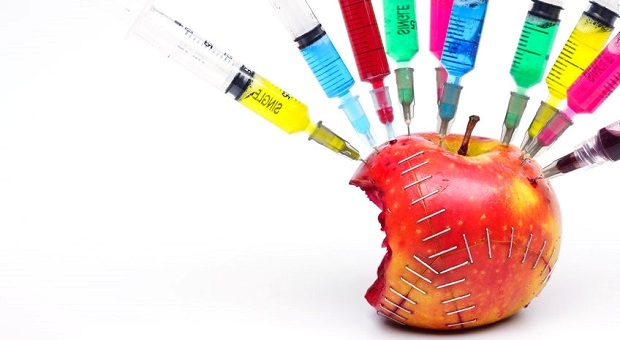
Chemical poisoning can also occur through the consumption of contaminated food. Pesticides and herbicides used in agriculture may remain on fruits, vegetables, and grains if washing and processing are inadequate. Preservatives, artificial additives, and chemicals leaching from packaging materials can further increase exposure.
Certain foods, particularly fish and seafood, may accumulate heavy metals such as mercury from polluted water sources. Over time, regular consumption of contaminated food can lead to chronic poisoning, affecting the nervous system, kidneys, liver, and reproductive organs.
Because food-related chemical exposure often produces subtle symptoms, it may go unnoticed for long periods. Memory problems, digestive disturbances, immune system weakness, and hormonal imbalance may develop slowly, making it difficult to identify the true cause.
Environmental Chemical Contamination
Environmental pollution is a major contributor to chemical poisoning on a population level. Industrial waste, vehicle emissions, agricultural runoff, and illegal dumping introduce toxic substances into air, soil, and water systems. These contaminants enter the human body through drinking water, food chains, and inhalation of polluted air.
Communities located near factories, landfills, mining areas, or high-traffic roads face higher levels of chemical exposure. Some toxic compounds persist in the environment for decades and accumulate in living organisms, increasing their harmful effects over time. Environmental contamination often affects entire populations rather than isolated individuals, making prevention and regulation critical.

Causes and Symptoms of Chemical Poisoning
Acute Chemical Poisoning
Acute chemical poisoning happens suddenly, usually after a single exposure or a short period of contact with a toxic substance. In many cases, it is unexpected and requires immediate medical attention. The causes of acute poisoning vary, but they often share one thing in common: rapid exposure to a chemical in a quantity the body cannot safely handle.
The most common causes of acute chemical poisoning include:
-
Accidental ingestion of household products. This is especially common among children under the age of five, who may mistake colorful liquids or tablets for food or drinks.
-
Medication errors or dosage mix-ups. These incidents are more frequent among older adults and may occur due to confusion between medications, incorrect dosing, or similar-looking pills. In some situations, errors may also occur in medical settings.
-
Intentional poisoning related to self-harm or suicide attempts.
-
Excessive use or overdose of alcohol, prescription drugs, or illicit substances, either alone or in combination.
The signs and symptoms of acute chemical poisoning can appear quickly or develop over several hours, depending on the substance involved and the route of exposure. Common warning signs include:
-
Difficulty breathing or shortness of breath, which may indicate airway irritation or respiratory system involvement
-
Noticeable changes in skin color, such as paleness, bluish tones, or unusual flushing
-
Headaches, dizziness, or blurred vision caused by reduced oxygen delivery or nervous system effects
-
Irritation of the eyes, skin, or throat, often accompanied by burning or stinging sensations
-
Excessive sweating or clammy skin
-
Sudden dizziness, confusion, or lightheadedness
-
Unusual odors on the breath, such as a bitter almond smell associated with cyanide exposure or a garlic-like odor linked to arsenic poisoning
-
Nausea, vomiting, abdominal cramps, or diarrhea
-
Uncharacteristic or erratic behavior, agitation, or confusion
-
Difficulty walking, poor balance, or trouble standing upright
Because symptoms can mimic other illnesses such as food poisoning or viral infections, acute chemical poisoning is sometimes misdiagnosed, which can delay critical treatment.
Chronic Chemical Poisoning
Chronic chemical poisoning develops slowly over time as a result of repeated or continuous exposure to low levels of toxic substances. Unlike acute poisoning, symptoms may be subtle at first and worsen gradually, making diagnosis more challenging.
People can accumulate harmful levels of chemicals in their bodies through several common routes of exposure, including:
-
Inhalation of toxic gases, fumes, or airborne particles in indoor or outdoor environments
-
Consumption of contaminated food, drinking water, or medications over extended periods
-
Direct contact with toxic or corrosive chemicals through the skin or eyes, including exposure from contaminated clothing
-
Exposure during pregnancy, particularly during the first trimester, when developing organs are most vulnerable to chemical damage
Chronic exposure to toxic chemicals can have especially severe consequences for fetuses and young children. Developing bodies are more sensitive to chemical interference, and long-term exposure has been linked to a wide range of serious conditions, including:
-
Miscarriages and spontaneous pregnancy loss
-
Low birth weight and impaired fetal growth
-
Premature birth and associated complications
-
Stillbirths
-
Structural birth defects affecting major organs
-
Sudden infant death syndrome (SIDS)
-
Delays in physical, cognitive, or emotional development
-
Poor motor coordination and muscle control
-
Attention-deficit hyperactivity disorder (ADHD)
-
Increased aggression or behavioral disorders
-
Learning disabilities and academic difficulties
-
Speech and language impairments
-
Autism spectrum disorders
-
Sensory processing deficits
-
Allergies and chemical sensitivities that persist into adulthood
-
Respiratory conditions such as asthma, hay fever, and chronic sinus problems
-
Increased risk of childhood and adult cancers
-
Long-term impairment of vital organs and body systems
-
Weakened immune function and increased susceptibility to infections
In adults, cumulative exposure to toxic chemicals may result in a broad range of chronic health problems. These conditions often develop gradually and may be mistakenly attributed to aging or lifestyle factors. Common long-term effects include:
-
Persistent fatigue and low energy levels
-
Frequent headaches or migraines
-
Chronic skin rashes or unexplained irritation
-
Muscle aches, joint pain, and generalized discomfort
-
Ongoing weakness or reduced physical stamina
-
Worsening asthma or other breathing disorders
-
Recurrent infections due to compromised immunity
-
Mood changes, including depression, irritability, or anxiety
-
Liver diseases such as jaundice, hepatitis, or cirrhosis
-
Chronic lung conditions
-
Cardiovascular diseases
-
Increased cancer risk
-
Reduced life expectancy
-
Sick building syndrome, linked to prolonged indoor chemical exposure
-
Gulf War syndrome and similar multisystem conditions associated with toxic exposure
Chronic chemical poisoning often goes unrecognized for years, making awareness, prevention, and early detection critical for long-term health.

Diagnosis
Acute poisoning
In cases of acute chemical poisoning, identifying the toxic substance is often possible early on, especially when the exposure is witnessed or when the container of the chemical is available. Parents, caregivers, or the affected individual may already know what was ingested, inhaled, or absorbed through the skin. The physician’s role at this stage is to quickly assess the level of danger and determine whether immediate intervention is required.
Medical evaluation focuses on several critical factors, including the type of chemical involved, the quantity of exposure, the route by which the toxin entered the body, and the time elapsed since contact. Doctors also closely examine the patient’s current symptoms, vital signs, and overall stability. Even when symptoms appear mild at first, careful observation is necessary because many toxins cause delayed or progressive damage.
Chronic poisoning
Chronic chemical poisoning presents a much greater diagnostic challenge. Unlike acute exposure, long-term poisoning often develops slowly and without clear warning signs. Symptoms may be vague, fluctuate over time, or resemble other medical conditions, which makes diagnosis more complex.
To evaluate possible chronic exposure, physicians conduct a comprehensive physical examination and gather a detailed medical history. This includes questions about the patient’s occupation, living environment, water supply, dietary habits, and potential sources of environmental contamination. Laboratory testing plays an essential role and may include blood and urine analysis, hair or nail samples, and tests measuring liver and kidney function. Physicians also assess whether the patient has developed new or unexplained medical conditions that could be linked to prolonged toxic exposure.
Treatment
Alternative therapies are not appropriate for acute chemical poisoning, where immediate medical care is essential. In emergency situations—particularly those involving children—parents and caregivers are advised to contact emergency services or the Poison Control hotline immediately at 1-800-222-1222, which operates 24 hours a day.
For chronic chemical exposure, however, treatment strategies may differ. Management typically begins with identifying and eliminating the source of exposure to prevent further harm. Treatment plans vary depending on the chemical involved and the extent of damage already done. Supportive care often includes dietary changes, nutritional supplementation, and medically supervised detoxification approaches. Because the liver is responsible for processing most toxins, many treatment plans focus on supporting liver function and reducing toxic load over time.
Detoxification diet
Some practitioners recommend a detoxification diet for individuals suspected of chronic chemical poisoning. This approach is generally intended for long-term exposure and should be avoided by pregnant women, young children, and individuals who are frail or medically vulnerable. When appropriate, the diet is usually followed for several months and emphasizes reducing the body’s toxic burden while supporting natural elimination pathways.
Key elements of a detoxification diet include:
-
Low fat intake to encourage fat mobilization, allowing stored toxins to be released and processed. Limited amounts of olive oil and vegetable oils are typically permitted.
-
Reduced consumption of sugar and highly processed foods, along with avoidance of alcohol, caffeine, and tobacco, all of which can interfere with detoxification.
-
Increased fiber intake to help bind toxins in the digestive tract and promote elimination through the intestines.
-
Limited red meat consumption, with protein sources shifted toward legumes, tofu, and fish sourced from clean, uncontaminated waters.
-
Strong emphasis on organic fruits and vegetables known for their detoxifying properties, including apples, pears, papayas, leafy greens, carrots, beets, and garlic. Antioxidant-rich foods such as broccoli, kale, tomatoes, citrus fruits, whole grains, and green tea are also encouraged.
-
Increased water intake, typically at least eight glasses per day, to support kidney function and waste removal.
-
Use of high-quality multivitamin and mineral supplements to correct deficiencies and support metabolic processes.
Exercise
Regular physical activity plays a supportive role in detoxification by stimulating circulation and promoting perspiration. Sweating allows certain toxins to be excreted through the skin, complementing liver and kidney function. Moderate exercise, such as daily walking for 30 minutes, is generally safe and beneficial for most individuals when performed consistently.
Herbal therapy
Herbal remedies are sometimes used to support detoxification, particularly liver function. Milk thistle (Silybum marianum) is among the most commonly recommended herbs due to its antioxidant properties. It helps protect liver cells and increases levels of glutathione, a critical compound involved in neutralizing and eliminating toxins such as solvents, pesticides, and heavy metals.
Traditional Chinese medicine
In Traditional Chinese Medicine, treatment is tailored to the individual’s condition and pattern of imbalance. An experienced practitioner may prescribe herbal formulas designed to strengthen liver function, improve circulation, and support the body’s natural detoxification pathways. These treatments are selected based on the patient’s symptoms, exposure history, and overall health status.
Homeopathy
Homeopathic treatment is individualized and based on the specific nature of the exposure and the patient’s response to it. Consultation with a trained homeopathic physician is required to determine appropriate remedies, as treatment depends heavily on symptom patterns and underlying causes rather than the chemical itself.
Fasting
Fasting is one of the oldest methods used to support detoxification and metabolic reset. Short-term fasting, when medically appropriate, may help reduce toxic load and give the digestive system time to rest. During limited fasting periods, patients may consume juices and supplements to prevent nutrient depletion and fatigue. Antioxidant supplements such as vitamins C and E, selenium, zinc, and magnesium are often recommended. In some cases, easily digestible food fasts may be used instead of complete fasting.

Allopathic treatment
Acute poisoning
In cases of acute poisoning, immediate medical intervention is critical. Emergency services, local poison control centers, or the national hotline should be contacted without delay. Treatment depends on the type of chemical involved and how it entered the body. Medical professionals may use oxygen therapy, activated charcoal, gastric lavage, or specific antidotes based on the exposure.
Inhaled poisons
Treatment involves removing the patient from the contaminated environment and providing oxygen or respiratory support as needed.
Skin and eye contamination
Contaminated clothing should be removed immediately. The affected skin should be flushed with running water, and any burns should be treated promptly. Eye exposure requires immediate rinsing with clean water or saline solution, followed by medical evaluation.
Ingested poisons
Depending on the substance, treatment may involve syrup of ipecac, activated charcoal, or gastric lavage. Activated charcoal works by binding toxins in the digestive tract, preventing absorption into the bloodstream. However, it is not appropriate for all poisons and must be used under medical guidance.
Antidotes may be administered when available, including:
-
Naloxone for opioid overdose
-
Atropine for organophosphate poisoning
-
Acetylcysteine for acetaminophen toxicity
-
Digoxin immune fab for digoxin overdose
Chronic chemical poisoning
Treatment of chronic poisoning focuses on eliminating ongoing exposure and managing long-term health effects. Chelation therapy may be used to remove heavy metals such as lead, mercury, arsenic, and cadmium. Chelating agents bind these metals and facilitate their removal through the kidneys. This treatment is carefully monitored due to potential side effects.
Expected results
Recovery outcomes depend on the severity of exposure, the speed of diagnosis, and the effectiveness of treatment. Acute poisoning may result in full recovery if treated promptly, but delayed intervention can be fatal. For chronic exposure, recovery varies widely and depends on avoiding further exposure and supporting affected organs. Many patients experience significant improvement with proper care.
Prevention
Preventing chemical poisoning involves reducing exposure wherever possible. Effective preventive measures include:
-
Avoiding contaminated fish and limiting consumption of large predatory fish high in mercury, especially during pregnancy.
-
Avoiding home remodeling during pregnancy or early childhood due to exposure to lead and cadmium.
-
Reducing indoor chemical use and choosing natural cleaning alternatives such as baking soda, vinegar, lemon juice, and essential oils.
-
Improving household ventilation.
-
Choosing tile or wood flooring instead of new carpeting when possible.
-
Testing homes for radon.
-
Washing fruits and vegetables thoroughly or choosing organic options.
-
Storing medications and chemicals securely and out of children’s reach.
-
Never mixing cleaning products.
-
Keeping chemicals in original, labeled containers.
-
Using protective equipment and proper ventilation when handling chemicals.
-
Properly disposing of hazardous materials according to manufacturer guidelines.