


Poisoning occurs when a substance interferes with the normal functioning of the human body after entering it through swallowing, inhalation, injection, or absorption through the skin. These substances may be natural or manufactured, mild or extremely toxic, but the result is the same: disruption of vital biological processes. The medical field dedicated to identifying poisons, understanding their effects, and managing exposure is known as toxicology .
Poisoning incidents are far more common than many people realize. In the United States alone, millions of poisoning cases are reported each year. A large proportion of these cases involve young children, particularly those under the age of five. At this stage of development, curiosity dominates behavior. Children explore their surroundings by touching, tasting, and imitating adults, often without understanding danger. Inability to read warning labels, brightly colored containers, and inadequate supervision all contribute to childhood poisoning incidents. Tragically, a number of these cases result in death every year.
Elderly individuals represent the second most vulnerable group. Factors such as memory loss, confusion, reduced vision, and the frequent use of multiple medications increase the likelihood of accidental poisoning. In addition to accidental exposure, a significant number of poisoning cases are associated with intentional self-harm or drug overdose, making poisoning a complex medical and social issue.
Definition of Poisoning
Poisoning occurs when a toxic substance enters the body in a quantity sufficient to cause harm. The substance may be chemical, biological, or pharmaceutical, and the severity of poisoning depends on factors such as the dose, route of exposure, duration of contact, and the individual’s age, weight, and general health. Even substances considered safe in small amounts can become dangerous when exposure exceeds safe limits.
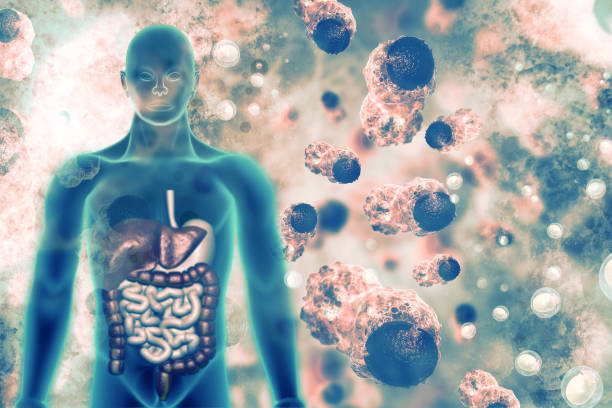
Entry Points of Toxic Material Into the Body
Toxic substances can enter the body through several routes, each with its own risks and patterns of injury.
Swallowing
This is the most common route of poisoning, particularly among children. Toxic materials enter through the mouth and pass into the digestive system. Household cleaners, medications, pesticides, and contaminated food are frequent causes.
Inhalation
Poisonous gases, fumes, vapors, and aerosols enter through the respiratory system. Because the lungs transfer substances rapidly into the bloodstream, inhalation poisoning can lead to fast and severe systemic effects. Examples include carbon monoxide, industrial gases, and chemical vapors.
Injection
Toxins may enter the body through insect bites, stings, skin punctures, or medical injections. This includes subcutaneous, intramuscular, and intravenous exposure, which can cause rapid onset of symptoms.
Skin Absorption
Certain chemicals are absorbed directly through the skin. Lotions, industrial chemicals, pesticides, and solvents can penetrate the skin barrier, especially when exposure is prolonged or the skin is damaged.
Classification of Poisoning According to Cause
Poisoning can be broadly categorized based on its origin.
Poisoning by Medications
This includes accidental overdose, incorrect dosing, drug interactions, or intentional misuse of prescription or over-the-counter medications.
Chemical Poisoning
Exposure to household cleaners, industrial chemicals, pesticides, solvents, gases, and other chemical agents falls under this category. These substances may cause local tissue damage, systemic toxicity, or both.
Food Poisoning
Food poisoning results from consuming contaminated food or beverages. Bacteria, toxins, parasites, and spoiled food products are common causes.
Symptoms of Poisoning
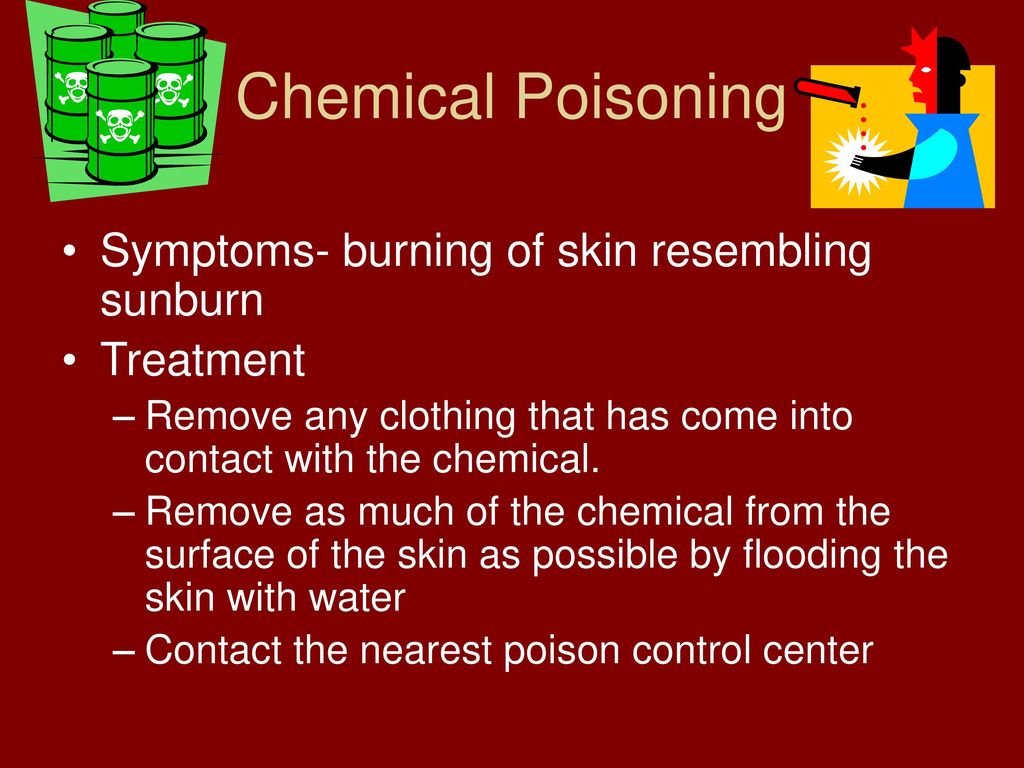
The symptoms of poisoning vary widely depending on the substance involved, the amount, and the route of exposure. Diagnosis is not based on symptoms alone but on a combination of observed signs, environmental clues, and medical testing.
Circumstances of the Incident and Site Examination
Poisoning is strongly suspected when multiple individuals who shared the same food or drink develop similar acute symptoms within a short time frame. Environmental clues play a critical role in early identification. These include the presence of unusual odors, spilled liquids, open chemical containers, empty medicine bottles, scattered pills, or chemical residues in the surrounding area.
Observing the location where the incident occurred often provides vital information that guides immediate first aid and medical response.
Clinical Signs and Symptoms
Poisoning affects multiple body systems, and symptoms often appear in combination rather than isolation.
Gastrointestinal Symptoms
These include nausea, vomiting, abdominal pain, and diarrhea. Certain poisons produce distinctive odors in vomit, such as a bitter almond smell in cyanide poisoning or a garlic-like odor in inorganic phosphorus exposure.
Respiratory Symptoms
Coughing, bluish discoloration of the skin (cyanosis), and breathing difficulty are common in cases involving toxic gases or fumes. Normal adult breathing occurs approximately 16 times per minute; deviations may indicate respiratory distress.
Brain and Nervous System Symptoms
Toxic substances may affect the central nervous system, leading to loss of consciousness, seizures, confusion, agitation, or altered mental state.
Corrosive Poisoning
Exposure to strong acids, alkalis, or cleaning agents can cause severe pain in the mouth, throat, chest, and digestive tract due to chemical burns and tissue damage.
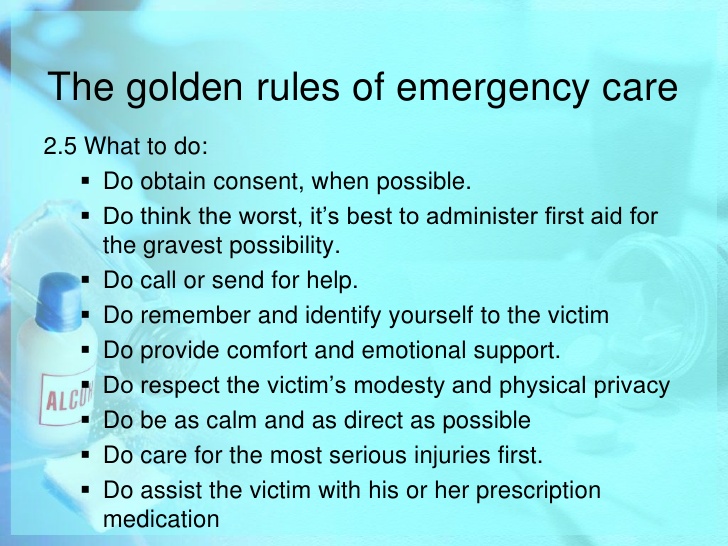
Poisoning First Aid General Rules
Providing immediate first aid in cases of poisoning is aimed at reducing the harmful effects of the toxic substance as quickly as possible while ensuring the victim’s vital functions remain stable until professional medical help is available. Early action can significantly reduce complications, limit tissue damage, and in some cases save the victim’s life .
The priority in all poisoning cases is to maintain breathing, circulation, and consciousness while preventing further absorption of the toxic material. First aid measures should never replace medical treatment; instead, they serve as an urgent bridge until specialized care is reached.
Guidelines for Correct First Aid Response
To provide first aid effectively and safely, several critical steps must be followed carefully.
The first responsibility is ensuring safety. The rescuer must make sure that no additional risk exists for themselves or the victim. Exposure to toxic fumes, spilled chemicals, or contaminated surfaces can turn one casualty into two.
If conditions allow, the source of poisoning should be identified. This includes recognizing the substance involved, locating containers, bottles, packaging, or remnants, and preserving them for medical evaluation. Knowing what substance caused the poisoning helps medical professionals choose the correct treatment.
It is also important to determine how much of the substance was taken, how it entered the body, and how much time has passed since exposure. The victim’s age, weight, and general health condition influence how the body reacts to toxins and how severe symptoms may become.
Whether the poisoning was accidental or intentional should be noted, as this affects both medical management and follow-up care. Observing the severity and progression of symptoms—whether mild, moderate, or severe—provides valuable information for emergency responders.
If vomiting occurs, the vomited material should be preserved whenever possible, as it may help identify the toxin. Immediate contact with poison control centers or emergency medical services is essential for professional guidance.
Transporting the victim to the nearest hospital should never be delayed. The toxic substance and its container should always accompany the victim to assist healthcare providers in diagnosis and treatment.
If the victim is unconscious, breathing must be checked immediately. Cardiopulmonary resuscitation should be initiated if breathing or circulation stops.
Most Common Causes of Poisoning
Poisoning incidents often occur due to preventable circumstances. One frequent cause is transferring toxic substances from their original containers into unmarked bottles, especially household cleaners and bleaches. This practice removes safety labels and increases the risk of accidental ingestion.
Negligence, particularly leaving hazardous substances within reach of children, remains a leading cause of poisoning. Improper storage of chemicals, medications, and cleaning agents also contributes significantly.
Inhalation or swallowing of toxic substances, lack of supervision, and intentional self-harm are additional major factors responsible for poisoning cases worldwide.

Poisonous Contamination of Skin and Eyes
Chemical exposure does not always involve swallowing or inhalation. Direct contact with toxic substances can severely damage the skin and eyes. Immediate removal of the chemical and rapid decontamination are critical to limit tissue injury.
First Aid in Chemical and Household Cleaners Poisoning
When poisoning occurs due to chemical agents or household cleaners, immediate assessment of breathing and circulation is essential. If breathing is impaired or absent, cardiopulmonary resuscitation must be initiated without delay.
Cold milk and egg white may be given in some cases to dilute the chemical effect in the digestive tract, provided the victim is conscious and able to swallow safely. Strong pain relief medication may be required under medical guidance.
The victim should never be forced to vomit, as this may worsen internal injuries, especially with corrosive substances. Gastric lavage should not be performed outside medical facilities.
Acids such as vinegar or lemon juice should not be administered in cases of acid poisoning, as this can cause further chemical reactions and tissue damage. Immediate transportation to a hospital is mandatory in all chemical poisoning cases.
Disinfectants and Sterilants
Disinfectants and sterilants such as phenol, dettol, and formalin are widely used in households and healthcare environments. Excessive exposure through touching, inhalation, or ingestion can result in poisoning. Proper ventilation during and after use is critical to reduce inhalation risks.
First Aid for Swallowing Disinfectants and Sterilants
In cases of skin contamination, the affected area should be washed thoroughly with large amounts of water. After initial washing, dilution with a mild solution such as ten percent alcohol may be used, and oils like olive or castor oil can help reduce irritation.
If disinfectants are swallowed and the victim is conscious, ipecac may be administered to induce vomiting under appropriate guidance. Unconscious victims should never be given anything by mouth.
Immediate hospital care is required in all such cases due to the risk of internal burns and systemic toxicity.
Inhalation Poisoning
Inhalation poisoning occurs when toxic fumes or gases are breathed in and rapidly absorbed into the bloodstream. These cases are particularly dangerous because symptoms can escalate quickly.
The victim must be removed immediately from the contaminated environment and taken to fresh air. Tight clothing should be loosened, and neckties or restrictive garments removed to ease breathing.
If breathing difficulty persists or respiratory failure occurs, rescue breathing should be administered after ensuring the airway is clear. The head should be tilted back to open the airway, the nose gently closed, and air blown into the victim’s mouth while observing chest movement.
The victim should be kept warm if signs of cold or shivering appear. Conscious victims should be reassured and kept calm to reduce oxygen demand. Hospital treatment must follow without delay.
Skin Poisoning
Skin exposure to toxic or corrosive substances can result in severe local injury and, in some cases, systemic poisoning if the chemical is absorbed into the bloodstream. Caustic materials such as strong acids, alkalis, pesticides, and industrial solvents can rapidly damage skin tissue, making immediate action essential.
The first step in managing skin poisoning is to remove the source of contamination. Any clothing, jewelry, or accessories that may hold the chemical against the skin must be removed carefully to prevent further exposure. The affected area should then be washed continuously with running water for an extended period to flush away as much of the toxic substance as possible.
After thorough rinsing, gentle washing with water and mild soap may be used to help remove remaining residues. No creams, ointments, powders, or chemical neutralizers should be applied unless directed by medical professionals, as these may worsen the injury or interfere with proper treatment. Medical evaluation is required even if the skin appears only mildly affected, since deeper tissue damage may not be immediately visible.
Eye Poisoning
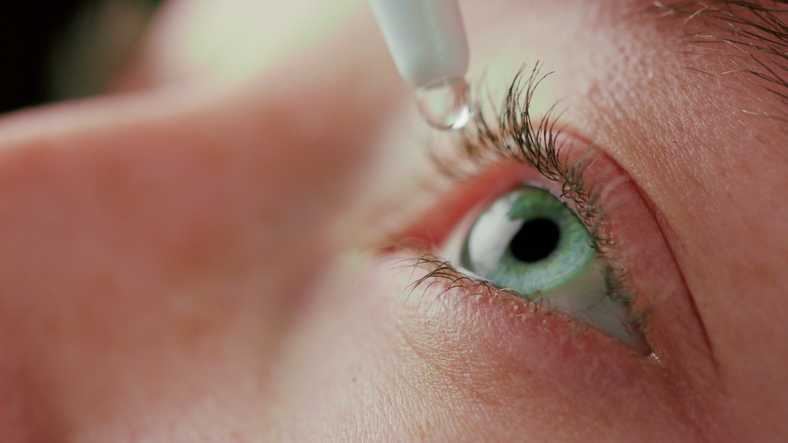
Eye exposure to chemicals is a medical emergency due to the sensitivity of eye tissues and the risk of permanent vision damage. Toxic substances, vapors, or splashes can cause severe irritation, burns, or loss of sight if not treated promptly.
First aid for eye poisoning begins with immediate irrigation. The eyelids should be gently opened, and the eye rinsed with clean, running water at low pressure for at least ten minutes. Continuous flushing helps dilute and remove the chemical from the eye surface and surrounding tissues.
Eye drops, ointments, or home remedies must not be used unless prescribed by a healthcare professional. After flushing, the victim should be transported to a hospital or emergency facility without delay for further evaluation and specialized treatment.
Soap, Industrial Cleaners, and Shampoos
Most household soaps are considered relatively low in toxicity because alkaline substances are neutralized during manufacturing. Soap solutions are sometimes used to induce vomiting when ipecac is unavailable, provided the victim is conscious and medically advised. However, this should never replace professional medical guidance.
Industrial cleaners present a greater risk. Products such as laundry detergents and cleaning powders often contain a mixture of organic and inorganic substances, fabric softeners, and enzymes designed to enhance cleaning effectiveness. While these products are generally less toxic than highly alkaline substances, ingestion or excessive exposure can still cause irritation and systemic effects.
Highly alkaline cleaners, including drain openers and heavy-duty industrial products, may reach extremely high pH levels. These substances can cause severe burns to the mouth, throat, and digestive tract. Bleaching agents such as sodium hypochlorite, commonly found in household bleach, can produce dangerous chemical reactions when mixed with acids. Inside the stomach, sodium hypochlorite can form hypochlorous acid, which damages mucous membranes.
Neutralizing sodium hypochlorite with strong acids is not recommended, as this can generate chlorine or chloramine gas. Both gases irritate the respiratory tract and may lead to suffocation if inhaled.
Shampoos are generally less toxic but can still irritate mucous membranes if swallowed. Some formulations contain anti-dandruff agents such as selenium compounds, which may cause toxic effects when ingested in significant amounts or used excessively.
Certain disinfectants, deodorants, and antibacterial products contain quaternary ammonium compounds. These substances are highly alkaline and toxic, posing risks through skin contact, inhalation, or ingestion. Careful handling, proper storage, and adequate ventilation are essential to prevent accidental poisoning.