
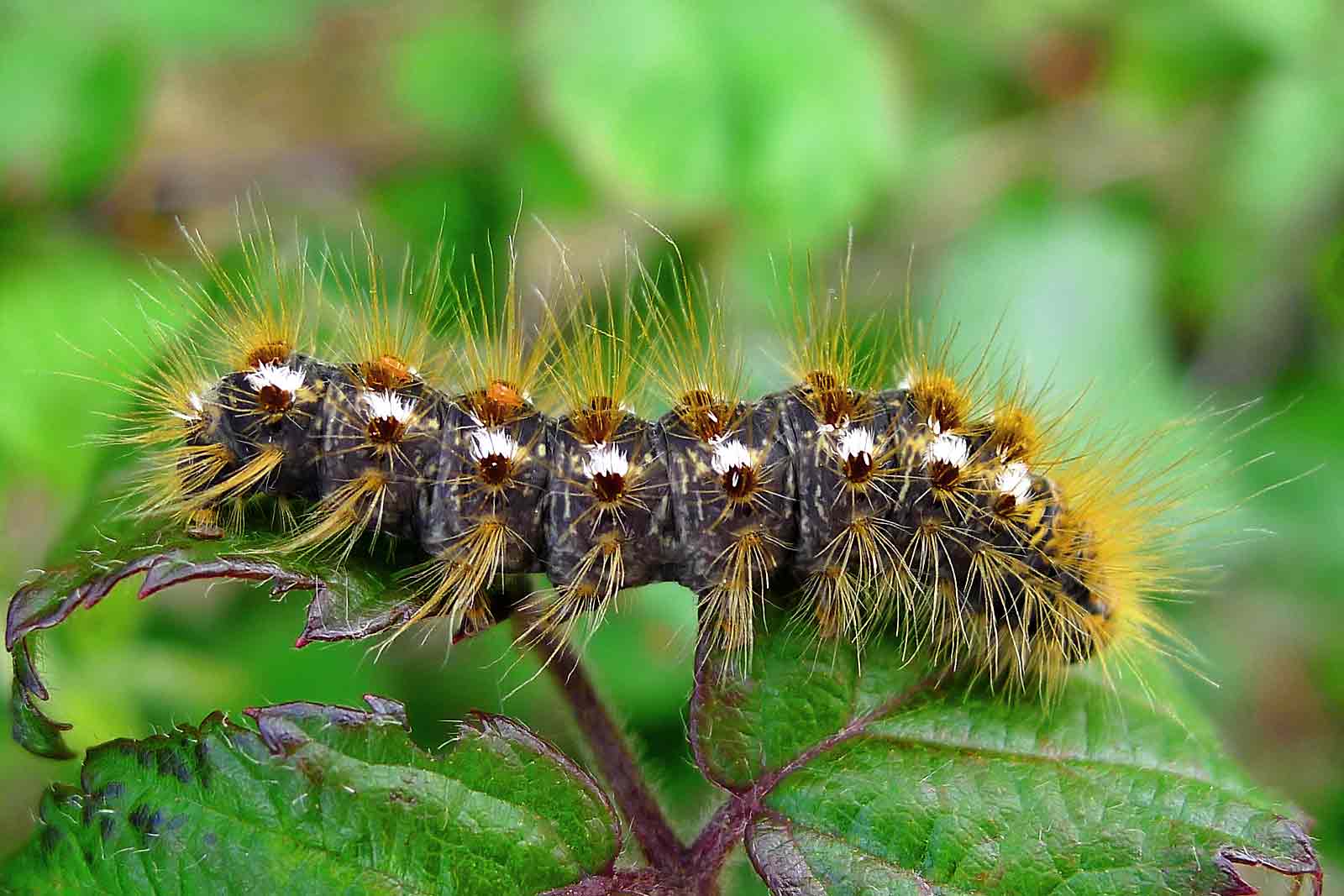

Warm summer weather brings people outdoors in search of fresh air, barbecues, hiking trails, and long evenings outside. Unfortunately, it also brings out insects in massive numbers. While most bugs are harmless or merely annoying, some pose genuine risks to humans and animals. These risks range from painful stings and venomous bites to the transmission of serious diseases that can lead to long-term health problems or, in rare cases, death.
When people imagine truly dangerous insects, their minds often jump to distant places—tropical jungles, deserts in Africa, or rainforests in South America. Creatures like the tsetse fly or wandering spider feel like threats confined to faraway lands. Compared to those regions, the United States is often viewed as relatively safe. But that sense of security is misleading. Many dangerous bugs live much closer than people realize, sometimes right in backyards, basements, parks, and forests across the country.
America is home to a surprising number of insects and arachnids capable of inflicting serious harm. Some deliver venom powerful enough to disrupt the nervous system. Others carry bacteria, parasites, or viruses that spread through bites or stings. A few don’t harm humans directly but cause widespread environmental or economic damage that indirectly affects human health and safety. Together, they form a hidden but very real danger woven into everyday life.
What follows is a detailed look at some of the most dangerous bugs found in the United States. Each entry explains what makes the species hazardous, where it’s commonly found, and how it can affect humans. While encounters are often rare, awareness is the first step in staying safe.
Top 50 Dangerous Bugs in America
1 – Black Widow Spiders

The black widow spider is small enough to be overlooked, yet it carries one of the most potent venoms of any spider in North America. Despite its modest size—often no larger than a paper clip—the venom delivered through its bite is estimated to be far more powerful than that of a rattlesnake when compared drop for drop.
Black widows are typically shiny black with a distinctive red hourglass marking on the underside of the abdomen. They prefer dark, undisturbed areas such as woodpiles, garages, sheds, crawl spaces, and outdoor furniture. Bites usually occur when the spider is accidentally disturbed rather than through aggression.
While fatalities are extremely rare, a bite can trigger severe symptoms. Victims may experience intense muscle pain, abdominal cramps, nausea, sweating, and difficulty breathing. Symptoms can last for days and often require medical treatment to manage pain and muscle spasms. Children, elderly individuals, and people with weakened immune systems are especially vulnerable.
2 – Red Widow Spiders
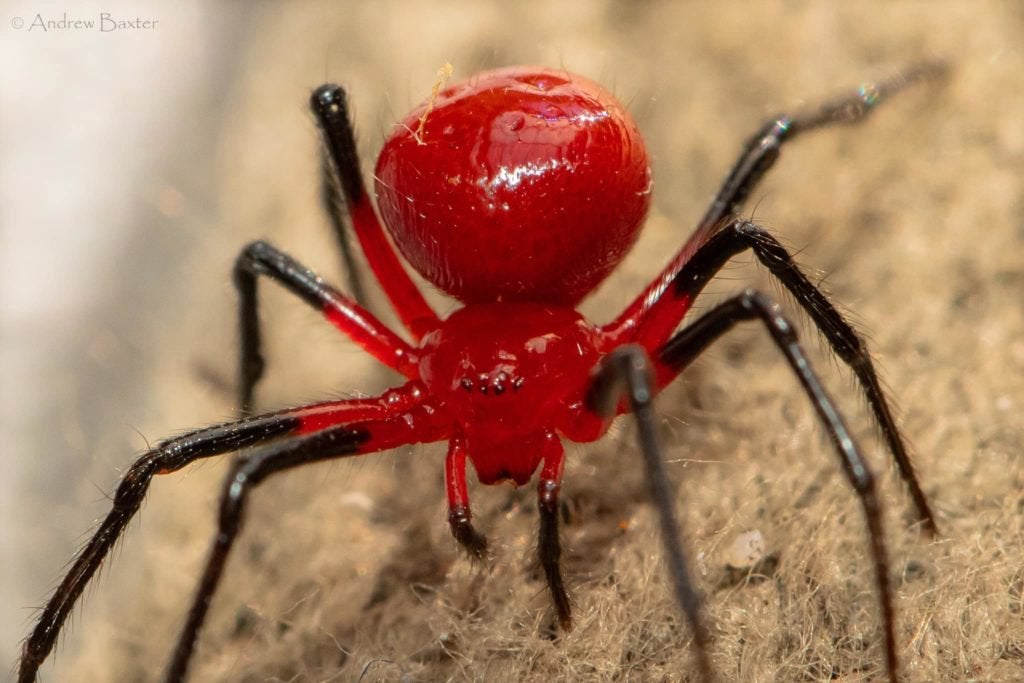
The red widow spider is far less widespread than its black widow relative, but its venom can be just as concerning. This species is primarily found in specific regions of Florida, where it lives in scrub habitats and sandy areas with low vegetation.
Red widows are easily distinguished by their reddish-orange markings and pale legs. Their venom acts as a neurotoxin, meaning it interferes with nerve signaling in the body. A bite may cause intense localized pain, muscle spasms, sweating, and neurological symptoms that can persist for an extended period.
Although bites are uncommon due to the spider’s limited range and reclusive nature, medical attention is strongly advised if a bite is suspected. The potential for long-term muscle issues makes this species one of the more dangerous spiders found in the United States.
3 – Africanized Honey Bees

Africanized honey bees, often referred to as “killer bees,” are among the most feared insects in North America due to their aggressive behavior. These bees originated from a failed cross-breeding experiment in the 1950s aimed at increasing honey production. When African honey bees escaped and bred with European honey bees, the result was a hybrid far more defensive than either parent species.
Over time, these bees migrated northward, reaching the southern United States and eventually being documented as far west as California. What makes Africanized honey bees particularly dangerous is not the potency of their venom, but their behavior. They respond to perceived threats much faster than European honey bees and attack in far greater numbers.
A single sting may not be life-threatening, but hundreds of stings delivered in a coordinated attack can overwhelm the body, leading to toxic venom buildup, respiratory distress, and even death. They are known to pursue perceived threats over long distances, making escape difficult once an attack begins.
4 – Arizona Bark Scorpions

The Arizona bark scorpion is the most venomous scorpion species in the United States. Found primarily in the Sonoran Desert regions of Arizona and parts of California, this scorpion is small, pale-colored, and adept at climbing walls and hiding in homes.
Its sting delivers a potent neurotoxin that can cause intense pain, numbness, muscle twitching, breathing difficulties, and convulsions. Children are especially vulnerable, as their smaller body size increases the venom’s impact.
Most healthy adults recover with medical treatment, but severe reactions may require antivenom and hospitalization. The bark scorpion’s ability to enter homes makes it particularly dangerous compared to species that remain strictly outdoors.
5 – Brown Recluse Spiders
The brown recluse spider is infamous for its necrotic venom, which can destroy skin tissue around the bite site. These spiders are typically light brown and marked with a violin-shaped pattern on their backs. They favor quiet, undisturbed spaces such as closets, attics, basements, and storage boxes.
Bites often go unnoticed at first, but symptoms can worsen over hours or days. Tissue damage may lead to open sores, scarring, and in rare cases, systemic reactions affecting the kidneys or nervous system. Though fatalities are rare, untreated bites can result in serious complications.
6 – Fire Ants
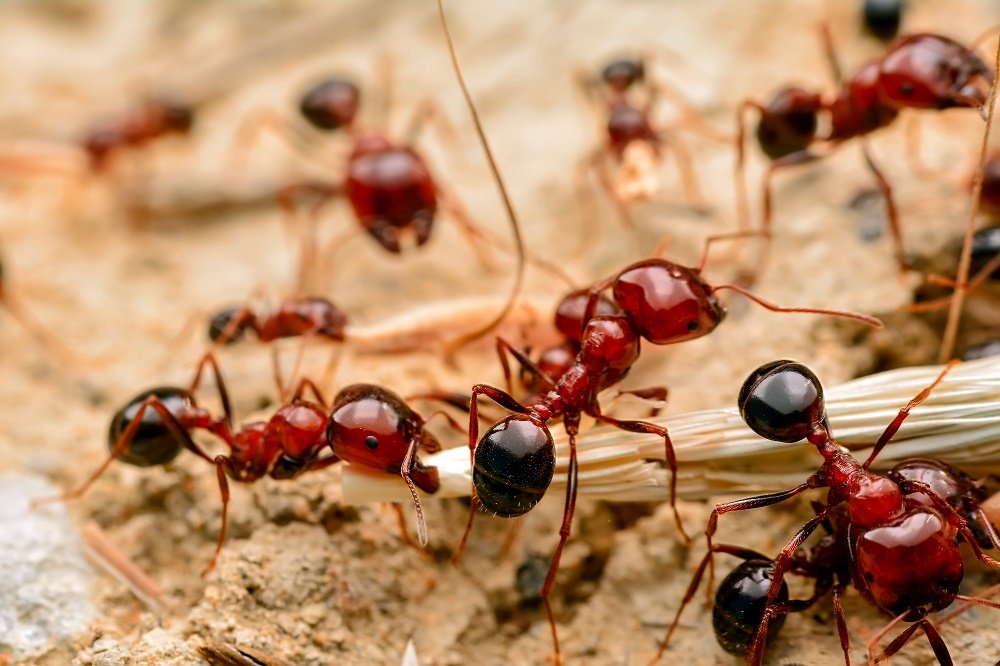
Fire ants are aggressive insects commonly found in the southern United States. They build large mound nests and respond to disturbances with coordinated attacks. When they sting, they inject venom that causes intense burning pain, followed by the formation of white pustules.
Multiple stings can trigger allergic reactions, including anaphylaxis, which can be life-threatening without immediate treatment. Fire ants also pose risks to livestock, pets, and wildlife, making them a widespread ecological and human concern.
7 – Mosquitoes
Mosquitoes may seem like a nuisance rather than a danger, but they are among the deadliest creatures on Earth when disease transmission is considered. In the United States, mosquitoes can spread illnesses such as West Nile virus, Zika virus, dengue fever, and Eastern equine encephalitis.
Their bites allow pathogens to enter the bloodstream, sometimes causing severe neurological symptoms or long-term health issues. Standing water, warm temperatures, and urban environments contribute to their proliferation, making them difficult to control completely.
8 – Kissing Bugs

Kissing bugs are blood-feeding insects primarily known for transmitting Chagas disease. They tend to bite around the mouth and eyes while people sleep, earning their unsettling name. The disease is transmitted not through the bite itself, but through infected feces entering the body through the wound or mucous membranes.
Chagas disease can cause heart and digestive complications years after infection, making early detection difficult. These insects are most commonly found in southern states but have been reported farther north as well.
9 – Deer Ticks

Deer ticks, also known as black-legged ticks, are small but dangerous parasites responsible for spreading Lyme disease and other infections. They attach to hosts for extended periods, allowing pathogens ample time to enter the bloodstream.
Early symptoms may include fever, fatigue, and a distinctive bull’s-eye rash, but untreated infections can lead to joint pain, neurological problems, and heart issues. Their tiny size makes them easy to miss, increasing the risk of prolonged attachment.
10 – Horse Flies
Horse flies are large, fast-moving insects with painful bites caused by scissor-like mouthparts that slice through skin. Unlike mosquitoes, they feed on blood by cutting rather than piercing, which makes their bites particularly painful.
Beyond discomfort, horse flies can transmit diseases to livestock and occasionally to humans. Open wounds created by their bites are also prone to infection, especially in outdoor environments.
11 – Yellow Jackets
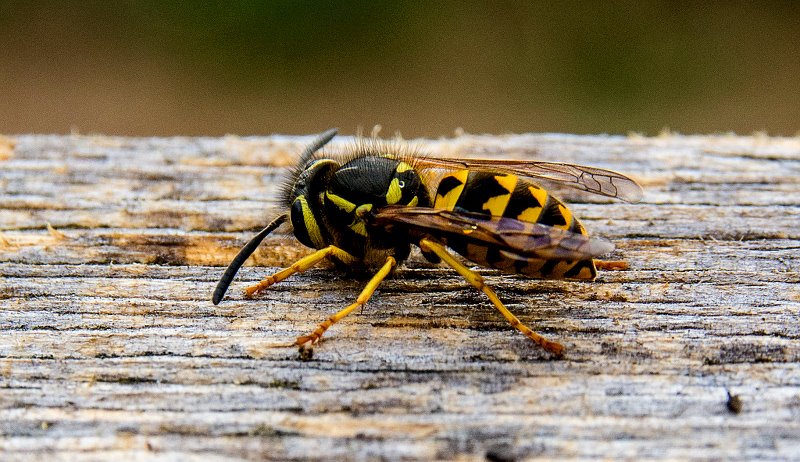
Yellow jackets are among the most aggressive stinging insects found in the United States. They are social wasps that live in colonies, often constructing nests underground, inside wall cavities, or hidden in thick vegetation. Because their nests are frequently concealed, people often disturb them unknowingly while mowing lawns, gardening, or hiking.
Unlike bees, yellow jackets can sting repeatedly. Their venom causes immediate pain, burning sensations, swelling, and redness at the sting site. What makes them particularly dangerous is their tendency to attack in large numbers once a nest is threatened. Multiple stings can overwhelm the body and, in some cases, lead to systemic toxicity.
For individuals with venom allergies, even a single sting may trigger anaphylaxis, which can involve difficulty breathing, rapid heartbeat, swelling of the throat, and loss of consciousness. Prompt medical attention is critical in such cases.
12 – Bald-Faced Hornets
Bald-faced hornets are not true hornets but a highly aggressive type of yellow jacket. They are easily recognized by their black bodies and distinctive white facial markings. These insects build large, paper-like nests above ground, often attached to trees, utility poles, or buildings.
They are extremely territorial and will defend their nests with intense aggression. Bald-faced hornets are capable of delivering multiple stings and can spray venom into the eyes of perceived threats, causing severe irritation and temporary blindness.
Their venom causes intense pain, swelling, and tissue inflammation. Multiple stings increase the risk of severe allergic reactions and systemic effects, making encounters particularly dangerous.
13 – Velvet Ants
Velvet ants are actually wingless wasps rather than ants. Females are covered in thick, brightly colored hair, usually red or orange, which serves as a warning to predators. They are slow-moving and often encountered on sandy soil or open ground.
The sting of a velvet ant is infamous for its intensity. Victims describe it as sudden, extreme, and long-lasting. Although the venom is not typically fatal, the pain can persist for an extended period and may be accompanied by swelling and numbness.
Velvet ants are difficult to crush due to their hard exoskeleton, increasing the likelihood of a sting if someone attempts to handle or step on them.
14 – Puss Caterpillars
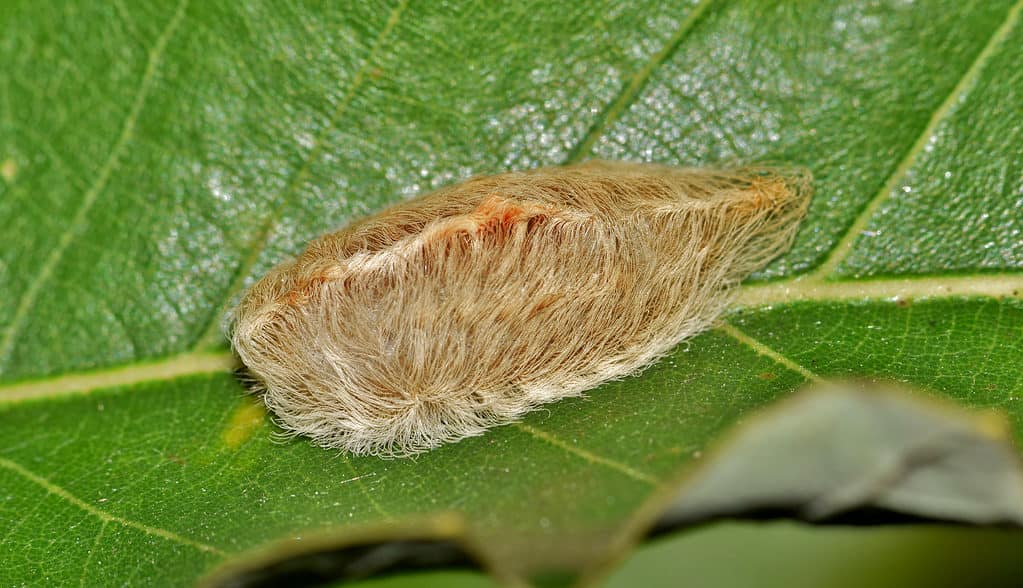
Puss caterpillars are considered the most venomous caterpillars in the United States. Their soft, fur-like appearance conceals rows of venomous spines underneath, which inject toxins into the skin upon contact.
Stings cause immediate, intense pain that may radiate throughout the body. Additional symptoms can include nausea, vomiting, headaches, fever, muscle spasms, and, in rare cases, seizures or shock. Children are particularly at risk because the caterpillar’s appearance invites touching.
Medical treatment may be required for severe reactions, especially if symptoms extend beyond localized pain.
15 – Botflies
Botflies are parasitic insects whose larvae develop inside the bodies of mammals. Although adult botflies do not bite or sting, they lay eggs that hatch and penetrate the skin, leading to a condition known as myiasis.
Once inside the skin, larvae grow over several weeks, creating painful, swollen lesions that may ooze fluid. Victims often report a sensation of movement beneath the skin, accompanied by itching and sharp pain.
If not properly removed, larvae can cause secondary bacterial infections. Medical extraction is usually required to ensure complete removal and prevent complications.
16 – Brown Dog Ticks
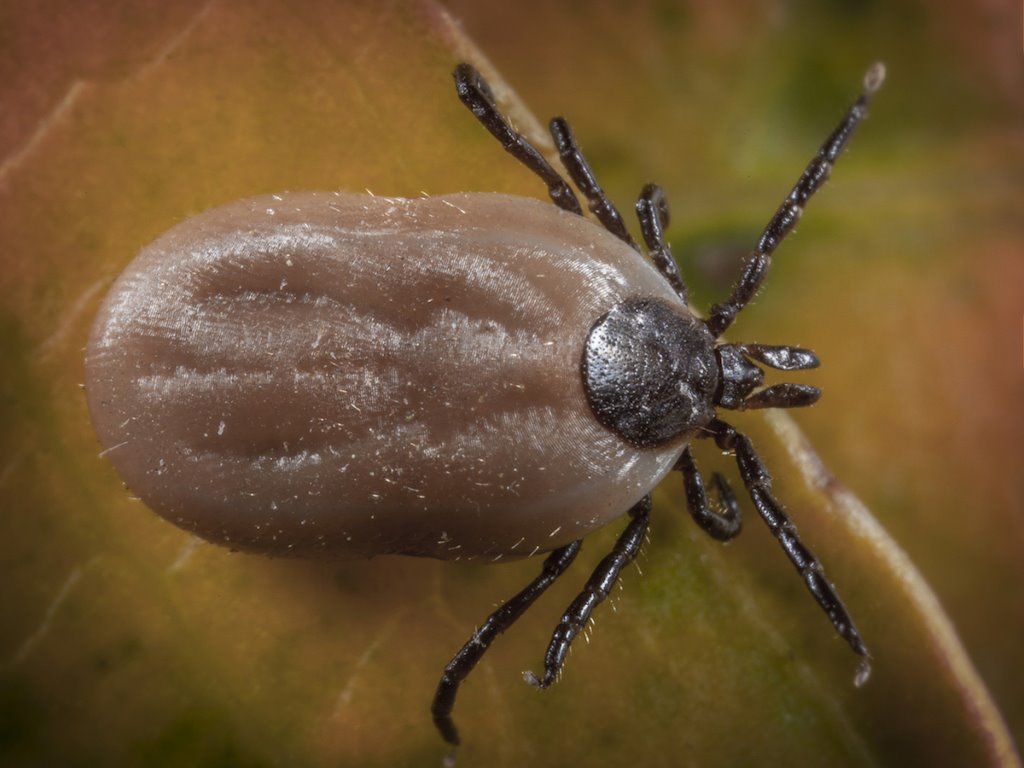
Brown dog ticks are unusual among ticks because they can complete their entire life cycle indoors. They commonly infest homes, kennels, and shelters, feeding primarily on dogs but also biting humans.
These ticks are known vectors of Rocky Mountain spotted fever and other pathogens. Heavy infestations can occur rapidly, leading to repeated bites and increased disease risk.
Because they thrive indoors, brown dog ticks pose a year-round threat, unlike many other tick species that are seasonal.
17 – Lonomia Caterpillars
Lonomia caterpillars are among the most dangerous caterpillars known. Although they are rare in the United States, occasional exposures have occurred. Their venom interferes with blood clotting, leading to uncontrolled bleeding.
Contact with multiple caterpillars can result in severe hemorrhaging, organ failure, and death if untreated. Symptoms may develop hours after exposure, making early diagnosis difficult.
Their bark-like camouflage increases the risk of accidental contact, particularly in wooded environments.
18 – Japanese Hornets
Japanese hornets are massive, highly aggressive insects capable of delivering powerful stings. While they are not native to the United States, accidental transport has raised concerns about potential encounters.
Their venom attacks tissue and the nervous system, and multiple stings can lead to kidney failure, cardiac complications, and death. The sheer size and aggression of these hornets make them one of the most feared insects in the world.
19 – Termites
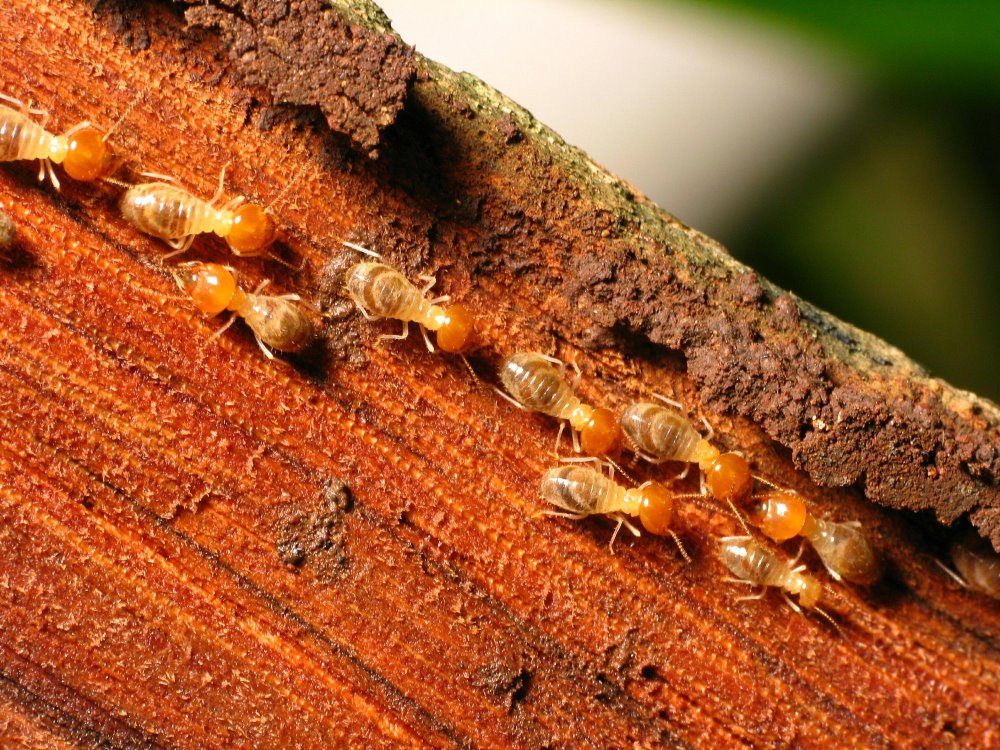
Termites do not sting or bite humans, but they pose serious indirect dangers. By consuming wooden structures from the inside out, termites weaken homes, buildings, and infrastructure.
Severe infestations can lead to structural collapse, electrical hazards, and fire risks. Because termites often remain hidden until damage is extensive, they are considered one of the most economically destructive insects in America.
20 – Asian Giant Hornets
Asian giant hornets are the largest hornets on Earth, reaching up to two inches in length. Their stingers are long enough to penetrate thick clothing, and their venom is potent enough to destroy tissue.
Multiple stings can cause systemic toxicity, organ failure, and death. Although sightings in the United States are rare, confirmed cases have prompted serious eradication efforts due to the threat they pose to humans and native species.
21 – Bullet Ants
Bullet ants are named for the extreme pain of their sting, often described as comparable to being shot. Although native to Central and South America, they occasionally appear in U.S. territories.
The pain from a sting can last for many hours and may be accompanied by shaking, nausea, sweating, and temporary paralysis. While rarely fatal, the experience is debilitating.
22 – Centipedes
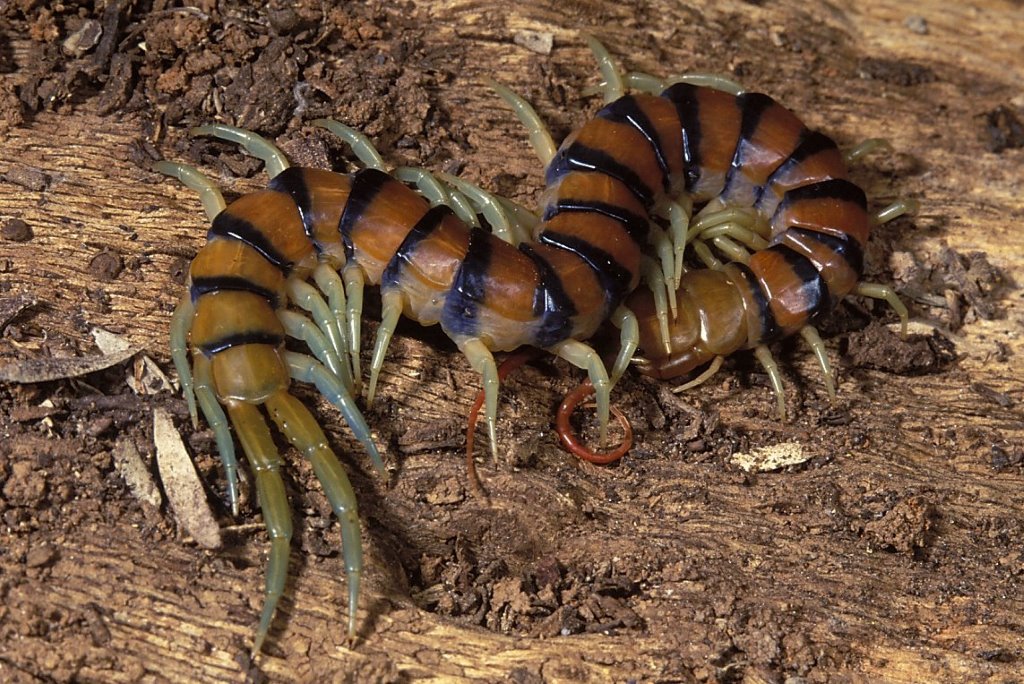
Large centipedes found in southern states possess venomous claws used to immobilize prey. Their bites can cause sharp pain, swelling, redness, and localized tissue damage.
Although rarely life-threatening, bites can become infected, particularly if untreated. Allergic reactions are also possible in sensitive individuals.
23 – Bed Bugs
Bed bugs are blood-feeding parasites that infest homes, hotels, and public spaces. Their bites often appear as clusters of itchy welts and may trigger allergic reactions.
Beyond physical symptoms, infestations frequently cause psychological stress, anxiety, and sleep deprivation. Their resistance to pesticides makes eradication difficult and costly.
24 – Fleas
Fleas are small but medically significant parasites capable of transmitting diseases such as plague and typhus. Their bites cause intense itching and allergic reactions.
Fleas reproduce rapidly and can infest homes and pets within weeks. Repeated bites increase the risk of skin infections and disease transmission.
25 – Chiggers
Chiggers are microscopic mites whose larvae feed on skin cells. Their bites cause intense itching, red welts, and prolonged irritation.
Scratching often leads to secondary infections, and symptoms may persist for weeks. Severe cases may require medical treatment to manage inflammation and infection.
26 – Tarantula Hawks
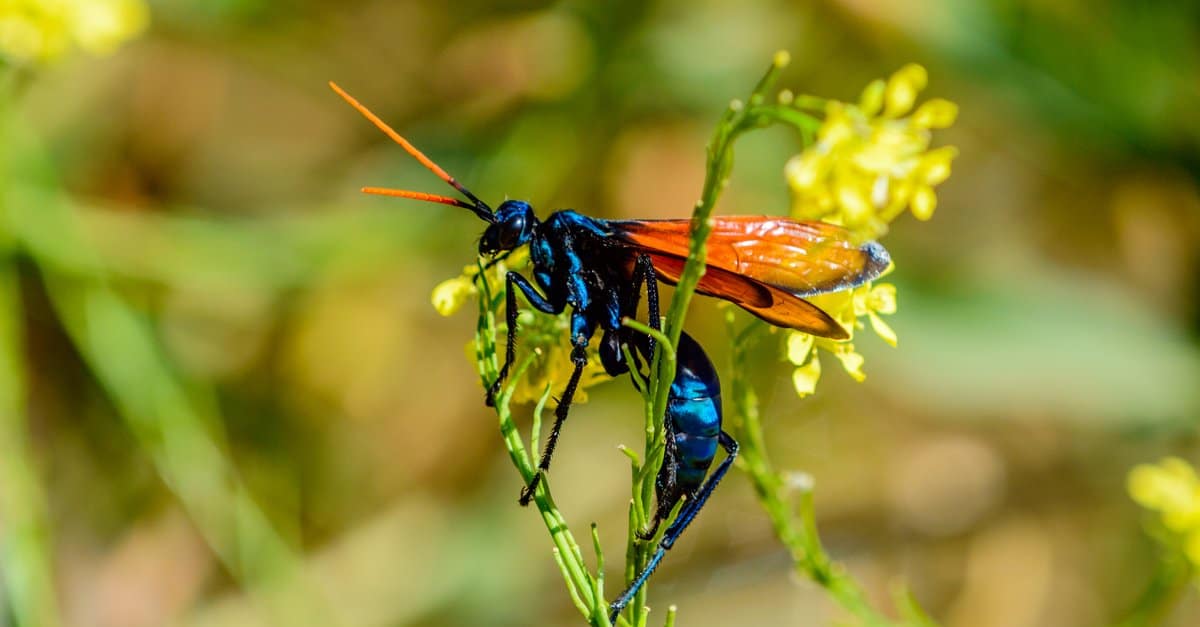
Tarantula hawks are among the largest wasps found in the United States, with some species reaching over two inches in length. Their appearance alone is intimidating, featuring metallic blue-black bodies and vivid orange wings that act as a warning to potential predators. Despite their size, tarantula hawks are not aggressive toward humans and usually sting only when handled or accidentally stepped on.
What makes this insect infamous is its sting. The tarantula hawk’s venom produces one of the most intense pain sensations ever documented in the insect world. Victims often describe the pain as immediate, overwhelming, and incapacitating, sometimes lasting several minutes to hours. The pain can be so severe that it temporarily prevents coordinated movement, increasing the risk of falls or injuries during an encounter.
The venom is not usually life-threatening to healthy adults, but allergic reactions can occur. Tarantula hawks are most commonly found in desert and semi-arid regions of the southwestern United States, where they hunt tarantulas to serve as hosts for their larvae.
27 – Camel Spiders
Camel spiders, also known as solifuges or wind scorpions, are fast-moving arachnids that have inspired exaggerated myths about venom and aggression. In reality, camel spiders are not venomous, but they possess extremely powerful jaws capable of tearing flesh. These jaws are used to crush insects, small rodents, and even birds.
Encounters with camel spiders often occur in desert environments, particularly in the southwestern United States. Their speed and tendency to run toward shadows—often created by humans—can make them appear aggressive. Bites are rare but can be painful, resulting in deep wounds that may become infected if not properly cleaned.
While camel spiders do not transmit diseases or inject venom, their size, speed, and appearance can cause significant psychological distress during encounters, particularly at night.
28 – Cow Killers
Cow killers are actually female velvet ants, previously mentioned, but they deserve separate attention due to their extreme sting. Covered in dense red or orange hair, they are often mistaken for ants, though they are actually wingless wasps.
The cow killer sting is legendary for its intensity. Pain is immediate and severe, often radiating outward from the sting site. Although the venom is not deadly to humans, the pain can last for an extended period and may be accompanied by swelling, redness, and numbness.
Cow killers are most commonly encountered in southern and southwestern states. Their bright coloration serves as a warning, but accidental contact—especially by barefoot individuals—still results in frequent stings.
29 – Assassin Bugs
Assassin bugs are predatory insects that feed on other insects using a specialized piercing mouthpart. When they bite humans, the experience can be extremely painful. Unlike mosquitoes, assassin bugs inject digestive enzymes into the wound, which begin breaking down tissue immediately.
Some species of assassin bugs, particularly kissing bugs, are known vectors of Chagas disease. While most assassin bug species in the U.S. are not major disease carriers, the potential for disease transmission elevates their risk profile.
Bites often cause swelling, inflammation, and lingering pain that may last for days. Scratching increases the risk of secondary infection, especially in warm climates.
30 – Giant Water Bugs
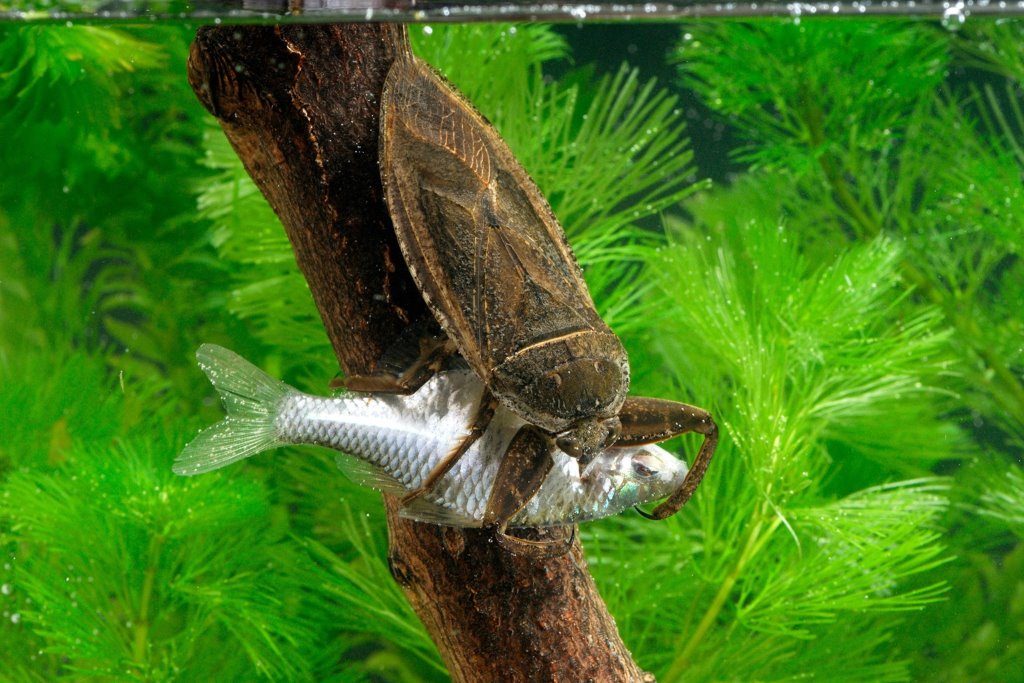
Giant water bugs are large aquatic insects sometimes referred to as “toe-biters.” They are found in ponds, lakes, and slow-moving streams throughout the United States. These insects are powerful predators that use strong forelegs to capture prey.
Their bite is extremely painful. Giant water bugs inject digestive enzymes into their victims, which liquefy internal tissues. When humans are bitten—often after accidentally stepping on one in shallow water—the pain can be intense and long-lasting.
While not venomous in the traditional sense, the bite can cause swelling, tissue irritation, and infection if untreated.
31 – Lace Bugs
Lace bugs are small plant-feeding insects that occasionally bite humans. Their bites are not dangerous in isolation but can cause irritation, redness, and itching. Lace bugs are commonly encountered in gardens and around ornamental plants.
Repeated bites, especially during infestations, can lead to persistent skin irritation and secondary infections from scratching. Though medically minor, lace bugs become a nuisance and health concern in large numbers.
32 – Tsetse Flies
Tsetse flies are not native to the United States, but they are included due to concerns about accidental transport and potential establishment. These flies are notorious for transmitting African trypanosomiasis, commonly known as sleeping sickness.
The bite of a tsetse fly is painful, and the disease it transmits can cause fever, neurological symptoms, and, if untreated, death. The potential introduction of such a vector into new environments is taken seriously by health authorities.
33 – Black Flies
Black flies are small but aggressive insects that attack in swarms, particularly near rivers and streams. Their bites cause bleeding, swelling, and intense itching. Black flies use cutting mouthparts rather than piercing ones, which increases tissue damage.
In severe cases, repeated bites can lead to systemic symptoms such as fever, headaches, and nausea. Livestock and wildlife are particularly vulnerable, but humans can also suffer serious reactions during heavy infestations.
34 – Stable Flies
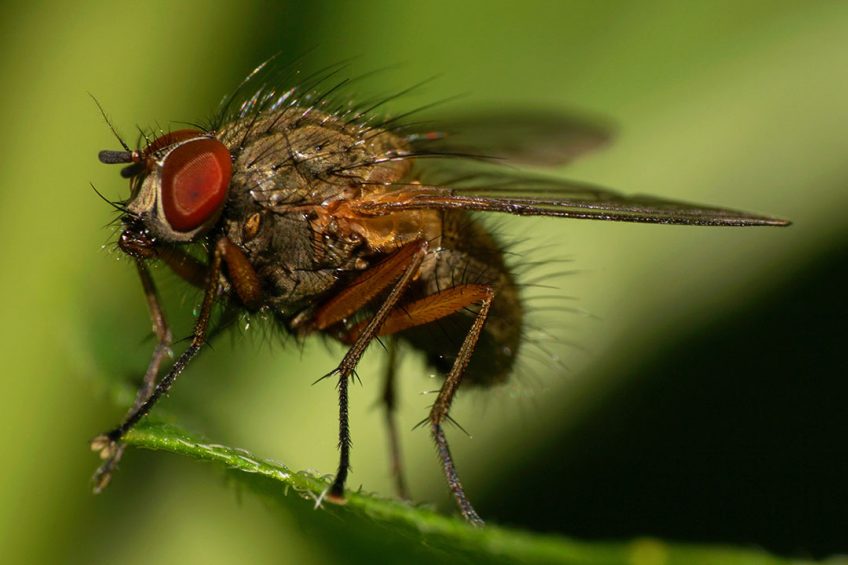
Stable flies resemble houseflies but are far more aggressive. They feed on blood and deliver painful bites that often become infected. Stable flies are common around livestock facilities, farms, and decaying organic matter.
Their bites cause sharp pain followed by swelling and itching. Repeated exposure can lead to allergic reactions and chronic skin irritation. They also transmit diseases among animals, increasing their overall risk profile.
35 – Sand Flies
Sand flies are small, biting insects that transmit several diseases, including leishmaniasis. While their bites are often mild initially, the diseases they carry can cause severe skin ulcers or systemic illness.
Sand flies are most active at night and thrive in warm, dry environments. Infected individuals may not show symptoms for weeks or months, complicating diagnosis and treatment.
36 – Wolf Spiders
Wolf spiders are large, fast-moving spiders that often alarm people due to their size and hunting behavior. Unlike web-building spiders, wolf spiders actively hunt their prey, relying on speed, camouflage, and keen eyesight. They are commonly found in grasslands, forests, gardens, and sometimes inside homes, especially during colder months.
Their bites are not typically dangerous to humans, but they can be painful and cause localized swelling, redness, and itching. In some cases, bites may lead to mild nausea or dizziness. Secondary infections are possible if the bite area is scratched excessively. Because wolf spiders often wander indoors, accidental encounters increase the likelihood of defensive bites.
37 – Saddleback Caterpillars
Saddleback caterpillars are among the most visually distinctive and dangerous caterpillars in the United States. Their bright green bodies feature a dark, saddle-shaped marking, which serves as a warning. Along their bodies are hollow, venom-filled spines that deliver toxins upon contact.
A sting from a saddleback caterpillar causes immediate, intense pain, often compared to a bee or wasp sting but longer lasting. Additional symptoms may include nausea, headaches, swelling, blistering, and, in rare cases, difficulty breathing. Because they are commonly found on trees and shrubs, accidental contact is frequent, especially among children.
38 – Buck Moth Caterpillars

Buck moth caterpillars are covered in clusters of venomous spines that release toxins when touched. These caterpillars are often encountered on oak trees and other vegetation during warmer months.
Contact results in sharp, burning pain followed by redness, swelling, and itching. Some individuals experience more severe reactions, including fever, nausea, and widespread rashes. Repeated exposure can increase sensitivity, leading to stronger allergic responses over time.
39 – Io Moth Caterpillars
Io moth caterpillars resemble buck moth caterpillars in both appearance and defensive strategy. They possess venomous spines that inject toxins upon contact, causing immediate pain and irritation.
Stings typically result in localized burning pain, redness, and swelling. In sensitive individuals, symptoms may include headaches or mild systemic reactions. These caterpillars often cluster together, increasing the risk of multiple stings from a single encounter.
40 – Maricopa Harvester Ants
Maricopa harvester ants are found primarily in desert regions of the southwestern United States. Despite their small size, they possess one of the most potent insect venoms known. A single sting delivers intense pain, but multiple stings pose a serious medical risk.
Unlike bees, these ants do not lose their stingers and can sting repeatedly. Their venom can cause severe allergic reactions, including anaphylaxis. Because their nests are often disturbed accidentally, encounters can escalate quickly.
41 – Emerald Ash Borers
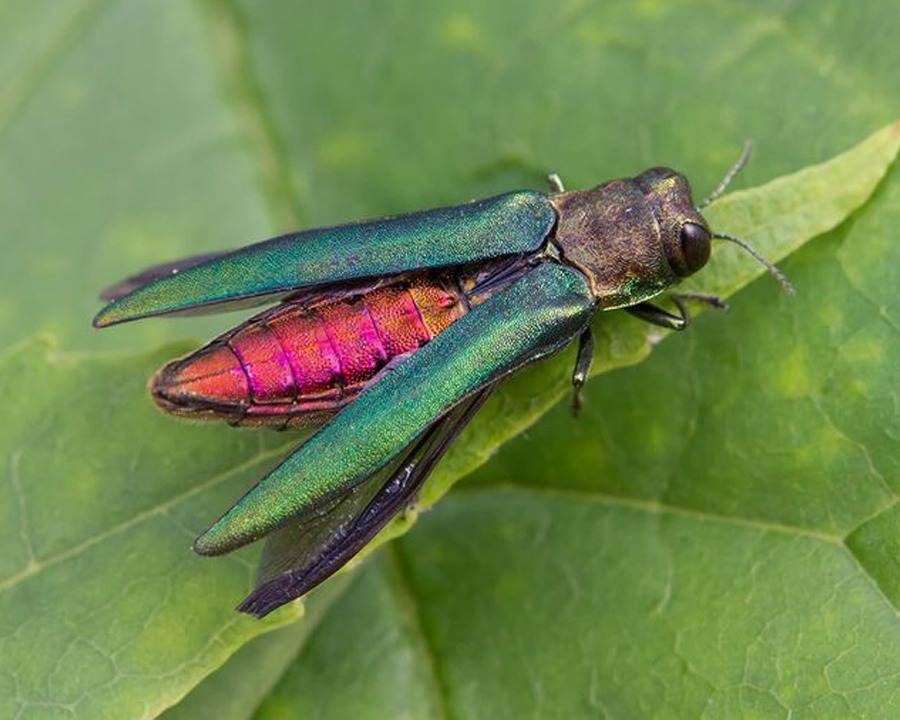
Emerald ash borers are invasive beetles responsible for killing millions of ash trees across North America. While they do not bite or sting humans, their impact on ecosystems and human environments is severe.
The destruction of ash trees increases wildfire risk, weakens urban infrastructure, and creates hazards from falling dead trees. The economic cost of damage and removal runs into billions of dollars, making emerald ash borers one of the most destructive insects in America.
42 – Pine Beetles
Pine beetles attack and kill vast areas of pine forests by burrowing beneath the bark and disrupting nutrient flow. Their infestations have reshaped entire landscapes across western and northern states.
Dead forests increase the likelihood of catastrophic wildfires, threaten wildlife habitats, and compromise water systems. Though pine beetles do not directly harm humans, their indirect effects pose significant risks to public safety and environmental stability.
43 – Asian Citrus Psyllids
Asian citrus psyllids are tiny insects that carry the bacteria responsible for citrus greening disease. This disease slowly kills citrus trees and has devastated citrus industries in several states.
The loss of citrus crops affects food supply, farming livelihoods, and local economies. Control efforts are difficult, making this insect a long-term agricultural threat.
44 – Gypsy Moths

Gypsy moths are invasive insects that defoliate forests on a massive scale. During outbreaks, millions of trees can be stripped of leaves, weakening forests and increasing erosion and fire risk.
Repeated defoliation leads to tree death, habitat loss, and ecological imbalance. Their spread has long-term consequences for forest health and human safety.
45 – Brown Marmorated Stink Bugs
Brown marmorated stink bugs are invasive insects that damage crops and invade homes in large numbers. While not dangerous through bites or stings, their presence creates sanitation and health concerns.
Large infestations can trigger allergic reactions and contaminate food supplies. Their resistance to control measures makes them a persistent nuisance and agricultural threat.
46 – Asian Longhorned Beetles

Asian longhorned beetles are highly destructive invasive insects that attack hardwood trees such as maple, elm, willow, and birch. They burrow deep into tree trunks and branches, disrupting the flow of water and nutrients and eventually killing the tree.
Although they pose no direct physical threat to humans, their impact on forests and urban landscapes is severe. Infested trees become structurally unstable, increasing the risk of falling limbs and property damage. Entire neighborhoods have lost tree cover due to eradication efforts, which often require cutting and destroying affected trees to stop the spread.
The long-term ecological consequences include habitat loss, increased erosion, and reduced air quality, making this beetle one of the most environmentally dangerous insects in the United States.
47 – Fireflies
Fireflies are widely seen as harmless and even charming, but they carry a hidden danger. These insects contain toxic chemicals called lucibufagins, which are potent defensive steroids.
While touching a firefly poses no risk, ingestion can be extremely dangerous, especially for children and pets. Even a single firefly can be lethal to small animals such as dogs, cats, or lizards. Symptoms of poisoning may include drooling, vomiting, seizures, and cardiac failure.
Because fireflies are attracted to light and often appear around homes during summer, accidental ingestion remains a real risk.
48 – Rocky Mountain Wood Ticks
Rocky Mountain wood ticks are large, blood-feeding parasites found across western and central regions of the United States. They are known vectors for several serious diseases, including Rocky Mountain spotted fever and tularemia.
These ticks attach firmly to the skin and can remain unnoticed for extended periods, increasing the chance of disease transmission. Symptoms from infected bites may include fever, rash, muscle pain, and neurological complications if untreated.
Prompt removal and early medical evaluation are critical in preventing long-term health consequences.
49 – Human Botflies
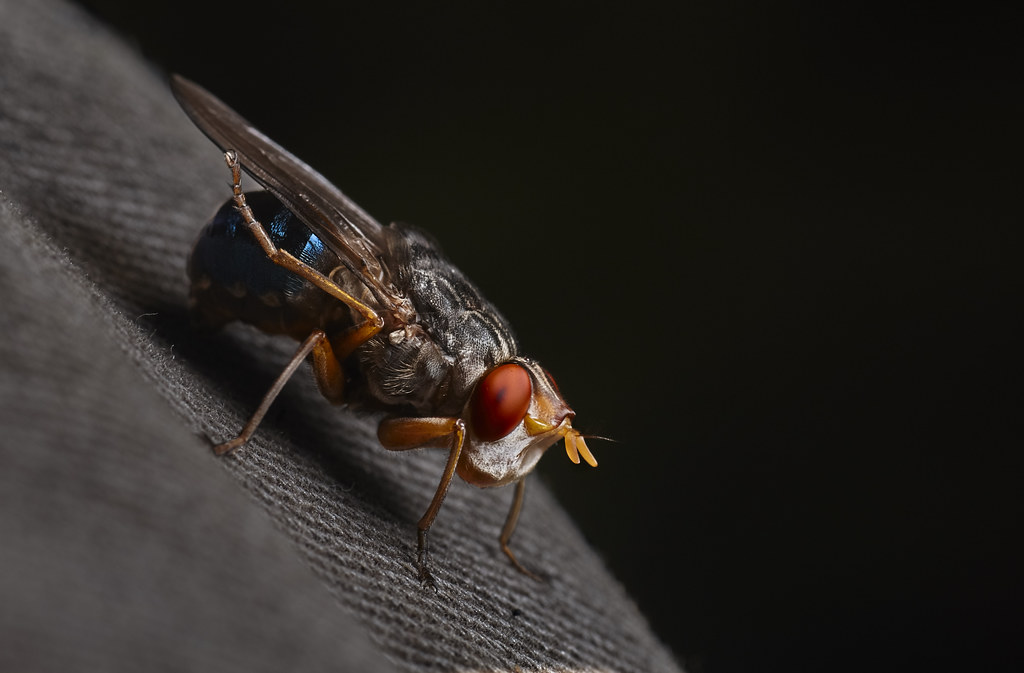
Human botflies are parasitic insects whose larvae develop beneath the skin of mammals, including humans. Although native to Central and South America, cases in the United States occur through travel or accidental transport.
After eggs hatch, larvae penetrate the skin and grow within tissue, creating painful, swollen lesions. Victims often feel movement beneath the skin, accompanied by itching, sharp pain, and inflammation. If left untreated, secondary infections can develop.
Removal typically requires medical intervention to ensure the larva is extracted intact and to prevent complications.
50 – Lone Star Ticks
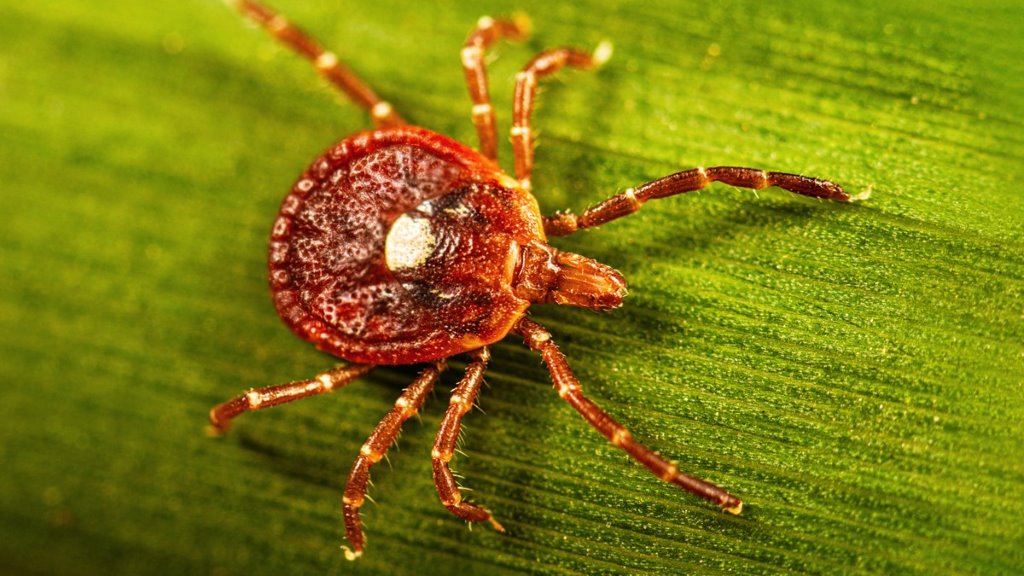
Lone star ticks are aggressive feeders found throughout the southeastern and eastern United States. Unlike many tick species, they actively pursue hosts rather than waiting passively.
These ticks are associated with alpha-gal syndrome, a condition that causes allergic reactions to red meat following a bite. Symptoms can range from hives and gastrointestinal distress to life-threatening anaphylaxis, sometimes occurring hours after eating meat.
The long-term lifestyle changes required to manage this allergy make lone star ticks one of the most medically significant parasites in the country.