
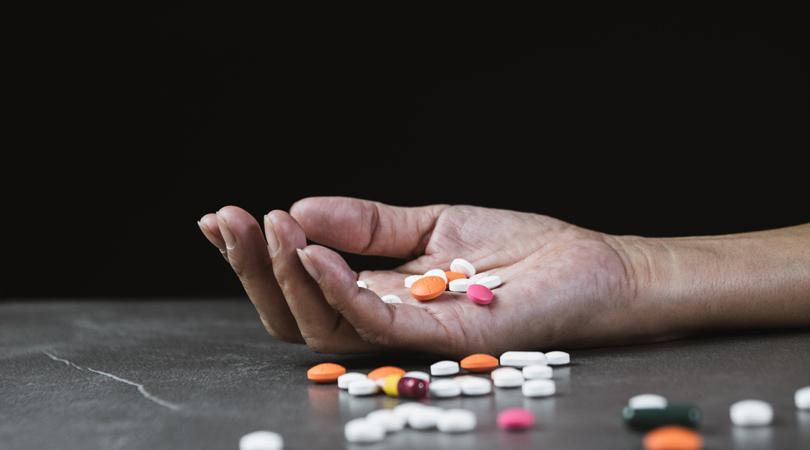

Drugs are often divided into neat categories: legal and illegal, prescription and street, medicine and poison. In reality, those boundaries are far less clear than most people assume. Some of the most dangerous drugs in the world are not hidden in dark alleys or illegal markets. They are sold legally, prescribed daily, stocked in medicine cabinets, and used by millions of people without a second thought.
What makes these substances especially dangerous is not just their chemical power, but how familiar they feel. Many are trusted because they come from pharmacies or carry official approval. Others are socially normalized through long-term use, cultural acceptance, or simple availability. Over time, that familiarity creates a false sense of safety, masking risks that only become visible when something goes wrong.
Medical data shows that drug-related deaths are not driven by a single substance or a single group of users. Overdoses, organ failure, and fatal interactions often involve common medications taken at the wrong dose, mixed with other drugs, or used by people with underlying health conditions. In many cases, the harm is unintentional. People do not realize how narrow the margin is between therapeutic use and toxicity, or how easily one drug can amplify the dangers of another.
This article examines fifteen of the deadliest drugs still in everyday use, based on medical research, public health data, and documented outcomes. The list includes prescription medications, over-the-counter products, and illicit drugs—not ranked by legality, but by real-world risk. Factors such as overdose potential, long-term health damage, interaction hazards, and mortality rates all play a role.
Understanding these drugs is not about fear or prohibition. It’s about awareness. When substances capable of suppressing breathing, damaging organs, or triggering fatal reactions are treated as routine, the risk quietly shifts from exceptional to ordinary. And in that space between trust and reality, some of the most preventable deaths continue to occur.
Here Are The 15 Most Dangerous Drugs in the World

1. Acetaminophen (Tylenol)
Acetaminophen is one of the most commonly used pain relievers in the world. Sold under brand names such as Tylenol, Mapap, and Feverall, it is often viewed as a safer alternative to stronger pain medications. That perception, however, hides a serious risk.
In high doses, acetaminophen is extremely toxic to the liver. It is currently the leading cause of acute liver failure in the United States. What makes it especially dangerous is how easy it is to overdose unintentionally. Many cold and flu remedies contain acetaminophen, and people often take multiple products without realizing they are stacking the same drug.
According to studies funded by the National Institutes of Health, acetaminophen toxicity is responsible for roughly 450 deaths each year. About 100 of those deaths are accidental. Each year, more than 50,000 people visit emergency rooms due to acetaminophen poisoning, and approximately 25,000 are hospitalized. Once liver damage begins, the progression can be rapid and irreversible without a transplant.
2. Alcohol
Alcohol is legal, socially accepted, and deeply embedded in many cultures, yet it remains one of the deadliest drugs available. Beer, wine, and malt liquor all contain ethanol, a substance that depresses the central nervous system and affects nearly every organ in the body.
Excessive alcohol use contributes to an estimated 88,000 deaths per year in the United States. Chronic consumption increases the risk of several cancers, liver disease, high blood pressure, and heart conditions. It also plays a major role in injuries, violent behavior, suicide, and fatal motor vehicle accidents.
Alcohol is currently the third-leading preventable cause of death in the country. Its danger is amplified when combined with other depressants such as opioids or benzodiazepines, a combination that can suppress breathing and lead to sudden death even at doses that might seem moderate on their own.
3. Benzodiazepines
Benzodiazepines, commonly known as benzos, are widely prescribed for anxiety, insomnia, muscle spasms, and seizure disorders. Drugs in this category include Xanax, Valium, and Klonopin. While effective for short-term use, they carry a high risk when taken improperly.
These medications depress the central nervous system, slowing brain activity and reducing respiratory function. On their own, overdoses can be dangerous. When combined with opioids, barbiturates, or alcohol, the risk of fatal respiratory depression rises sharply.
According to data from the Centers for Disease Control and Prevention, benzodiazepines were involved in approximately 31 percent of overdose deaths in 2017. Dependence can develop quickly, and withdrawal can be severe, sometimes causing seizures or life-threatening complications if not medically supervised.

4. Anticoagulants
Anticoagulants, often referred to as blood thinners, are prescribed to prevent dangerous blood clots that can lead to strokes, heart attacks, deep vein thrombosis, or pulmonary embolism. Common examples include Warfarin, Xarelto, and Heparin.
While these drugs save lives, they also narrow the margin for error. Improper dosing or interactions with other medications can result in uncontrolled bleeding. Even minor injuries can become life-threatening, and internal bleeding may go unnoticed until severe damage has occurred.
Combining anticoagulants with aspirin or other blood-thinning drugs dramatically increases the risk. In some cases, patients experience fatal hemorrhages due to interactions that were not properly monitored.
5. Antidepressants
Antidepressants are prescribed for a wide range of conditions, including depression, anxiety disorders, ADHD, and obsessive-compulsive disorder. Common examples include Cymbalta, Wellbutrin, Prozac, and Zoloft. While these medications can be beneficial, large studies have raised concerns about their long-term safety for certain populations.
Research has linked antidepressant use to a 33 percent increase in premature death and a 14 percent higher risk of cardiovascular events in some groups. Side effects can include heart rhythm disturbances, blood pressure changes, and dangerous interactions with other psychiatric or cardiovascular medications.
The risks are often subtle and develop over time, making them harder to detect. As with many drugs on this list, the danger increases when antidepressants are combined with other substances that affect the brain or heart.
6. Anti-Hypertensives
Anti-hypertensive medications are prescribed to control high blood pressure, a condition that significantly increases the risk of heart attack and stroke. Drugs in this category include Hytrin, Cardura, and Minipress, among others. For many patients, these medications are essential. For others, they introduce serious risks that are often overlooked.
Some anti-hypertensives can cause sudden drops in blood pressure, leading to dizziness, fainting, or falls that result in injury. In more severe cases, they have been linked to acute kidney failure, abnormal heart rhythms, and metabolic complications. Certain studies have also raised concerns about increased risks of prostate cancer and new-onset diabetes in specific patient groups.
The danger rises sharply when these medications are combined with nonsteroidal anti-inflammatory drugs or diuretics. These interactions can strain the kidneys and disrupt electrolyte balance, creating life-threatening conditions if not closely monitored by a physician.
7. Bromocriptine
Bromocriptine, commonly sold under the brand name Parlodel, is used to treat conditions such as Parkinson’s disease and disorders related to excessive prolactin production. Although effective for certain neurological and hormonal conditions, it carries a range of serious side effects.
One of the most dangerous risks associated with bromocriptine is circulatory collapse. Some patients experience severe drops in blood pressure, leading to fainting or shock-like symptoms. Studies indicate that roughly one-third of users may experience significant hypotension, particularly when beginning treatment or increasing dosage.
The drug is also known to cause sudden sleep episodes, sometimes without warning signs. These abrupt losses of consciousness have been linked to motor vehicle accidents and other injuries. Because of these risks, bromocriptine requires careful dosing and close medical supervision.

8. Clarithromycin
Clarithromycin, sold under the brand name Biaxin, is a widely prescribed antibiotic used to treat bacterial infections. While generally considered safe for short-term use, research has revealed serious cardiovascular risks associated with this medication.
The U.S. Food and Drug Administration has issued warnings linking clarithromycin to an increased risk of fatal heart complications, particularly in patients with existing heart disease. Studies have shown a 27 percent higher risk of cardiovascular death among certain populations taking the drug.
The danger is magnified when clarithromycin is combined with other medications, especially calcium channel blockers and cholesterol-lowering drugs such as Lipitor. These interactions can disrupt heart rhythm and blood pressure regulation, sometimes with fatal consequences.
9. Clozapine
Clozapine is an antipsychotic medication primarily prescribed for treatment-resistant schizophrenia. It is one of the few drugs shown to significantly reduce suicide risk in patients with severe psychiatric illness. Despite this benefit, clozapine carries some of the most serious side effects of any psychiatric medication.
Among the most dangerous complications are myocarditis and cardiomyopathy, inflammatory conditions of the heart that can develop suddenly and progress rapidly. Clozapine has also been associated with severe gastrointestinal hypomotility, a condition where the digestive system slows or stops, leading to bowel obstruction and death if untreated.
When combined with alcohol or other central nervous system depressants, clozapine increases the risk of respiratory suppression and loss of consciousness. Because of these dangers, patients taking clozapine must undergo regular blood monitoring and medical evaluations.
10. Cocaine
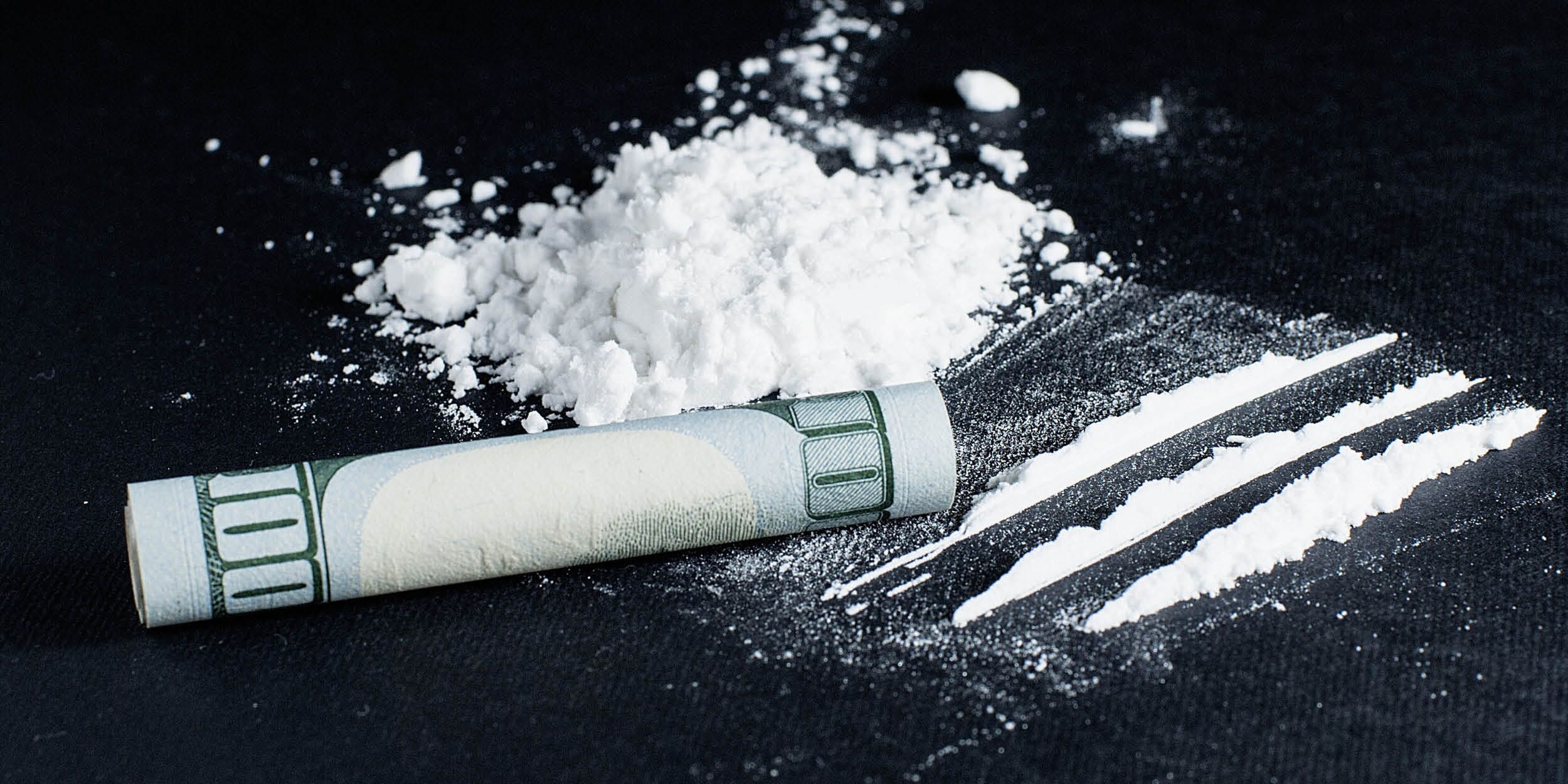
Cocaine is a powerful stimulant derived from the coca plant and sold illegally under names such as coke, crack, and blow. Its immediate effects include increased energy, alertness, and euphoria, but these effects come with severe physiological costs.
Cocaine places extreme stress on the cardiovascular system. It constricts blood vessels, raises blood pressure, and accelerates heart rate, significantly increasing the risk of heart attack and stroke. Chronic use damages the heart, lungs, liver, and kidneys, while acute overdoses can trigger seizures, respiratory failure, and sudden death.
In 2017 alone, cocaine was linked to approximately 14,000 deaths in the United States. Roughly three-quarters of those cases also involved opioids, highlighting the growing danger of drug combinations. Cocaine’s short-lived high often leads users to take repeated doses, rapidly escalating the risk of fatal overdose.
11. Colchicine
Colchicine is a prescription medication most commonly used to treat gout and certain inflammatory conditions. It has been in medical use for centuries, but modern research has revealed just how narrow the line is between a therapeutic dose and a lethal one.
The drug has what physicians call a very narrow therapeutic index. This means the difference between a safe dose and a toxic dose is extremely small. Ingesting as little as 0.5 milligrams per kilogram of body weight can be fatal, making dosing errors particularly dangerous.
Colchicine toxicity affects rapidly dividing cells, leading to severe gastrointestinal distress, bone marrow suppression, organ failure, and, in extreme cases, death. The danger increases significantly when colchicine is taken alongside medications that inhibit the CYP3A4 enzyme system, which slows the drug’s breakdown in the body and causes toxic accumulation.
Because early symptoms can resemble common stomach illnesses, poisoning is sometimes not recognized until severe damage has already occurred. For this reason, colchicine is classified by the FDA as a high-risk medication requiring strict prescribing and monitoring practices.
12. Cough Medicines
Over-the-counter cough and cold medications are often perceived as harmless, especially because they are widely available without a prescription. Products such as NyQuil, Robitussin, and Theraflu commonly contain dextromethorphan, also known as DXM, a substance that can be extremely dangerous when misused.
In high doses, DXM acts as a dissociative drug, producing hallucinations, altered perception, and loss of motor control. Abuse can lead to respiratory depression, hypoxia, coma, and permanent brain damage. Young users are particularly vulnerable due to body size and lack of tolerance.
The risks multiply when cough medicines are combined with alcohol or marijuana. These combinations suppress breathing and amplify cognitive impairment, increasing the likelihood of fatal overdose. Because DXM is hidden inside products marketed for minor illnesses, misuse often begins without an understanding of how dangerous it can be.

13. Digoxin
Digoxin, also known by the brand name Lanoxin, is prescribed to treat heart failure and atrial fibrillation. While it can improve symptoms and heart function in certain patients, it is one of the most dangerous cardiac medications still in common use.
Research has shown that digoxin use in patients with atrial fibrillation is associated with a mortality increase of more than 20 percent. Toxicity can develop even at prescribed doses, especially in older adults or those with impaired kidney function.
Side effects of digoxin poisoning include nausea, vomiting, confusion, visual disturbances, and dangerous heart rhythm abnormalities. When combined with medications such as quinidine, digoxin levels can rise sharply, triggering life-threatening complications without warning.
14. Heroin
Heroin is an illegal opioid derived from morphine and remains one of the most destructive drugs ever introduced into human populations. It appears in several forms, including white powder, brown powder, and black tar heroin, each carrying significant health risks.
Repeated heroin use damages veins, nasal tissue, and internal organs. Users face a high risk of heart infections, lung complications, kidney disease, and severe respiratory depression. Overdose often results in oxygen deprivation, leading to brain injury or death.
The opioid epidemic has been fueled in part by prescription painkillers, with studies showing that nearly 80 percent of heroin users began with legally prescribed opioids. In 2016 alone, opioid-related overdoses caused approximately 42,000 deaths, highlighting the scale of the crisis.
15. Semi-Synthetic Opioids
Semi-synthetic opioids include medications such as Percocet, Vicodin, and OxyContin. These drugs are commonly prescribed for pain, cough suppression, and even diarrhea, but they carry a high risk of addiction and overdose.
These substances depress the central nervous system, slowing breathing and reducing oxygen delivery to the brain. In overdose situations, this can lead to hypoxia, coma, permanent brain damage, or death. Tolerance develops quickly, often pushing users toward higher and more dangerous doses.
Combining semi-synthetic opioids with alcohol or stimulants such as cocaine dramatically increases the risk of fatal outcomes. These drugs sit at the center of the modern opioid epidemic, blurring the line between medical treatment and life-threatening dependency.

Always Take Medications Responsibly
This list highlights only fifteen of the most dangerous drugs identified through medical and public health research. Many medications included here are safe and effective when used exactly as prescribed and under proper medical supervision. The danger emerges when dosing is incorrect, combinations are ignored, or warning signs are dismissed.
Understanding how drugs interact with the body and with each other is critical. Even common medications can become deadly under the wrong circumstances, making informed use and professional guidance essential for safety.