
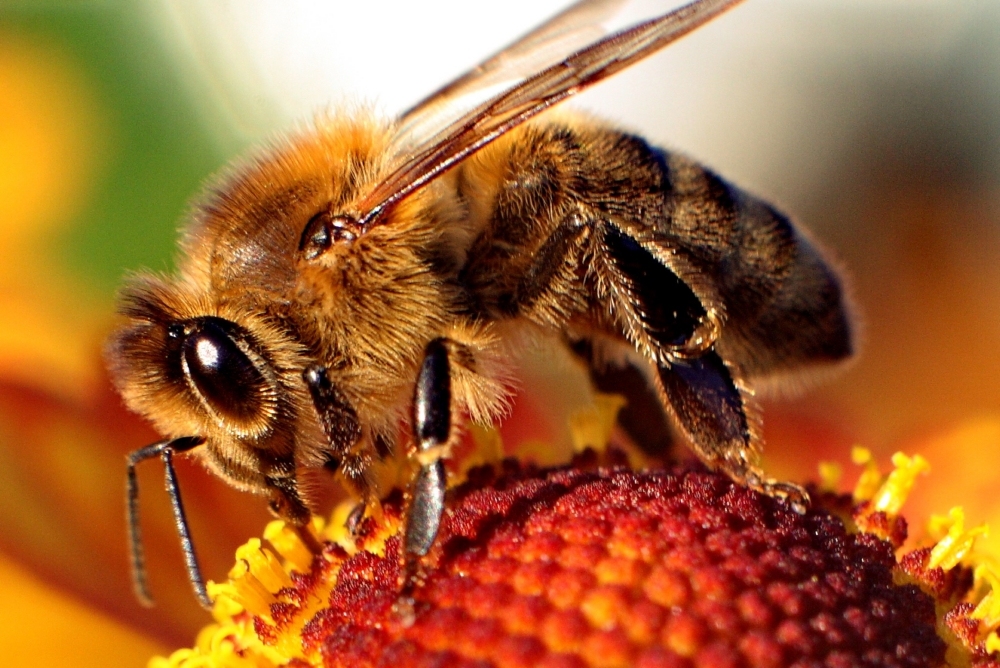

Bee and wasp stings are common, especially during warmer months when people spend more time outdoors and insects are more active. In most situations, a sting is painful and annoying but not dangerous. However, the seriousness of a sting depends largely on how the body reacts to the venom. The majority of medical emergencies linked to bee or wasp stings are not caused by the sting itself, but by an allergic reaction to the venom. When that reaction is recognized early and treated properly, outcomes are usually very good.
Venom enters the body through a specialized stinging mechanism. In bees, the stinger is barbed and attached to a venom sac. When a honeybee stings, the stinger often becomes lodged in the skin, continuing to release venom for a short period of time. Wasps and similar insects have smoother stingers, allowing them to sting repeatedly. Because of this, wasp stings can sometimes result in more venom exposure, leading to increased pain and swelling.
While most stings only require basic care, it’s important to understand the difference between a normal local reaction and a dangerous allergic response. Knowing what to watch for—and how to respond quickly—can make a critical difference, especially for people who don’t yet know they’re allergic.

What to Do Immediately After a Bee or Wasp Sting
Wasps vs. Bees
Although bees and wasps are often grouped together, they differ in behavior, biology, and how they interact with humans. One of the most basic differences lies in their diet. Bees are primarily vegetarians, feeding on nectar and pollen. Wasps, on the other hand, are carnivorous and scavengers. This is why they’re often seen hovering around meat, sugary drinks, and food at outdoor gatherings.
According to experts in insect behavior, wasps are attracted to animal protein because it serves as a food source for their larvae. This feeding habit brings them into closer contact with people, particularly during picnics, barbecues, and outdoor events. Bees, by contrast, are usually focused on flowers and plants and are less likely to approach human food unless disturbed.
Physically, wasps tend to have narrower bodies with more pointed lower abdomens, while bees are generally rounder and hairier. These physical differences also affect how they sting. Some types of bees, especially honeybees, die after stinging because their barbed stinger remains embedded in the skin. Wasps do not lose their stinger and can sting multiple times in quick succession.
Behaviorally, both insects will defend their nest if they feel threatened. However, wasps are generally more aggressive and may use their stinger not only defensively but also as a tool for hunting prey. This aggressiveness increases the likelihood of multiple stings, which can intensify symptoms even in people who are not allergic.

Symptoms
Telling the difference between a bee sting and a wasp sting isn’t always easy, especially once swelling begins. In many cases, the symptoms look very similar at first. There is, however, one clear clue that can help identify a honeybee sting. When a honeybee stings, it usually leaves its stinger behind in the skin. This can appear as a small dark dot at the center of the sting. Wasps do not leave their stinger behind, which allows them to sting again.
For most people, the body reacts locally at the site of the sting. These reactions are uncomfortable but generally not dangerous. Common local symptoms include redness, warmth, swelling, and pain around the area. Itching is also common, and some people develop hives close to the sting site. These reactions are considered normal and do not indicate an allergy.
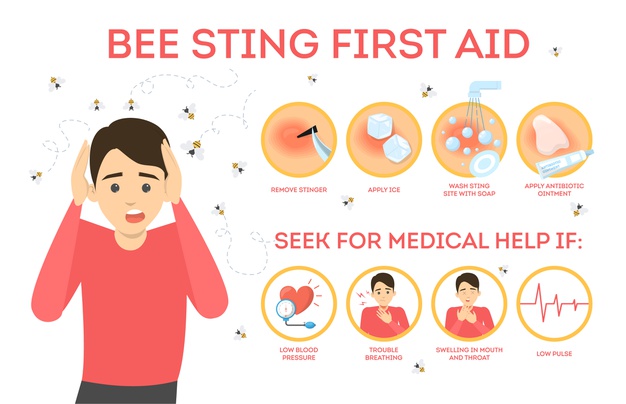
More serious symptoms appear when the immune system overreacts to the venom. Allergic reactions affect what doctors often describe as the body’s ABCs: airway, breathing, and circulation. When these systems are involved, the situation can become dangerous very quickly. Signs of an allergic reaction may include swelling that spreads far beyond the sting site, difficulty breathing, tightness in the throat or chest, dizziness, nausea, vomiting, or fainting.
Severe insect sting allergies are uncommon, but when they occur, they can be life-threatening. Some people do not know they are allergic until they are stung for the first time and experience symptoms. This unpredictability is one of the reasons medical professionals urge people to take stings seriously, especially when symptoms go beyond mild, localized discomfort.

Home Treatment for Bee and Wasp Stings
For individuals who are not allergic, most bee and wasp stings can be safely managed at home with basic first aid. The goal of home treatment is to limit venom absorption, reduce pain and swelling, and prevent infection. Once initial care is given, avoiding further stings becomes the next priority by wearing protective clothing, using insect repellent, and staying away from areas where bees or wasps are active.
One of the first steps is to remove the stinger if it is present. This applies mainly to honeybee stings. The stinger should be removed as quickly as possible, ideally by scraping it out with a flat object such as a credit card. Squeezing the stinger with fingers or tweezers can push more venom into the skin, so scraping is generally preferred.
Applying ice to the area can help reduce pain and swelling. Ice should be wrapped in a cloth or towel and applied for about 20 minutes at a time. This can be repeated every hour as needed. Placing ice directly on the skin without protection can cause skin damage and should be avoided.
Antihistamines can help control itching and swelling. Medications such as diphenhydramine or non-drowsy options like loratadine are commonly used. For pain, over-the-counter options such as acetaminophen or ibuprofen may provide relief. Washing the area gently with soap and water helps reduce the risk of infection, and applying hydrocortisone cream can ease redness and irritation.
Tetanus protection is another consideration. If it has been more than 10 years since the last tetanus booster, getting an updated shot within a few days is often recommended. In most cases, no further medical care is needed once these steps are taken.
People who know they are allergic to bee or wasp stings need to take extra precautions. If a severe reaction has occurred in the past, immediate medical attention is essential. Antihistamines can be taken at the first sign of a reaction, but they are not a substitute for emergency treatment. Individuals who have been prescribed an epinephrine auto-injector should carry two at all times and use them exactly as directed at the first sign of a serious allergic response.
Medical Treatment for Bee and Wasp Stings
Medical treatment becomes necessary when symptoms go beyond a mild, localized reaction or when there is any concern about an allergic response. The type of care a person receives depends on the severity of symptoms, how quickly they develop, and how the body responds during observation.
For someone who has a single sting and no signs of an allergic reaction, treatment is usually straightforward. Doctors focus on local wound care, which may include cleaning the area and applying an antibiotic ointment to reduce the risk of infection. If a stinger is still present, it will be removed carefully. An oral antihistamine may be recommended to help control itching, and pain can usually be managed with medications such as acetaminophen or ibuprofen. If a tetanus immunization is not up to date, a booster may be given as a precaution.
When mild allergic symptoms occur, such as a rash or itching that spreads beyond the sting site but does not affect breathing or blood pressure, treatment becomes more involved. Antihistamines are commonly used, and steroids may be added to calm the immune response. In some cases, epinephrine may be administered to prevent symptoms from worsening. These treatments can begin in an ambulance or at the emergency department. If symptoms improve and remain stable, the person may be discharged after a period of observation.
Moderate allergic reactions require closer monitoring. These reactions may involve widespread rash along with mild breathing difficulty. Treatment typically includes injections of antihistamines, steroids, and epinephrine. Because symptoms can return or worsen after initial improvement, patients are often observed for a longer period in the emergency department or admitted to the hospital for continued monitoring.
Severe allergic reactions represent a true medical emergency. These reactions can include dangerously low blood pressure, severe airway swelling, or major breathing problems. Immediate treatment may involve securing the airway with a breathing tube, administering epinephrine, antihistamines, and steroids, and providing intravenous fluids to stabilize circulation. Patients with severe reactions are closely monitored and are often admitted to the hospital, sometimes to an intensive care unit.
Even without an allergic reaction, multiple stings can be dangerous. When a person has been stung more than 10 to 20 times, the total amount of venom can affect the body in serious ways. In these cases, prolonged observation or hospital admission may be required, along with blood tests to monitor organ function and detect complications.
Certain sting locations also require special attention. Stings inside the mouth or throat can cause swelling that interferes with breathing, even if there is no allergy involved. Stings to the eye or directly on the eyeball require evaluation by an eye specialist to prevent lasting damage.
Bee and wasp stings are usually manageable, but they deserve respect. Understanding when home care is enough and when medical treatment is necessary can prevent minor injuries from becoming serious emergencies.