

On land, humans like to think they sit comfortably at the top of the food chain. We walk upright, see clearly, move fast enough, and understand our surroundings. The moment that environment shifts from dry ground to open water, that confidence collapses. Without boats, engines, or protective barriers, people become slow, awkward, and poorly adapted to the underwater world. Vision is limited, movement is restricted, and awareness drops fast. In that environment, humans are no longer dominant hunters but potential prey.
The ocean is not hostile by design, but it is unforgiving to mistakes. Many marine animals are faster, stronger, better camouflaged, and far more comfortable in the water than any swimmer or diver. Some rely on venom, others on brute strength, and a few on opportunistic aggression. What makes them frightening isn’t just their appearance, but how easily humans can underestimate them.
This list is subjective, but it is grounded in research and documented encounters. The creatures included here represent a mix of reputation, real danger, aggressive behavior, and the ability to cause serious injury or death to humans. In many cases, injuries are avoidable, especially with knowledge and caution. Interestingly, two animals on this list cause most of their harm not in the wild, but in aquariums and restaurants, where familiarity leads to lowered guard.
Before diving into the list, it’s worth acknowledging several notable animals that did not make the cut. Killer whales have very few confirmed attacks on humans in the wild, with most incidents occurring in captivity. Octopuses are intelligent and capable of aggression, but serious human injuries are rare. Sea cucumbers may look bizarre, but they pose little threat. Piranhas, despite their reputation, live only in freshwater and have a long history of exaggerated danger in popular culture.
Box Jellyfish
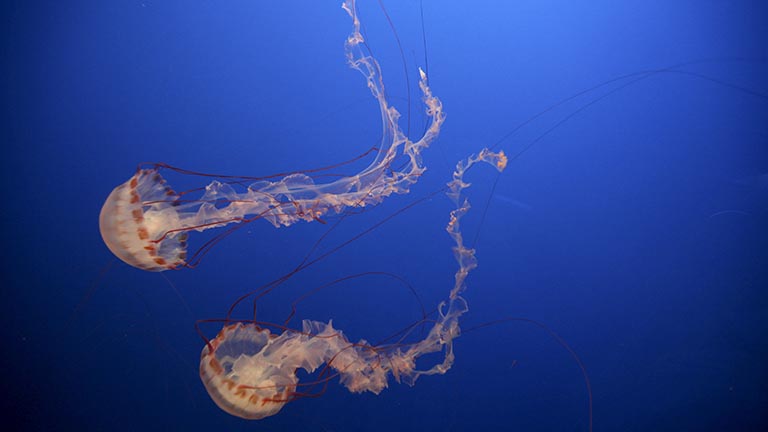
Among ocean predators, few match the sheer lethality of the box jellyfish. These translucent, cube-shaped creatures drift silently through tropical waters, nearly invisible until it’s too late. Unlike animals that rely on teeth or claws, box jellyfish kill with venom delivered through long, trailing tentacles.
There are no precise global death statistics, largely because many regions where box jellyfish live do not require official reporting. However, anecdotal evidence suggests that dozens, and possibly more than a hundred people, may die each year from box jellyfish stings worldwide. In the Philippines alone, estimates indicate that 20 to 40 deaths occur annually due to box jellyfish encounters.
The danger comes from both speed and potency. Some Australian species possess dozens of tentacles, each extending up to 15 feet. The venom carried in these tentacles is powerful enough to kill up to 60 adult humans. A sting from the infamous Chironex fleckeri can trigger cardiac arrest in under three minutes, leaving little time for rescue or treatment.
Box jellyfish species found near Hawaii, Florida, and other U.S. locations are also capable of inducing heart failure. Even non-fatal stings cause extreme pain, muscle paralysis, and long-term nerve damage. An often-mentioned relative, the Portuguese man-of-war, earns an honorable mention here. While not technically a jellyfish, its sting is infamous for causing pain described as comparable to a lightning strike.
Tiger Shark
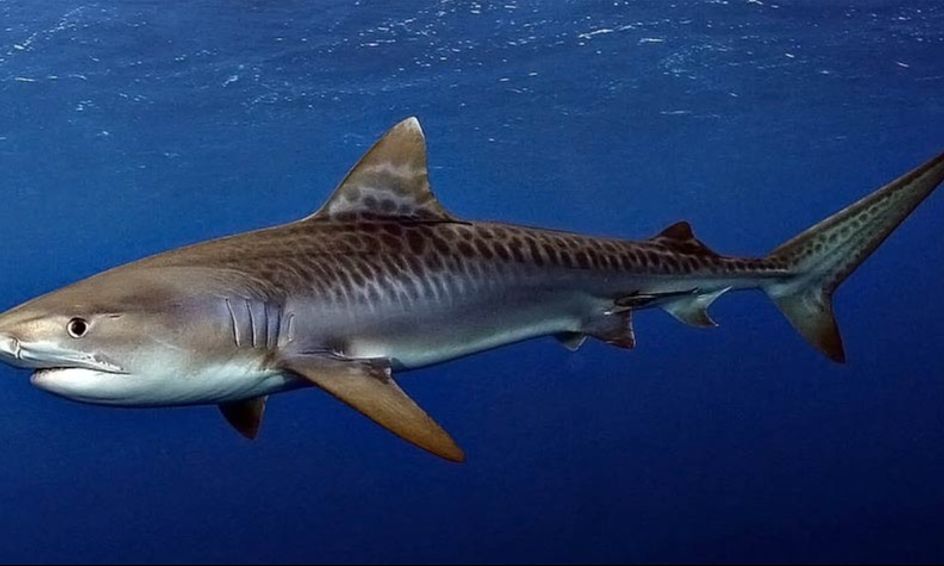
Great white sharks may dominate headlines and movies, but statistically, tiger sharks are responsible for more fatal encounters with humans. Their reputation is earned through both behavior and biology. Tiger sharks are opportunistic feeders with little discrimination when it comes to diet.
Studies and stomach analyses conducted by marine researchers, including NOAA, have revealed that tiger sharks consume an astonishing range of objects. Their diet includes fish, seals, birds, squid, dolphins, smaller sharks, and occasionally non-food items such as license plates and pieces of rubber tires. This lack of selectivity increases the risk of human encounters.
Tiger sharks can grow longer than 18 feet and weigh over a ton. They are commonly found in tropical and temperate waters, particularly around islands in the central Pacific. Their size, strength, and curiosity make them formidable predators.
Despite their fearsome image, it’s important to keep risk in perspective. Worldwide shark attacks each year number only in the dozens. The number of people killed annually by sharks globally is roughly comparable to those killed by lightning in the United States alone. In a recent year, only four confirmed shark-related deaths occurred worldwide. Still, when a tiger shark does attack, the consequences can be devastating.
Stonefish
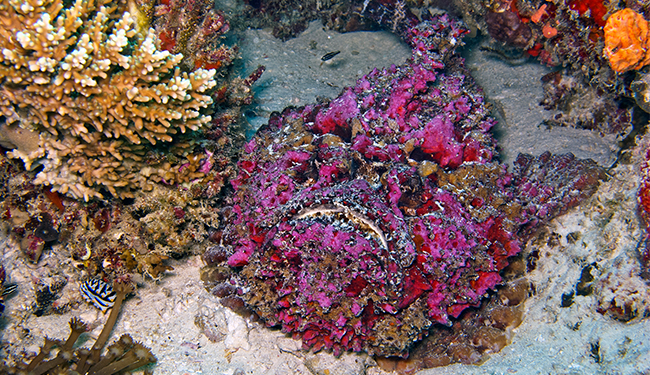
The stonefish earns its place near the top of this list for a combination of lethality and deception. It is widely recognized as the most venomous fish in the world, and its greatest weapon isn’t speed or aggression, but invisibility. Resting motionless on the seafloor, the stonefish blends perfectly with rocks, coral, and debris. Even experienced divers can fail to notice one until it’s too late.
Stonefish do not chase or attack people. The danger comes when someone accidentally steps on one. Along its back are sharp, rigid spines connected to venom glands. When pressure is applied, the spines inject venom directly into the foot or leg. The pain is immediate and extreme, often described as unbearable.
If untreated, stonefish venom can cause tissue damage, temporary paralysis, and in severe cases, death. Victims may experience intense swelling, shock, and cardiovascular complications. Treatment must be prompt, and antivenom is sometimes required. Because these fish remain perfectly still and rely on camouflage, many injuries occur in shallow coastal waters where people feel most relaxed.
Pufferfish
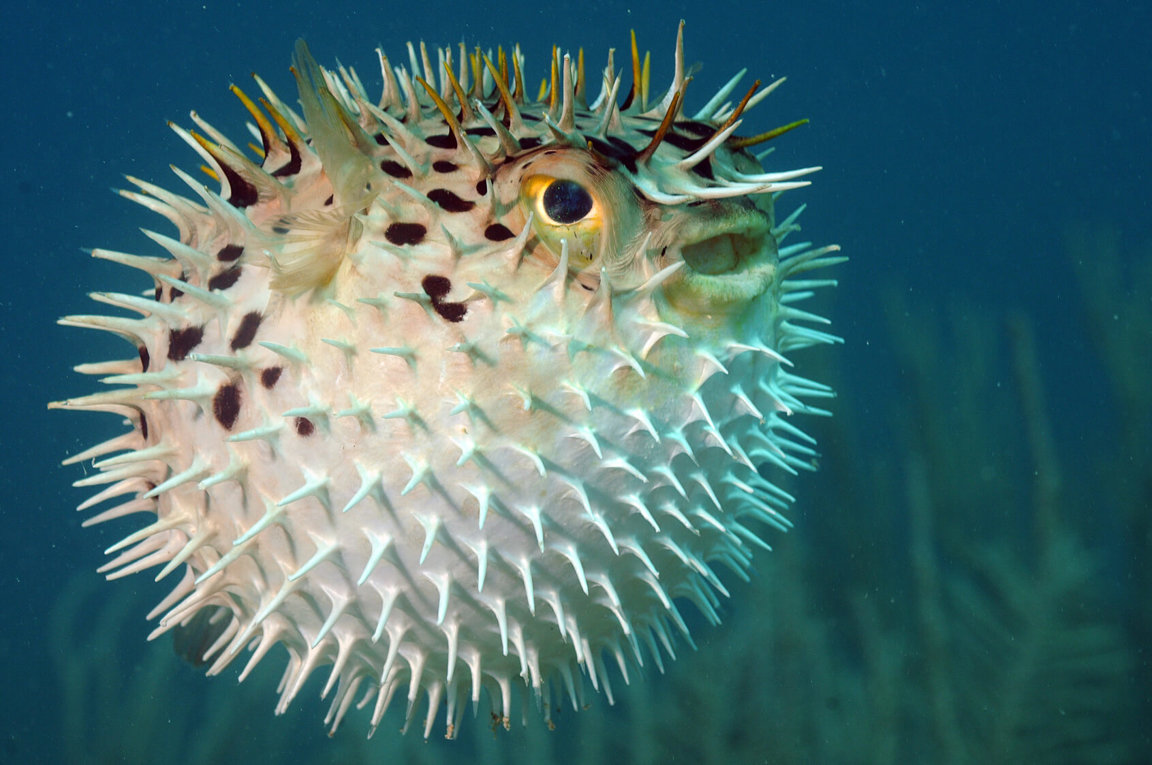
The pufferfish is one of the few animals on this list that doesn’t require physical contact to be deadly. Also known as the blowfish, it contains tetrodotoxin, a neurotoxin significantly more potent than cyanide. This toxin is found in several organs, including the liver and ovaries, and it interferes with nerve signaling, leading to paralysis and respiratory failure.
In Japan, pufferfish is prepared as a delicacy known as fugu. Only specially trained and licensed chefs are legally allowed to prepare it, yet accidental poisonings still occur from time to time. Even small amounts of improperly prepared pufferfish can be fatal.
Ironically, this same toxin has shown promise in medical research. Experimental treatments using controlled doses of tetrodotoxin have been studied for managing severe pain and easing withdrawal symptoms from drugs such as heroin. Despite this potential, the pufferfish remains a reminder that danger doesn’t always look aggressive or threatening.
Sea Snake
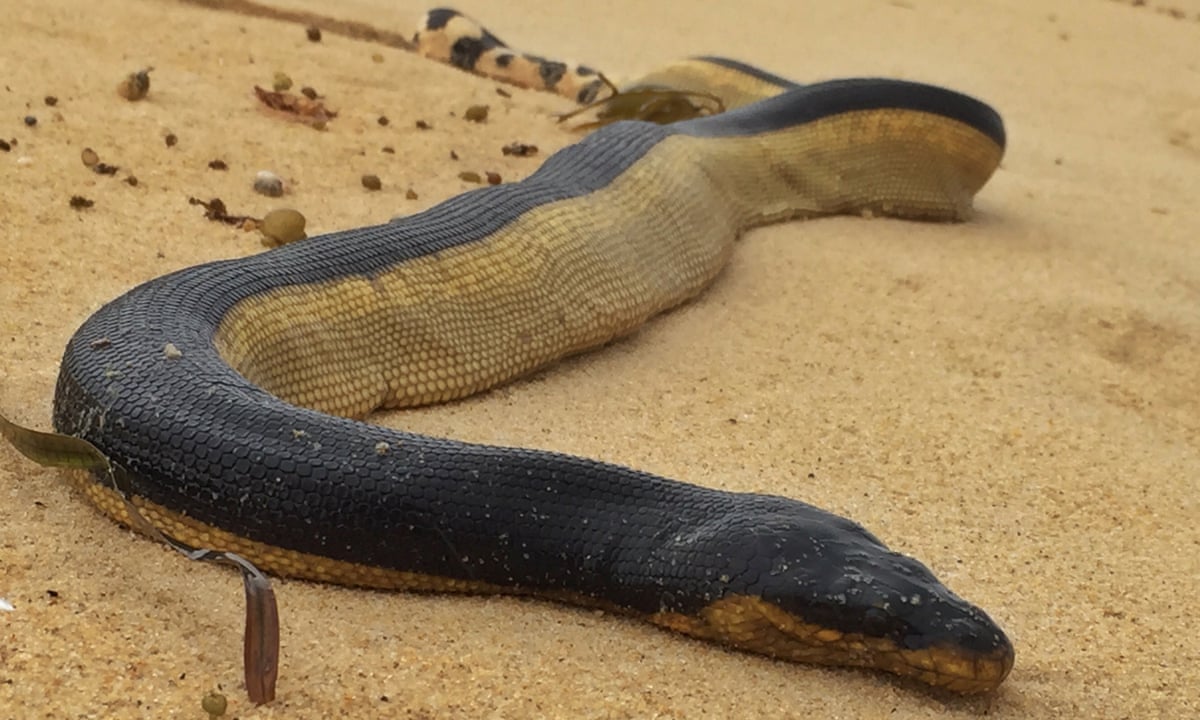
Snakes trigger an instinctive fear in many people, and sea snakes amplify that fear by combining venom with aquatic agility. Technically, sea snakes are more venomous than many land snakes, possessing toxins powerful enough to immobilize prey rapidly.
Fortunately for humans, sea snakes are shy and reclusive. They spend most of their time hunting fish and hiding among reefs, avoiding contact with larger animals. Bites to humans are extremely rare and usually occur when the snake is handled or trapped in fishing nets.
Despite their potent venom, sea snakes are not considered a major threat to people. Their behavior, rather than their biology, keeps them from ranking higher. Still, their presence serves as a reminder that high venom potential doesn’t always translate to high danger.
Lionfish
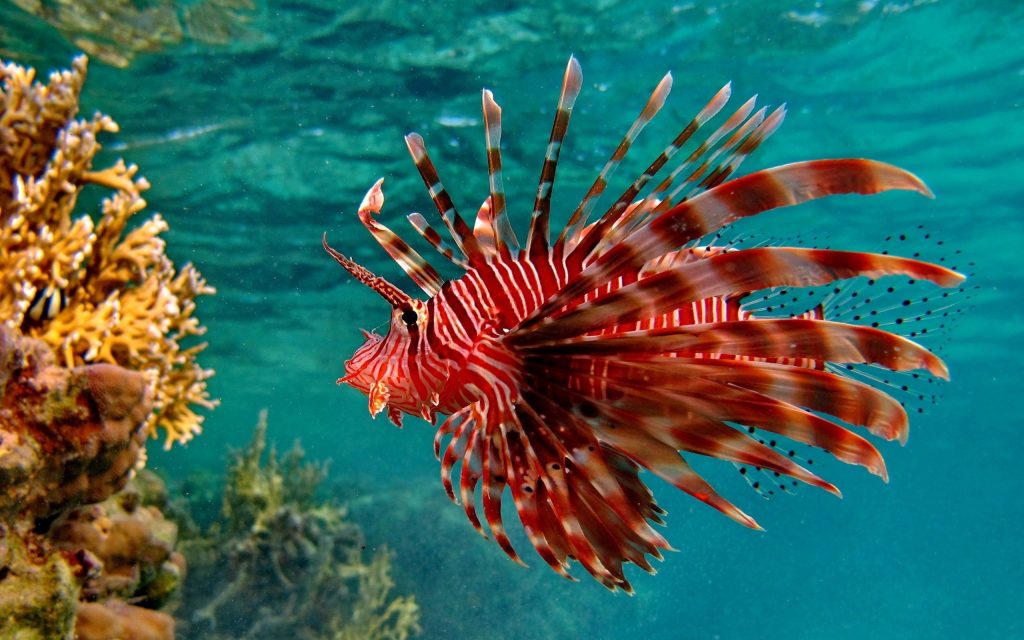
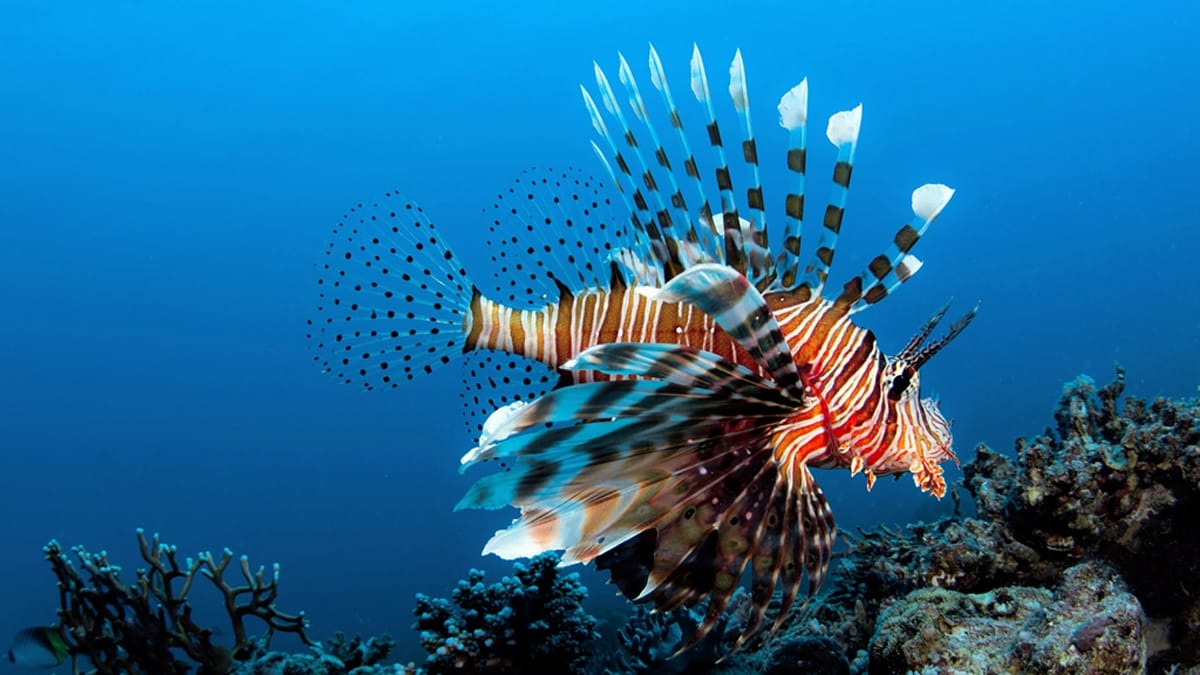
Lionfish are visually stunning, with flowing fins and bold stripes that make them popular in home aquariums. Beneath that beauty lies a defense system of venomous spines capable of delivering painful stings.
Lionfish are not aggressive and rarely pose a threat in open water. However, their spines can cause severe pain, headaches, nausea, vomiting, and in some cases, respiratory distress. The most intense pain usually peaks within an hour, but lingering tingling or sensitivity can last for weeks.
Ironically, most lionfish injuries occur far from the ocean. Aquarium owners and handlers are far more likely to be stung than divers or fishermen. Familiarity breeds complacency, and careless handling often leads to painful consequences.
Crocodile
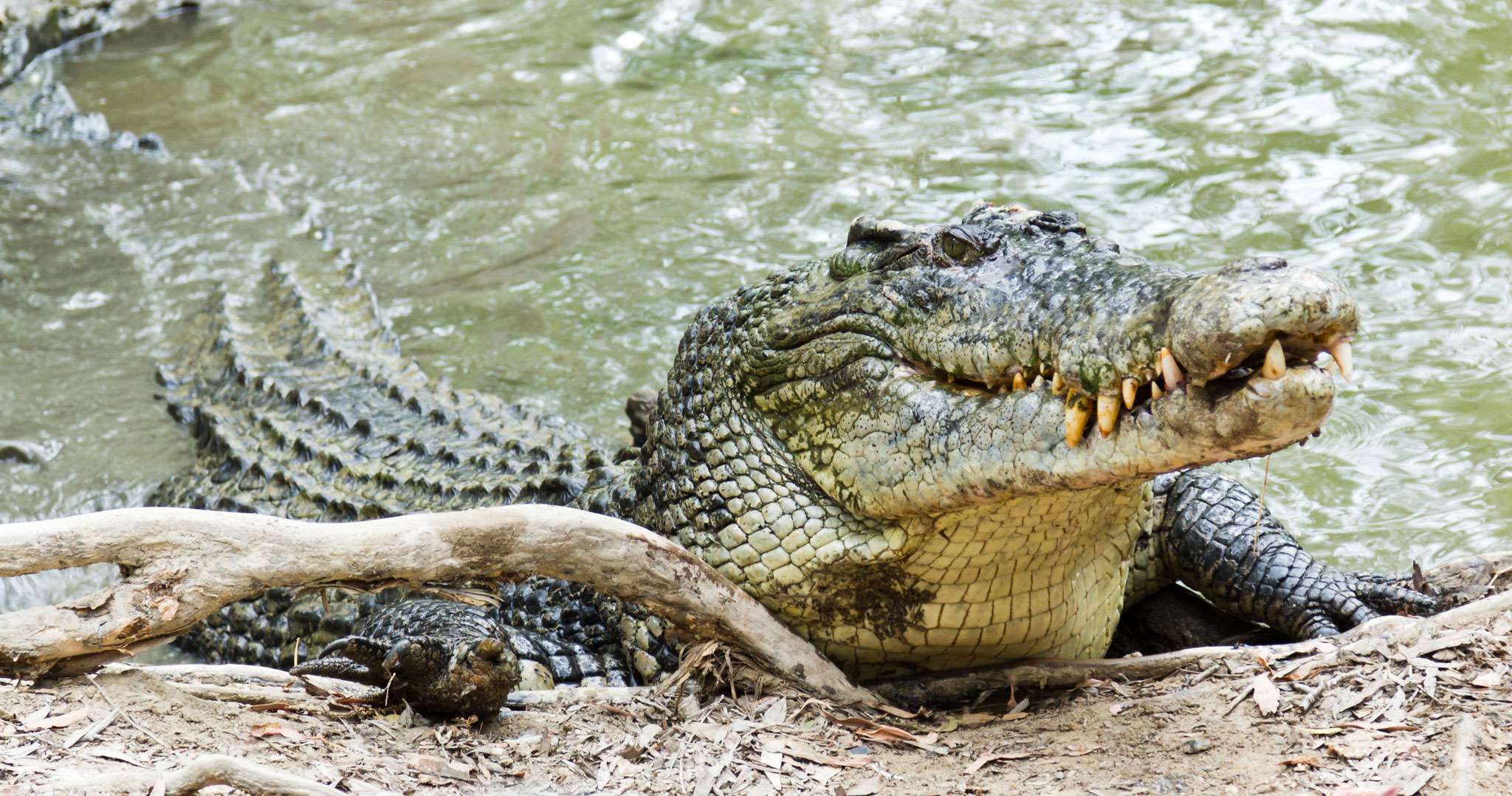
Among underwater predators, few inspire as much fear as the saltwater crocodile. These massive reptiles have earned their reputation through raw power and efficiency. Capable of growing more than 20 feet long and weighing up to 3,000 pounds, they dominate their environment with ease.
Saltwater crocodiles are opportunistic hunters, preying on animals ranging from fish to large mammals such as buffalo, kangaroos, and even sharks. Humans are not their preferred prey, but attacks do occur, often with fatal results.
Their signature hunting technique, known as the death roll, involves clamping down with immense jaw strength and spinning rapidly to disorient, drown, and tear apart prey. This method allows crocodiles to overpower animals much larger than themselves. While their numbers are declining in some regions due to habitat loss and climate change, their presence near rivers and coastlines continues to pose a serious risk.
Stingray
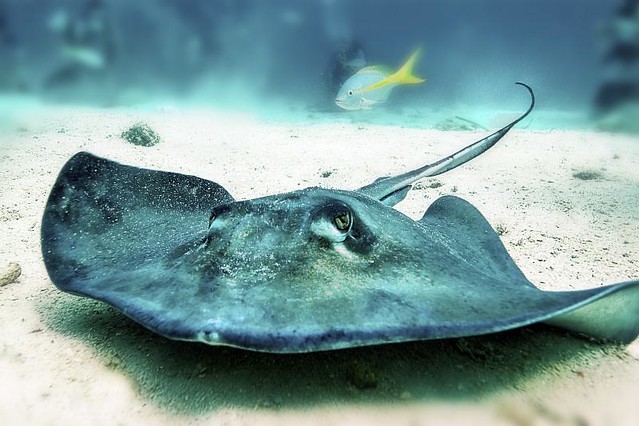
At first glance, stingrays don’t look particularly threatening. They glide through the water with slow, graceful movements, often buried beneath sand near shorelines. Despite this calm appearance, stingrays possess a highly effective defensive weapon that earns them a place on this list.
The tail of a stingray is armed with a rigid, spear-like barb that can measure up to eight inches long. This barb is made of dermal denticles, the same tough material found in shark skin, and its edges are serrated like a knife. When a stingray feels threatened, it reflexively whips its tail upward, driving the barb into whatever startled it.
The venom delivered through this barb is protein-based and causes intense pain, along with potential effects on heart rate and breathing. While stingray attacks are rare and almost always defensive, accidents do happen, particularly when people step on rays hidden beneath shallow water sand. The 2006 death of wildlife expert Steve Irwin brought global attention to the potential danger, even though such fatal outcomes are extremely uncommon.
Sea Lion
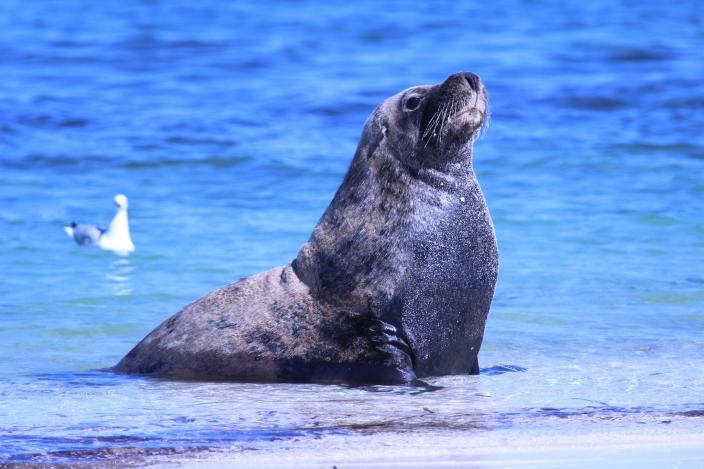
Sea lions often surprise people by appearing on lists like this. They are widely seen as playful, intelligent, and harmless, especially in zoos and marine parks. However, in the wild, sea lions are powerful, territorial animals capable of sudden aggression.
Bites and aggressive encounters typically occur when sea lions feel threatened, cornered, or stressed. In some cases, unusual behavior has been linked to environmental factors. In California, a series of attacks reported in coastal areas during the mid-2000s raised concerns among scientists and caretakers. Some researchers suggested that toxic algae consumed by fish—and then eaten by sea lions—may have altered their behavior.
Wildlife officials consistently warn that sea lions should never be approached or fed. They have sharp teeth and strong jaws, and even a defensive bite can cause serious injury. Their unpredictability makes them dangerous despite their friendly public image.
Moray Eel
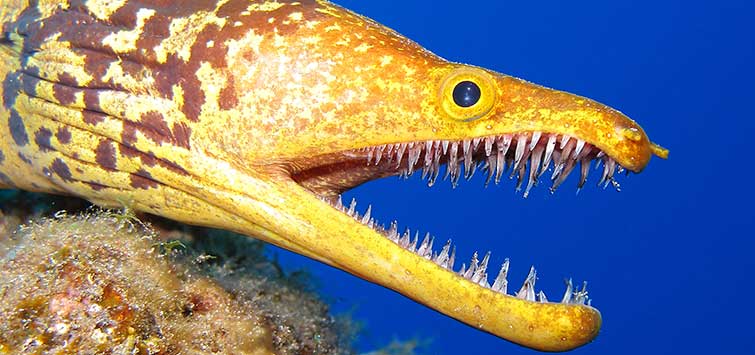
Moray eels look like something pulled from a nightmare. Their long, snake-like bodies, wide jaws, and constantly visible teeth give them an intimidating presence. These fish can grow up to eight feet long and spend much of their time hidden in rocky crevices during daylight hours.
Morays are not aggressive by nature, but they will bite if startled, threatened, or mistaken during feeding. Their teeth are razor-sharp, and their powerful jaws create ragged wounds that are highly prone to infection. Bacteria inside a moray eel’s mouth can complicate healing and increase the risk of serious infection.
Most bites occur due to human error, particularly when divers place their hands into rocky holes or attempt to feed morays directly. Marine experts strongly advise keeping hands clear of crevices and avoiding feeding behavior entirely. When left undisturbed, moray eels pose little threat, but when provoked, they are fast, powerful, and capable of causing lasting injury.
The underwater world is filled with animals that demand respect rather than fear. Many of the creatures on this list become dangerous only when humans ignore warning signs, underestimate their capabilities, or intrude into their space. Knowledge, caution, and awareness remain the most effective tools for staying safe beneath the surface.