


Take a slow look around your living space. The furniture, the floors, the walls, even the products tucked under the sink all tell a chemical story most people never stop to think about. Many everyday household items contain substances that can quietly enter the body over time. When exposure builds up, even small amounts can begin to affect long-term health. Learning what these chemicals are, where they hide, and how to limit contact with them can make a meaningful difference for you and your family.
According to Dr. Andrew Rooney, a toxicology and risk specialist at the National Institutes of Health, people are exposed to a wide range of chemicals at home, usually in low concentrations. While this might sound reassuring, these substances still matter because exposure often happens daily and from multiple sources at once. Materials used in construction, cookware, cleaning solutions, shower curtains, furniture, carpets, and many other common household goods can all contribute to chemical exposure without any obvious warning signs.
It’s also important to keep perspective. Not every chemical is dangerous. Dr. Heather Patisaul, a neuroscientist and toxicology expert at North Carolina State University, explains that most substances found in our environment are likely harmless. Only a smaller group poses real concern. Still, that smaller group is large enough to deserve attention, especially since there are relatively simple actions people can take to reduce unnecessary exposure.
These widely used substances can appear in places you would never expect, from personal care products applied directly to the skin to items used for cooking daily meals. Understanding where they show up and what risks they carry is the first step toward making a home healthier and safer.

13 Toxic Chemicals in Your Home
Asbestos
Asbestos is a naturally occurring mineral that was once praised for its strength and resistance to heat and chemical damage. For decades, it was added to building materials to improve durability and fire resistance. While its use has dropped significantly, asbestos has never been fully banned in the United States. Even today, certain building materials are legally allowed to contain small amounts.
Older homes are especially likely to harbor asbestos, often hidden in roof shingles, floor tiles, insulation, or textured ceiling materials. The danger lies in the fibers. When disturbed during renovations or repairs, these microscopic fibers can become airborne and inhaled. Once inside the body, they do not break down easily. Over time, asbestos fibers can cause chronic inflammation, scarring of lung tissue, severe respiratory conditions, and several forms of cancer. This is why testing for asbestos before remodeling older homes is strongly recommended.
Benzyl Benzoate
Benzyl benzoate serves multiple purposes, which is part of why it remains so common. Medically, it has been used to treat lice and scabies due to its insecticidal properties. Outside of medicine, it appears as a fragrance ingredient, a food flavoring agent, and a component in plastics.
Despite its usefulness, benzyl benzoate raises concerns because of its potential neurological effects. Research suggests it may act as a neurotoxin, meaning it could interfere with normal nervous system function when exposure levels are high or prolonged. Because it can be absorbed through the skin or inhaled as part of scented products, repeated exposure may happen without people realizing it.
Bisphenol-A (BPA) and Bisphenol-S (BPS)
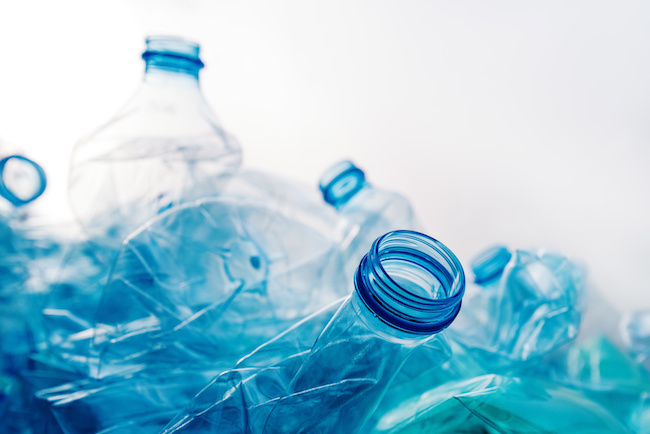
BPA is a chemical used to produce polycarbonate plastics, valued for being clear, rigid, and lightweight. These plastics have been used in baby bottles, food containers, and the linings of metal cans. As public awareness of BPA’s health risks grew, many manufacturers replaced it with BPS, marketing products as “BPA-free.”
Unfortunately, research increasingly shows that BPS behaves very similarly inside the body. Both chemicals can disrupt the endocrine system, which regulates hormones. Exposure has been associated with obesity, fertility issues, and cancers affecting reproductive organs. Because these substances can leach into food and drinks, especially when containers are heated, exposure often occurs through everyday eating habits.
DEHP
DEHP belongs to a group of chemicals known as phthalates, which are used to make plastics flexible. It is commonly found in PVC products and even in some industrial fluids. The problem with DEHP is that it does not stay locked inside plastic materials. Over time, it can migrate into food, water, and air.
Studies have linked DEHP exposure to damage in reproductive organs, as well as harmful effects on the lungs, kidneys, liver, and developing fetuses. Because it accumulates gradually, the greatest concern is long-term exposure rather than short-term contact.
Endocrine Disrupting Chemicals
The endocrine system controls hormone production and regulation throughout the body, influencing growth, metabolism, reproduction, and mood. Endocrine-disrupting chemicals interfere with this system by mimicking natural hormones or blocking them altogether.
These disruptions can have serious consequences, particularly during critical developmental stages such as pregnancy and early childhood. Research has connected endocrine disruptors to reproductive disorders and hormone-related cancers. What makes them especially troubling is that even very small amounts can have effects, because hormones themselves operate at extremely low concentrations in the body.
Formaldehyde
Formaldehyde is a colorless gas with a strong, sharp odor that many people recognize instantly. It is used widely in building materials, textiles, cosmetics, pesticides, and household goods. That “new” smell from furniture, mattresses, clothing, or even cars is often formaldehyde off-gassing into the air.
This chemical is classified as a carcinogen and has been associated with a wide range of health effects. These include irritation of the eyes and respiratory system, immune system suppression, nerve damage, reproductive issues, and skin reactions. Continuous indoor exposure can be especially problematic because formaldehyde builds up in enclosed spaces with poor ventilation.
Lead
Lead is a heavy metal that remains a serious household hazard despite decades of regulation. In homes, it may still be found in old paint layers, plumbing systems, toys, and even certain cosmetics. Unlike many other substances, lead has no safe exposure level.
Once inside the body, lead accumulates in bones and tissues, interfering with brain development and nervous system function. Children are especially vulnerable, as even low levels can cause lasting cognitive and behavioral problems. Adults are not immune either, facing risks such as kidney damage and cardiovascular issues with prolonged exposure.
Polybrominated Diphenyl Ethers (PBDEs)
Polybrominated diphenyl ethers, commonly shortened to PBDEs, were introduced as flame retardants and quickly became widespread in household products. They have been used in foam furniture, carpet padding, electronics, plastics, textiles, and various construction materials. The goal was fire prevention, but the long-term consequences were poorly understood at the time these chemicals entered everyday use.
PBDEs do not break down easily. Instead, they persist in the environment and gradually accumulate in human tissue. Dust inside homes is a major source of exposure, especially for children who spend time playing on floors. Scientific studies have linked PBDE exposure to tumor development, disruptions in thyroid hormone function, and delayed brain development. Because these chemicals remain in older furniture and materials for years, many homes still contain them even though some formulations have been phased out.
Parabens
Parabens are preservatives designed to prevent mold and bacteria growth in products that contain water. They are commonly found in cosmetics and personal care items such as toothpaste, shampoo, moisturizers, lotions, and shaving products. Their widespread use comes from their effectiveness and low cost.
The concern with parabens lies in their ability to mimic estrogen in the body. As endocrine disruptors, they can interfere with hormone signaling after being absorbed through the skin. Research has associated parabens with an increased risk of certain cancers, particularly breast cancer, due to their hormonal activity. Because these products are often used daily and sometimes multiple times a day, exposure can become continuous.
Phthalates
Phthalates are used to soften plastics and to help fragrances last longer in beauty and household products. They appear in vinyl flooring, plastic packaging, perfumes, lotions, and many other consumer goods. Unlike ingredients that remain bound to a product, phthalates easily migrate into air, food, and dust.
Multiple studies have identified phthalates as endocrine disruptors with additional toxic effects. Exposure has been linked to liver and kidney damage, increased cancer risk, and worsened asthma and allergy symptoms in some children. Their presence in fragranced products makes them particularly difficult to avoid, as labels often list “fragrance” without specifying individual chemical components.
Per- and Polyfluoroalkyl Substances (PFAs)
PFAs are a broad class of chemicals that include PFOA, PFOS, and newer alternatives such as GenX. These substances repel water and grease, which makes them useful in nonstick cookware, stain-resistant carpets and clothing, waterproof fabrics, and even food packaging like microwave popcorn bags.
What makes PFAs especially concerning is their persistence. Often referred to as “forever chemicals,” they accumulate in the body over time and resist breakdown. Studies have linked PFA exposure to cancers, cardiovascular disease, immune system suppression, and hormonal imbalances. Even low-level exposure can become significant when it continues for years.
Perfluorinated Chemicals (PFCs)
Closely related to PFAs, perfluorinated chemicals share similar properties and uses. They are resistant to heat, water, and grease, which explains their popularity in fast food containers, paints, furniture finishes, flooring materials, and coatings.
Research has associated PFC exposure with thyroid dysfunction, immune system damage, reproductive harm, elevated cholesterol levels, hypertension, and developmental issues in infants. Because these chemicals are often part of surface treatments, people may not realize they are present at all, making exposure harder to track or avoid.
Volatile Organic Compounds (VOCs)
Volatile organic compounds are a large category of chemicals that easily evaporate into the air at room temperature. The term “organic” refers to carbon-based chemistry, not natural or safe ingredients. VOCs are released from paints, cleaning products, furniture finishes, adhesives, air fresheners, and many fragranced items.
Indoor air pollution is a major concern with VOCs, especially in homes with limited ventilation. Short-term exposure can cause irritation of the eyes, nose, and throat, along with headaches and dizziness. Long-term exposure has been linked to cancer, liver and kidney damage, and nervous system disorders. Infants and unborn babies are particularly vulnerable because their developing bodies are more sensitive to chemical interference.

How to Reduce Toxic Chemicals in Your Living Space
The most practical place to start limiting chemical exposure is at home. While eliminating every toxic substance may not be realistic, there are straightforward steps that can significantly reduce daily contact. Small changes made consistently can have a noticeable impact over time.
Make Your Own Cleaning Products
Many conventional cleaners rely on harsh chemical formulas that contribute to indoor pollution. Although surfaces may look clean, the chemical residue left behind can linger in the air and on countertops. Simple ingredients like vinegar, baking soda, and lemon juice are effective alternatives for most cleaning tasks. For those who prefer ready-made options, there are companies producing genuinely low-toxicity cleaning supplies, including laundry detergents, that avoid unnecessary additives.
Choose Secondhand or Organic Clothing
That strong “new clothes” smell is not a sign of freshness. It is chemical residue left from manufacturing, including dyes, finishing agents, and preservatives. These substances can be absorbed through the skin. Organic fabrics reduce exposure to agricultural chemicals, while secondhand clothing has already released most of its chemical load through washing and wear. Avoid production methods such as heavily distressed denim, which often rely on intensive chemical treatments.
Cut Back on Plastic Use
Eliminating all waste may not be feasible, but reducing plastic use is an achievable goal. Single-use plastics contribute to environmental pollution and continue releasing chemicals long after disposal. Choosing reusable bottles, containers, utensils, and shopping bags helps lower exposure both at home and beyond. Over time, these habits also reduce the amount of plastic entering waterways and ecosystems.
Use the EWG Skin Deep Database
When buying skincare, cosmetics, or personal hygiene products, it helps to know exactly what you’re putting on your body. The Environmental Working Group’s Skin Deep database is a practical tool for this purpose. It contains safety ratings and ingredient breakdowns for tens of thousands of products, allowing consumers to quickly see which chemicals raise red flags.
Instead of relying on vague marketing claims like “natural” or “clean,” this database provides evidence-based information. It explains what each ingredient does, how it may affect the body, and how strong the scientific evidence is behind those concerns. Over time, using this resource can help you spot patterns and make better-informed choices without feeling overwhelmed.
Leave Your Shoes at the Door
Shoes are one of the most overlooked sources of indoor contamination. Even when wiped carefully, they carry residues from sidewalks, lawns, parking lots, and streets straight into the house. These residues often include pesticides, herbicides, heavy metals, and other industrial chemicals.
Research has shown that shoes are responsible for the vast majority of lead dust found inside homes. In fact, tracked-in chemicals can sometimes exceed dietary exposure from non-organic produce. Creating a habit of removing shoes at the door, porch, or garage significantly reduces this kind of contamination and keeps floors safer, especially for children.
Let Fresh Air Circulate
Modern homes are often sealed tightly to improve energy efficiency, but this can trap chemicals indoors. Paints, carpets, furniture finishes, adhesives, and flame-retardant coatings all release gases into the air over time, especially in newer buildings.
Opening windows regularly allows these substances to dissipate instead of accumulating. Even short periods of ventilation can noticeably improve indoor air quality. This is particularly important after renovations, new furniture purchases, or painting projects, when off-gassing tends to be strongest.

Replace Wall-to-Wall Carpeting
Carpeting may feel comfortable, but it can be one of the most chemically dense features in a home. Many carpets are made from petroleum-based materials like nylon, polypropylene, and acrylic. They are often treated with stain repellents, antistatic agents, dyes, antimicrobial coatings, and other chemical finishes.
The backing and padding introduce additional concerns, commonly containing vinyl, PVC, or synthetic latex. Together, these layers can trap dust, chemicals, and allergens. Replacing carpets with hardwood, tile, or natural materials such as untreated wool can significantly reduce chemical load while also making cleaning easier.
Ditch Non-Stick Cookware
Non-stick pans rely on a group of chemicals known as poly- and perfluoroalkyl substances to create their slick surface. These chemicals are highly stable, meaning they persist in the body and the environment for long periods.
Exposure has been linked to infertility, thyroid disorders, organ damage, and developmental problems. While non-stick cookware offers convenience, the tradeoff can be steep. Alternatives like cast iron, stainless steel, or carbon steel provide safe and durable options when properly maintained, without introducing persistent toxins into meals.
Buy Produce from the Clean Fifteen List
Buying organic produce is not always affordable or accessible, but there are ways to reduce pesticide exposure without it. The Clean Fifteen list identifies fruits and vegetables that tend to have the lowest pesticide residues even when grown conventionally.
Many of these foods have natural protective skins or peels that limit chemical absorption. Items like avocados, pineapples, sweet corn, mangoes, kiwis, and grapefruits often fall into this category. Prioritizing these foods can lower overall pesticide intake while keeping grocery costs manageable.
Reducing toxic chemicals at home doesn’t require perfection or drastic lifestyle changes. Awareness, small adjustments, and consistent habits can steadily shift a living space toward being cleaner, safer, and healthier over time.