

Carbon monoxide, commonly referred to as CO, is one of the most dangerous household gases precisely because it cannot be detected by human senses. It has no smell, no color, and no taste, yet it has the ability to kill within minutes under the right conditions. Carbon monoxide is produced whenever fuels such as gasoline, natural gas, propane, kerosene, wood, or charcoal are burned. This means it can be released by cars and trucks, small engines, stoves, fireplaces, furnaces, grills, and many other everyday appliances.
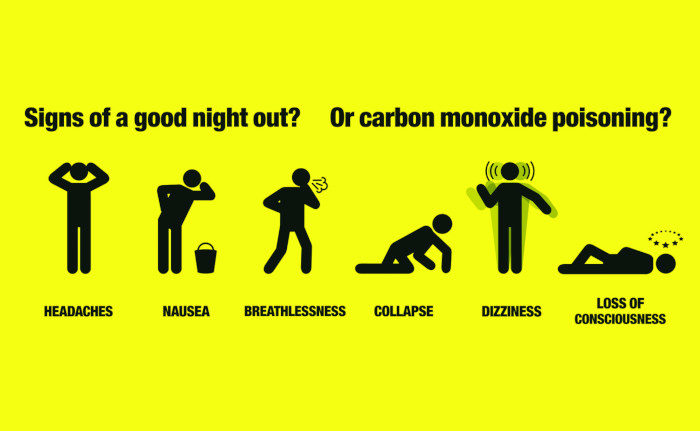
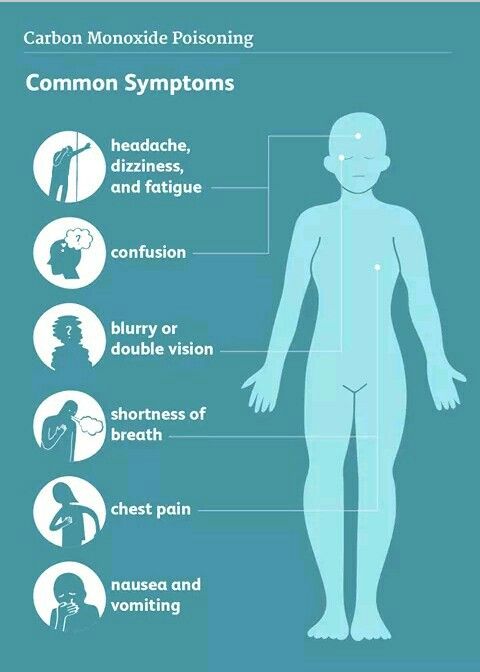
When carbon monoxide builds up indoors, it replaces oxygen in the air and is inhaled into the lungs. People and animals who breathe it are poisoned without realizing what is happening. The earliest symptoms of carbon monoxide poisoning often resemble common illnesses, which makes the danger even harder to recognize. Headaches, dizziness, weakness, nausea, vomiting, chest pain, and confusion are typical warning signs. Because these symptoms feel similar to the flu, many people fail to connect them to a life-threatening gas.
Inhaling large amounts of carbon monoxide can cause loss of consciousness or death within a short period of time. People who are asleep, intoxicated, or otherwise impaired may never experience early warning symptoms at all. In these cases, carbon monoxide poisoning can be fatal before the person realizes there is a problem.
Who Is at Risk From Carbon Monoxide Exposure?
Every person is vulnerable to carbon monoxide poisoning, but certain groups face a higher risk of severe illness. Infants, older adults, and individuals with chronic heart disease, anemia, or respiratory conditions are more likely to experience serious effects from lower levels of exposure. Their bodies are less able to tolerate reduced oxygen delivery to tissues.
Each year, carbon monoxide poisoning claims hundreds of lives in the United States alone. More than four hundred people die annually from unintentional exposure that is not related to fires. Tens of thousands seek emergency medical care, and several thousand require hospitalization. These numbers highlight how widespread and preventable this danger truly is.
Carbon monoxide poisoning occurs when the gas builds up in the bloodstream. Once inhaled, carbon monoxide binds to hemoglobin in red blood cells more effectively than oxygen does. As a result, oxygen is displaced and cannot be delivered to vital organs. This oxygen deprivation leads to tissue damage and, in severe cases, death.
Carbon monoxide is produced whenever fuel does not burn completely. Poor ventilation, malfunctioning appliances, and enclosed or tightly sealed spaces allow the gas to accumulate rapidly. Garages, basements, and poorly ventilated rooms are especially dangerous locations. If carbon monoxide poisoning is suspected, immediate action is critical. Moving into fresh air and seeking emergency medical attention can save lives.
The Persistent Danger of Carbon Monoxide
Carbon monoxide is not a new or exotic hazard. It is a well-known, persistent threat that continues to claim lives every year. Despite this, many homes still lack proper carbon monoxide detection. Installing carbon monoxide alarms near every sleeping area is one of the most effective ways to protect against accidental poisoning.
Fuel-burning appliances must be kept in good working order and inspected regularly. Grills, generators, and gasoline-powered tools should never be used indoors. Vehicles should never be left running in an attached garage, even if the garage door is open. Generators should always be placed far enough away from buildings to prevent exhaust fumes from entering living spaces.
Carbon monoxide gas forms whenever common fuels burn. It gives no warning of its presence and prevents the blood from carrying enough oxygen once inhaled. The brain and heart are affected first, but all organs suffer when deprived of oxygen. High concentrations can kill rapidly, while lower levels may cause lasting damage, including permanent injury to the brain.
Preventing Carbon Monoxide Poisoning in the Home
Preventing carbon monoxide poisoning begins with understanding where the gas comes from and how easily it can build up indoors. Any appliance or device that burns fuel has the potential to produce carbon monoxide if it is not working properly or if ventilation is inadequate. Because carbon monoxide is invisible and odorless, prevention relies entirely on maintenance, safe practices, and early detection.
All fuel-burning appliances should be inspected regularly by qualified professionals. This includes furnaces, gas ovens and stoves, water heaters, clothes dryers, fireplaces, wood-burning stoves, and portable space heaters. Inspections help ensure that these appliances are operating correctly and that exhaust gases are being safely vented outside. Chimneys, flues, and vents must remain clear and in good condition so that combustion gases do not leak back into living spaces.
Gasoline-powered tools and engines should never be used indoors or in enclosed areas such as garages, basements, or sheds. This includes lawn equipment, pressure washers, and generators. Generators, in particular, should always be operated outdoors and placed far enough away from windows, doors, and vents so that exhaust fumes cannot enter the home.
Vehicles are another common source of carbon monoxide. A car should never be left running in an attached garage, even if the garage door is open. Exhaust fumes can quickly accumulate and seep into the home. Snow, debris, or other obstructions around exhaust pipes and vents should be cleared regularly, especially after storms, to prevent buildup of carbon monoxide.
Using fuel-burning appliances in unintended ways can also be dangerous. Gas ovens and stovetops should never be used to heat a home. Charcoal should never be burned indoors, and portable camping equipment that uses fuel should not be operated inside homes, garages, vehicles, or tents.
Detecting Carbon Monoxide Before It Becomes Deadly
Because carbon monoxide cannot be detected by sight or smell, alarms are essential for early warning. Carbon monoxide alarms should be installed near every sleeping area in the home so that occupants can be alerted even while asleep. Installation instructions should be followed carefully, but alarms are commonly placed on walls at about five feet above the floor.
A wide range of carbon monoxide alarms is available through hardware stores and home improvement centers. In some communities, local fire departments provide free alarms to families who are unable to purchase them. Regardless of how they are obtained, alarms should be maintained properly to ensure reliable operation.
Alarm batteries should be checked at least twice a year, often at the same time smoke alarm batteries are tested. Some alarms are hardwired or use sealed batteries with long lifespans, but regular testing is still necessary. An alarm that is not functioning correctly offers no protection.
If a carbon monoxide alarm sounds, it should always be treated as an emergency. Everyone should leave the home immediately and move into fresh air. Once safely outside, emergency services or the local fire department should be contacted so that trained personnel can assess the situation.
Recognizing the Signs of Carbon Monoxide Poisoning
Carbon monoxide poisoning is often difficult to recognize because its symptoms mimic common illnesses. One warning sign is when headaches, nausea, or flu-like symptoms improve or disappear after going outdoors. This change can indicate that symptoms are related to indoor air quality rather than infection.
Another strong warning sign occurs when multiple people in the same location develop similar symptoms at the same time. Fatigue, drowsiness, headaches, and nausea affecting several individuals simultaneously should raise immediate concern. Children and pets are often affected first because of their smaller size and higher sensitivity to oxygen deprivation.
Pets behaving unusually, becoming lethargic, or collapsing can also be an early indicator of carbon monoxide exposure. Animals cannot communicate symptoms, so changes in their behavior should never be ignored.
What to Do if Carbon Monoxide Poisoning Is Suspected
Immediate action is critical when carbon monoxide poisoning is suspected. If someone is unconscious, not breathing, or experiencing seizures, emergency services should be contacted immediately. These symptoms indicate severe oxygen deprivation and require urgent medical intervention.
If symptoms are present but not immediately life-threatening, Poison Control can provide guidance. In the United States, Poison Control is available at 1-800-222-1222 and can offer personalized advice based on the situation. They can help determine whether emergency care is needed and what steps should be taken next.
In all cases, the priority is to get into fresh air as quickly as possible. Remaining in an environment where carbon monoxide is present can worsen symptoms rapidly and increase the risk of serious injury or death.
When Carbon Monoxide Poisoning Becomes a Medical Emergency
Carbon monoxide exposure can escalate quickly from mild discomfort to a life-threatening emergency. Because the gas interferes directly with oxygen delivery in the body, symptoms can worsen rapidly if exposure continues. Understanding when a situation requires urgent medical attention can make the difference between recovery and serious injury.
Loss of consciousness, seizures, confusion that worsens instead of improving, or difficulty breathing are signs that carbon monoxide levels may be dangerously high. In these cases, the body is no longer receiving enough oxygen to sustain vital organs. The brain and heart are especially vulnerable, and prolonged oxygen deprivation can lead to permanent damage.
People who are asleep or under the influence of alcohol or medication may not recognize early symptoms at all. This makes carbon monoxide particularly dangerous at night, when exposure can continue for hours without detection. For this reason, alarms near sleeping areas are critical, and any alarm activation should be treated as a real threat until proven otherwise.

Immediate Actions to Take During Suspected Exposure
If carbon monoxide poisoning is suspected, the first priority is to stop the exposure. Everyone should leave the affected area immediately and move into fresh outdoor air. Windows and doors should not be opened as a substitute for evacuation, because doing so may delay escape while exposure continues.
If someone is unconscious, not breathing, or having seizures, emergency medical services must be contacted immediately. These symptoms indicate severe poisoning and require professional intervention without delay. Emergency responders have equipment to measure carbon monoxide levels and provide oxygen therapy on site.
For situations where symptoms are present but not immediately life-threatening, Poison Control can provide rapid guidance. In the United States, Poison Control is available at 1-800-222-1222. Specialists can assess symptoms, exposure circumstances, and advise on next steps, including whether emergency treatment is necessary.
Medical evaluation is important even if symptoms seem to improve after leaving the area. Carbon monoxide can cause delayed effects, and oxygen deprivation may continue to affect organs after exposure ends. Follow-up care helps ensure that complications are identified and treated early.
Reducing Long-Term Risk Through Awareness and Prevention
Carbon monoxide poisoning is largely preventable. Awareness of how the gas is produced, how exposure occurs, and how quickly it can become dangerous is essential for reducing long-term risk. Regular maintenance of fuel-burning appliances, safe use of engines and heating devices, and proper ventilation are foundational safety measures.
Carbon monoxide alarms provide a critical layer of protection, but they are not a substitute for safe practices. Alarms alert occupants to a problem, but preventing carbon monoxide buildup in the first place remains the most effective strategy. Understanding symptoms, recognizing warning signs, and responding quickly when something seems wrong can save lives.
Because carbon monoxide gives no sensory warning, education and preparedness are the only defenses against this invisible hazard. Treating every alarm seriously and taking immediate action when exposure is suspected ensures that this silent killer does not go unnoticed.