

Snakes are among the most misunderstood animals on Earth. For thousands of years, they have appeared in myths, religions, and folklore as symbols of danger, death, and hidden power. That reputation is not entirely undeserved. Some snakes possess venom so sophisticated and potent that it can shut down the human nervous system, stop blood from clotting, or destroy tissue at a microscopic level. Yet the real story of venomous snakes is far more complex than fear alone suggests.
Out of thousands of snake species worldwide, only a small fraction are capable of delivering venom that poses a serious threat to humans. Even among those, danger is not determined by venom strength alone. A snake’s behavior, its proximity to human populations, the speed at which venom acts, and access to medical care all play critical roles in determining whether a bite becomes fatal or survivable. In many cases, the deadliest snakes are not the ones with the strongest venom, but the ones people encounter most often.
Venom itself is not designed to kill humans. It evolved as a highly efficient hunting tool, allowing snakes to immobilize prey quickly and begin digestion before swallowing. Some venoms attack the nervous system, others disrupt blood circulation, and some cause massive cellular damage. The diversity of these effects reflects millions of years of evolutionary fine-tuning, producing biochemical weapons that are among the most complex substances found in nature.
Around the world, venomous snakebites remain a serious public health issue, particularly in rural regions of Africa, Asia, and Australia. Each year, hundreds of thousands of people are bitten, and tens of thousands die — not always because venom is unstoppable, but because treatment is delayed or unavailable. In contrast, many of the most venomous snakes live far from human settlements and rarely cause harm at all.
This article explores the snakes known for having the most powerful venoms on the planet, but it also examines the broader question of what “most venomous” really means. By looking at venom composition, behavior, geography, and real-world impact, it becomes possible to separate reputation from reality — and to understand why some snakes are genuinely dangerous, while others are feared far more than they should be.
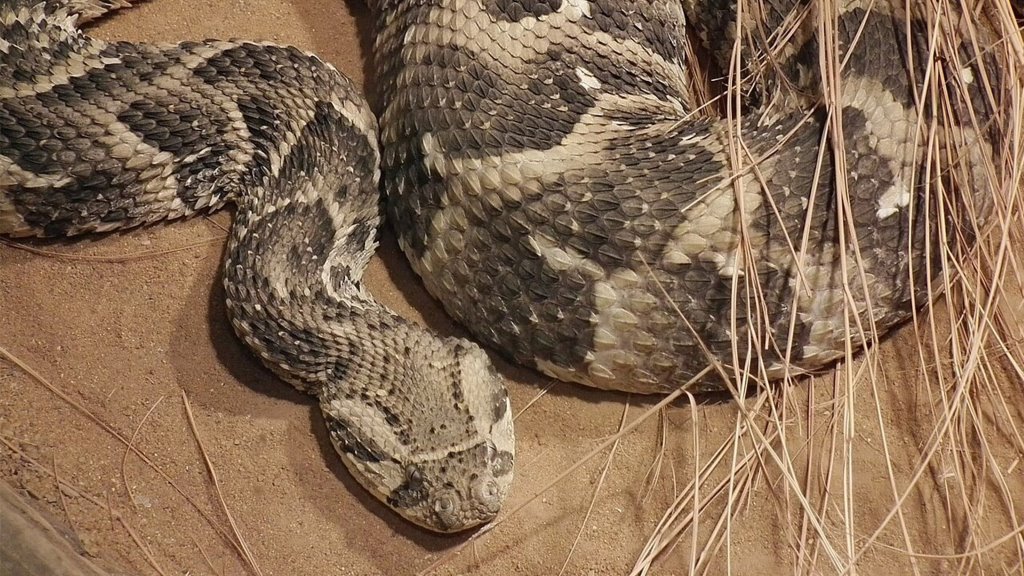
What Makes a Snake Truly Dangerous?
Venom potency is often exaggerated in popular media, but danger is more complex than raw toxicity. A snake’s threat level depends on several factors working together.
Some venoms attack the nervous system, shutting down breathing and muscle control. Others destroy blood cells, cause massive internal bleeding, or lead to tissue necrosis. The speed at which venom acts also matters. A snake whose venom works in minutes leaves little room for error, while slower venoms may still be lethal if untreated.
Equally important is how likely a snake is to bite. Highly aggressive or easily startled species that live near human settlements pose a much greater risk than shy snakes in remote areas, even if the latter have stronger venom.
Global Hotspots for Dangerous Snake Encounters
The snakes most responsible for serious bites vary by region. In Africa, species such as mambas, puff adders, and carpet vipers are major contributors to snakebite fatalities. In South Asia, cobras, kraits, and vipers dominate medical statistics. Central and South America face frequent bites from pit vipers and rattlesnakes, while Australia is home to several of the most venomous land snakes on Earth.
What unites these regions is not just venom potency, but human exposure — farming, walking barefoot, sleeping on floors, or working at night all increase the risk of encounters.
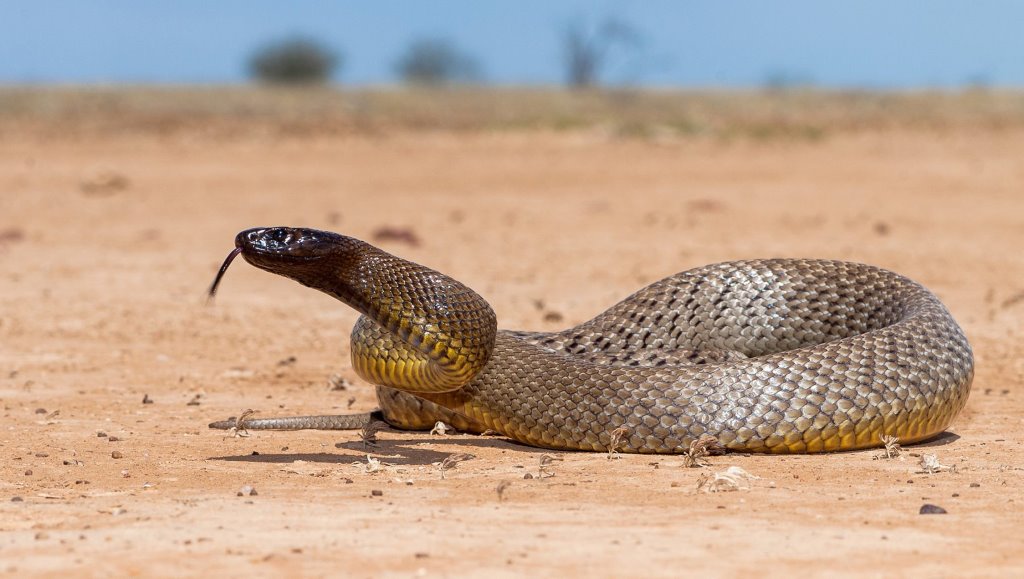
Inland Taipan: Venom at Its Extreme
Often described as the most venomous land snake on Earth, the inland taipan represents venom efficiency taken to its biological limit. Its venom contains powerful neurotoxins and blood-clotting agents capable of overwhelming the human body rapidly.
Despite this, the inland taipan is shy and rarely encountered. No confirmed human deaths have been recorded, largely because it lives in remote areas and avoids confrontation. It is a perfect example of how extreme venom does not automatically translate into high danger for humans.

Black Mamba: Speed, Aggression, and Fear
Few snakes have a reputation as dark as the black mamba. Found across sub-Saharan Africa, this snake combines fast movement, repeated strikes, and highly potent venom. Its neurotoxic venom can cause collapse within minutes and death within hours if untreated.
The black mamba’s danger lies not just in venom strength, but in behavior. When threatened, it may stand its ground rather than flee, delivering multiple bites in rapid succession. Before antivenom was widely available, bites were almost universally fatal.
Taipans and Death Adders: Australia’s Silent Killers
Australia hosts several of the world’s most venomous snakes, including coastal taipans and death adders. Taipans are fast, alert, and capable of delivering large amounts of venom in a single bite. Their venom disrupts nerve signals and blood clotting simultaneously, making them especially dangerous.
Death adders rely on ambush rather than speed. Their lightning-fast strike and high venom yield can cause paralysis within hours. Historically, death adder bites were frequently fatal, though modern antivenom has significantly reduced mortality.

Kraits and Sea Snakes: Potency Without Warning
Kraits, particularly the blue krait, are among the most lethal snakes in Asia. Their venom is extremely potent, and bites often occur at night while victims are sleeping. Symptoms may be delayed, causing people to underestimate the severity until paralysis sets in.
Sea snakes, especially species like Belcher’s sea snake, possess extraordinarily powerful venom. However, they are generally docile and rarely inject venom when biting. Most serious cases involve fishermen handling nets or trapped snakes.
Why Venom Doesn’t Always Mean Death
Despite terrifying statistics, most venomous snakebites are survivable with timely medical care. Antivenom, supportive treatment, and proper wound management save countless lives each year. The greatest danger lies in delayed treatment, lack of access to hospitals, and misidentification of symptoms.
Importantly, many venomous snakes deliver “dry bites,” injecting little or no venom at all. Venom is metabolically expensive to produce, and snakes often conserve it unless hunting or defending themselves from serious threats.
The Real Threat Humans Face
The most venomous snakes are not necessarily the ones that kill the most people. The true danger comes from common, well-adapted species living alongside humans, combined with poverty, limited healthcare, and lack of education about snakebite response.
Understanding venomous snakes is not about fear — it’s about awareness. Knowing which species live nearby, how they behave, and what to do after a bite saves lives far more effectively than panic or folklore.
Venom is a remarkable evolutionary tool, but humans are not prey. Most snakebites are accidents, and most snakes would rather flee than fight. The deadliest outcome usually occurs not because of venom alone, but because help arrives too late.