
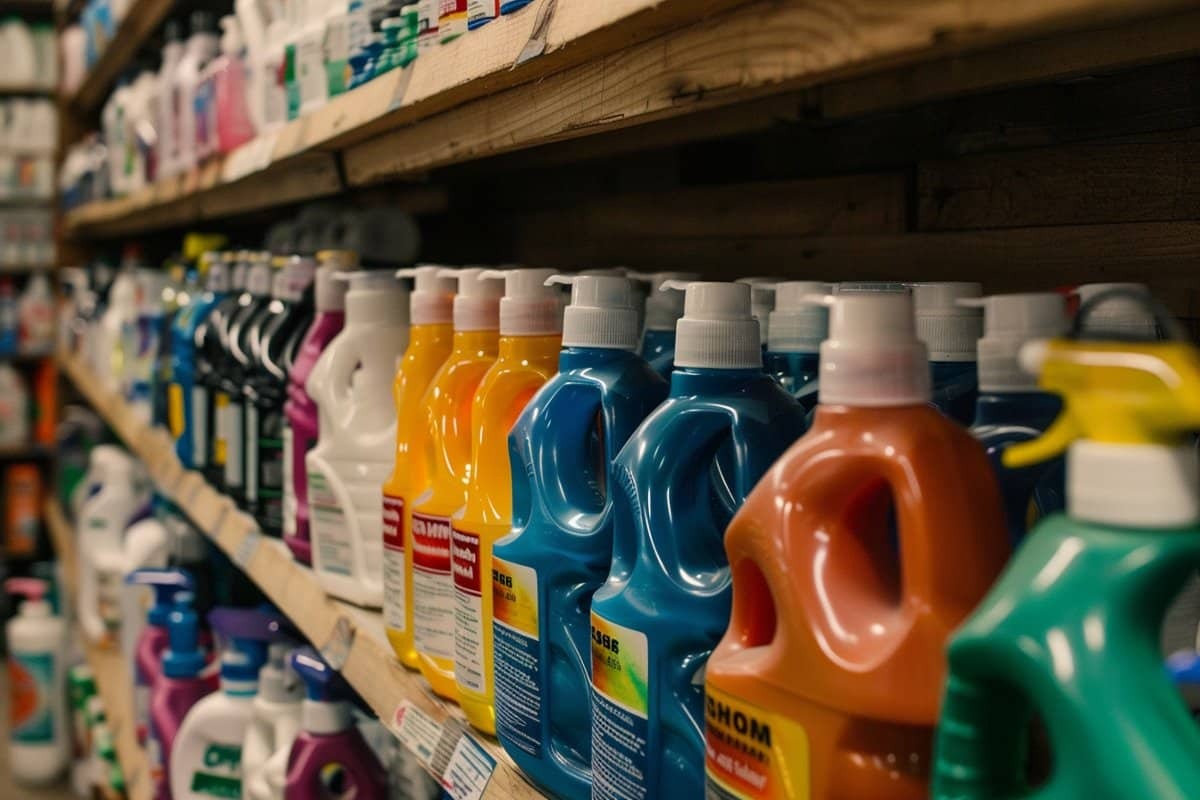

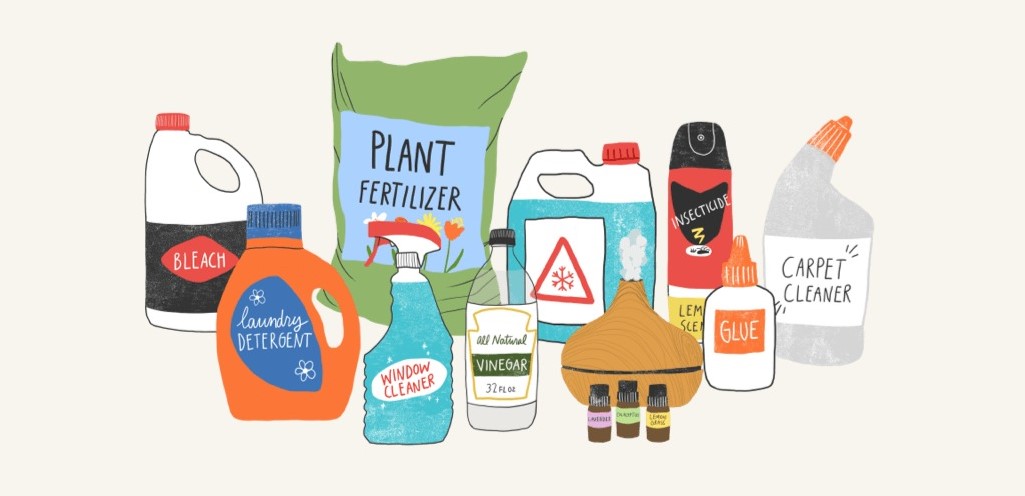
Most people think of household chemicals as mild, controllable things. Cleaners under the sink. Bottles with bright labels promising freshness, shine, or disinfecting power. Used correctly, most of them are relatively safe. The danger begins when they are combined.
Some of the most lethal chemical reactions don’t happen in laboratories or factories. They happen in kitchens, bathrooms, and laundry rooms, often by accident. A person tries to clean faster, disinfect more thoroughly, or solve a stubborn stain, and unknowingly creates a toxic gas or corrosive reaction that can overwhelm the body in minutes.
What makes these combinations especially dangerous is how ordinary they are. The products involved are legal, common, and trusted. The warning labels are often ignored or misunderstood. And when something goes wrong, the symptoms can escalate so quickly that there’s little time to react.
This article explains which household chemicals become deadly when mixed, why the reactions are so dangerous, and how these accidents usually happen. This is not about chemistry experiments. It’s about everyday mistakes that have killed people.

Why mixing household chemicals is so dangerous
Household cleaning products are designed to do very specific jobs. Some dissolve grease. Others kill bacteria. Others remove mineral buildup or whiten surfaces. To do this, they rely on strong chemical properties such as acidity, alkalinity, or oxidizing power.
When two products are mixed, those properties can react in unpredictable ways. Gases can be released. Heat can build rapidly. New compounds can form that were never intended to exist in a home environment.
Unlike industrial settings, homes are poorly ventilated for chemical exposure. Bathrooms and kitchens are enclosed. People are close to the source. Protective equipment is rarely used. When a toxic gas forms, it is often inhaled immediately and at high concentration.
Many fatal incidents occur within minutes, not hours.
Bleach and ammonia: a classic lethal combination
This is one of the most well-known and still one of the most deadly household chemical combinations.
Bleach is a strong oxidizer commonly used for disinfecting. Ammonia is found in many glass cleaners, floor cleaners, and degreasers. When these two substances interact, they produce toxic gases that severely damage the respiratory system.
Inhalation causes immediate irritation of the eyes, throat, and lungs. Breathing becomes painful and difficult. In severe cases, the lungs begin to fill with fluid, leading to chemical pneumonia or respiratory failure.
Deaths have occurred when people cleaned bathrooms, kitchens, or pet areas without realizing they were combining residues from different products. Even small amounts can be dangerous in enclosed spaces.
Bleach and acids: invisible gas with devastating effects
Bleach mixed with acidic products is another deadly scenario. Many bathroom and toilet cleaners, descalers, and rust removers are acidic.
When bleach comes into contact with acids, a toxic gas is released. This gas has a sharp, choking odor and can cause severe lung injury within seconds of exposure.
People exposed often report burning sensations in the chest, coughing, nausea, and dizziness. High exposure can lead to long-term lung damage or death, especially in poorly ventilated rooms.
This accident commonly happens when someone tries to “boost” a cleaner’s strength by adding bleach to a toilet bowl cleaner or vinegar-based product.
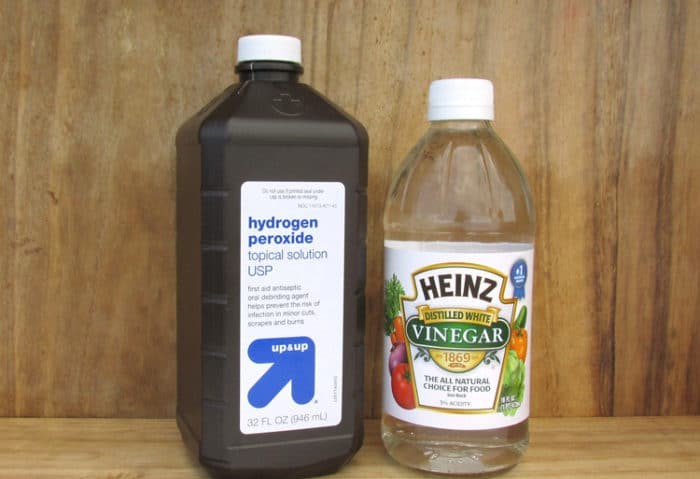
Hydrogen peroxide and vinegar: a dangerous misconception
Hydrogen peroxide and vinegar are often seen as “natural” or “safer” cleaning options. Used separately, they can be relatively mild.
When combined, however, they can form a highly corrosive substance that irritates the skin, eyes, and respiratory tract. Exposure can cause chemical burns and severe tissue damage.
The danger is amplified by the false sense of safety surrounding these products. People may mix them casually, assuming that household ingredients can’t be truly harmful.
This combination has caused injuries when used repeatedly or in enclosed spaces, especially without proper ventilation.
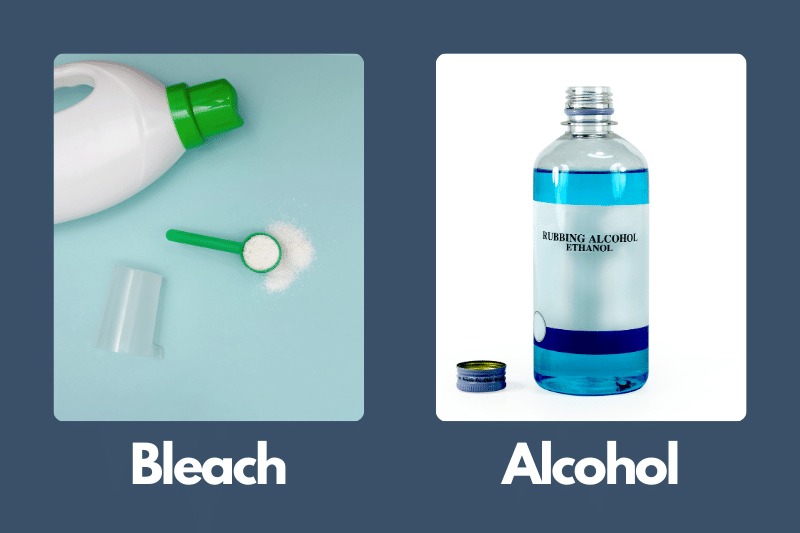
Alcohol and bleach: toxic vapors and organ damage
Rubbing alcohol and bleach are both common disinfectants. Mixing them produces toxic byproducts that affect the nervous system, liver, and lungs.
Inhalation can cause dizziness, confusion, nausea, and breathing difficulties. Prolonged or intense exposure increases the risk of serious injury.
This combination often occurs unintentionally when surfaces cleaned with alcohol are later disinfected with bleach, especially without rinsing in between.
Drain cleaners and other chemicals: heat and explosions
Drain cleaners are among the most dangerous household chemicals on their own. They are designed to dissolve organic material using extreme chemical reactions.
Mixing drain cleaners with other products can cause violent reactions, including rapid heat release, splashing, or bursting containers. Toxic fumes may be released, and corrosive liquids can cause severe burns.
There have been cases of serious injury and death from chemical burns or inhalation after mixing drain cleaners with household acids or disinfectants.
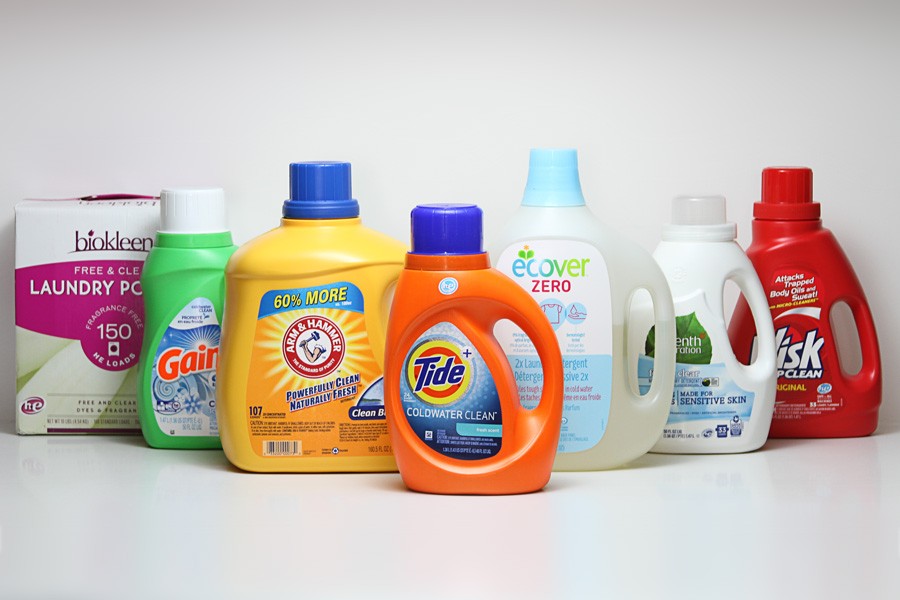
Laundry products and gas formation
Even laundry rooms are not safe from dangerous combinations.
Some stain removers, detergents, and disinfecting agents react with bleach or each other to release harmful gases or create skin-irritating compounds. People often mix products in an attempt to remove tough stains or odors, unaware of the risks.
Because laundry rooms are often small and poorly ventilated, exposure can build quickly.
Why people keep making these mistakes
Most fatal household chemical incidents are not caused by recklessness. They are caused by assumptions.
People assume that products sold for home use are safe together. They assume stronger cleaning means better cleaning. They assume “natural” means harmless. They assume smell is the only warning sign.
Another major factor is residue. A surface cleaned earlier with one product can react later when another product is applied, even if they are not mixed directly.
Labels are often vague. Warnings are overlooked. And the consequences arrive faster than expected.
Symptoms of toxic exposure
Chemical exposure symptoms can escalate rapidly. Early signs include burning eyes, coughing, chest tightness, dizziness, nausea, and headache. More severe exposure leads to breathing difficulty, confusion, collapse, and loss of consciousness.
Because these gases damage lung tissue directly, symptoms can worsen hours after exposure. Delayed medical care has contributed to fatalities.
Any sudden respiratory distress after cleaning should be treated as a medical emergency.
The rule that saves lives
There is one simple rule that prevents almost all of these incidents.
Never mix household chemicals. Ever.
Use one product at a time. Rinse surfaces thoroughly between products. Ventilate aggressively. Read labels even if you think you already know them.
Household chemicals are tools, not toys. Used properly, they are helpful. Mixed carelessly, they become weapons that don’t care who made the mistake.
Real-world accidents and how they actually happen
Most fatal or near-fatal household chemical incidents don’t happen because someone deliberately mixed two bottles together in a container. They happen in far more ordinary ways.
A person cleans a toilet with one product, then comes back later and adds another without rinsing. Someone wipes a countertop with a disinfectant, lets it dry, and sprays something else over it hours later. A floor cleaner leaves residue that reacts the next time bleach is used. In many cases, the person doesn’t even realize two chemicals have interacted until they start coughing or feeling dizzy.
Bathrooms are the most common location for these accidents. They are small, enclosed, and poorly ventilated. The same is true for laundry rooms. When a toxic gas forms in these spaces, it can reach dangerous concentrations almost immediately. There is often no time to “step back and see what happens.” By the time the smell is noticeable, exposure has already occurred.
Another pattern involves attempts to disinfect pet areas, moldy spaces, or heavily soiled surfaces. The desire to clean “thoroughly” leads people to stack products instead of using them sequentially. Ironically, the more careful someone thinks they’re being, the more likely they are to create a dangerous reaction.
Why toxic gases are especially deadly indoors
The most dangerous household chemical reactions produce gases rather than liquids. This is what makes them so lethal.
Gases spread instantly and are inhaled directly into the lungs. Unlike skin contact, which may cause burns or irritation that prompts immediate washing, inhalation damages tissue you cannot rinse away. The lungs absorb toxins rapidly, and the damage continues even after exposure ends.
Some gases cause immediate choking and burning. Others interfere with oxygen transfer in the blood. In severe cases, lung tissue becomes inflamed and begins to fill with fluid hours after exposure, a condition that can become fatal even if the person initially feels “okay.”
This delayed worsening is one of the reasons people underestimate these incidents. They leave the room, feel slightly better, and assume the danger has passed—only to collapse later as lung injury progresses.

Long-term health effects survivors rarely expect
Not all household chemical incidents result in immediate death, but survival does not mean recovery.
People who survive significant exposure often experience long-term respiratory problems. Chronic coughing, reduced lung capacity, asthma-like symptoms, and increased sensitivity to irritants are common. Some develop permanent scarring in the lungs.
Neurological effects have also been reported after exposure to certain toxic vapors, including headaches, memory problems, and concentration difficulties. These effects may persist for months or longer.
Because the exposure happened at home, many victims struggle to get proper diagnosis. Doctors may not immediately suspect chemical injury unless the patient clearly explains what happened, and by then the acute phase may have passed.
Why warning labels aren’t enough
Almost all household cleaners include some form of warning about mixing. Yet accidents continue to happen at a steady rate.
One reason is label overload. Products are covered in text that most people skim or ignore. Another is vague language. Phrases like “do not mix with other cleaners” do not explain why or how quickly danger can occur.
There is also a psychological gap. People associate deadly chemicals with industrial settings, not with familiar brands stored under the sink. The familiarity of these products creates a false sense of control.
Marketing doesn’t help either. Bright colors, pleasant scents, and words like “fresh,” “clean,” and “natural” soften the perception of risk. The chemistry remains dangerous even when the packaging feels friendly.
Practical habits that prevent nearly all accidents
Preventing deadly chemical reactions at home does not require special equipment or advanced knowledge. It requires discipline.
Use one cleaning product at a time, and only for its intended purpose. Rinse surfaces thoroughly with water before switching products. Ventilate aggressively by opening windows and using fans, especially in bathrooms and laundry rooms.
Never assume that “natural” means safe when combined with something else. Never try to improve a product’s effectiveness by adding another. Stronger does not mean safer or cleaner.
Store products separately and clearly labeled. Avoid transferring cleaners into unmarked containers. And if you smell something sharp, choking, or unusual while cleaning, leave the area immediately and get fresh air.
The uncomfortable truth
Household chemicals don’t kill because they are mysterious. They kill because they are underestimated.
The danger doesn’t come from rare substances or extreme behavior. It comes from ordinary products used in ordinary ways, combined by mistake. The line between routine cleaning and medical emergency can be crossed in seconds.
Understanding these risks isn’t about fear. It’s about respect—for chemistry, for the limits of the human body, and for the fact that safety at home depends less on intention and more on knowledge.
The safest rule remains simple and absolute: if you didn’t buy it as a single product, it doesn’t belong mixed with another.