

It’s easy to think of danger as something obvious — fire, explosions, predators, war. But some of the most lethal threats on Earth don’t roar, burn, or even taste strange. They dissolve quietly. They slip into cells. They shut down systems that have kept humans alive for hundreds of thousands of years.
The world’s deadliest substances don’t always kill instantly, and that’s what makes them so terrifying. Many act invisibly, interfering with breathing, nerve signals, or basic cellular processes long before pain or panic sets in. If someone were to ingest even a tiny amount, the body wouldn’t fight in dramatic ways — it would simply start failing.
This article explores what actually happens inside the human body when exposed to some of the most lethal substances known. Not myths, not movie exaggerations, but real biochemical consequences.
How the Body Reacts to Extreme Toxins
The human body is resilient, but it has limits. Most deadly substances overwhelm the body in one of four ways:
• Blocking oxygen at the cellular level
• Shutting down nerve communication
• Destroying vital organs such as the liver or heart
• Halting basic cellular energy production
What makes certain substances especially dangerous is that they bypass the body’s usual defenses. The liver cannot detoxify them fast enough. The immune system doesn’t recognize them as threats. Antidotes, if they exist at all, must be administered quickly — sometimes within minutes.
Cyanide: Suffocation Without Air Loss
Cyanide is infamous because it kills without stopping breathing. Instead of preventing oxygen from entering the lungs, it prevents oxygen from being used by cells.
Once ingested, cyanide binds to enzymes inside mitochondria — the structures that produce energy in cells. Oxygen may still be present in the blood, but cells can no longer convert it into usable energy. The result is rapid cellular suffocation.
Symptoms progress quickly: dizziness, confusion, rapid heartbeat, and loss of consciousness. Without immediate treatment, organ failure follows in minutes. The brain and heart are hit first because of their constant energy demands.
Death from cyanide is not about lack of air. It’s about energy collapse at the cellular level.
Ricin: When Protein Production Stops
Ricin comes from castor beans and is one of the most potent plant-derived toxins known. Its danger lies in how precisely it targets cellular machinery.
Every cell in the body relies on ribosomes to produce proteins. Ricin disables ribosomes completely. Once this process stops, cells cannot repair themselves, regulate functions, or survive.
After ingestion, symptoms may take several hours to appear. This delay is dangerous because damage is already occurring. Vomiting, internal bleeding, severe dehydration, and organ failure follow. There is no antidote. Treatment focuses only on keeping the body alive while damage spreads.
The slow onset often creates a false sense of safety — until systems begin collapsing all at once.
Arsenic: Poison That Mimics Medicine
Historically, arsenic was known as the “king of poisons” because it could be disguised easily and produced symptoms similar to natural illness.
Arsenic interferes with enzymes involved in energy production and DNA repair. Acute ingestion leads to violent gastrointestinal distress, severe dehydration, and cardiovascular collapse. Chronic exposure is even more insidious, leading to cancers, nerve damage, and organ degeneration over time.
What makes arsenic especially dangerous is that small doses don’t always kill immediately. Instead, they damage slowly, silently, and permanently.
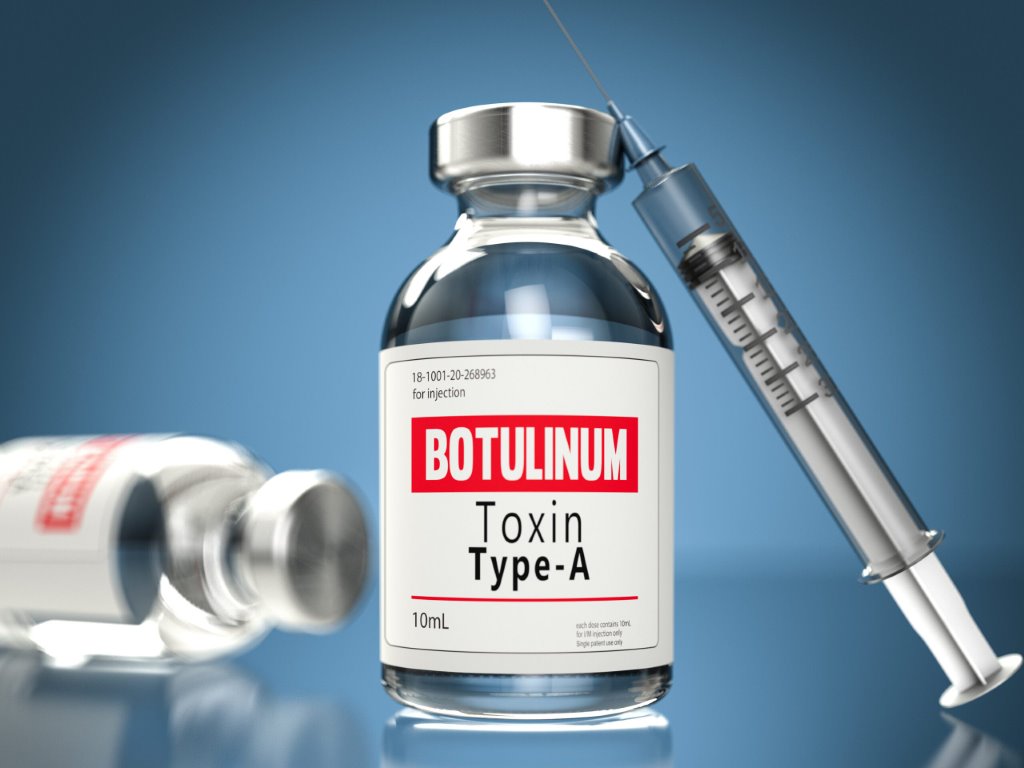
Botulinum Toxin: Paralysis From the Inside
Botulinum toxin is among the most lethal substances by weight ever identified. A quantity smaller than a grain of sand can be fatal.
Unlike poisons that destroy organs, botulinum toxin shuts down communication between nerves and muscles. It prevents the release of acetylcholine, a chemical required for muscle contraction.
The result is progressive paralysis. First the eyes and face, then the limbs, and eventually the muscles responsible for breathing. Victims remain conscious while their bodies lose the ability to move.
Without mechanical ventilation and antitoxin, death occurs due to respiratory failure.
Mercury Compounds: Brain Poisoning
Certain forms of mercury, especially organic mercury compounds, are devastating to the nervous system.
Once ingested, mercury crosses the blood-brain barrier easily. It damages neurons directly, leading to tremors, loss of coordination, memory impairment, and psychological changes. In severe cases, seizures and coma follow.
Unlike fast-acting poisons, mercury accumulates. The body removes it slowly, meaning damage continues even after exposure stops.
Why Tiny Amounts Can Kill
Many deadly substances are dangerous not because of quantity, but because of precision. They target systems that the body cannot bypass or repair quickly.
Cells can survive damage. They cannot survive having their core functions switched off.
When toxins interfere with breathing at the cellular level, nerve signaling, or protein synthesis, the body doesn’t “fight” in the usual sense. It simply runs out of options.
Survival Depends on Time, Not Strength
There is a common belief that physical strength or health determines survival. With extreme toxins, timing matters far more than fitness.
Even a healthy adult cannot survive long if oxygen use is blocked or nerve signaling is interrupted. Immediate medical intervention is often the only difference between survival and death.
This is why many of the world’s deadliest substances are tightly controlled, heavily regulated, or banned entirely. Not because they cause dramatic suffering — but because they offer almost no second chances.
The Unsettling Reality
The most dangerous substances on Earth don’t need explosions or violence. They exploit vulnerabilities built into biology itself. The same systems that keep humans alive — efficient energy use, precise nerve signaling, delicate cellular machinery — become points of failure when attacked chemically.
Understanding these substances isn’t about fear. It’s about recognizing how fragile life can be when chemistry turns against it — and why respect, regulation, and knowledge matter far more than curiosity ever should.