Most people move through daily life with an unspoken assumption: things will keep working. The lights will turn on. Water will flow from the tap. Roads will remain open. Phone signals will connect. For the most part, that assumption holds true. Modern infrastructure is reliable, and emergencies feel distant — something that happens on the news, somewhere else.

But systems fail. Storms knock out power grids. Earthquakes fracture roads and pipelines. Floods isolate entire neighborhoods. A single wrong turn on a hiking trail can separate someone from familiar terrain within minutes. In those moments, comfort disappears quickly, and what remains is the most basic human requirement: the ability to stay alive.
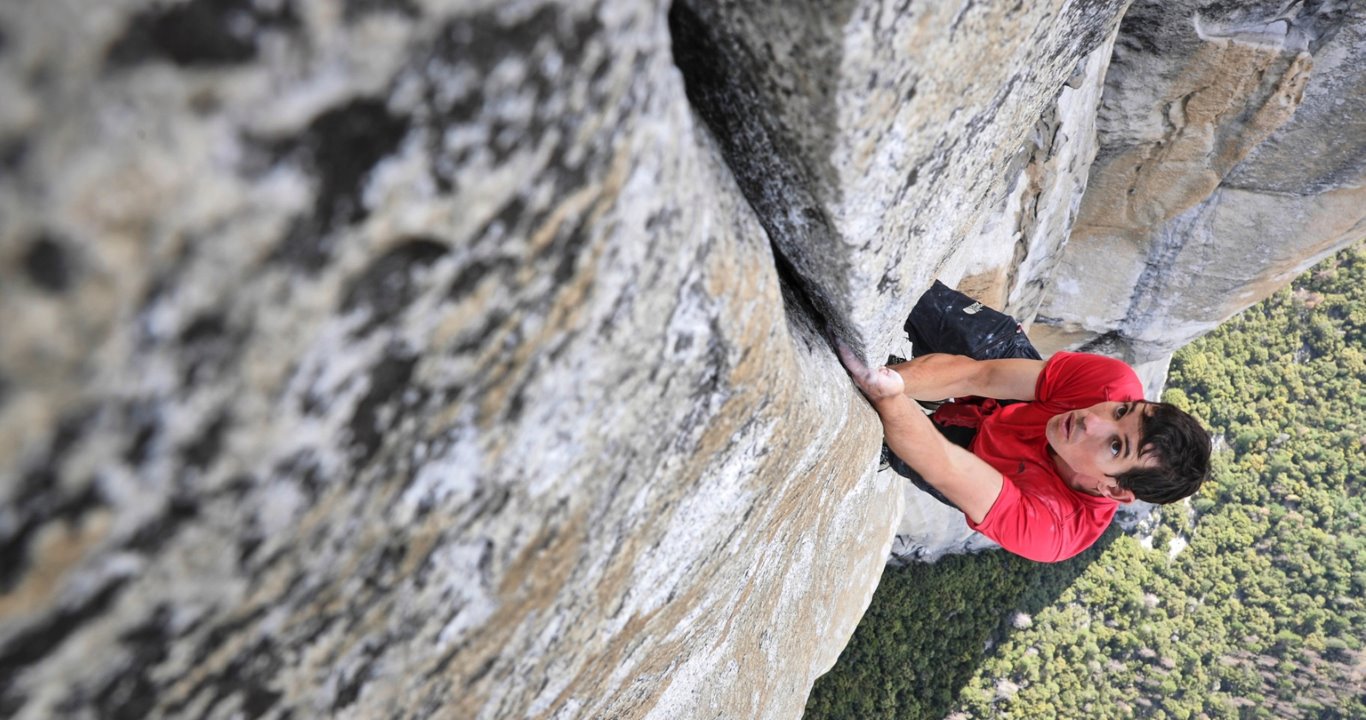

Nature can be unforgiving, but in many of history’s worst outdoor tragedies, it was not nature alone that killed — it was a human miscalculation. A wrong decision in thin air. A delayed evacuation before a storm. A shortcut on unstable ice. A single underestimated risk that turned fatal.

Mountains, oceans, forests, deserts — none of them are inherently malicious. Yet they amplify error. In controlled environments, mistakes are often survivable. In wilderness settings, the margin for error narrows sharply. A small oversight can cascade into disaster within minutes.

Modern life exposes the human body to a steady stream of chemical and environmental toxins. These substances enter through the air we breathe, the water we drink, and the food we eat, often without any immediate warning signs. Under normal conditions, the body relies on an intricate detoxification network involving the liver, kidneys, digestive tract, lymphatic system, lungs, and skin to process and eliminate harmful compounds. This system evolved to handle naturally occurring toxins, not the volume and diversity created by industrial chemicals, pesticides, heavy metals, and synthetic additives.

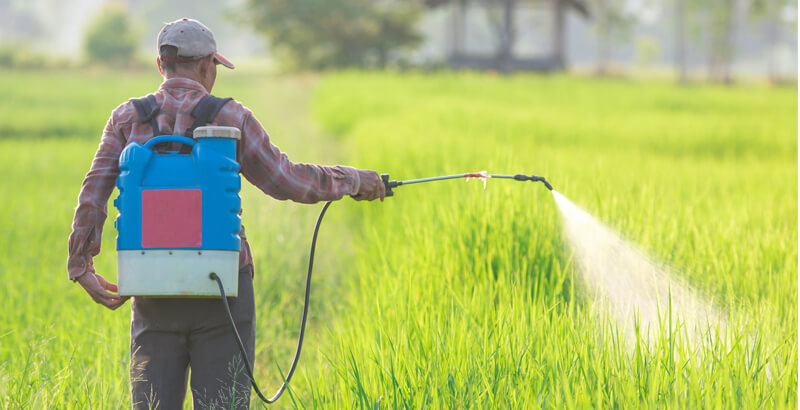
Chlorpyrifos is not an obscure chemical known only to scientists or regulators. For years, it has been one of the most widely used insecticides in modern agriculture, applied to crops that end up on everyday tables around the world. Fruits, vegetables, grains, dairy products, and even drinking water have all been found to contain traces of this pesticide. What makes chlorpyrifos especially troubling is not just how effective it is at killing insects, but how deeply it has embedded itself into the food system before its risks were fully understood.

Food poisoning rarely announces itself politely. One moment you feel fine, and a few hours later your body seems to turn against you, reacting with nausea, cramps, fever, or sudden trips to the bathroom. What feels like a simple stomach issue is actually a fast-moving biological battle taking place deep inside your digestive system. From the moment contaminated food is swallowed, a chain reaction begins—one that involves microbes, toxins, immune cells, and emergency defense mechanisms designed to protect you at almost any cost.

Drugs are often divided into neat categories: legal and illegal, prescription and street, medicine and poison. In reality, those boundaries are far less clear than most people assume. Some of the most dangerous drugs in the world are not hidden in dark alleys or illegal markets. They are sold legally, prescribed daily, stocked in medicine cabinets, and used by millions of people without a second thought.

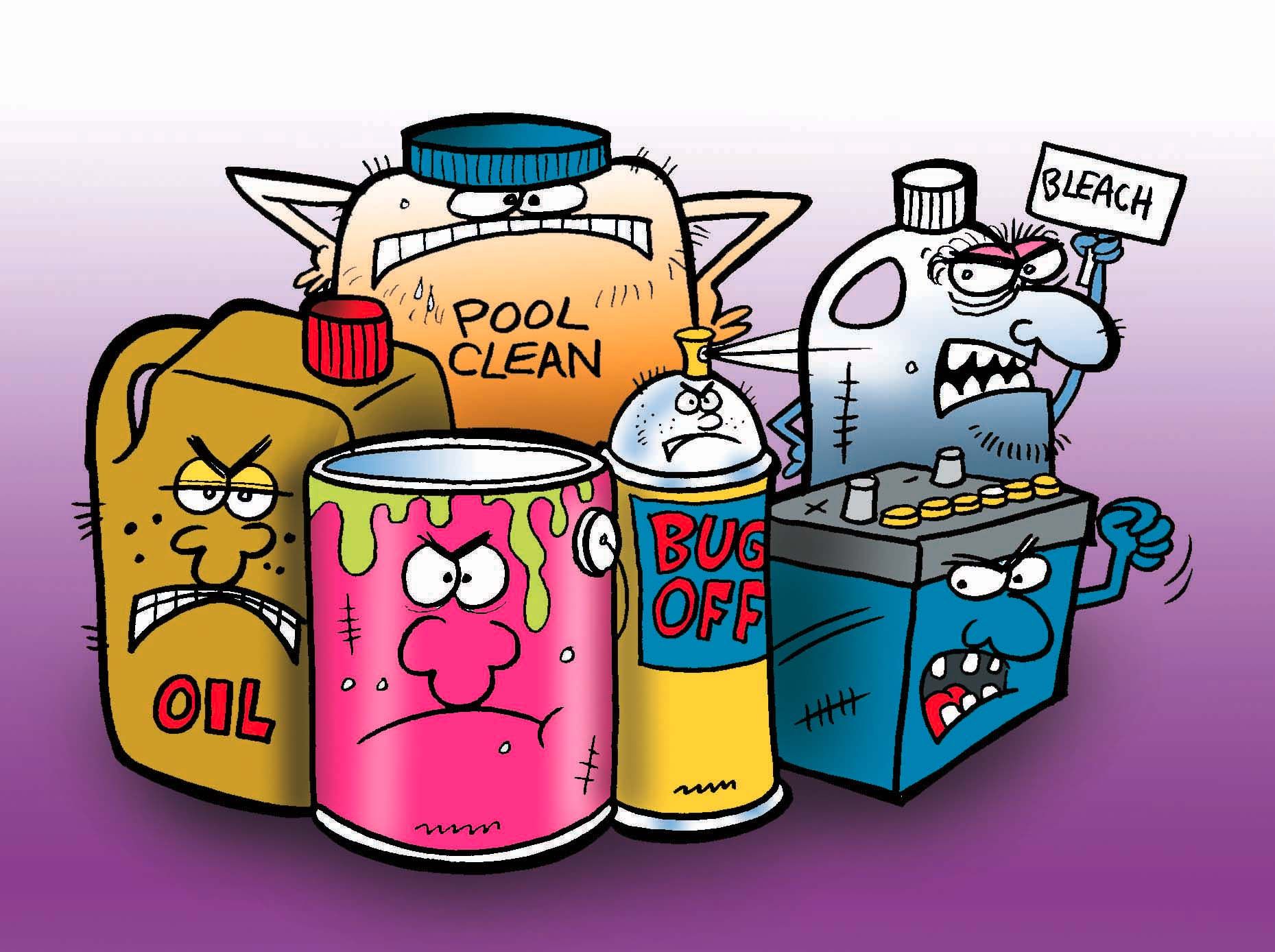
Toxic chemicals are often talked about as if they belong only in factories, laboratories, or disaster headlines. In reality, they are part of everyday life, quietly surrounding people at home, at work, and in the environment. From cleaning products under the sink to fuels, pesticides, medicines, and industrial materials, toxic chemicals are far more common than most people realize. The real danger is not always the chemical itself, but the lack of understanding about how exposure happens and why harm occurs.

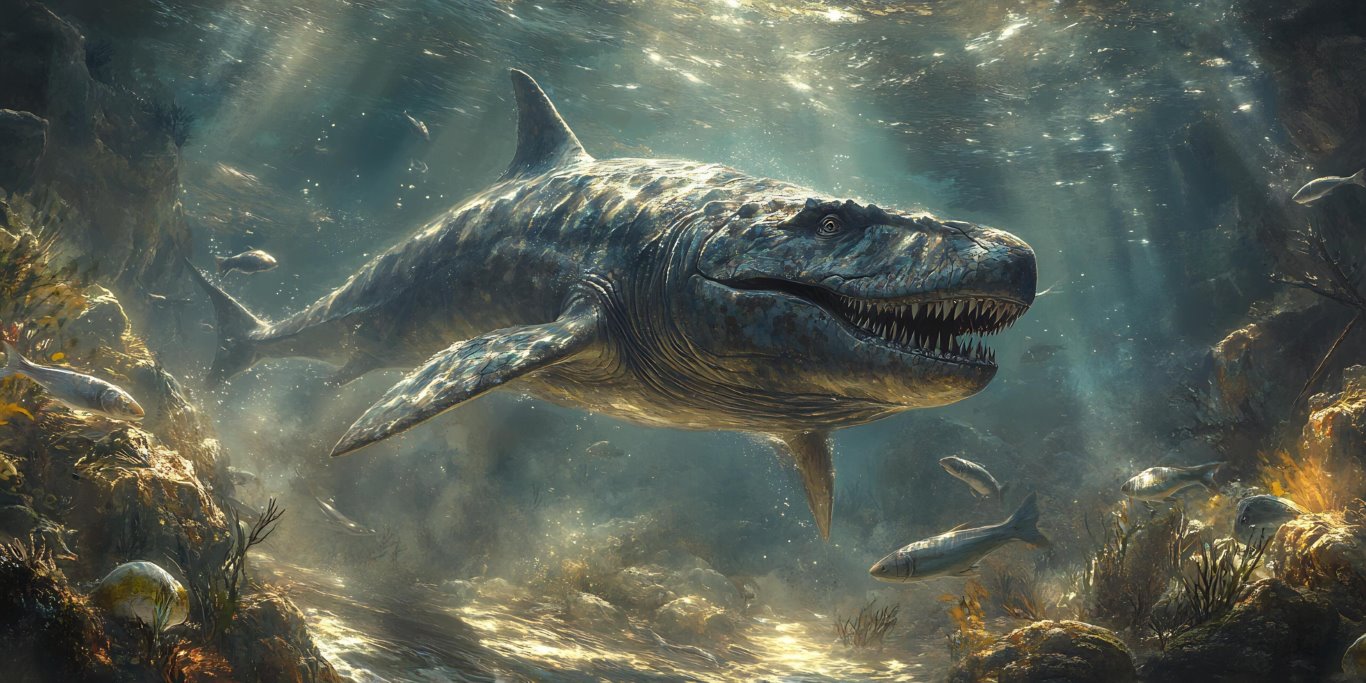
Long before humans stood upright, before forests stretched across continents, and long before dinosaurs thundered across dry land, the oceans were already alive with astonishing predators. The sea, in fact, was Earth’s original battlefield. For hundreds of millions of years, it hosted creatures so strange and powerful that even today they feel almost fictional. Some had armor like tanks. Others had jaws designed like biological bear traps. A few grew larger than modern whales.

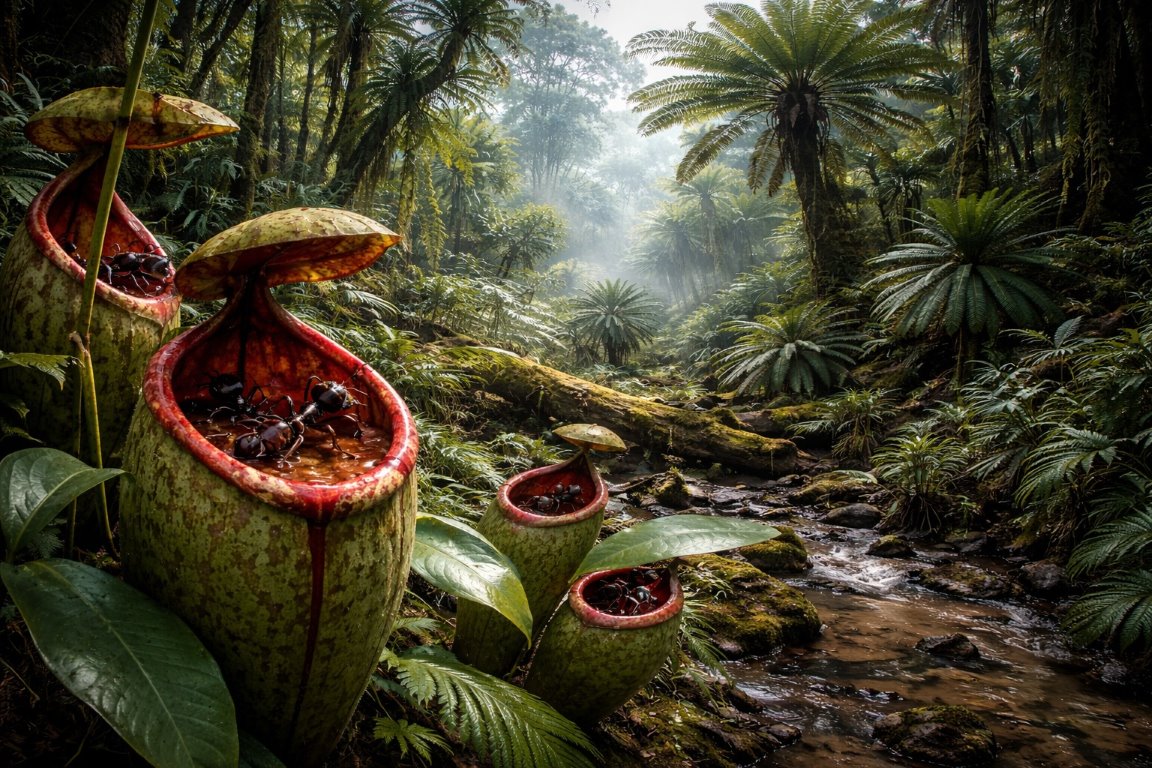
When we think about prehistoric danger, we picture teeth, claws, and enormous predators. But long before and during the age of dinosaurs, the real foundation of every ecosystem was vegetation — and that vegetation was anything but harmless. Forests could burn with terrifying intensity. Swamps could suffocate entire landscapes. Plants evolved toxins, irritants, and physical defenses in an ancient arms race against herbivores.

Prehistoric Earth was not only ruled by giant animals. It was shaped — and sometimes made hostile — by its plants.

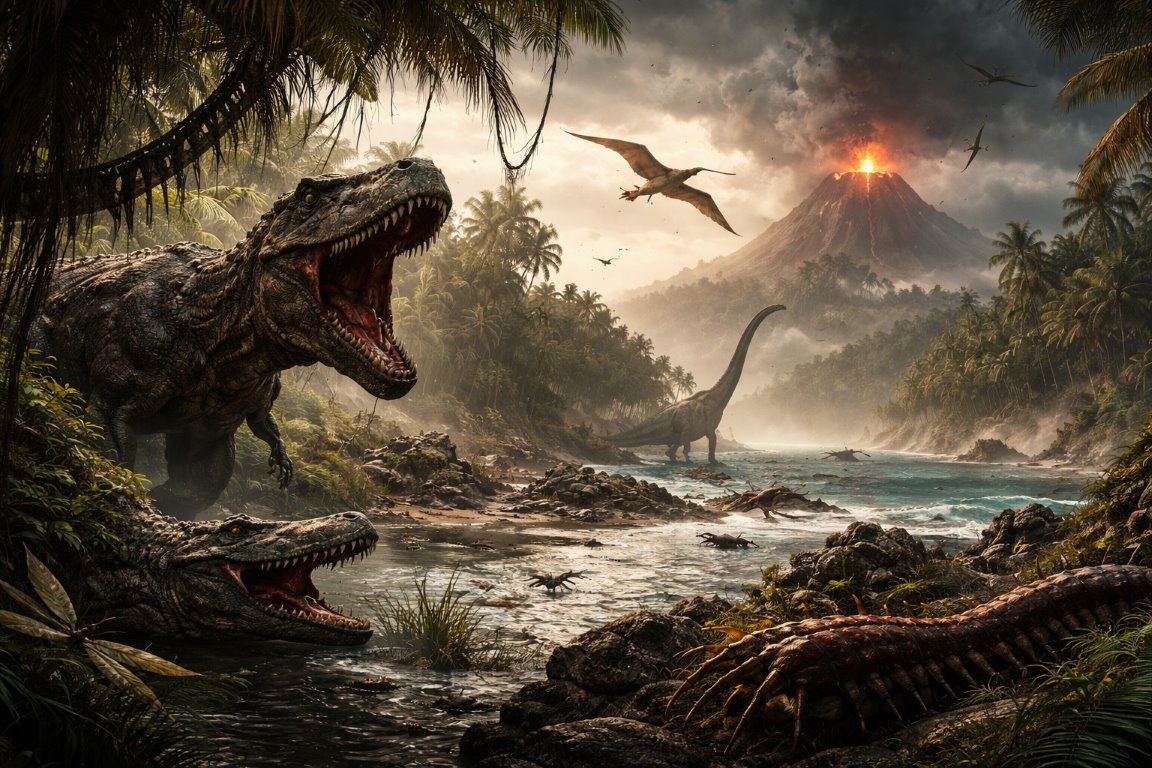
It’s easy to romanticize prehistoric Earth. Towering dinosaurs roaming lush jungles. Giant dragonflies gliding through humid air. Vast oceans filled with strange marine creatures. But behind that cinematic image lies a much harser reality.

For most of Earth’s history, survival was brutally unstable.

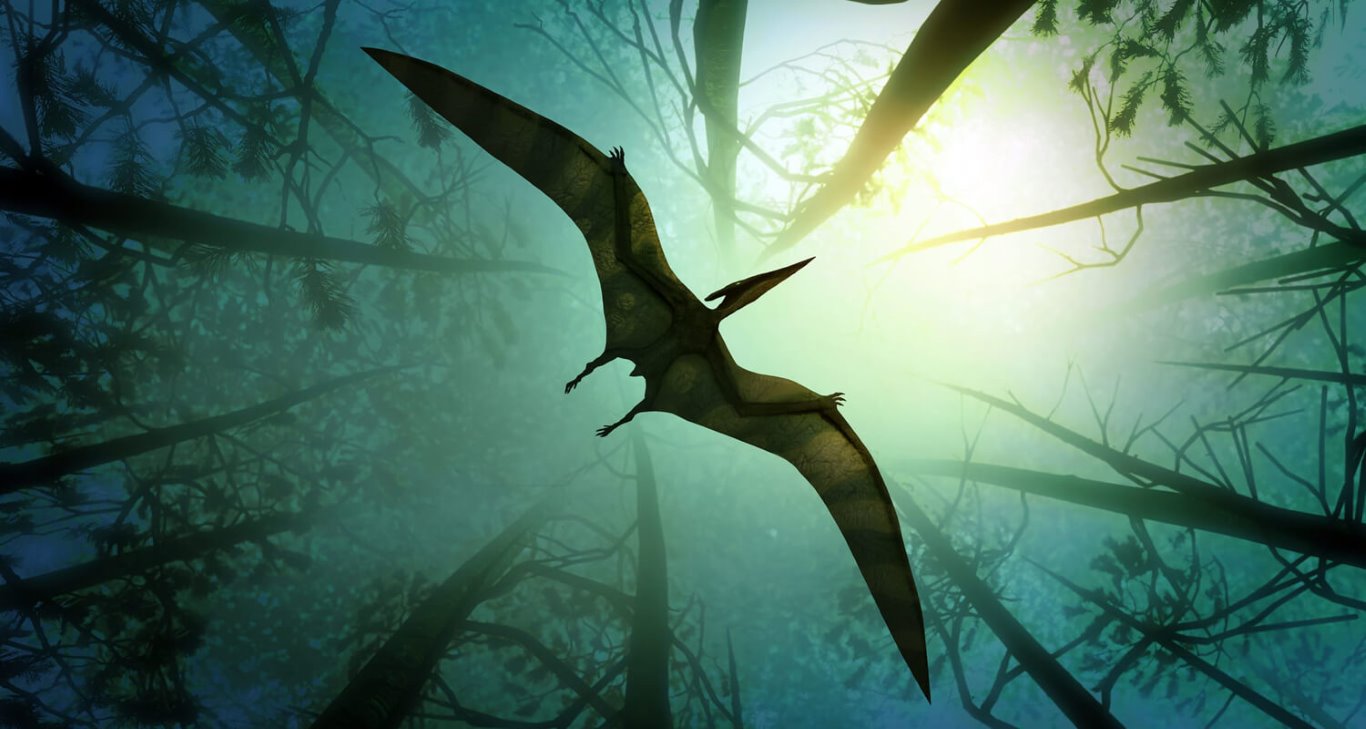
Long before jet streams carried modern aircraft and before eagles traced circles above mountain ridges, the sky was already a contested domain. It wasn’t empty blue space — it was territory. A three-dimensional battlefield where survival demanded engineering precision, extreme adaptation, and relentless refinement.

Flight is one of evolution’s most difficult achievements. To leave the ground, an animal must solve a series of biological problems at once: reduce weight without sacrificing strength, develop muscles powerful enough to generate lift, create surfaces capable of controlling airflow, and maintain balance while moving through unpredictable wind currents. It’s a delicate equation. And yet, over hundreds of millions of years, nature solved it multiple times.

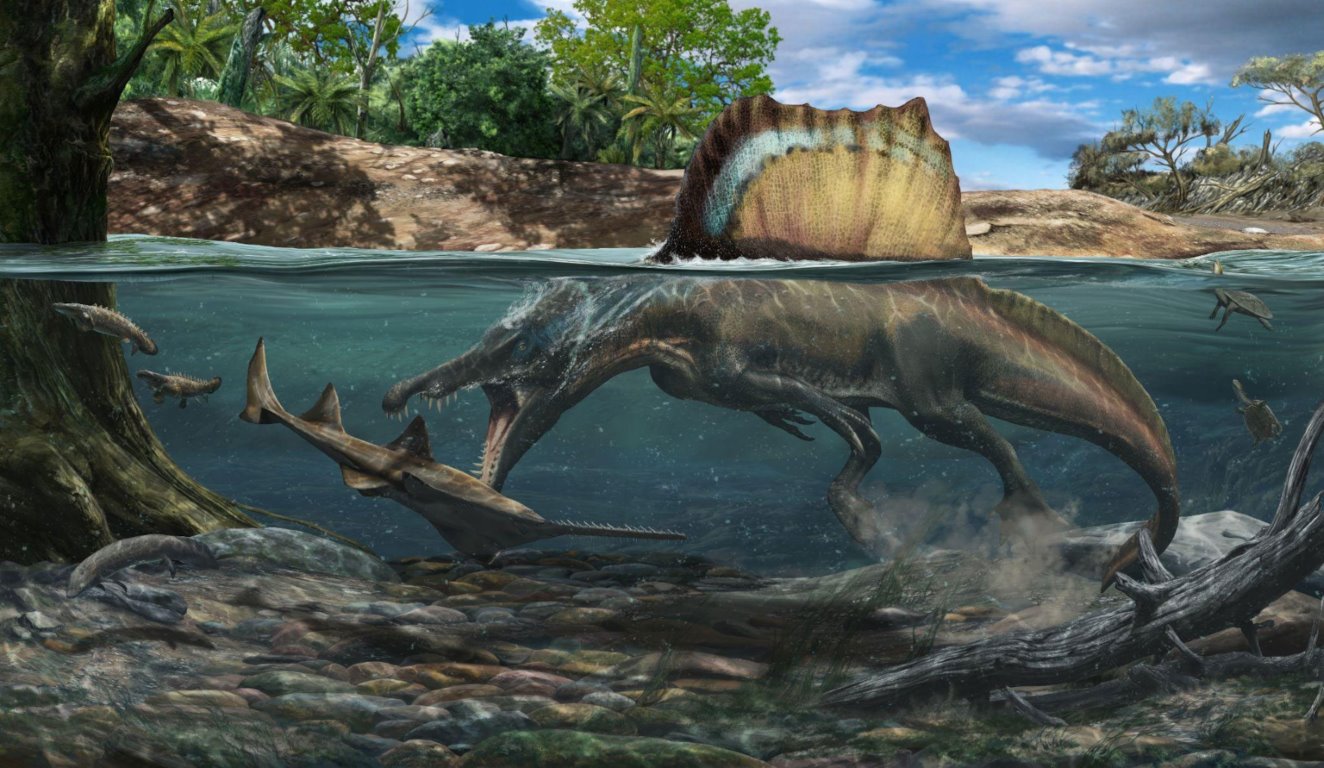
When most people picture prehistoric predators, they imagine open landscapes — vast plains where massive dinosaurs chased prey across dry ground. But some of the most dangerous hunting grounds in Earth’s history were not on land at all. They were in slow-moving rivers, flooded forests, and steaming swamps where visibility was low and footing was uncertain.

Wetlands are unique environments. Water bends light, muffles sound, and hides movement. Mud absorbs footsteps. Dense vegetation breaks up silhouettes. In such places, the rules of hunting change completely. Speed becomes less important than patience. Teeth matter, but positioning matters more. A predator doesn’t need to chase when it can wait.