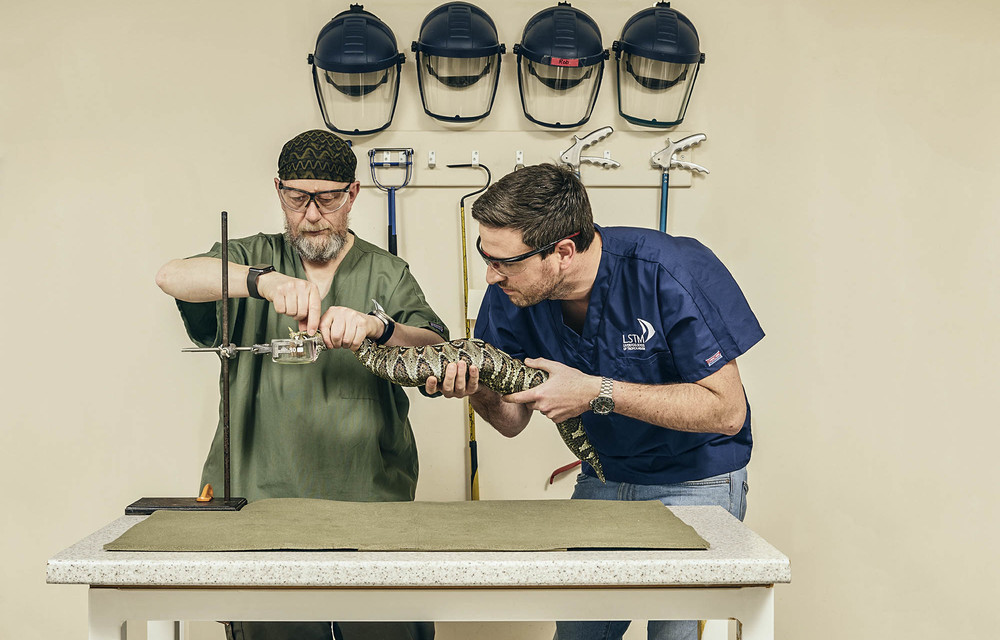

Antivenom is a specialized biological medicine made from purified antibodies that are designed to neutralize venom circulating in the human body. When a venomous animal bites or stings, toxins enter the bloodstream and begin attacking tissues, nerves, blood cells, or organs depending on the species involved. Antivenom works by binding to these toxins, preventing them from attaching to cells and causing further damage. Once neutralized, the venom–antibody complexes can be safely broken down and removed by the body.

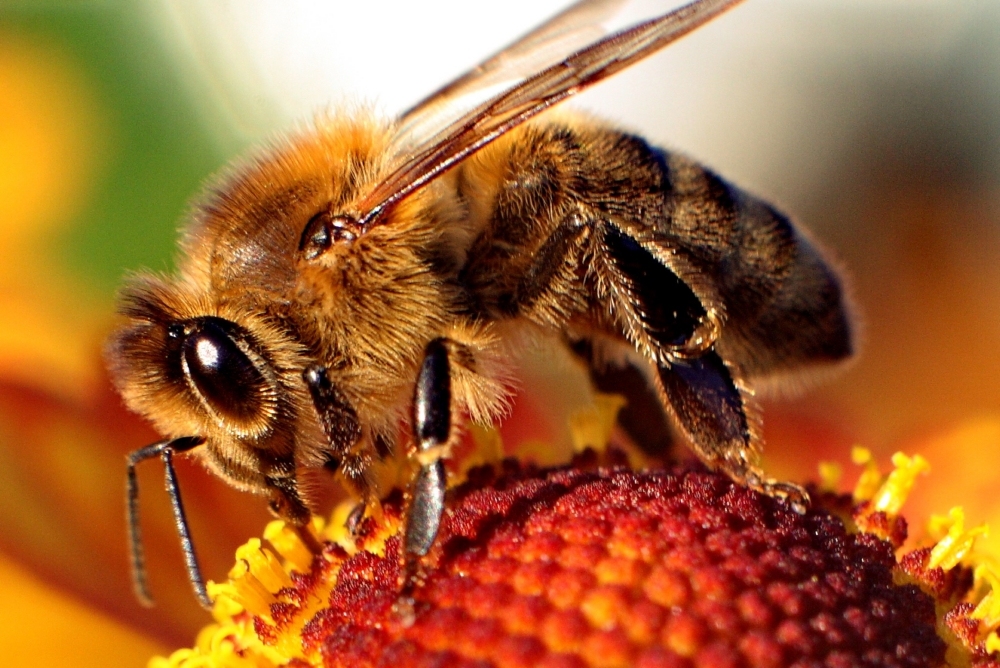
Bee and wasp stings are common, especially during warmer months when people spend more time outdoors and insects are more active. In most situations, a sting is painful and annoying but not dangerous. However, the seriousness of a sting depends largely on how the body reacts to the venom. The majority of medical emergencies linked to bee or wasp stings are not caused by the sting itself, but by an allergic reaction to the venom. When that reaction is recognized early and treated properly, outcomes are usually very good.

As temperatures rise and outdoor activity increases, encounters between humans and snakes become more common. Snakes that remain hidden during colder months begin to move again in spring and summer, searching for food and warmer ground. In many regions, this seasonal change leads to a noticeable increase in snakebite incidents, particularly among hikers, gardeners, campers, and people working outdoors.

Animal bites and scratches that break the skin deserve careful attention, even when they look small or harmless at first. The mouth of an animal carries bacteria, and when teeth or claws puncture the skin, those bacteria can be pushed deep into the tissue. Some wounds heal without complications, but others can become infected, require stitches, or lead to more serious problems if they aren’t treated properly.