
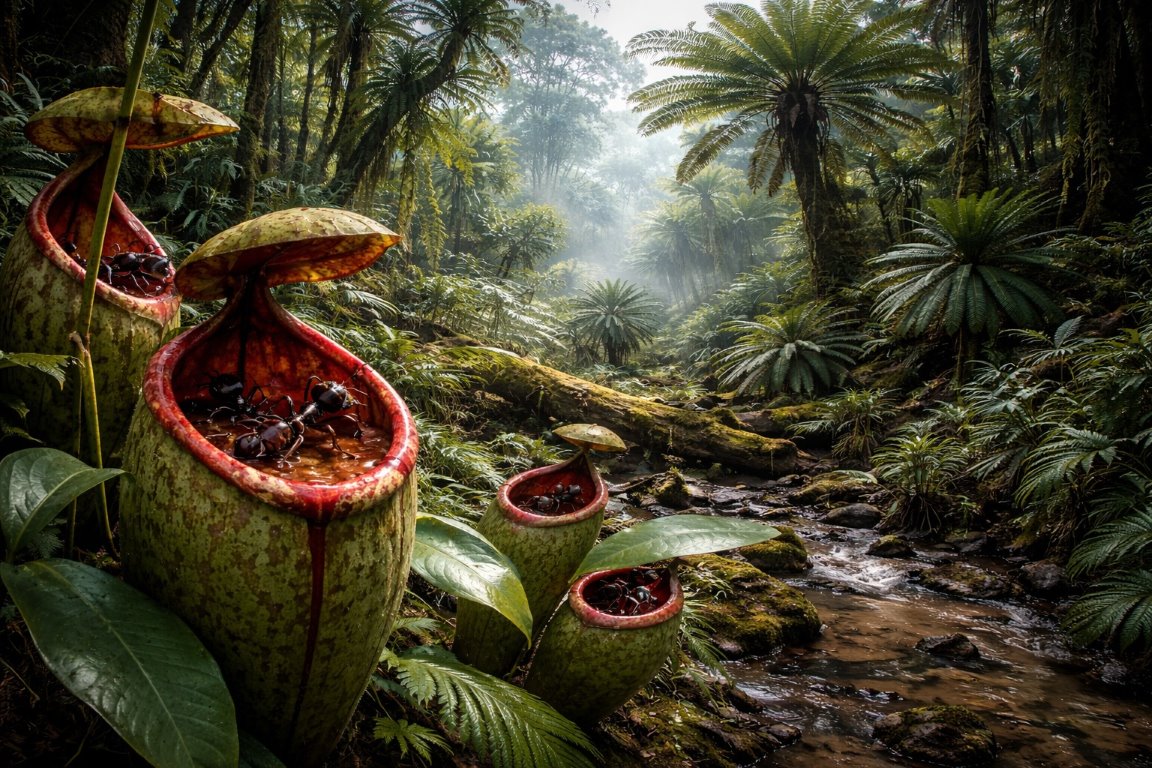

When we think about prehistoric danger, we picture teeth, claws, and enormous predators. But long before and during the age of dinosaurs, the real foundation of every ecosystem was vegetation — and that vegetation was anything but harmless. Forests could burn with terrifying intensity. Swamps could suffocate entire landscapes. Plants evolved toxins, irritants, and physical defenses in an ancient arms race against herbivores.
Prehistoric Earth was not only ruled by giant animals. It was shaped — and sometimes made hostile — by its plants.
To understand how, we need to move through deep time, from Carboniferous swamps to Jurassic forests and Cretaceous flowering revolutions.
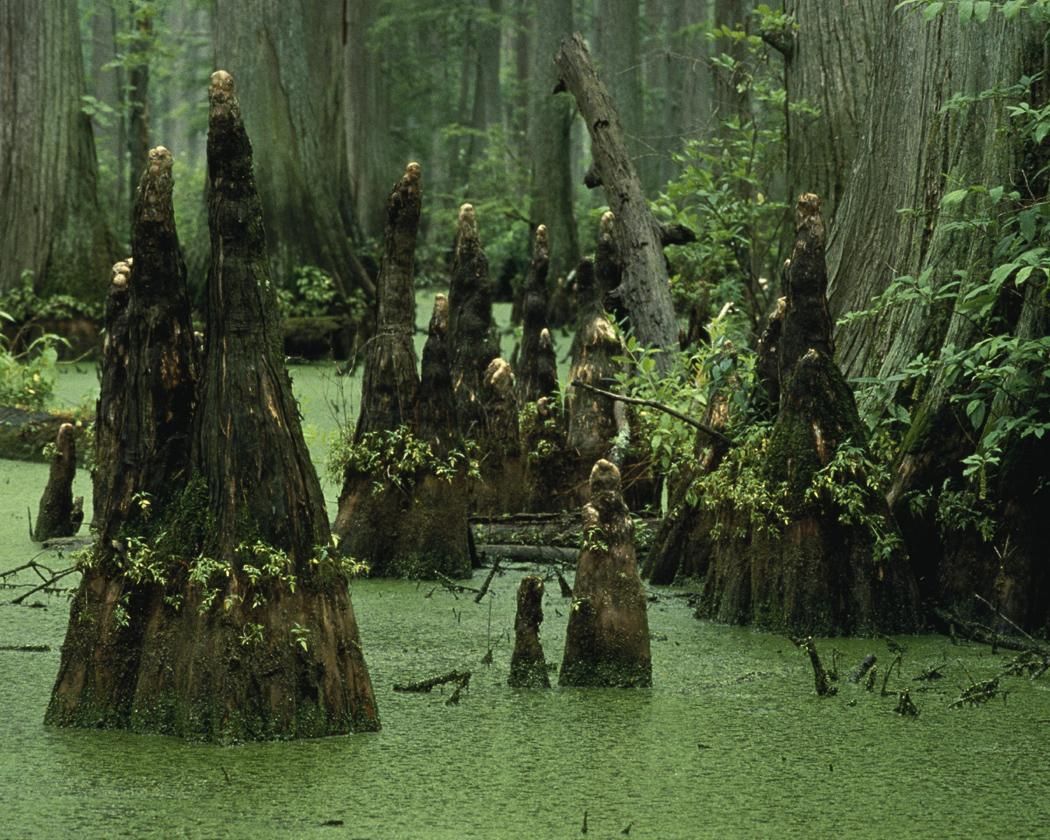
Carboniferous Swamps: The Most Dangerous Forests in History
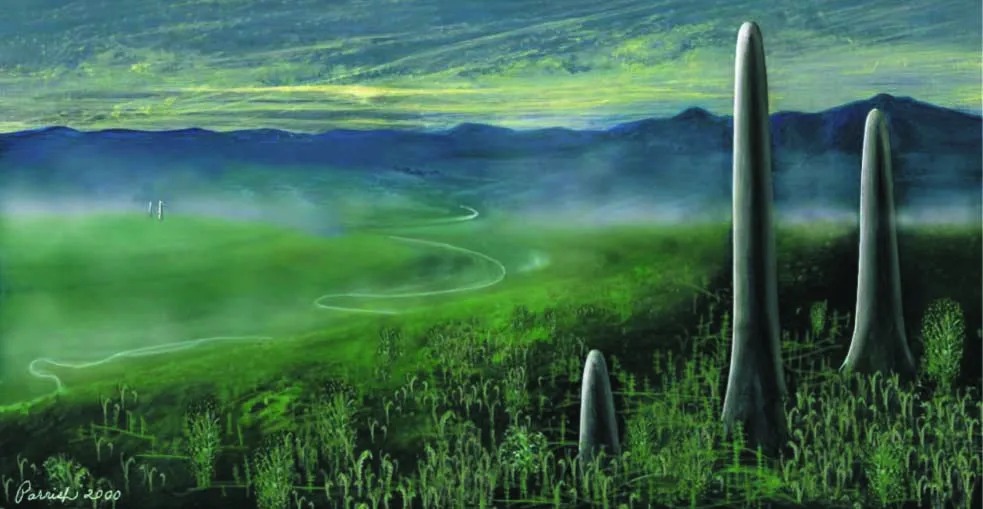
Around 300 million years ago, during the Carboniferous period, vast tropical swamps covered much of the planet. These were not forests in the modern sense. They were dense, humid, oxygen-rich environments filled with towering lycophytes, giant horsetails, and tree-sized ferns.
Oxygen levels during this period may have exceeded 30 percent — significantly higher than today’s 21 percent. That had consequences.
High oxygen makes fire more intense. Lightning storms in such atmospheres could ignite wildfires that spread rapidly through dry vegetation. Once started, these fires would burn hotter and longer than modern equivalents.
The plants themselves contributed to this danger. Thick layers of decaying plant matter built up in swampy soils, eventually forming coal deposits. But during their lifetime, these ecosystems were heavy with biomass — perfect fuel.
Carboniferous forests were not peaceful green havens. They were volatile environments where fire and suffocation were constant risks.
And moving through them would not have been easy. Dense growth, sharp fronds, humid air, and unstable ground made navigation difficult even for large animals.
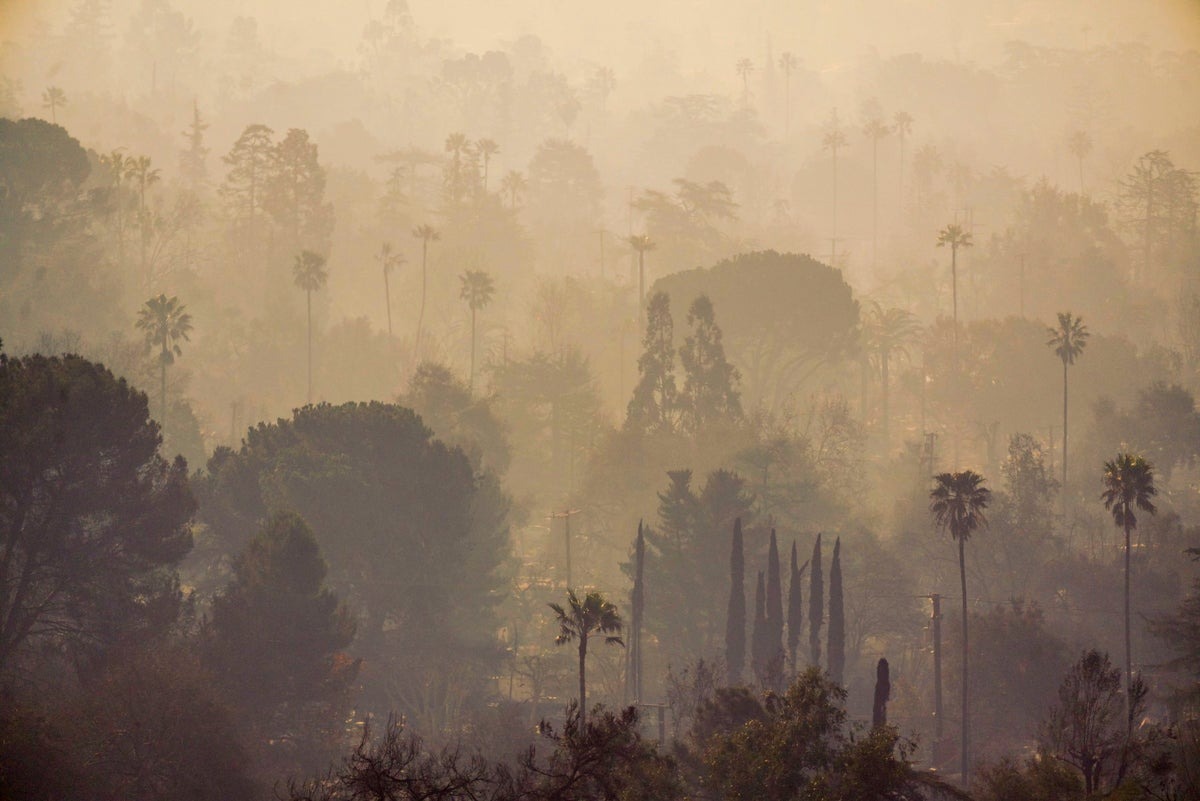
Toxic Forests of the Ancient World
As herbivorous insects and early reptiles began feeding on plants, vegetation evolved defensive chemistry.
Chemical warfare in plants is ancient. Even before dinosaurs appeared, plants were producing compounds that deterred, poisoned, or irritated those that tried to eat them.
Cycads, which were common during the Mesozoic and are still alive today, contain powerful neurotoxins. These toxins can cause liver damage and neurological disorders in modern animals. Fossil evidence suggests cycads were abundant in dinosaur-era landscapes.
Seed ferns and early conifers likely developed their own chemical defenses. While we cannot directly test toxin levels in fossils, we can infer their presence through evolutionary continuity. Many modern plant lineages trace back to ancient ancestors that likely carried early forms of similar compounds.
Plants do not have claws. They fight with chemistry.
Leaves become bitter. Sap becomes toxic. Spores become irritating. Over millions of years, this arms race escalated. Herbivores adapted to tolerate certain toxins. Plants responded by evolving new ones.
Prehistoric forests were battlegrounds — not silent backdrops.
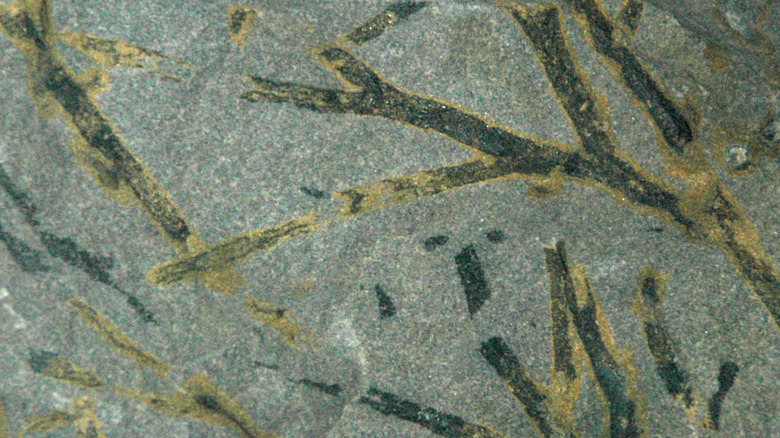
When Plants Fought Back: Chemical Warfare in Deep Time
The relationship between plants and herbivores is one of escalation.
As dinosaurs evolved more efficient digestive systems, plants responded. Tougher fibers, silica deposits in tissues, thicker bark, and more complex toxins became common strategies.
Some prehistoric plants likely caused digestive distress or even poisoning in animals that consumed them without adaptation. This would have shaped feeding behaviors and migration patterns.
There is also evidence of fungal blooms following mass extinctions. After the Permian–Triassic extinction, fossil layers show what scientists call a “fungal spike,” indicating massive fungal growth as ecosystems collapsed.
Fungi release spores in enormous quantities. In certain environmental conditions, airborne spores can cause respiratory irritation. While we cannot directly measure the health effects on prehistoric animals, the ecological signal suggests heavily spore-laden air in some periods.
The danger was not just from what animals ate — but from what they breathed.
Plants and fungi were not passive. They shaped environments chemically and physically.
Vegetation During the Age of Dinosaurs
By the Jurassic and Cretaceous periods, vegetation had changed dramatically.
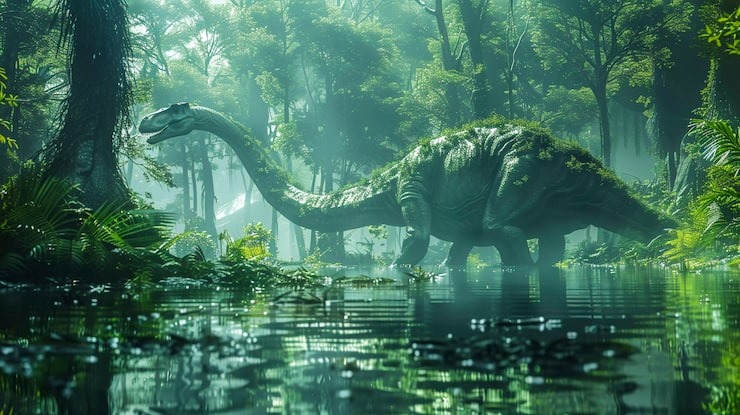
Conifers dominated many regions. Ginkgo trees spread across continents. Cycads flourished in warm climates. Ferns formed dense undergrowth. Later, flowering plants began to appear and diversify.
These ecosystems supported enormous herbivorous dinosaurs. But that does not mean they were gentle landscapes.
Cycads were toxic. Conifers produced resins that trapped insects and possibly deterred herbivores. Some plants developed thick bark resistant to damage.
Understory vegetation could be dense and difficult to move through. Floodplains created unstable soils. Seasonal droughts alternated with heavy rainfall.
The plant world during the dinosaur era was productive — but not necessarily comfortable.
Oxygen, Climate, and the Power of Vegetation
Prehistoric plants did more than defend themselves. They altered the planet.
Photosynthesis influenced atmospheric composition. Massive forest expansion could draw down carbon dioxide. Conversely, large volcanic events could disrupt plant growth and destabilize ecosystems.
When plant communities collapse, everything above them collapses too.
Mass extinction events often begin with environmental stress that affects vegetation first. When plants disappear, herbivores starve. When herbivores vanish, predators follow.
Plants may not move. But they determine who survives.
The True Danger of Prehistoric Vegetation
Prehistoric plants were rarely deadly in a dramatic, carnivorous sense. There were no giant man-eating vines stalking dinosaurs.
The real danger was environmental.
Toxic compounds shaped diets.
Fire-prone forests reshaped landscapes.
Spore blooms followed ecological collapse.
Dense vegetation limited mobility.
Climate shifts altered entire plant communities.
Plants defined the rules of survival.
They controlled oxygen. They controlled food supply. They controlled habitat structure.
In many ways, prehistoric Earth was not only dangerous because of predators.
It was dangerous because of its forests.