
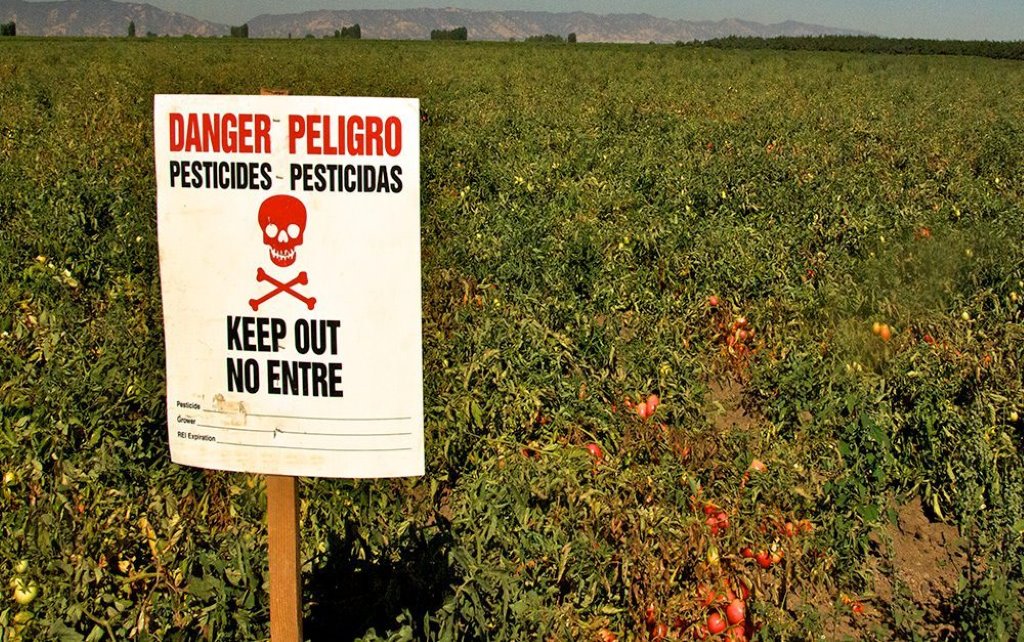
Chemicals Used in Pesticides That Kill Humans

Pesticides are designed to kill. That fact often gets softened by marketing language—“crop protection,” “pest control,” “plant health.” But at their core, many pesticides work by attacking nervous systems, shutting down respiration, disrupting cell function, or poisoning organs. Insects die because of these effects. Humans die for the same reasons, just less predictably and often more slowly.
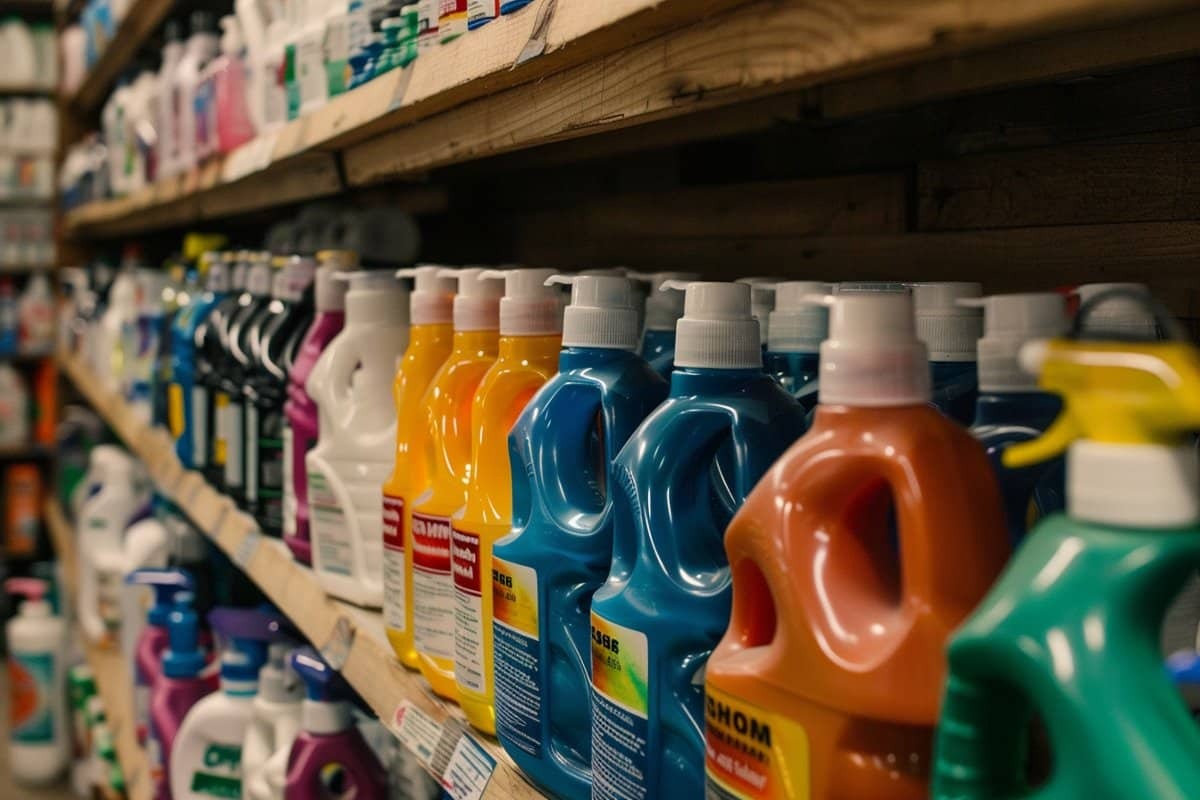
Household Chemicals That Kill When Mixed

Most people think of household chemicals as mild, controllable things. Cleaners under the sink. Bottles with bright labels promising freshness, shine, or disinfecting power. Used correctly, most of them are relatively safe. The danger begins when they are combined.

Some of the most lethal chemical reactions don’t happen in laboratories or factories. They happen in kitchens, bathrooms, and laundry rooms, often by accident. A person tries to clean faster, disinfect more thoroughly, or solve a stubborn stain, and unknowingly creates a toxic gas or corrosive reaction that can overwhelm the body in minutes.

What Makes Chemicals Poisonous

You often hear warnings about toxic chemicals and how dangerous they can be, but the meaning of the term is usually left vague. A toxic chemical is not a rare or exotic substance found only in laboratories or industrial accidents. According to the definition used by the U.S. Environmental Protection Agency, a toxic chemical is any substance that can harm human health or the environment if it is inhaled, swallowed, or absorbed through the skin. This definition is intentionally broad because harmful exposure is not limited to unusual materials.