


Sugar is often treated as a harmless pleasure, something sweet we add to coffee, bake into desserts, or sip without much thought in drinks. But inside the body, sugar behaves far less like a treat and far more like a chemical that disrupts normal biological balance. It affects hormones, brain chemistry, metabolism, and even how cells age. What makes sugar especially dangerous is not just its effect on the body, but how deeply it has become embedded in modern diets, often without people realizing how much they consume daily.
Cutting sugar out completely is extremely difficult in today’s food environment. It appears in obvious places like desserts and sodas, but also in foods marketed as healthy, light, or natural. Many people experience real withdrawal symptoms when they reduce sugar intake, including headaches, irritability, fatigue, and strong cravings. These reactions are not accidental. Sugar directly stimulates reward systems in the brain in a way that closely resembles addictive substances, reinforcing repeated consumption and making moderation harder than it sounds.
At the neurological level, sugar activates the brain’s reward circuitry, triggering the release of dopamine. Dopamine is the chemical associated with pleasure, motivation, and reinforcement. Each time sugar is consumed, dopamine levels spike, creating a short-lived sense of satisfaction. Over time, the brain adapts by reducing sensitivity to dopamine, meaning larger amounts of sugar are needed to achieve the same pleasurable response. This pattern mirrors what happens with addictive drugs, where tolerance builds and cravings intensify.
This cycle explains why sugar cravings often escalate rather than fade. A small amount may satisfy briefly, but repeated exposure trains the brain to seek more. Studies comparing sugar’s effect on the brain to substances like cocaine and heroin have shown striking similarities in how reward pathways respond. While sugar does not produce the same immediate dangers as illegal drugs, its chronic effects unfold slowly, quietly damaging health over years or decades.
Understanding why sugar is harmful begins with recognizing how much of it is consumed. Over the past several decades, sugar intake has risen dramatically. In the United States alone, average consumption has increased by roughly 30 percent over a 30-year period. Many people now consume close to 100 pounds of sugar per year, which translates to nearly 30 teaspoons every single day. This level far exceeds what the body is equipped to handle safely.
Health organizations have attempted to set limits to reduce this damage. The American Heart Association recommends that women consume no more than six teaspoons of added sugar per day, while men should stay below nine teaspoons. Yet a single can of soda can contain nearly that entire daily allowance. Sweetened beverages, including sodas, fruit drinks, energy drinks, and flavored coffees, are among the largest contributors to excess sugar intake, delivering high doses without creating any feeling of fullness.

How sugar earns its reputation as a poison
Calling sugar a poison may sound extreme at first, but the term becomes more accurate when considering its long-term effects on the body. On average, people consume around 17 teaspoons of added sugar per day, equivalent to about 68 grams. This is not a rare indulgence or occasional excess; it is a consistent daily exposure. Unlike naturally occurring sugars found in whole fruits, added sugars offer no protective nutrients, fiber, or minerals to offset their impact.
The danger of sugar is not based on a trend or exaggerated fear. Its effects are well documented in medical and nutritional research. Sugar places stress on the liver, disrupts hormone signaling, fuels inflammation, and accelerates metabolic dysfunction. Children are especially vulnerable, as early exposure shapes taste preferences, eating habits, and metabolic health for life. The damage does not appear overnight, which is precisely why it is so easy to ignore.
How sugar drives long-term health problems
Sugar provides what are often called empty calories. It delivers energy without nutrients, meaning the body receives fuel but no vitamins, minerals, or fiber. Because sugar does not trigger strong satiety signals, people tend to eat more overall when sugar intake is high. Excess sugar that is not immediately used for energy is converted into fat, particularly in the liver, contributing to weight gain and metabolic strain.
Nutrition experts have long warned about sugar’s role in chronic disease. Registered dietitians point out that sugar consumption is linked to obesity, cardiovascular disease, premature skin aging, and reduced overall health. One key hormone involved is leptin, which helps regulate hunger and signals when the body has had enough to eat. High sugar intake can interfere with leptin signaling, leading to leptin resistance. When this happens, the brain fails to register fullness, appetite increases, and overeating becomes more likely.

“eating sugar can lead to leptin resistance, which can increase our appetites and lead to overeating.”
Beyond weight gain, sugar contributes to deeper systemic problems. Chronic high intake has been associated with increased inflammation, oxidative stress, and impaired immune response. These effects help explain links between sugar and conditions such as heart disease, type 2 diabetes, accelerated aging, and even changes in mood and energy levels. Over time, sugar reshapes how the body processes food, stores energy, and responds to internal signals, setting the stage for long-term health decline.
Hidden sugar is one of the biggest reasons people consume far more sugar than they realize. Many foods that appear healthy, light, or diet-friendly are actually engineered to replace fat with sugar in order to maintain taste. Low-fat and non-fat products are especially deceptive, because when fat is removed, manufacturers often compensate by adding extra sweeteners. Over a lifetime, this hidden sugar intake quietly accumulates, contributing to metabolic damage without ever feeling like excessive indulgence.
Large population studies have helped clarify how dangerous this pattern can be. Research published in major medical journals has shown that people who consume a high percentage of their daily calories from added sugar face significantly higher risks of heart disease and early death. One well-known study found that individuals who derived a large portion of their calories from sugar had a substantially increased risk of dying from cardiovascular causes compared to those who limited intake. These risks were independent of body weight, meaning even people who were not visibly overweight were affected.
Sugar’s damage goes far beyond weight gain. High intake has been linked to increased cancer risk, accelerated cellular aging, chronic inflammation, mood disorders such as depression, persistent fatigue, fatty liver disease, and visible skin changes like wrinkles and loss of elasticity. These effects develop slowly, which is why sugar often escapes blame. The body adapts at first, masking symptoms, until damage becomes difficult to reverse.
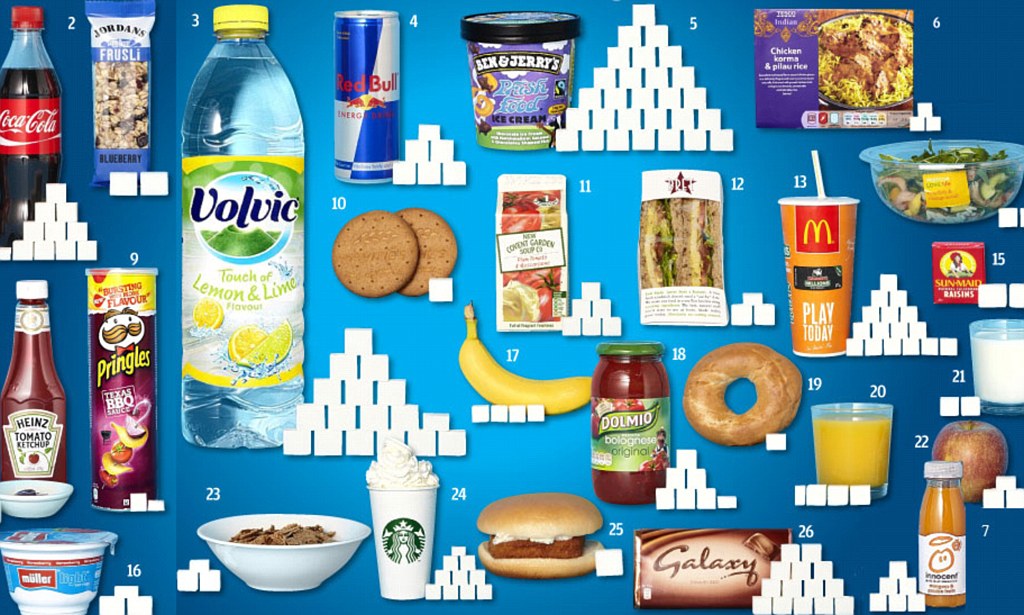
Sugar is hiding everywhere.
Sugar does not always appear under obvious names on ingredient labels. In many products, it is listed multiple times using different forms, allowing manufacturers to distribute sugar across the ingredient list rather than placing it at the top. Ingredient lists are ordered by weight, so when sugar appears within the first few items, it indicates a high concentration even if the product does not taste overtly sweet.
Reading labels becomes essential when trying to reduce sugar intake. Many people consume sugar continuously throughout the day without realizing it, starting at breakfast and continuing through snacks, drinks, and sauces. Once this pattern becomes visible, it is often shocking how frequently sugar appears in everyday foods.
Common sugars ending in “-ose” include dextrose, sucrose, fructose, lactose, and maltose. These are chemically similar in how the body processes them, regardless of whether they sound scientific or natural. Beyond these, sugar also appears under names such as molasses, cane juice, corn sweetener, brown sugar, corn syrup, fruit juice concentrate, and malt sugar. While some of these sound less processed, they still act as added sugar once inside the body.
High-fructose corn syrup deserves special mention because of its widespread use in processed foods. It appears in sodas, packaged snacks, condiments, and baked goods. Although there has been debate over whether it is worse than other sugars, its metabolic effects are very similar to other added sweeteners. Like other sugars, it contributes to fat accumulation in the liver, insulin resistance, and increased appetite when consumed regularly.
Beverages are among the most concentrated sources of sugar in modern diets. Sodas, fruit juices, energy drinks, flavored waters, and sweetened coffee beverages can deliver massive sugar doses without triggering fullness. Liquid sugar bypasses many of the body’s natural appetite controls, making it easy to consume large amounts quickly.
Fruit juice is often perceived as healthy, but it lacks the fiber found in whole fruit. Fiber slows sugar absorption and helps regulate blood sugar levels. Without it, juice behaves more like soda in the body, causing rapid spikes in blood sugar followed by crashes that increase hunger. Whole fruit, in contrast, provides sweetness alongside fiber, water, and nutrients that moderate its effects.
Sugar also appears in foods commonly marketed as healthy. Granola bars, flavored yogurts, plant-based milks, deli foods, salad dressings, and even some savory sauces contain significant amounts of added sugar. Breakfast items are especially problematic, as starting the day with sugar sets the stage for cravings and energy swings that last for hours.
“ingredients like honey, molasses, and maple syrup, although natural, are still considered added sugar”
Natural sugars often create confusion. Honey, molasses, and maple syrup are frequently viewed as healthier alternatives because they come from natural sources. However, once consumed, the body processes them in much the same way as other added sugars. While they may contain trace minerals or antioxidants, these benefits are minor compared to the metabolic impact of the sugar itself. The label “natural” does not make a sweetener harmless.

Practical ways to seriously reduce sugar intake
Reducing sugar intake does not require perfection, but it does require awareness and strategy. One practical approach is to focus grocery shopping on the outer edges of the store, where fresh foods like vegetables, fruits, meats, and dairy are typically located. The inner aisles are often dominated by processed foods engineered for long shelf life and high palatability, which usually means added sugar.
Eliminating sugary drinks is one of the most effective changes a person can make. Replacing soda, sweetened tea, and flavored coffee drinks with water, sparkling water, or unsweetened beverages can dramatically reduce daily sugar intake. For those accustomed to sweetened coffee or tea, gradually reducing added sugar allows taste preferences to adjust over time.
Small changes add up. Diluting juice with water, switching to unsweetened nut butters instead of sugar-laden spreads, and choosing plain cereals sweetened with fresh fruit rather than packaged options can significantly lower intake. Steel-cut oats with fruit provide sustained energy without the sugar spike of many breakfast cereals.
Making sauces and dressings at home offers greater control over ingredients. Many store-bought salad dressings contain surprising amounts of sugar, even those labeled as healthy. Snacks can also be improved by pairing nuts with unsweetened dried fruit, though it is important to check labels carefully, as many dried fruits are coated with added sugar.

Daily sugar intake often becomes visible only when people stop to calculate it. A single 12-ounce can of soda can contain around nine teaspoons of sugar, nearly an entire day’s recommended limit. Once this reality sinks in, many people feel motivated to make gradual, sustainable changes rather than extreme restrictions.
Reducing sugar intake tends to produce noticeable benefits over time. Energy levels stabilize, cravings diminish, skin often improves, and weight becomes easier to manage. The most important shift is not elimination overnight, but awareness. Once sugar’s role in the body is understood, it becomes easier to make informed choices and regain control over what fuels daily life.