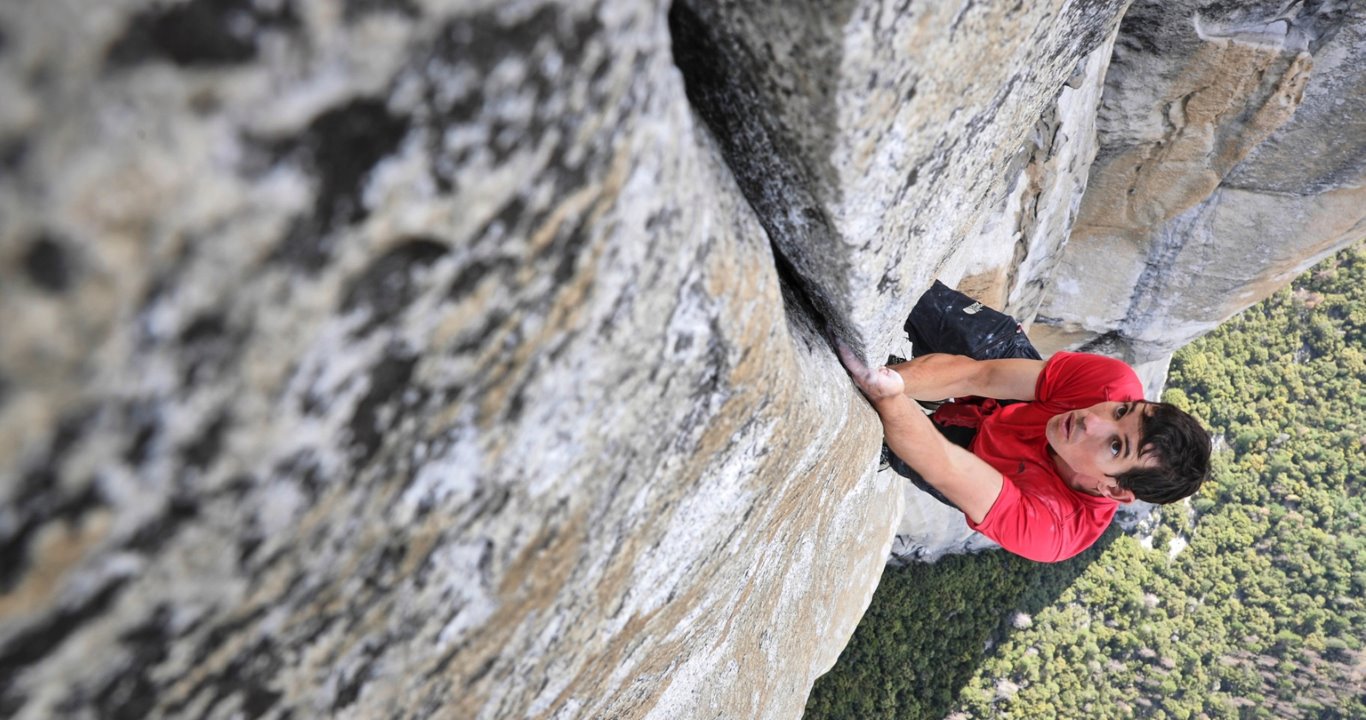

What Fear Does to the Body — And How Panic Can Kill

Fear is one of the oldest survival tools humans possess. Long before cities, medicine, or language, fear kept our ancestors alive. It sharpened attention, accelerated reaction time, and prepared the body to fight or flee from danger. Without fear, early humans would not have survived predators, harsh environments, or rival threats.

But fear is not always precise.

Why Survival Knowledge Matters

Most people move through daily life with an unspoken assumption: things will keep working. The lights will turn on. Water will flow from the tap. Roads will remain open. Phone signals will connect. For the most part, that assumption holds true. Modern infrastructure is reliable, and emergencies feel distant — something that happens on the news, somewhere else.

But systems fail. Storms knock out power grids. Earthquakes fracture roads and pipelines. Floods isolate entire neighborhoods. A single wrong turn on a hiking trail can separate someone from familiar terrain within minutes. In those moments, comfort disappears quickly, and what remains is the most basic human requirement: the ability to stay alive.

Deadliest Human Mistakes in the Wild

Nature can be unforgiving, but in many of history’s worst outdoor tragedies, it was not nature alone that killed — it was a human miscalculation. A wrong decision in thin air. A delayed evacuation before a storm. A shortcut on unstable ice. A single underestimated risk that turned fatal.

Mountains, oceans, forests, deserts — none of them are inherently malicious. Yet they amplify error. In controlled environments, mistakes are often survivable. In wilderness settings, the margin for error narrows sharply. A small oversight can cascade into disaster within minutes.

Detoxify Your Body

Modern life exposes the human body to a steady stream of chemical and environmental toxins. These substances enter through the air we breathe, the water we drink, and the food we eat, often without any immediate warning signs. Under normal conditions, the body relies on an intricate detoxification network involving the liver, kidneys, digestive tract, lymphatic system, lungs, and skin to process and eliminate harmful compounds. This system evolved to handle naturally occurring toxins, not the volume and diversity created by industrial chemicals, pesticides, heavy metals, and synthetic additives.