
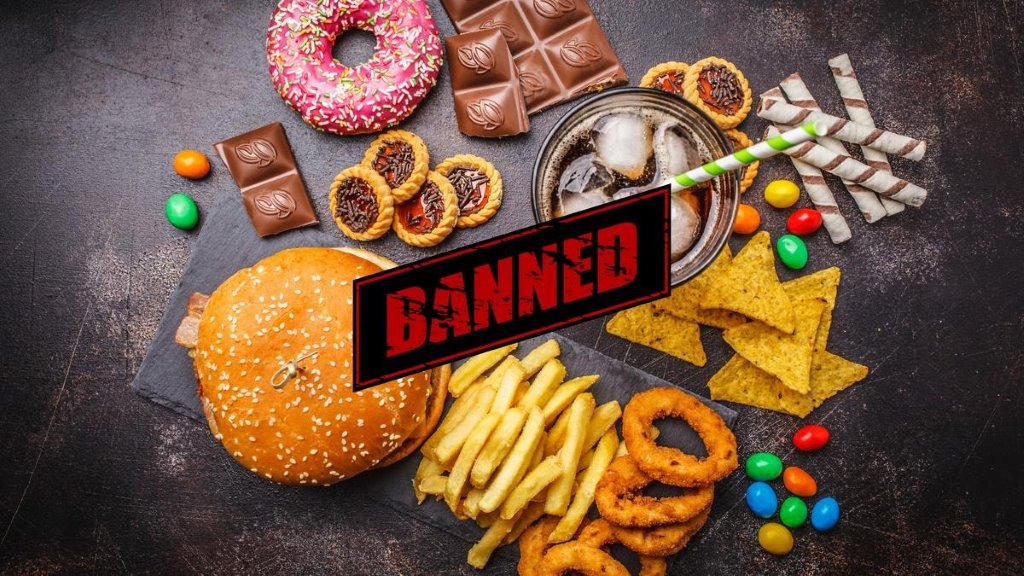
Foods Banned in Many Countries

Food laws are rarely random. When a product is banned in one country but freely sold in another, there is usually a mix of science, politics, culture, and risk tolerance behind the decision. What one nation considers unsafe, another may consider acceptable within limits. Some bans are based on toxicology data. Others come from precautionary principles. And sometimes, the difference simply reflects how much uncertainty regulators are willing to tolerate.
Foods that kill through bacteria

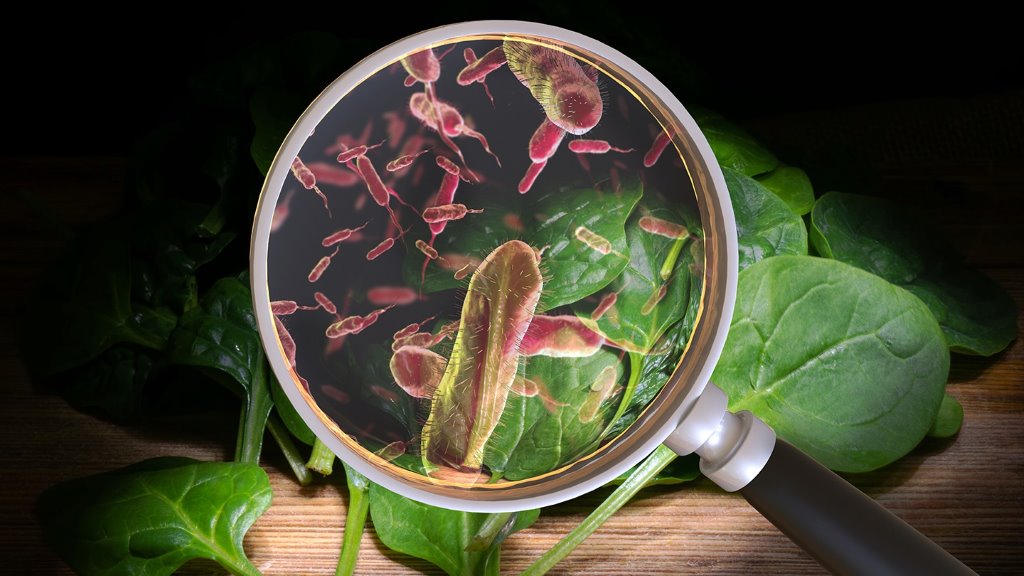
When people hear that food can “kill,” they often imagine poison, chemicals, or something obviously rotten. But the reality is quieter and more unsettling. Some of the most ordinary foods in our kitchens can become deadly—not because of what they are, but because of the bacteria growing inside them.

Bacteria are invisible. They don’t change the taste right away. They don’t always create a foul smell. And sometimes the food looks perfectly normal. Yet under the right conditions—poor storage, cross-contamination, improper cooking—common ingredients can turn into vehicles for life-threatening infections.

This article explores foods that can become deadly through bacterial contamination, the specific organisms involved, and why they are so dangerous.

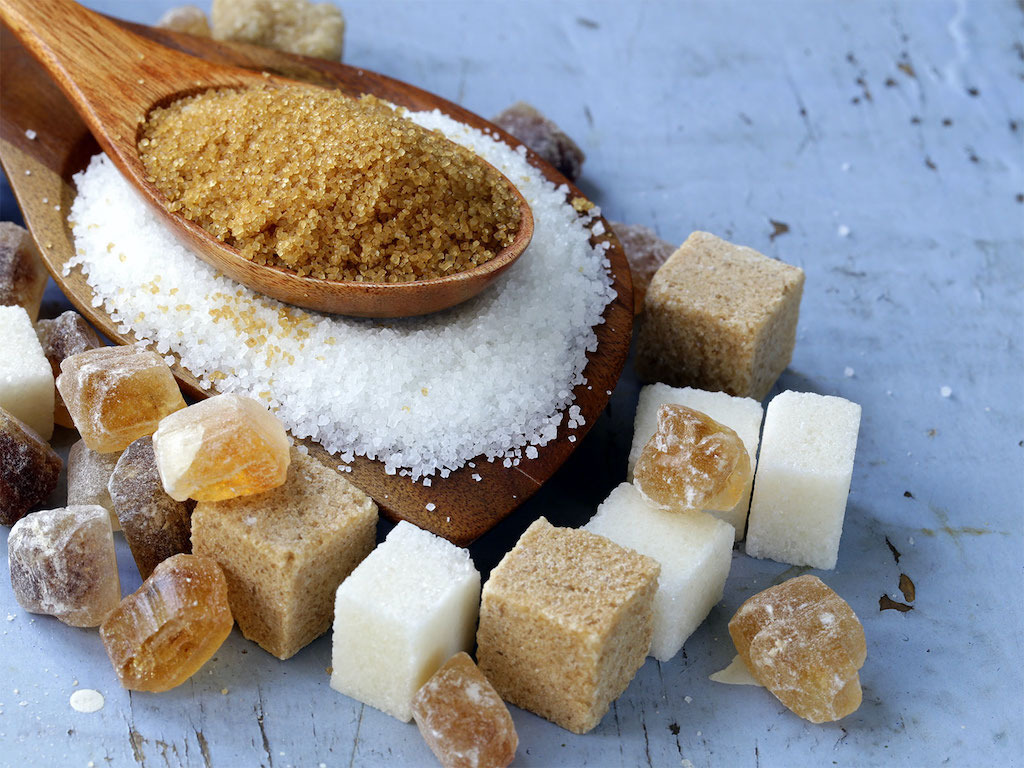
Why Sugar Is Poison

Sugar is often treated as a harmless pleasure, something sweet we add to coffee, bake into desserts, or sip without much thought in drinks. But inside the body, sugar behaves far less like a treat and far more like a chemical that disrupts normal biological balance. It affects hormones, brain chemistry, metabolism, and even how cells age. What makes sugar especially dangerous is not just its effect on the body, but how deeply it has become embedded in modern diets, often without people realizing how much they consume daily.