
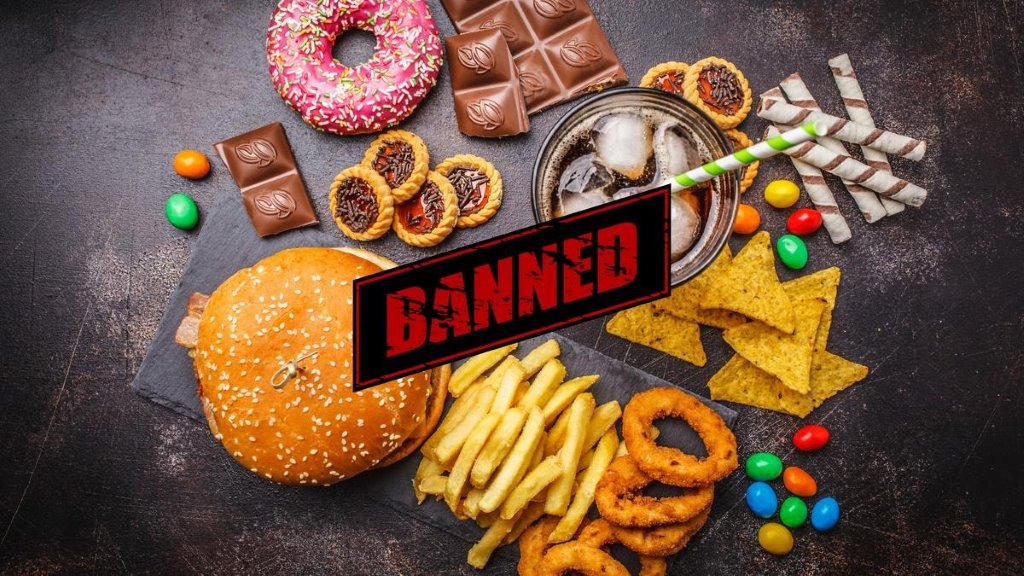

Food laws are rarely random. When a product is banned in one country but freely sold in another, there is usually a mix of science, politics, culture, and risk tolerance behind the decision. What one nation considers unsafe, another may consider acceptable within limits. Some bans are based on toxicology data. Others come from precautionary principles. And sometimes, the difference simply reflects how much uncertainty regulators are willing to tolerate.
Around the world, certain foods and additives have sparked controversy serious enough to trigger outright bans. In some cases, the ban applies to a single ingredient. In others, the entire product is prohibited. The result is a patchwork of rules that can surprise travelers and even food manufacturers.
Below are some of the most well-known foods and food ingredients that have been banned, restricted, or heavily regulated in multiple countries.
Potassium Bromate in Bread
Potassium bromate is a flour improver once widely used in commercial baking. It strengthens dough and helps bread rise higher with a lighter texture. For decades, it was considered an efficient way to produce consistent loaves on an industrial scale.
However, animal studies raised concerns. Research suggested that potassium bromate could be carcinogenic, meaning it might increase cancer risk. Although baking can reduce bromate residues if done correctly, incomplete reactions may leave trace amounts in finished bread.
As a result, potassium bromate has been banned in the European Union, Canada, China, and several other countries. The precautionary principle played a major role in these decisions—if there is credible evidence of carcinogenic potential, even if risk at normal exposure levels is debated, many regulators prefer elimination.
In the United States, however, potassium bromate has not been fully banned at the federal level, though many commercial bakeries have voluntarily stopped using it due to public pressure and consumer demand for “clean label” products.
Olestra
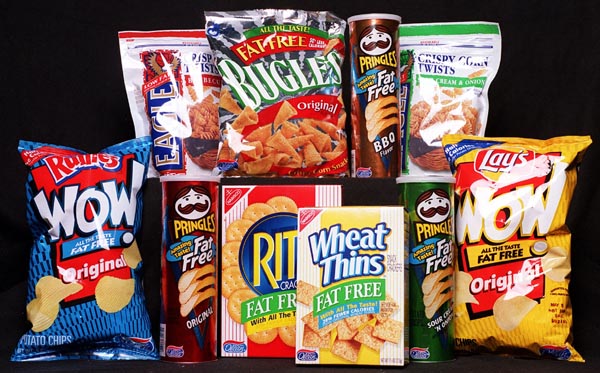
Olestra was introduced as a fat substitute designed to provide the taste and texture of fat without the calories. Marketed heavily in the 1990s, it was added to certain snack foods as a revolutionary alternative to traditional oils.
But Olestra came with side effects. Because it passes through the digestive system without being absorbed, it can interfere with the absorption of fat-soluble vitamins such as A, D, E, and K. More famously, it was associated with gastrointestinal distress, including cramping and loose stools.
Several countries either rejected its approval outright or placed strict restrictions on its use. While not universally banned everywhere, Olestra’s reputation significantly damaged its commercial success.
It became an example of how technological innovation in food does not always align with consumer comfort—or digestive reality.
Farmed Salmon with High Contaminant Levels
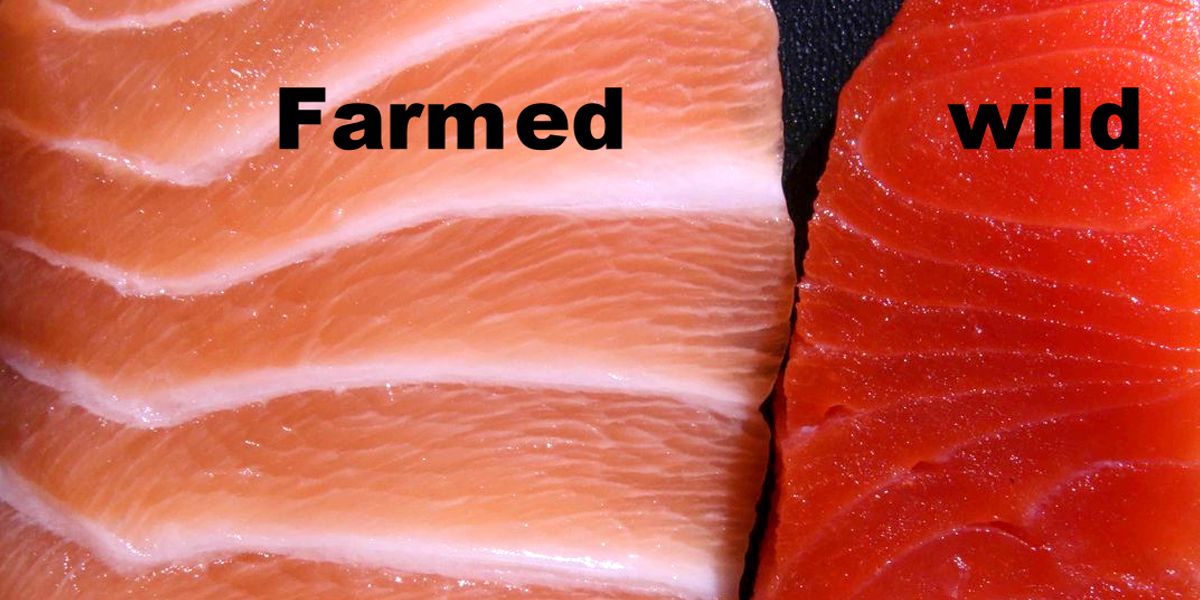
Salmon itself is not banned. However, certain farmed salmon products have faced import restrictions or bans in specific countries due to elevated levels of contaminants such as PCBs (polychlorinated biphenyls).
PCBs are industrial chemicals once widely used but later banned due to toxicity and potential carcinogenicity. They persist in the environment and can accumulate in fatty fish.
In some cases, countries have temporarily banned imports of salmon from particular regions after testing revealed contaminant levels exceeding national safety thresholds. The controversy highlights a broader issue: food safety standards differ across borders.
One country’s “acceptable limit” may exceed another’s tolerance. That difference alone can trigger trade restrictions or bans.
Ractopamine-Treated Meat
Ractopamine is a feed additive used to promote leanness in livestock, particularly pigs and cattle. It alters how animals metabolize nutrients, increasing muscle growth while reducing fat.
The substance is approved in some countries, including the United States. However, over 150 countries—including members of the European Union, China, and Russia—have banned meat from animals treated with ractopamine.
Concerns revolve around potential cardiovascular effects and animal welfare issues. While regulatory agencies in approving countries consider it safe at regulated levels, other governments have chosen to prohibit it entirely due to uncertainties and precautionary standards.
The result is a striking example of regulatory divergence in global food systems.
Unpasteurized Milk
Raw milk is one of the most debated foods in modern agriculture. Supporters argue that it retains beneficial bacteria and enzymes destroyed during pasteurization. Opponents emphasize the risk of contamination with pathogens such as Listeria, Salmonella, and E. coli.
Because pasteurization dramatically reduces the risk of severe foodborne illness, many countries have banned the sale of raw milk to consumers. Others allow limited direct farm sales under strict regulation.
The bans are not about milk itself—but about microbial risk. Historically, before pasteurization became standard, milk was a major source of deadly infections, especially in children.
The tension between tradition and microbiology continues today.

Certain Artificial Food Colorings
Artificial dyes have been at the center of regulatory disputes for decades. Some synthetic food colorings, such as Red No. 3 and certain azo dyes, have faced bans or mandatory warning labels in parts of Europe.
Research has linked specific artificial dyes to hyperactivity in children and potential carcinogenic effects in animal studies. The evidence is complex and sometimes contested, but precautionary measures have led to stricter regulations in the European Union compared to some other regions.
As a result, food manufacturers often produce separate formulations of the same product for different markets—one version compliant with European standards, another tailored to countries with more permissive regulations.
Fugu (Pufferfish) Outside Japan
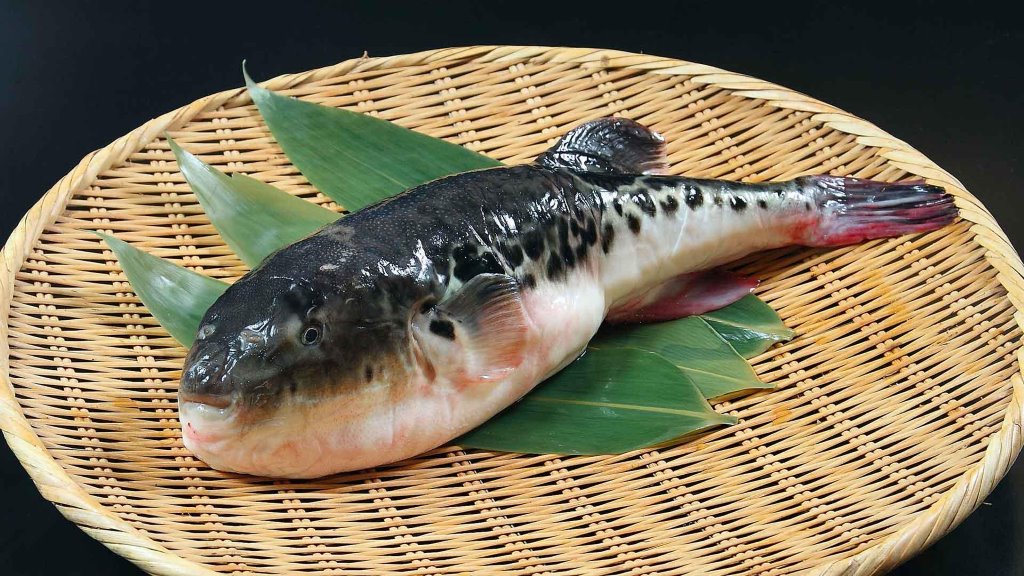
Fugu, the Japanese delicacy made from pufferfish, contains tetrodotoxin—one of the most potent natural toxins known. Improper preparation can result in paralysis and death.
In Japan, specially licensed chefs undergo rigorous training to prepare fugu safely. However, many countries ban the import or sale of pufferfish unless prepared under strict regulatory oversight.
The ban is not about everyday contamination. It is about inherent toxicity. Tetrodotoxin blocks nerve signals, leading to muscle paralysis while the victim remains conscious. Without respiratory support, death can occur.
The risk is so severe that many governments simply prohibit it.
Kinder Surprise Eggs in the United States
One of the more unusual food bans involves a children’s treat rather than a chemical additive. Kinder Surprise eggs—popular in Europe—contain a small toy encased inside a hollow chocolate shell.
In the United States, federal law prohibits the sale of confectionery items containing non-edible objects embedded within them. The concern centers on choking hazards.
Although modified versions have since been introduced to comply with regulations, the original Kinder Surprise product remained banned for decades.
It is a reminder that food regulation does not focus only on chemistry or toxicity. Physical safety matters too.
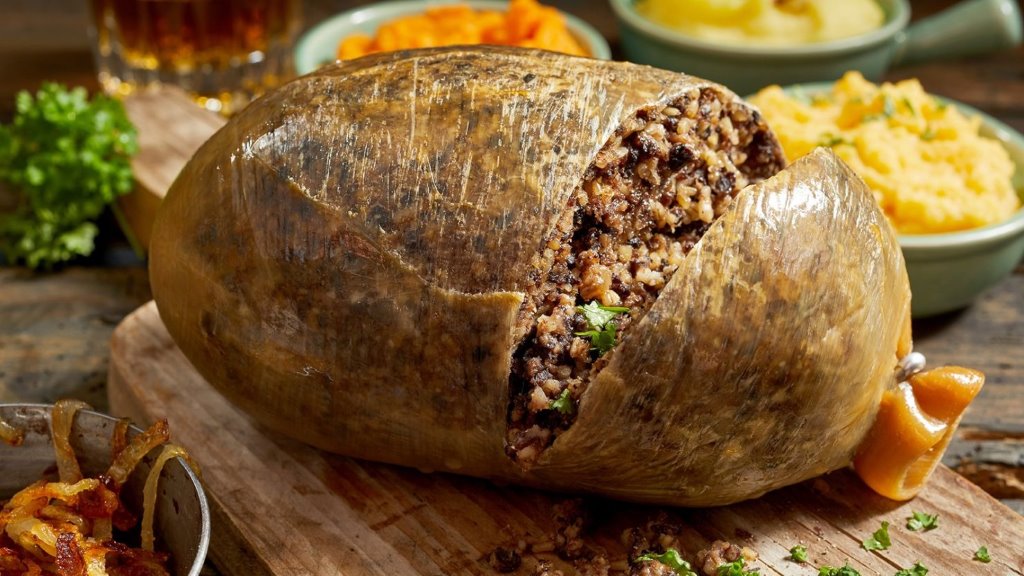
Haggis in the United States
Traditional Scottish haggis contains sheep lung as one of its ingredients. However, the import of sheep lung for human consumption has been banned in the United States since 1971 due to concerns about contamination and food safety standards.
As a result, authentic haggis cannot legally be sold in its traditional form in the U.S., though modified versions without lung are available.
Cultural heritage sometimes collides with modern regulatory frameworks. What is a celebrated national dish in one country may violate food safety rules in another.
Azodicarbonamide in Processed Bread Products
Azodicarbonamide is a chemical compound used as a dough conditioner to improve elasticity and texture in bread and fast-food buns. It gained public attention not because it was originally designed for food—but because it is also used in the production of certain plastics and foamed materials.
The controversy surrounding azodicarbonamide centers on its breakdown products. When heated, it can form compounds such as semicarbazide, which has shown carcinogenic potential in animal studies. While regulatory agencies in some countries have considered the levels in baked goods to be safe, others have taken a stricter position.
The European Union and Australia have banned its use in food. In other regions, including the United States, it has historically been allowed within regulated limits, though many major food chains voluntarily removed it after public pressure intensified.
The debate illustrates a broader divide: some regulators demand near-zero carcinogenic potential regardless of exposure level, while others assess risk based on dose and estimated consumption.
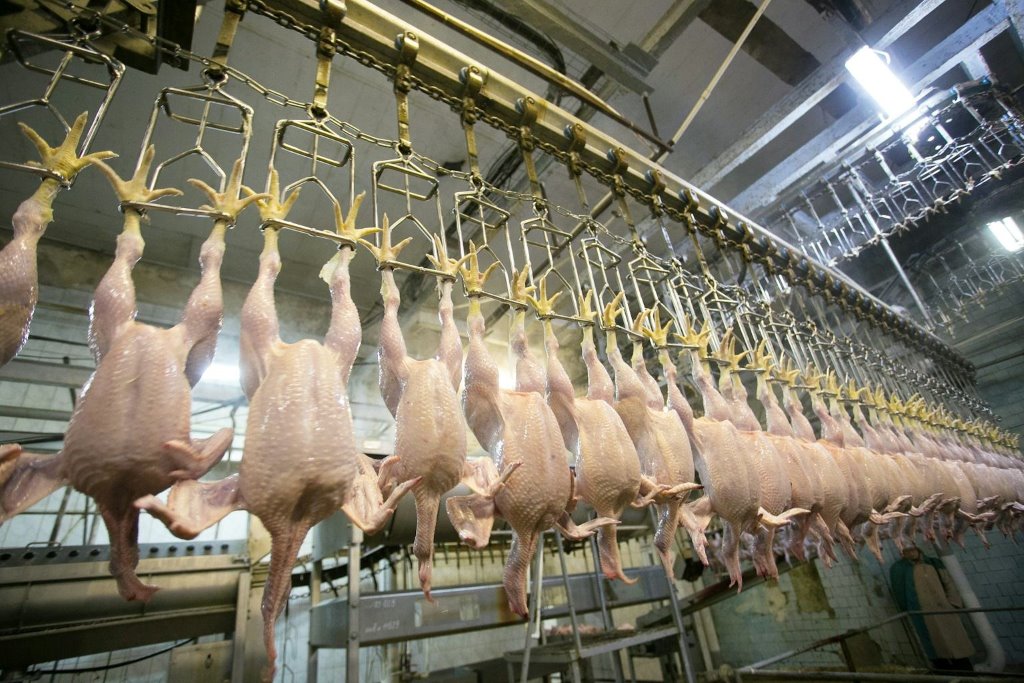
Chlorine-Washed Chicken
Chlorine washing is used in some poultry-processing systems to reduce bacterial contamination on chicken carcasses. The practice involves rinsing processed poultry with chlorinated water to lower pathogen levels.
In the United States, this method is widely used and considered a legitimate food safety intervention. However, the European Union has banned imports of chlorine-washed chicken.
The EU’s concern is not that chlorine itself remains at harmful levels, but that the practice may compensate for lower hygiene standards earlier in the production chain. European regulators emphasize preventive cleanliness throughout farming and slaughter rather than chemical decontamination at the end.
This disagreement became highly visible during international trade negotiations. It represents not a chemical toxicity dispute alone—but a philosophical difference about food safety strategy.
Genetically Modified Crops in Certain Regions
Genetically modified organisms (GMOs) are approved and widely cultivated in some countries, while heavily restricted or banned in others.
For example, certain genetically modified corn and soybean varieties are grown extensively in the United States, Brazil, and Argentina. However, several European countries have imposed bans or strict limitations on specific GMO crops.
The controversy is less about immediate toxicity and more about long-term ecological impact, biodiversity concerns, and public acceptance. Scientific bodies generally agree that approved GM crops are safe for consumption. Yet political, cultural, and precautionary factors influence national policy.
Food bans sometimes reflect public sentiment as much as laboratory findings.
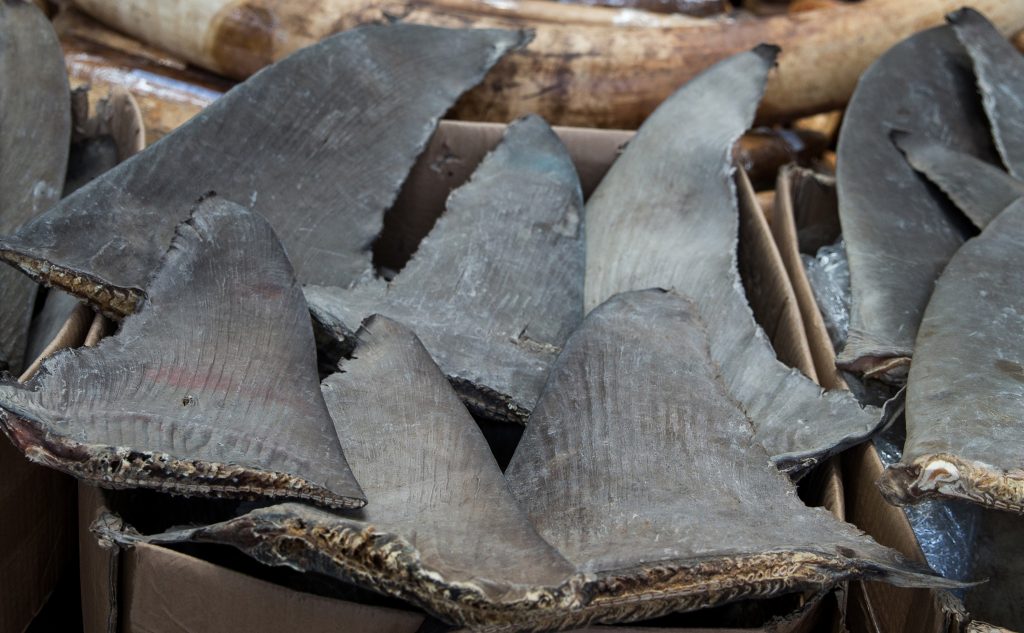
Shark Fin
Shark fin soup has been consumed for centuries in parts of Asia as a luxury dish. However, the practice of shark finning—removing fins and discarding the rest of the animal—has triggered widespread environmental outrage.
Many countries and regions, including parts of the United States and the European Union, have banned the trade or sale of shark fins. The reason is not food safety, but conservation. Shark populations have declined dramatically due to overfishing, and slow reproductive rates make recovery difficult.
This type of ban highlights another dimension of food regulation: ecological sustainability.
A food may be edible and non-toxic, yet still prohibited because of its environmental cost.
Foie Gras in Certain Jurisdictions
Foie gras, made from the liver of ducks or geese that have been fattened through force-feeding, is considered a delicacy in French cuisine. However, the production method—gavage—has sparked ethical controversy.
Several countries and regions have banned the production of foie gras on animal welfare grounds. Some have also restricted its sale. Others continue to allow it as part of culinary tradition.
Unlike bans based on toxicity, foie gras restrictions are rooted in ethical considerations. It represents a clash between gastronomy and animal rights activism.
Food law is not only about health. It also reflects moral boundaries.

Sassafras Oil and Safrole
Sassafras oil was historically used to flavor root beer. However, safrole—one of its primary components—was found to cause liver cancer in animal studies at high doses.
As a result, safrole was banned as a food additive in the United States and many other countries. Modern root beer flavoring no longer contains natural safrole; instead, it uses synthetic or safrole-free extracts.
This case is one of the earlier examples of chemical risk assessment shaping modern food regulation. It also demonstrates how traditional ingredients can be reformulated rather than completely abandoned.
Why Food Bans Differ So Much
The existence of banned foods across borders raises an obvious question: if something is dangerous, why isn’t it banned everywhere?
The answer lies in how risk is measured.
Some countries apply a hazard-based approach: if a substance has the potential to cause harm under any circumstances, it may be banned regardless of exposure level.
Others use a risk-based model: the likelihood of harm at realistic consumption levels is calculated, and if deemed sufficiently low, the product may remain legal.
Political pressure, consumer activism, economic interests, and cultural traditions also shape outcomes. A food that forms part of national identity may face resistance to prohibition, even if controversy surrounds it.
In a globalized market, manufacturers often adapt recipes to comply with stricter jurisdictions. That is why the same snack brand may contain different ingredients depending on where it is sold.
Food bans are rarely about a single dramatic incident. More often, they emerge from long scientific debates, shifting cultural values, and evolving standards of safety. What appears normal in one country may be unacceptable in another—not because science changes at the border, but because tolerance for uncertainty does.
Understanding these differences offers more than trivia. It reveals how societies define acceptable risk—and how something as simple as bread, candy, or seafood can become the center of international controversy.