
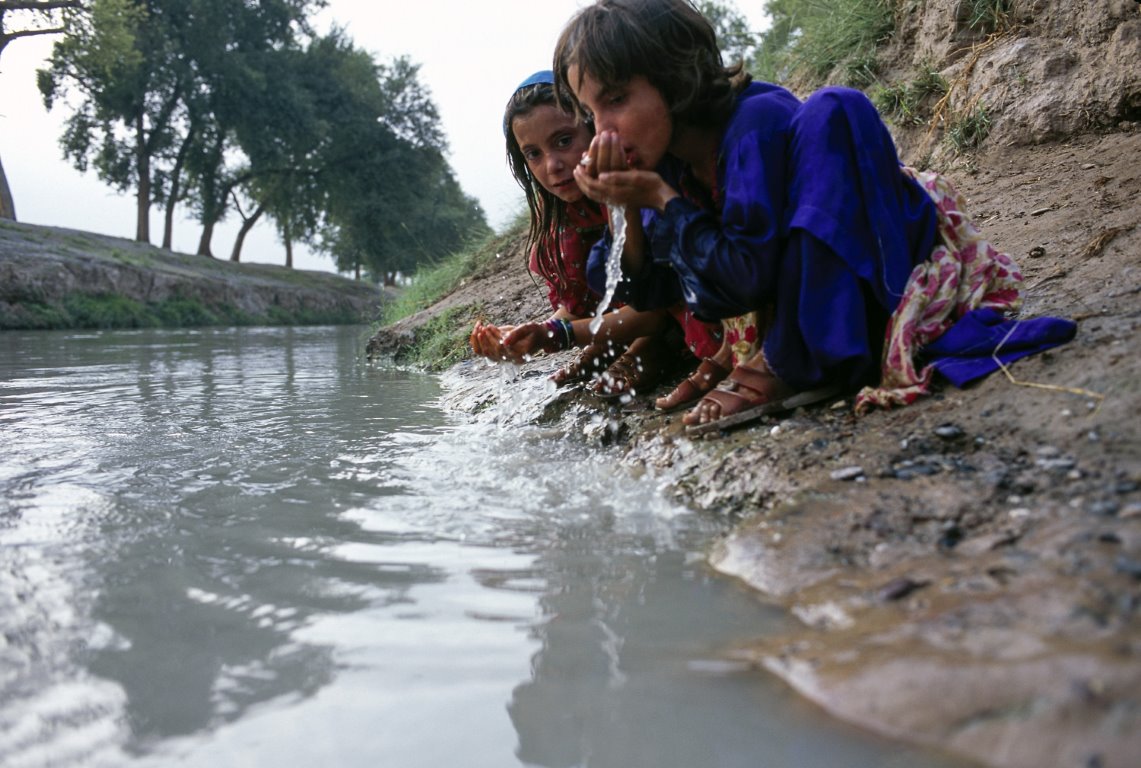

It happens more often than people admit. You take a sip from a tap while traveling. You drink from a stream during a hike. You swallow water in a pool or lake. Or maybe a local advisory comes out hours after you’ve already filled your bottle.
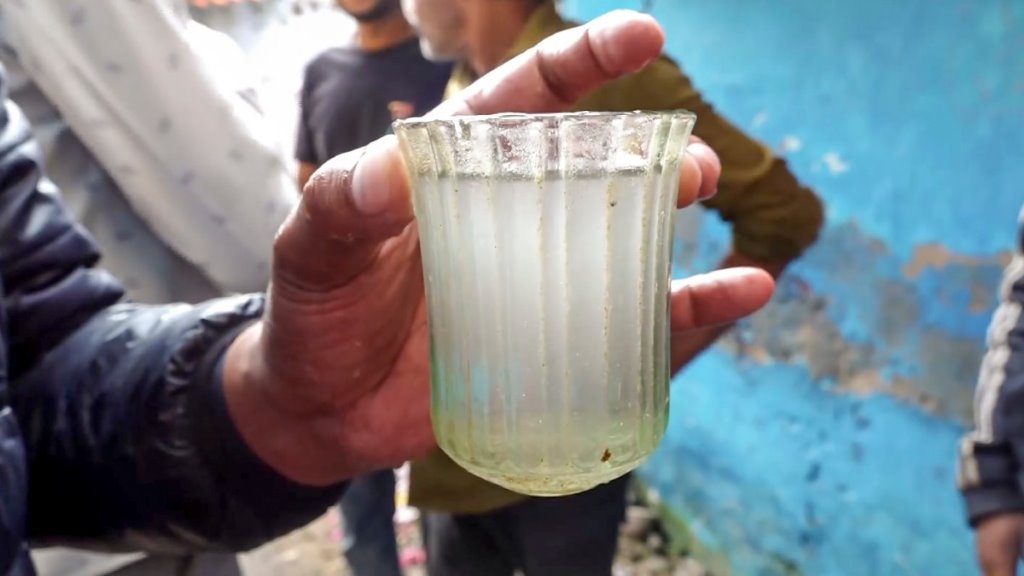
Contaminated water does not always look suspicious. It can be clear, cold, and seemingly fresh. Yet it may contain bacteria, viruses, parasites, or chemical pollutants invisible to the eye. The real danger depends on what the contamination is — and how much was ingested.
The first step is not panic. The second step is understanding what you may be dealing with.
Step 1: Identify the Likely Type of Contamination
Not all contaminated water carries the same risk. The response depends on whether the threat is biological or chemical.
Biological Contamination
This is the most common scenario. Water may contain microorganisms such as:
-
E. coli
-
Salmonella
-
Giardia
-
Cryptosporidium
-
Norovirus
These pathogens usually cause gastrointestinal symptoms — diarrhea, vomiting, abdominal cramps, fever.
Biological contamination is common in untreated surface water (lakes, rivers), poorly maintained wells, floodwater, or regions with inadequate sanitation.
Chemical Contamination
Chemical threats are less common but potentially more dangerous in the short term. These may include:
-
Heavy metals (lead, arsenic)
-
Pesticides
-
Industrial runoff
-
Fuel or solvent contamination
Chemical exposure does not always cause immediate symptoms. Some chemicals cause nausea or dizziness quickly. Others accumulate over time and damage organs silently.
If the contamination source is unknown, assume caution but do not assume catastrophe.
Step 2: Do Not Try to “Flush It Out” Excessively
A common instinct is to drink massive amounts of clean water immediately to dilute what was consumed. Moderate hydration is good — but excessive intake in a short period can disrupt electrolyte balance.
Instead:
-
Sip clean, safe water steadily.
-
Avoid alcohol or caffeine.
-
Do not induce vomiting unless instructed by medical professionals.
If the contamination involved chemicals like fuel or industrial solvents, vomiting can cause additional harm by exposing the esophagus again.
Step 3: Monitor Symptoms Carefully
Symptoms from biological contamination typically appear within a few hours to several days.
Watch for:
-
Persistent diarrhea
-
Bloody stool
-
Severe abdominal pain
-
Vomiting lasting more than 24 hours
-
Fever above 38.5°C (101.5°F)
-
Signs of dehydration (dry mouth, dark urine, dizziness)
Parasites such as Giardia may cause symptoms days after exposure, including bloating and prolonged diarrhea.
If symptoms are mild, the body often clears the infection on its own with rest and hydration. If symptoms worsen or last more than a couple of days, medical evaluation is important.
Chemical exposure symptoms vary widely. Headache, confusion, unusual taste, burning throat, or neurological changes require immediate attention.
Step 4: Focus on Hydration and Electrolytes
If diarrhea or vomiting begins, dehydration becomes the primary risk.
Use oral rehydration solutions if available. These contain balanced salts and glucose to help the body absorb fluids efficiently.
If commercial solutions are not available, a basic homemade version can be made by mixing:
-
1 liter of clean water
-
6 teaspoons of sugar
-
1/2 teaspoon of salt
Small, frequent sips are more effective than large amounts at once.
Severe dehydration — especially in children and elderly individuals — requires urgent medical care and possibly intravenous fluids.

Step 5: Know When to Seek Immediate Medical Care
Certain situations demand prompt medical attention:
-
Infants, elderly individuals, or immunocompromised people exposed
-
Signs of severe dehydration
-
Persistent high fever
-
Blood in stool
-
Confusion or altered consciousness
-
Chemical taste or known industrial contamination
If the contamination occurred during a public water advisory, local health authorities often provide guidance on whether testing or treatment is necessary.
Time matters more with chemical exposure than most biological infections.
Step 6: Report and Verify the Source
If the water came from a municipal source and contamination is suspected, contact local authorities. Others may be at risk.
If from a private well, testing may be required. Flooding, nearby construction, or agricultural runoff can compromise well systems.
If exposure occurred during travel, inform accommodation providers so they can investigate.
Public reporting helps prevent wider outbreaks.
Step 7: Prevent Secondary Transmission
If the illness turns out to be infectious, hygiene becomes critical.
Wash hands thoroughly after bathroom use.
Disinfect surfaces.
Avoid preparing food for others while symptomatic.
Some pathogens spread easily within households. Norovirus, for example, can pass rapidly between family members.
Containment matters.
How to Handle Contaminated Water in Different Situations:
If It Happens While Hiking or Camping
Drinking untreated stream or lake water during outdoor activities is one of the most common exposure scenarios. Mountain water may look crystal clear, but parasites like Giardia are frequently present — even in remote regions.
If you realize after drinking that the water was untreated:
-
Do not panic. A single sip does not guarantee infection.
-
Avoid further exposure immediately.
-
Begin monitoring for symptoms over the next 3–10 days.
Giardia infection often causes prolonged diarrhea, bloating, and fatigue rather than immediate violent illness. If symptoms develop days later, mention the untreated water exposure to your doctor — it changes how they evaluate the illness.
For future prevention, always use one of the following methods in wilderness settings:
-
Boil water for at least one full minute (longer at high altitude).
-
Use a certified water filter capable of removing protozoa and bacteria.
-
Use purification tablets that target both bacteria and parasites.
-
Use UV sterilization devices designed for field use.
Boiling remains the most reliable method when feasible.
If You Swallowed Floodwater
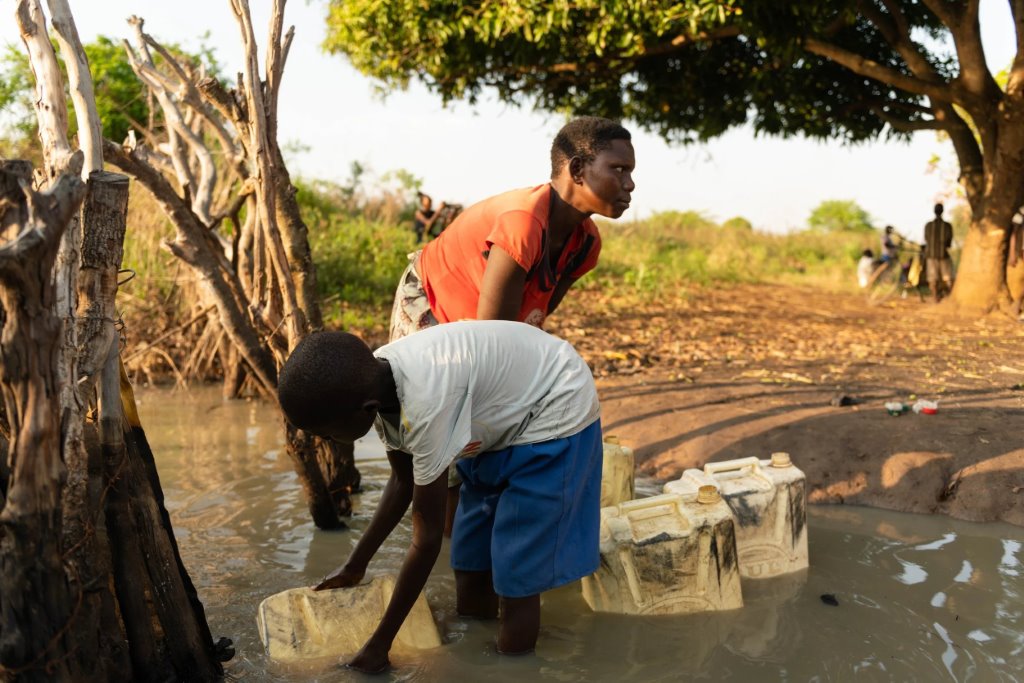
Floodwater is especially dangerous because it mixes sewage, chemicals, animal waste, and debris.
If you swallowed floodwater:
-
Rinse your mouth thoroughly with clean water.
-
Avoid brushing teeth aggressively immediately afterward (micro-abrasions can increase absorption).
-
Monitor for gastrointestinal symptoms within 24–72 hours.
-
Watch for skin infections if open wounds were exposed.
Floodwater contamination can include leptospirosis, hepatitis A, and other pathogens. If you develop fever, muscle pain, or jaundice in the days following exposure, seek medical evaluation and mention the floodwater contact specifically.
Flood environments carry both biological and chemical risks simultaneously.
If It Happened During International Travel
Traveler’s diarrhea is often linked to contaminated water — including ice cubes, rinsed vegetables, or improperly sealed bottled water.
If exposure occurs:
-
Stick strictly to sealed bottled or properly treated water.
-
Avoid raw foods until you’re confident in local hygiene standards.
-
Carry oral rehydration salts if traveling to high-risk regions.
In many cases, mild traveler’s diarrhea resolves in 2–4 days. However, persistent symptoms beyond a week may indicate parasitic infection requiring prescription treatment.
In some regions, prophylactic antibiotics are prescribed only in specific high-risk cases. Self-medicating without guidance is not recommended.
Hydration and rest remain primary treatment unless symptoms escalate.
If the Water May Contain Heavy Metals
Exposure to heavy metals like lead or arsenic usually comes from long-term contamination rather than a single sip. However, if you suspect repeated exposure:
-
Stop using the suspected source immediately.
-
Switch to verified safe water.
-
Arrange for professional testing of the water supply.
Symptoms of heavy metal exposure can include abdominal pain, neurological symptoms, or developmental issues in children. Chronic exposure is more concerning than acute exposure in most cases.
If a municipal advisory mentions elevated lead levels, follow official guidance — including flushing pipes and using certified filters.
Testing is the only way to confirm contamination.
What Not to Do
There are several common mistakes people make after drinking contaminated water:
-
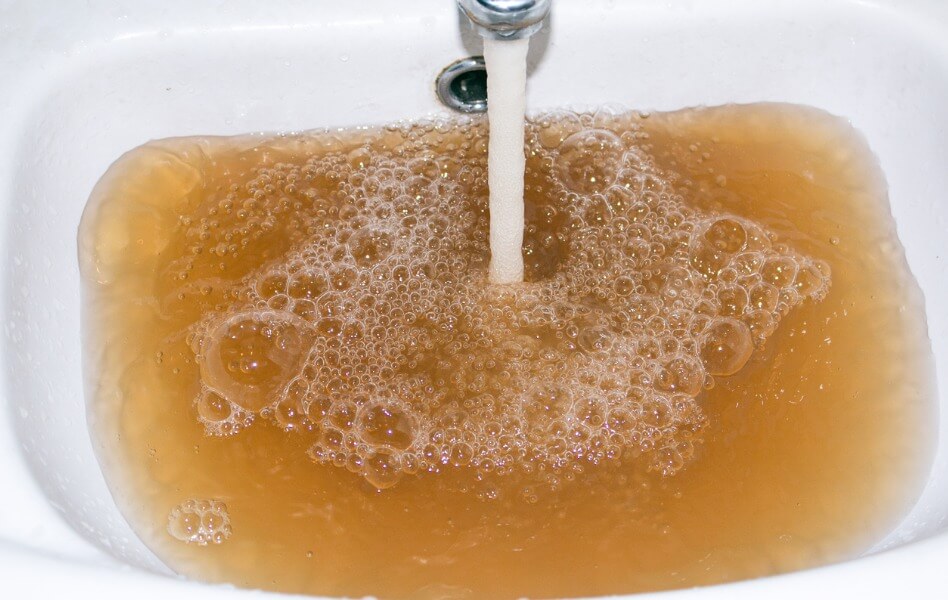
Do not assume clear water is safe.
-
Do not rely on freezing water to kill pathogens.
-
Do not mix bleach into water without knowing proper dilution ratios.
-
Do not wait for severe dehydration before acting.
Improvised purification attempts without knowledge can create additional harm.
Long-Term Symptoms to Watch
Most biological contamination resolves within days. However, certain infections can linger or cause secondary complications.
Seek medical evaluation if you experience:
-
Persistent diarrhea beyond 10 days
-
Unexplained weight loss
-
Ongoing fatigue after gastrointestinal illness
-
Joint pain following infection
Some bacterial infections can trigger post-infectious syndromes. Early treatment reduces complications.

Psychological Impact and Calm Response
One overlooked aspect of contaminated water exposure is anxiety. The idea of “poisoned water” can trigger fear disproportionate to actual risk.
In most cases involving accidental ingestion of untreated natural water, healthy adults recover without serious complications.
Risk increases in vulnerable individuals — infants, elderly people, pregnant women, and immunocompromised individuals. For them, earlier medical consultation is advised even for mild symptoms.
Calm monitoring and appropriate hydration are more effective than panic.
Preventing Future Exposure
Prevention is straightforward but requires consistency:
-
Verify water advisories when traveling.
-
Boil or filter natural water sources.
-
Maintain private wells properly.
-
Store emergency drinking water supplies.
-
Avoid swallowing recreational water.
Clean water is so routine in many regions that it becomes invisible. When that routine is disrupted — by travel, disaster, or infrastructure failure — preparation makes the difference.
Drinking contaminated water can be frightening, but most cases are manageable with early awareness and supportive care. The key is recognizing symptoms, knowing when to seek help, and preventing repeat exposure.