
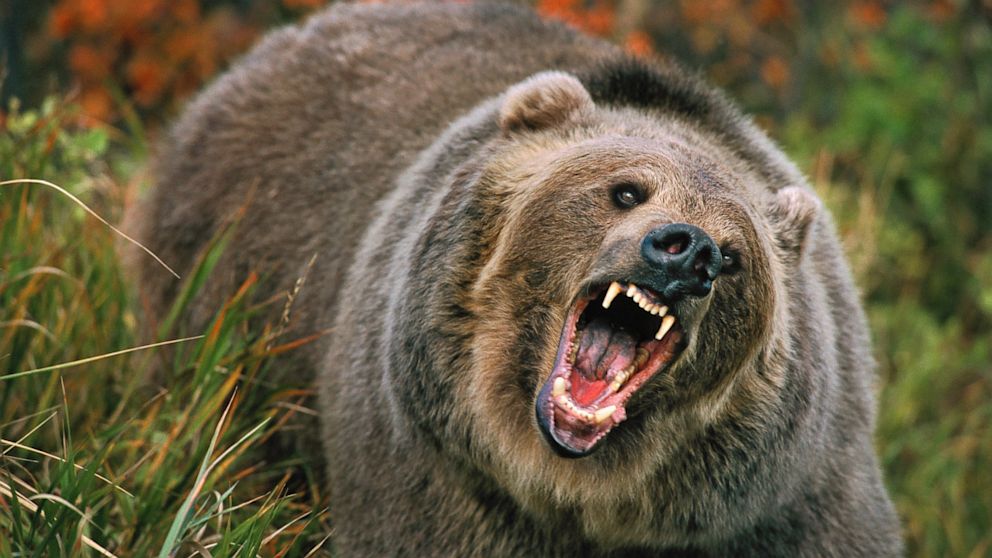

An animal attack is not like the dramatic scenes shown in movies. It is sudden, disorienting, loud, and often over in seconds. There is no background music. No slow motion. Just adrenaline, confusion, and injury. In that moment, the body shifts into survival mode — heart racing, senses sharpened, pain temporarily dulled. But once the immediate threat passes, reality sets in. Blood. Shock. Uncertainty.
While fatal animal attacks are statistically rare compared to everyday accidents, serious injuries happen more often than most people realize. Dog bites send hundreds of thousands to emergency rooms every year worldwide. Venomous snakebites affect millions annually, with tens of thousands of deaths in regions lacking access to treatment. Wild animal encounters in remote areas may be uncommon, but when they occur far from medical care, the risk multiplies.
What determines survival after an animal attack is rarely brute strength. It is speed of response, understanding of injury patterns, bleeding control, shock management, and infection prevention. Many fatalities are not caused by the attack itself but by what happens afterward — uncontrolled hemorrhage, untreated venom, delayed medical care, or secondary infection.
Different animals cause different types of trauma. A large predator may crush bone and tear muscle. A snake may inject neurotoxic venom that silently interferes with breathing. A shark bite may cause catastrophic limb injury. Even smaller animals can transmit rabies or dangerous bacteria through seemingly minor wounds.
Survival depends on recognizing the type of injury quickly and responding methodically rather than emotionally. Panic accelerates heart rate and blood loss. Calm, structured action preserves life.
This guide focuses on what to do after an animal attack injury has already occurred. It explains how to stabilize bleeding, recognize shock, manage venomous bites, reduce infection risk, and increase the chances of survival until professional medical care is available.
Because in those first critical minutes, knowledge matters more than fear.

First Priority: Get to Safety
Before treating any injury, you must remove yourself from danger.
If the animal is still nearby:
-
Create distance without turning your back if possible.
-
Move slowly if dealing with predators like big cats or bears.
-
Get to higher ground or a secure structure when available.
-
In water, exit immediately if a marine animal attack has occurred.
Many fatalities happen because victims focus on wounds while the threat remains active. Safety comes first. Treatment comes second.
Control Bleeding Immediately
Severe blood loss is the most immediate life-threatening consequence of many animal attacks.
Direct Pressure
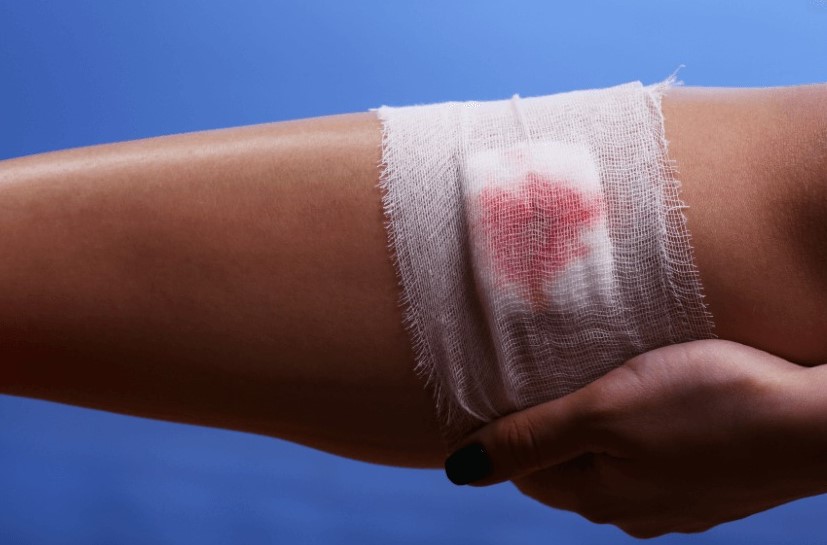
Apply firm, steady pressure directly over the wound using cloth, clothing, or sterile gauze if available. Do not lift the cloth repeatedly to check — continuous pressure is more effective.
If blood soaks through, place additional material on top rather than removing the original layer.
Elevation
If possible and the injury allows, raise the wounded limb above heart level to reduce blood flow.
Tourniquet Use
For severe limb bleeding that does not stop with pressure, a tourniquet may be necessary. Place it several centimeters above the wound (between wound and heart), tighten until bleeding stops, and note the time.
Tourniquets are life-saving in cases of major arterial bleeding, but improper use can cause tissue damage. Use only when bleeding is severe and uncontrolled.

Recognize Signs of Shock
Shock is not just emotional distress. It is a medical emergency where the body fails to maintain adequate blood flow.
Symptoms include:
-
Pale or clammy skin
-
Rapid breathing
-
Weak or rapid pulse
-
Confusion or dizziness
-
Nausea
If shock is suspected:
-
Lay the person flat if possible.
-
Elevate legs slightly unless spinal injury is suspected.
-
Keep them warm.
-
Do not give food or drink if surgery may be needed.
Even if bleeding appears controlled, internal injuries may still cause shock.
Managing Specific Types of Animal Injuries
Different animals cause different injury patterns. Survival depends on recognizing those differences.
Dog and Large Mammal Bites
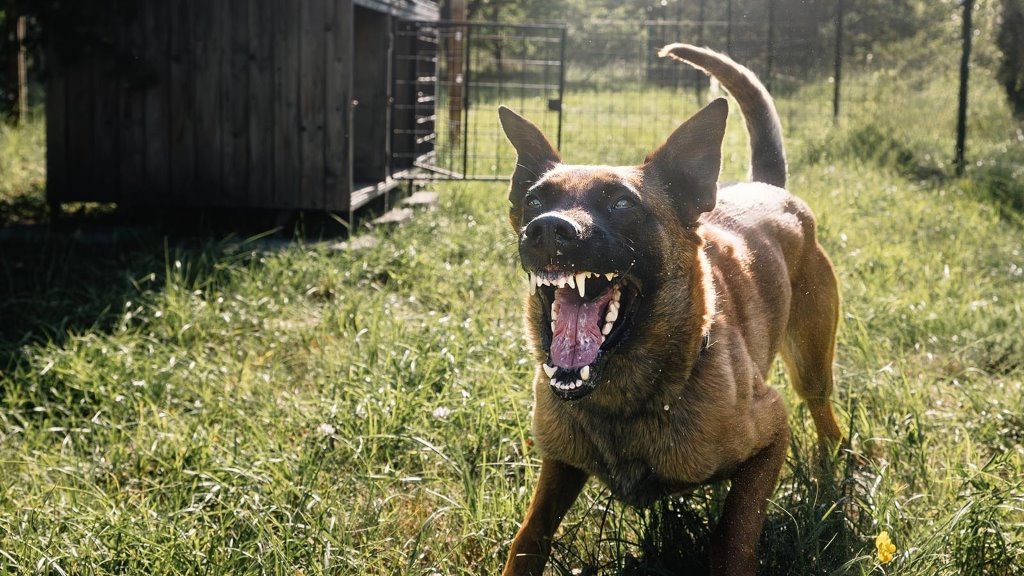
Dog attacks are among the most common animal-related injuries globally.
Bites can cause:
-
Deep puncture wounds
-
Torn muscle tissue
-
Nerve damage
After bleeding is controlled:
-
Rinse the wound thoroughly with clean water for several minutes.
-
Wash surrounding skin with soap.
-
Cover with sterile dressing.
Medical evaluation is strongly recommended. Dog bites carry high infection risk, including rabies in certain regions. Tetanus vaccination status should be verified.
Even if the wound looks small, bacteria from the animal’s mouth can penetrate deeply.
Bear and Big Cat Attacks
Large predator attacks often result in:
-
Crushing injuries
-
Deep lacerations
-
Severe blood loss
Immediate bleeding control is critical. These injuries frequently require surgical intervention.
Do not attempt to “clean deeply” in wilderness settings beyond flushing with clean water. Priority is stabilization and evacuation.
In remote areas, activate emergency communication devices if available. Time to advanced care becomes the determining factor.
Snake Bites
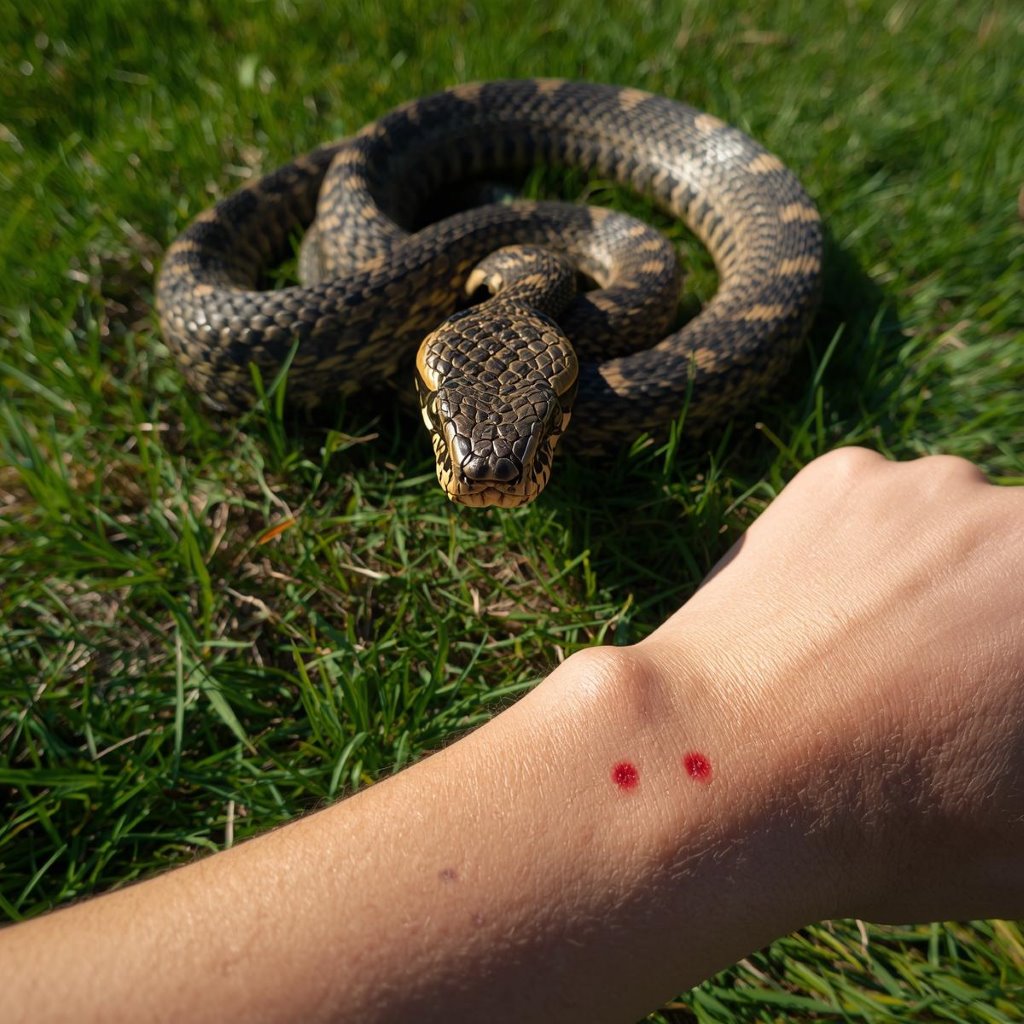
Snake envenomation requires calm response.
If bitten:
-
Stay as still as possible. Movement increases venom circulation.
-
Keep the affected limb immobilized and at heart level.
-
Remove tight jewelry or clothing near the bite area.
-
Do not cut the wound.
-
Do not attempt to suck out venom.
-
Do not apply ice.
Pressure immobilization techniques may be appropriate for certain venomous species, but this depends on region and type of snake.
Immediate medical care is essential. Antivenom is the only definitive treatment for serious envenomation.
Panicking accelerates heart rate and venom spread.
Shark or Marine Animal Bites
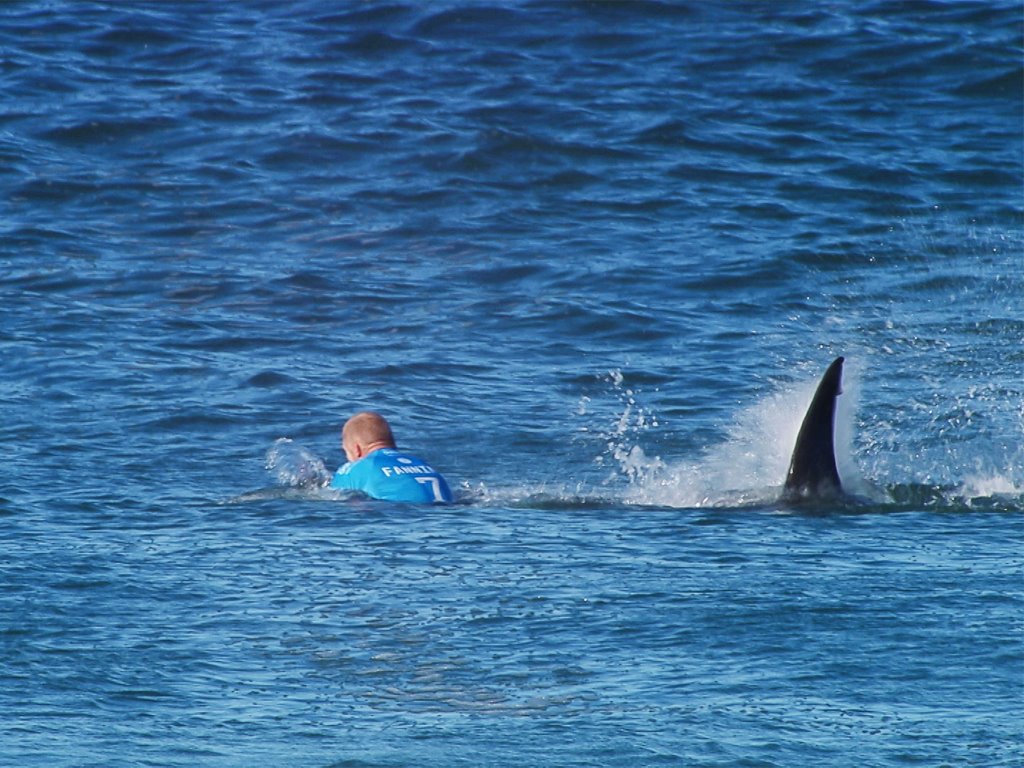
Shark attacks are rare but can cause catastrophic bleeding.
Survival hinges on:
-
Immediate exit from water.
-
Aggressive bleeding control.
-
Use of tourniquet if limb bleeding is severe.
Marine environments increase infection risk due to bacteria in saltwater.
After stabilization, urgent hospital care is mandatory.
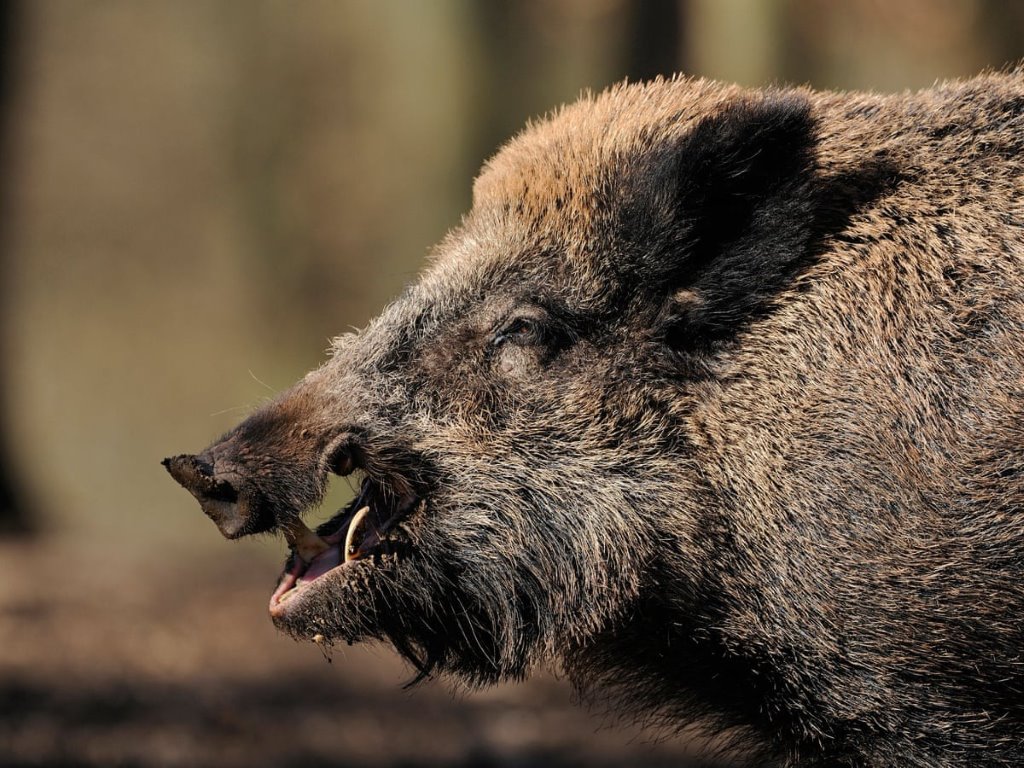
Wild Boar or Hoofed Animal Goring
These injuries can cause deep punctures and internal damage.
External wounds may appear small, but internal bleeding may be significant.
Watch for:
-
Abdominal pain
-
Vomiting
-
Rapid pulse
-
Weakness
Internal injuries require professional medical imaging and possible surgery.
Infection: The Delayed Threat
Even if bleeding is controlled and initial survival is secured, infection is a serious secondary danger.
Animal mouths contain complex bacteria. Soil, fur, and claws introduce additional pathogens.
Seek medical care for:
-
Increasing redness
-
Swelling
-
Pus
-
Fever
-
Worsening pain
Rabies exposure must be addressed immediately in regions where the disease exists. Rabies is almost always fatal once symptoms begin, but preventable with timely post-exposure treatment.
Antibiotics are often prescribed for high-risk bites.
Psychological Aftermath
Surviving an animal attack can leave psychological scars.
Flashbacks, anxiety, sleep disturbances, and fear of returning to similar environments are common.
Seeking support is not weakness. Trauma affects the nervous system, and recovery involves both physical and psychological healing.

Surviving in Remote or Wilderness Settings
In urban environments, emergency services are usually minutes away. In wilderness settings, help may be hours — or days — away. After an animal attack in remote terrain, survival depends on stabilization and evacuation planning.
Once immediate bleeding is controlled:
-
Assess mobility. Can you walk safely, or do you need assistance?
-
Prioritize communication. Use satellite phones, emergency beacons, or radio devices if available.
-
Avoid traveling long distances alone if severely injured.
-
Conserve energy and fluids.
If evacuation must be delayed, focus on preventing deterioration. Keep wounds covered and clean as best as possible. Change dressings regularly if bleeding has stopped. Monitor for signs of infection or worsening shock.
In cold environments, hypothermia can complicate injuries. In hot climates, dehydration becomes the primary threat. Environment amplifies trauma.
Field First Aid: What You Should Carry
When traveling in wildlife-prone areas, preparation significantly improves survival odds.
A well-prepared kit should include:
-
Sterile gauze pads
-
Elastic compression bandages
-
Tourniquet
-
Antiseptic solution or wipes
-
Oral rehydration salts
-
Trauma shears
-
Emergency blanket
-
Pressure bandage for snakebite immobilization
-
Communication device
A tourniquet, when used properly, can be the difference between life and death in severe limb injuries. However, knowledge of its correct application is just as important as having one.
Training matters more than equipment alone.
Preventing Secondary Injury After the Attack
After an animal attack, adrenaline may mask pain. Victims sometimes attempt to continue hiking, swimming, or moving excessively. This can worsen bleeding or internal damage.
Once stabilized:
-
Rest.
-
Immobilize injured limbs.
-
Avoid unnecessary movement.
-
Stay hydrated but avoid excessive intake at once.
If head trauma occurred during the attack, monitor for concussion symptoms such as confusion, vomiting, severe headache, or unequal pupil size.
Some internal injuries do not show immediate symptoms. If abdominal or chest trauma occurred, medical evaluation is essential even if pain seems manageable.
Rabies and Post-Exposure Treatment
Rabies is one of the most feared consequences of certain animal bites, particularly from dogs, bats, raccoons, and foxes in affected regions.
If bitten by a potentially rabid animal:
-
Wash the wound thoroughly with soap and running water for at least 15 minutes.
-
Seek medical care immediately.
-
Inform healthcare providers about the animal species and location.
Rabies post-exposure prophylaxis (PEP) is highly effective if administered promptly. Once neurological symptoms begin, survival rates drop dramatically.
Never delay evaluation if rabies risk exists.
Managing Venomous Bites Beyond Snakes
Certain spiders, scorpions, and marine creatures can inject venom.
General principles:
-
Immobilize the affected area.
-
Avoid cutting or suction.
-
Do not apply ice unless medically advised.
-
Seek medical evaluation promptly.
Some venom causes localized tissue damage. Others affect the nervous system or cardiovascular function.
Early intervention significantly improves outcomes.
Long-Term Recovery and Rehabilitation
Severe animal attacks may require reconstructive surgery, physical therapy, and extended recovery periods.
Torn muscles, nerve damage, and fractures can limit mobility. Early rehabilitation reduces long-term impairment.
Scar management, nerve healing, and functional recovery may take months.
Psychological recovery is equally important. Survivors often experience anxiety around animals, wilderness, or even outdoor sounds. Post-traumatic stress symptoms are common.
Professional counseling can help restore confidence and reduce lingering fear responses.
When Survival Depends on Seconds
The difference between fatal and survivable animal attack injuries often comes down to timing.
Seconds matter for:
-
Controlling arterial bleeding
-
Exiting water after a marine bite
-
Immobilizing after snake envenomation
Minutes matter for:
-
Recognizing shock
-
Initiating evacuation
-
Preventing infection
Animal attacks are unpredictable, but structured response creates order out of chaos.
Stay safe first. Stop bleeding second. Stabilize third. Seek professional care as soon as possible.
Survival is rarely about fighting back harder. It is about responding smarter.