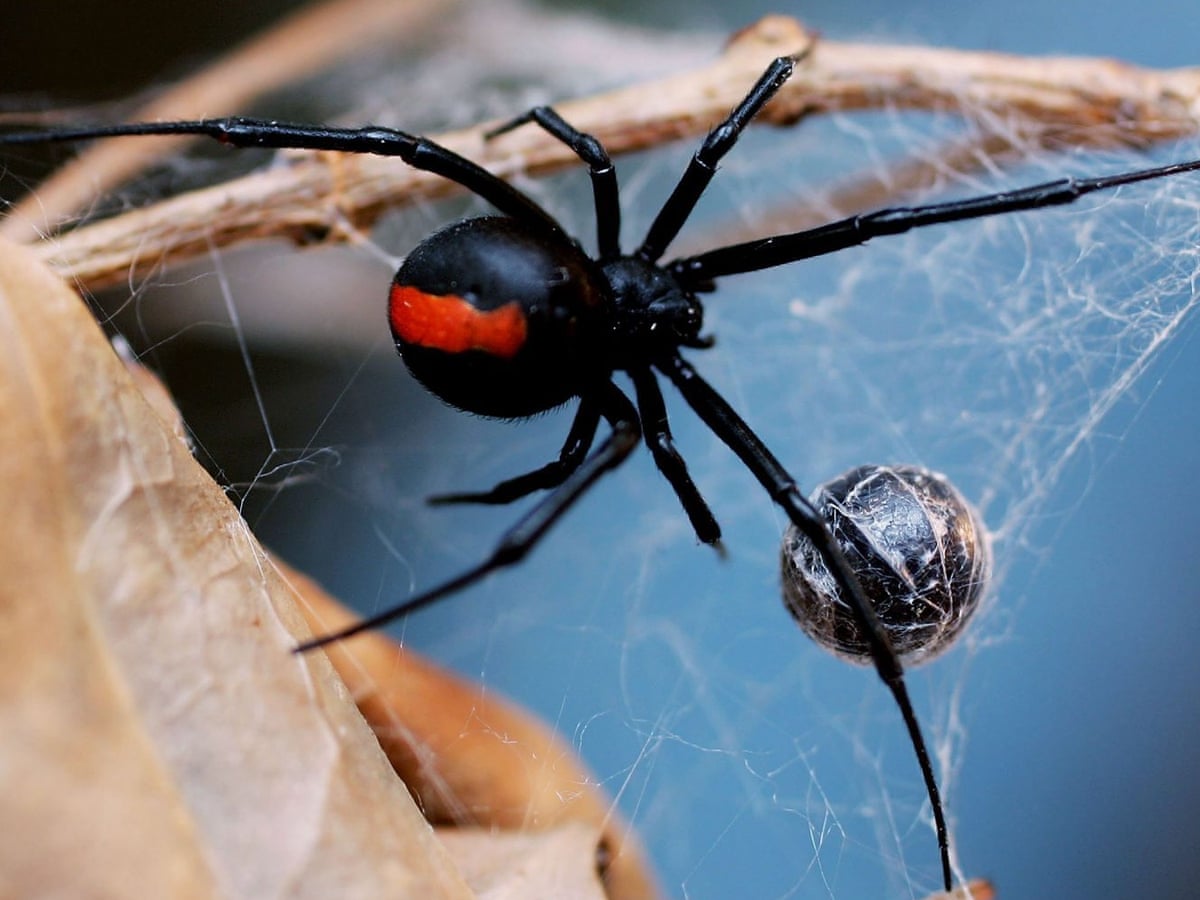

Spiders have a reputation that far outweighs the actual danger they pose. With thousands of species spread across nearly every environment on Earth, spiders are among the most successful predators in the natural world. Their use of venom is a key reason for that success, allowing them to immobilize prey quickly and efficiently. Yet the presence of venom does not automatically mean a spider is dangerous to humans, and this distinction is often misunderstood.

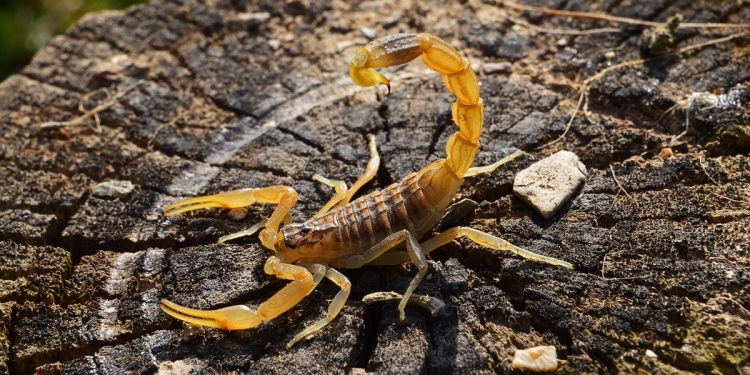
Scorpions have fascinated and frightened humans for thousands of years. With their armored bodies, powerful pincers, and curved venomous tails, they look like creatures designed purely for survival. Found on nearly every continent, scorpions have adapted to deserts, forests, mountains, and even human settlements, quietly thriving in environments that would challenge most other animals. Despite their ancient lineage and widespread presence, most scorpions are far less dangerous than people assume.

Modern life exposes the human body to a steady stream of chemical and environmental toxins. These substances enter through the air we breathe, the water we drink, and the food we eat, often without any immediate warning signs. Under normal conditions, the body relies on an intricate detoxification network involving the liver, kidneys, digestive tract, lymphatic system, lungs, and skin to process and eliminate harmful compounds. This system evolved to handle naturally occurring toxins, not the volume and diversity created by industrial chemicals, pesticides, heavy metals, and synthetic additives.

Chlorpyrifos is not an obscure chemical known only to scientists or regulators. For years, it has been one of the most widely used insecticides in modern agriculture, applied to crops that end up on everyday tables around the world. Fruits, vegetables, grains, dairy products, and even drinking water have all been found to contain traces of this pesticide. What makes chlorpyrifos especially troubling is not just how effective it is at killing insects, but how deeply it has embedded itself into the food system before its risks were fully understood.

Food poisoning rarely announces itself politely. One moment you feel fine, and a few hours later your body seems to turn against you, reacting with nausea, cramps, fever, or sudden trips to the bathroom. What feels like a simple stomach issue is actually a fast-moving biological battle taking place deep inside your digestive system. From the moment contaminated food is swallowed, a chain reaction begins—one that involves microbes, toxins, immune cells, and emergency defense mechanisms designed to protect you at almost any cost.

Drugs are often divided into neat categories: legal and illegal, prescription and street, medicine and poison. In reality, those boundaries are far less clear than most people assume. Some of the most dangerous drugs in the world are not hidden in dark alleys or illegal markets. They are sold legally, prescribed daily, stocked in medicine cabinets, and used by millions of people without a second thought.

Toxic chemicals are often talked about as if they belong only in factories, laboratories, or disaster headlines. In reality, they are part of everyday life, quietly surrounding people at home, at work, and in the environment. From cleaning products under the sink to fuels, pesticides, medicines, and industrial materials, toxic chemicals are far more common than most people realize. The real danger is not always the chemical itself, but the lack of understanding about how exposure happens and why harm occurs.