
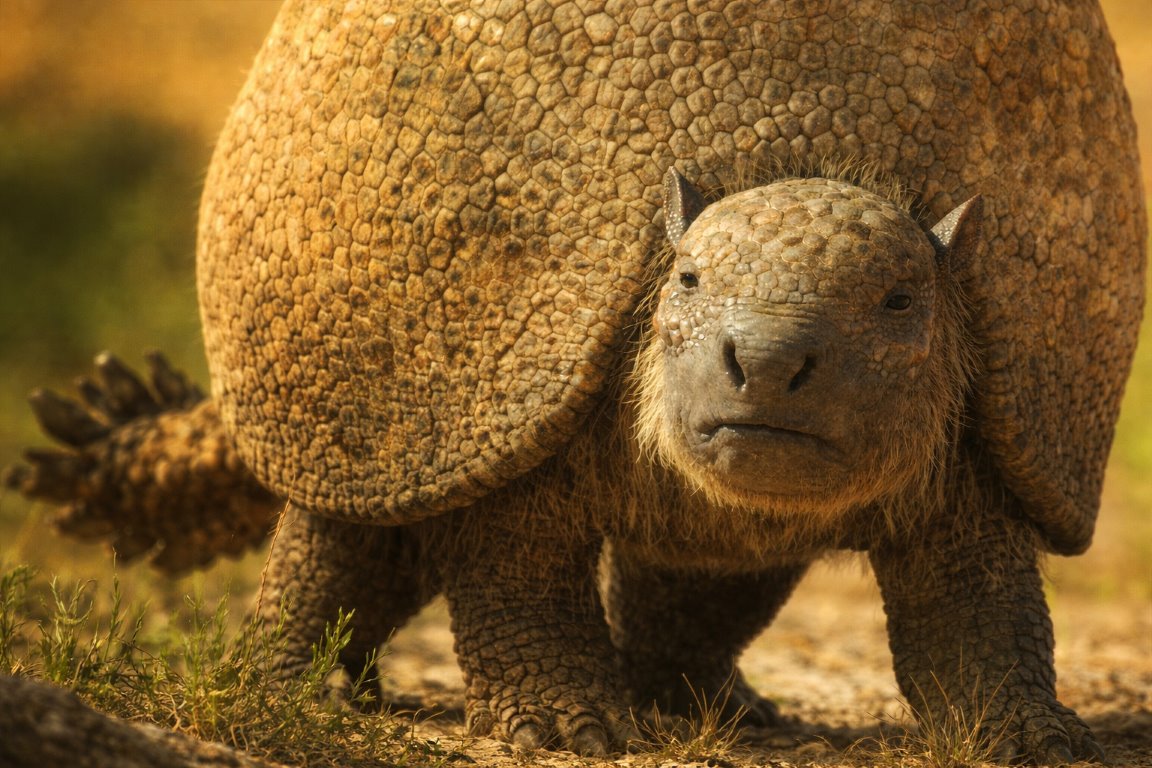
In the ancient world, survival wasn’t just about speed or size. It was about protection. For every predator that evolved sharper teeth or stronger jaws, another creature evolved thicker skin, heavier plates, reinforced bone, or spikes long enough to make any attack a serious mistake.

Armor in prehistoric ecosystems wasn’t decorative. It was engineering. It was biology pushed to extremes. Some animals became so well protected that attacking them carried enormous risk — broken teeth, shattered legs, deep puncture wounds. In some cases, the safest strategy for predators may have been simple avoidance.
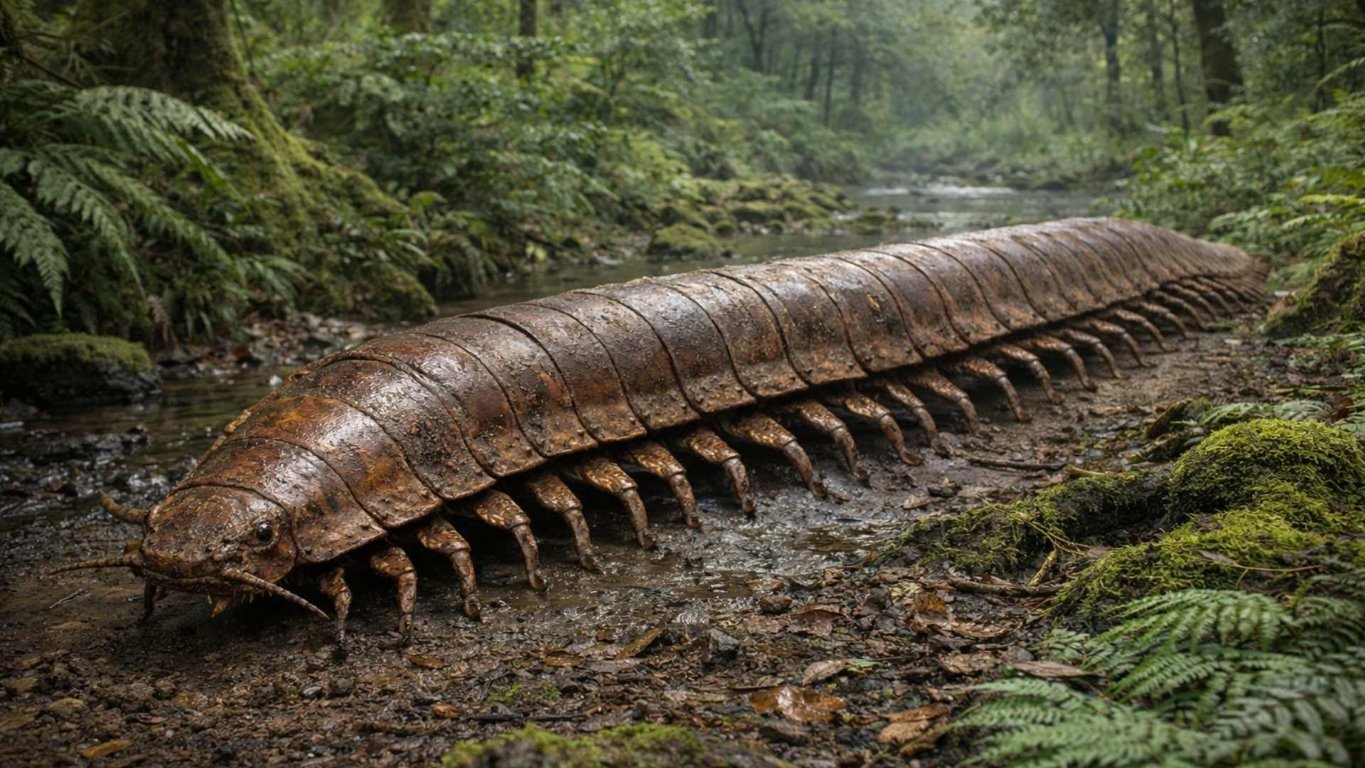
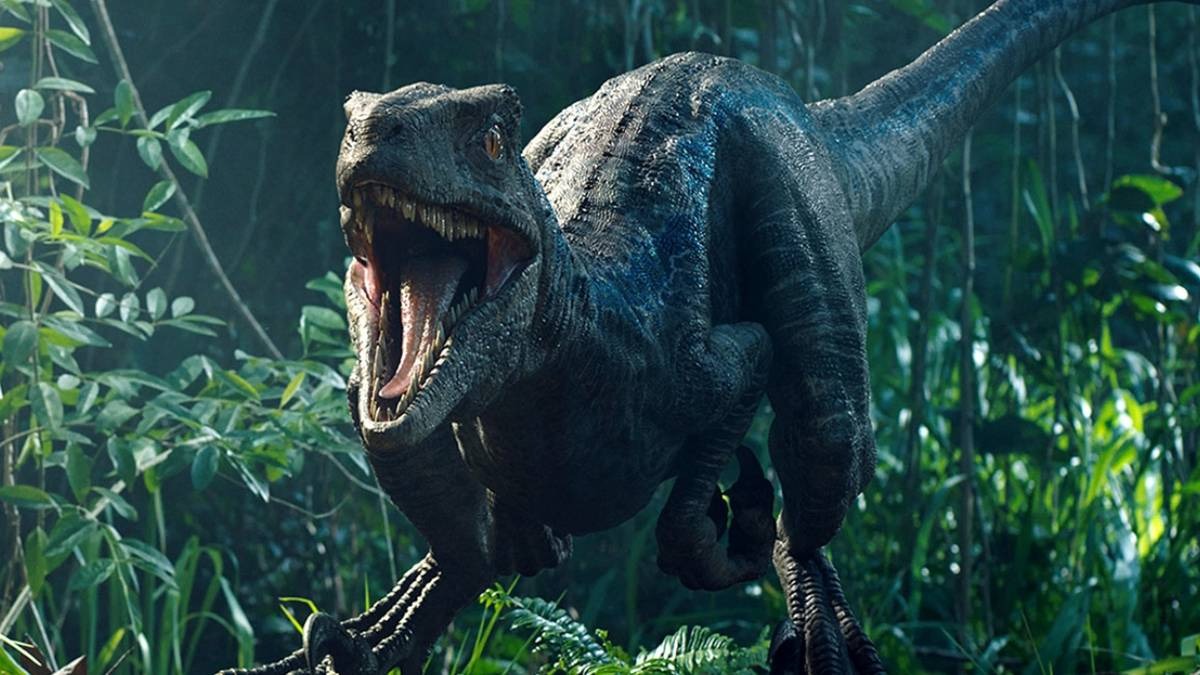
When people imagine prehistoric predators, they usually picture enormous jaws lined with serrated teeth or sickle-shaped claws ripping through flesh. It’s an easy image to conjure — and not entirely wrong. But nature has always been more creative than our expectations.

Long before modern ecosystems formed, some ancient animals evolved deadly strategies that had nothing to do with sharp teeth or slicing talons. They crushed, constricted, electrified, injected venom, rammed with bone, or even paralyzed prey with toxins. Their weapons weren’t obvious. Sometimes they didn’t even look like predators at all.

Long before humans ever worried about predators in the dark, the Earth belonged to animals that defined violence in a completely different scale. Dinosaurs didn’t just hunt. They perfected methods of killing that were efficient, brutal, and sometimes disturbingly specialized. Some crushed bone like dry twigs. Others sliced flesh with surgical precision. A few may have simply overwhelmed prey with raw size and momentum, turning survival into a losing gamble from the first second.