

When people imagine prehistoric predators, they usually picture enormous jaws lined with serrated teeth or sickle-shaped claws ripping through flesh. It’s an easy image to conjure — and not entirely wrong. But nature has always been more creative than our expectations.
Long before modern ecosystems formed, some ancient animals evolved deadly strategies that had nothing to do with sharp teeth or slicing talons. They crushed, constricted, electrified, injected venom, rammed with bone, or even paralyzed prey with toxins. Their weapons weren’t obvious. Sometimes they didn’t even look like predators at all.
That’s what makes them unsettling. When a creature doesn’t need visible blades to kill, it forces us to rethink what “dangerous” really means.
Let’s step back into deep time and meet the ancient animals that proved killing doesn’t require claws or teeth.
Titanoboa — The Silent Constrictor
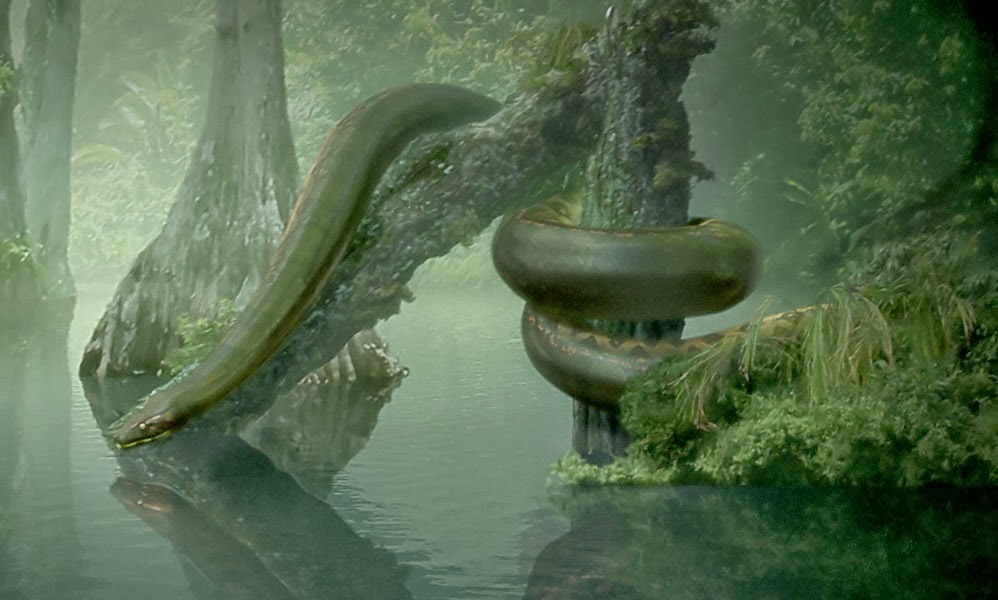
Titanoboa, the largest snake ever discovered, lived around 60 million years ago in what is now South America. Stretching up to 40 feet long and weighing over a ton, it didn’t need fangs designed for tearing flesh. It didn’t rely on slicing. It relied on physics.
Like modern boas and anacondas, Titanoboa likely killed by constriction. This method is brutally efficient. The snake coils around its prey and tightens each time the victim exhales. Contrary to popular myth, constrictors don’t simply suffocate their prey. Studies on modern snakes suggest they may cut off blood flow, causing rapid circulatory collapse.
Imagine being trapped by a muscular column of living rope, ribs compressing inward, organs squeezed under crushing pressure. No bite marks. No slashes. Just tightening force until the body shuts down.
Titanoboa’s size meant it could overpower crocodile-like reptiles and large mammals of its time. And it did so quietly. No dramatic roar. No dramatic strike. Just contact and pressure.
In a way, constriction is more disturbing than tearing. It’s intimate. It’s prolonged. It turns strength itself into the weapon.
Dunkleosteus — The Jaw That Became a Blade
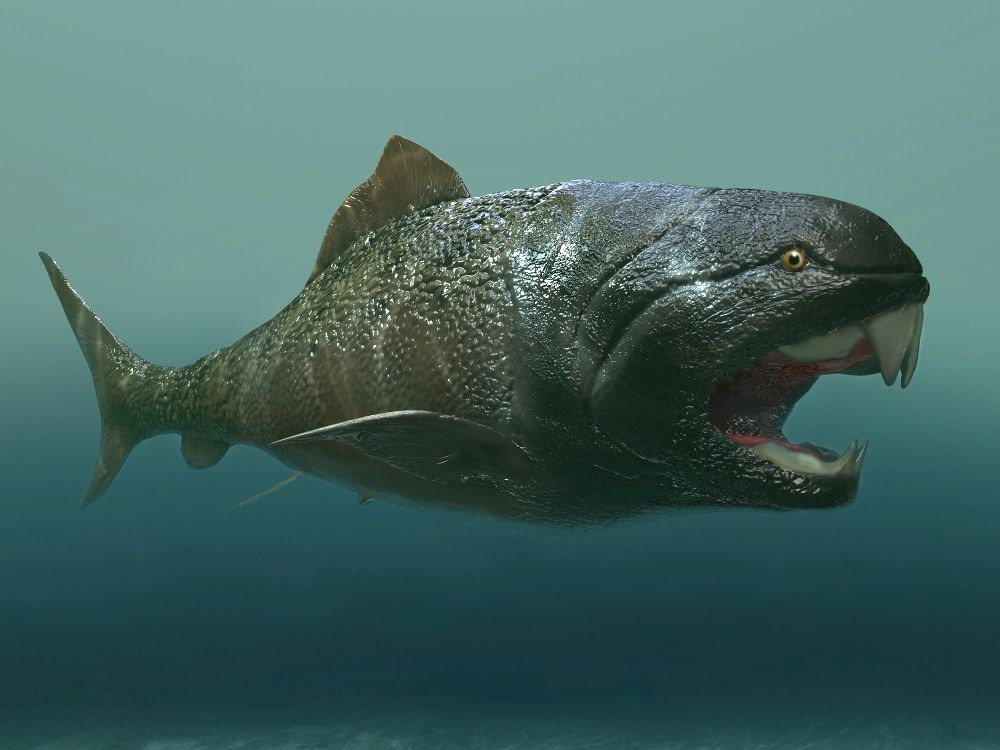
Dunkleosteus lived hundreds of millions of years before dinosaurs. This armored fish ruled the Devonian seas, and although it technically had jaws, it had no traditional teeth.
Instead, its jaw bones formed sharp, self-sharpening plates. Over time, constant friction honed these bony edges into blade-like surfaces. So while it lacked teeth in the way we think of them, its entire jaw functioned as a cutting device.
But here’s what makes it even more frightening: speed.
Research suggests Dunkleosteus could open its mouth in a fraction of a second, creating a suction force that pulled prey inward. Combined with crushing bite pressure, it could slice and pulverize in one motion.
No teeth. Just bone transformed into weaponry.
The lesson here is simple: evolution doesn’t need enamel when it can turn the skeleton itself into a tool of destruction.
Anomalocaris — The Cambrian Grappler
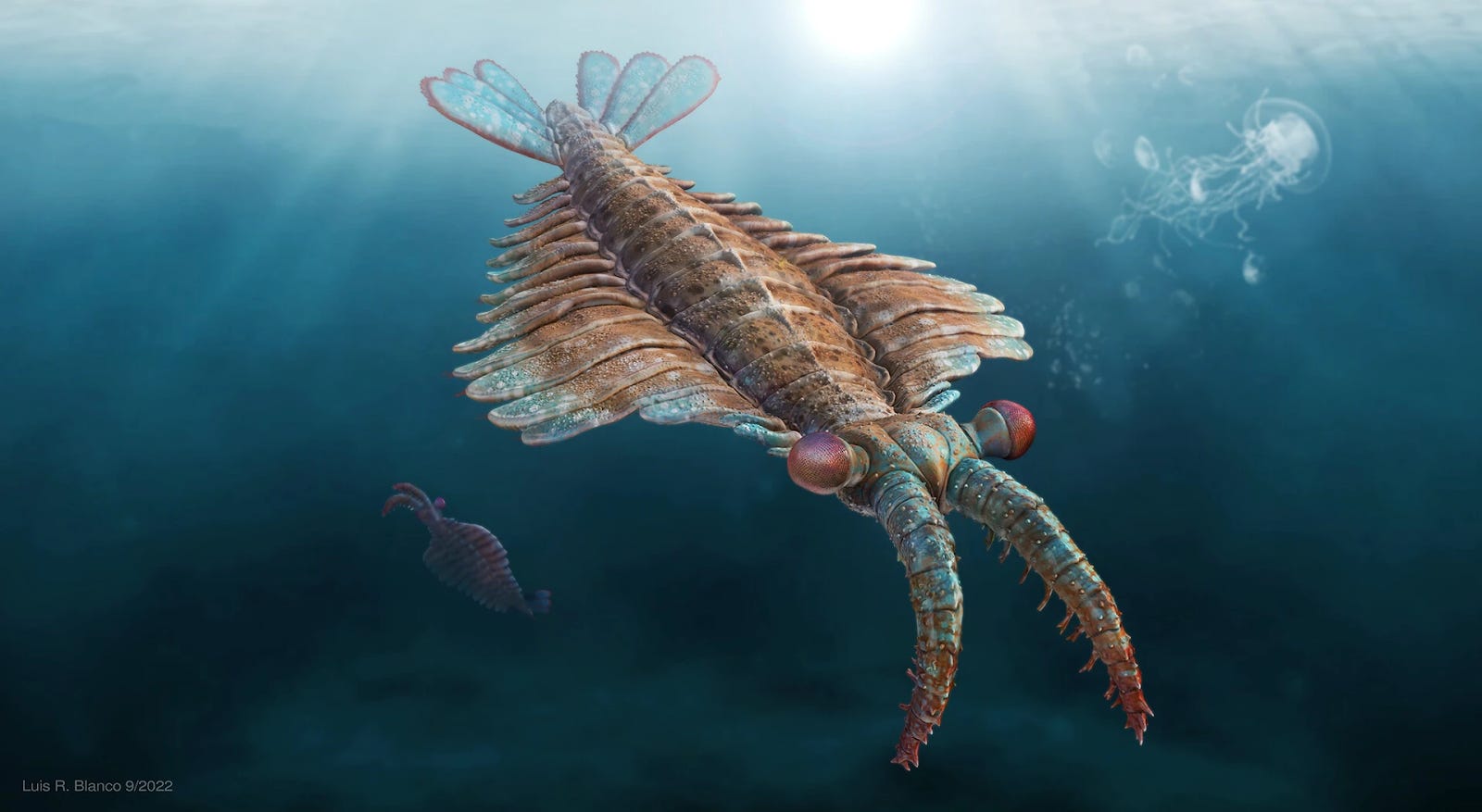
Go back even further — over 500 million years — to the Cambrian period. Anomalocaris was one of the first major predators in Earth’s oceans. And it had neither claws nor teeth in the modern sense.
Instead, it had flexible, spiked appendages near its mouth and a circular feeding structure that resembled a pineapple slice. This mouth wasn’t lined with traditional teeth but with hardened plates arranged in a ring.
It likely grabbed soft-bodied prey using its frontal appendages and crushed or manipulated them into its circular mouth.
To early marine animals, this must have been an alien horror. A swimming predator with grasping limbs and a grinding disk where a face should be.
Its method wasn’t about tearing flesh apart. It was about capturing and processing prey efficiently in a world where armor had barely evolved.
Anomalocaris didn’t need claws. It pioneered something else: the power of grasp-and-grind.
Basilosaurus — The Drowning Giant
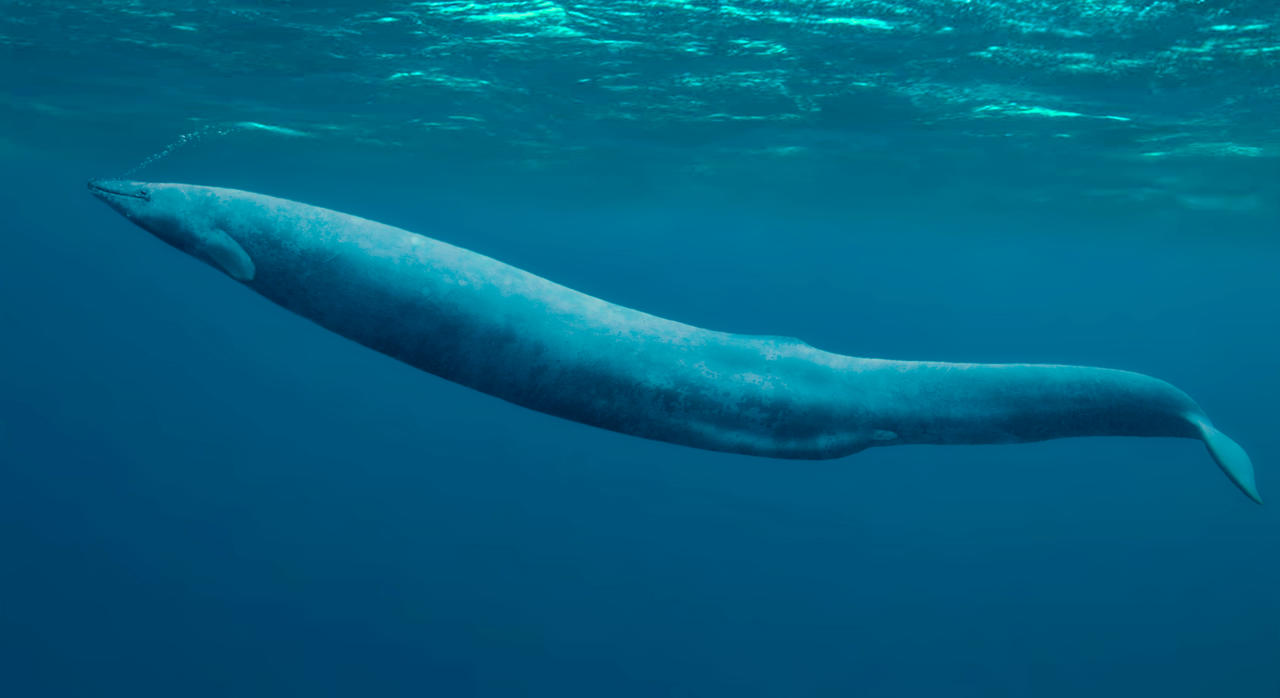
Basilosaurus was an early whale from the Eocene epoch. While it did possess teeth, it wasn’t dependent on claws or slashing methods. What makes it notable is how it likely killed through dominance in water.
This serpent-like marine mammal may have hunted other marine animals by overpowering and drowning them. In aquatic environments, control matters more than cutting power. If a predator can hold prey underwater, oxygen becomes the limiting factor.
Modern orcas demonstrate this behavior — grabbing seals and dragging them beneath the surface until they stop struggling.
Basilosaurus may have used similar tactics. Its elongated body allowed it to twist and maneuver effectively. Rather than slicing with claws, it subdued through mass and control.
Sometimes, the deadliest weapon isn’t sharpness. It’s environment.
Helicoprion — The Spiral Mystery
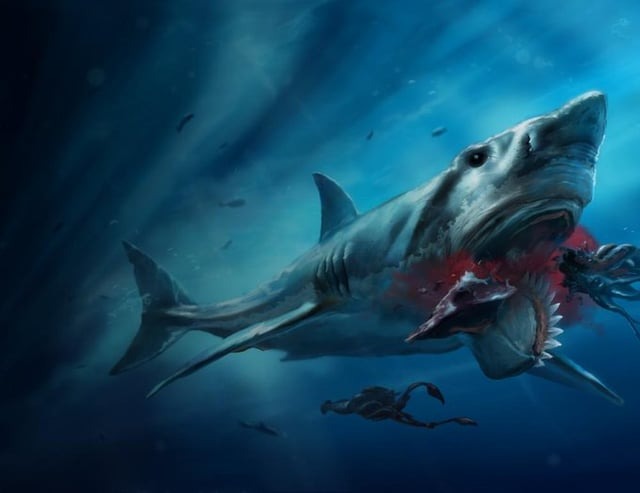
Helicoprion is one of the strangest ancient fish ever discovered. For decades, paleontologists debated what its fossilized spiral structure actually was. Today, we know it was a whorl of teeth — but arranged in a circular saw-like formation embedded in the lower jaw.
It didn’t have teeth scattered across its mouth like modern sharks. Instead, its teeth were organized into a continuous spiral blade.
When it bit down, this spiral rotated inward, slicing prey and guiding it into the mouth.
Technically, these were teeth — but used in such a unique configuration that they functioned more like a mechanical cutting tool than conventional fangs.
Helicoprion demonstrates something fascinating about evolution: sometimes it doesn’t just sharpen a tooth. It redesigns the entire feeding system.
The result feels less like an animal attack and more like being caught in biological machinery.
Electric Predators of the Ancient Seas
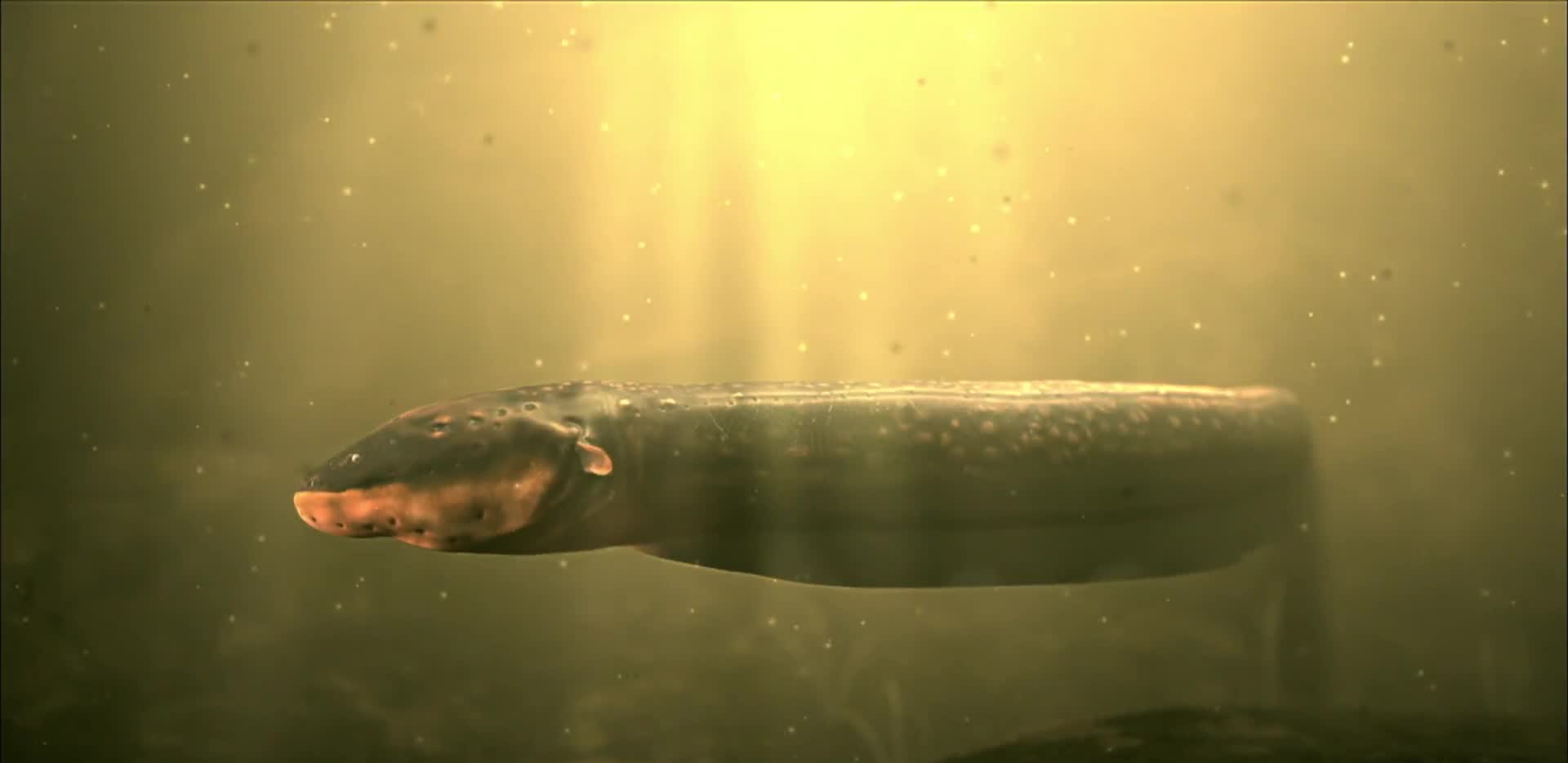
Electric eels and electric rays exist today, but similar electroreceptive and electric-capable species trace back millions of years. While not as ancient as Cambrian predators, early electric fish used bioelectricity as a weapon long before humans ever understood electricity itself.
These animals didn’t need claws or tearing jaws. They generated electrical pulses strong enough to stun prey or deter predators.
Imagine hunting in murky water where visibility is low. Instead of chasing, you emit a burst of electricity. Muscles lock up. Prey convulses. You approach safely.
Electricity bypasses armor and size differences. It targets the nervous system directly.
Few methods are as efficient — or as eerily modern — as killing with energy rather than force.
Arthropleura — The Suffocating Giant
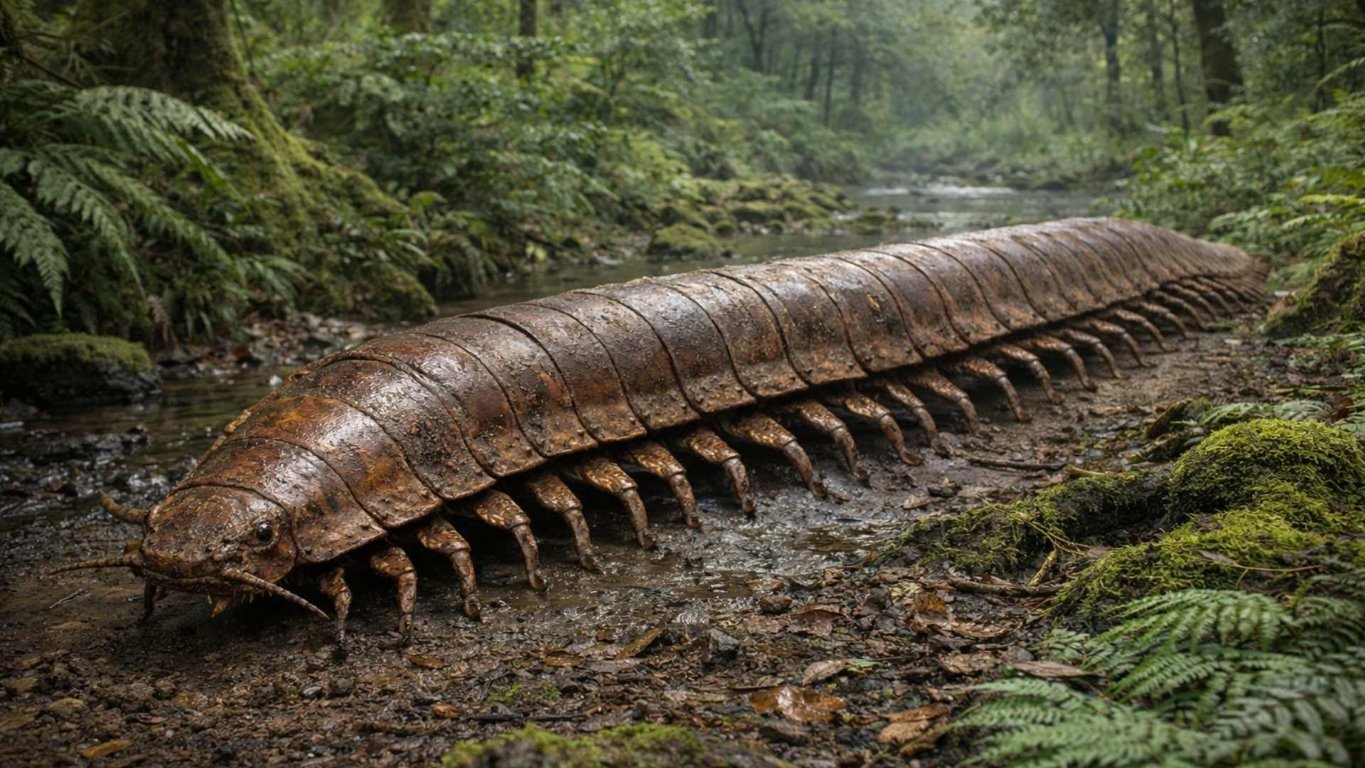
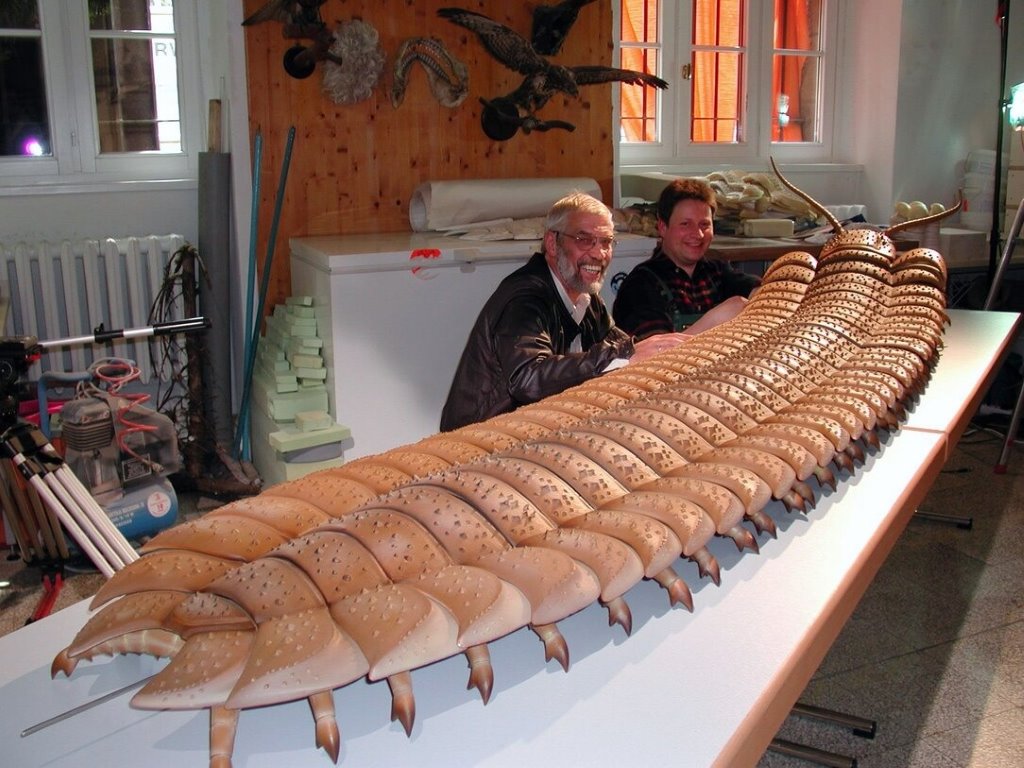
Arthropleura is usually remembered as the largest land arthropod ever discovered — a millipede-like creature stretching over 8 feet long during the Carboniferous period. It likely wasn’t an active predator in the way large theropods were, but its size alone could have turned it into a lethal force under the right conditions.
Unlike predators armed with teeth or claws, Arthropleura’s potential danger came from sheer mass and environment. In a world with higher oxygen levels and dense swamp forests, this armored invertebrate could dominate forest floors. If threatened or confronted, it may not have needed to bite or slash. Its rigid, segmented body and heavy exoskeleton could crush smaller organisms simply by overpowering them.
Some large invertebrates today immobilize prey by wrapping or pinning rather than slicing. While direct fossil evidence of Arthropleura predation is limited, the mechanical reality of an 8-foot armored arthropod is difficult to ignore. A smaller animal caught beneath its weight or trapped in tight terrain could easily be suffocated or crushed.
It’s a reminder that in ancient ecosystems, size alone could become a killing mechanism. No talons required.
Cameroceras — The Pressure Hunter
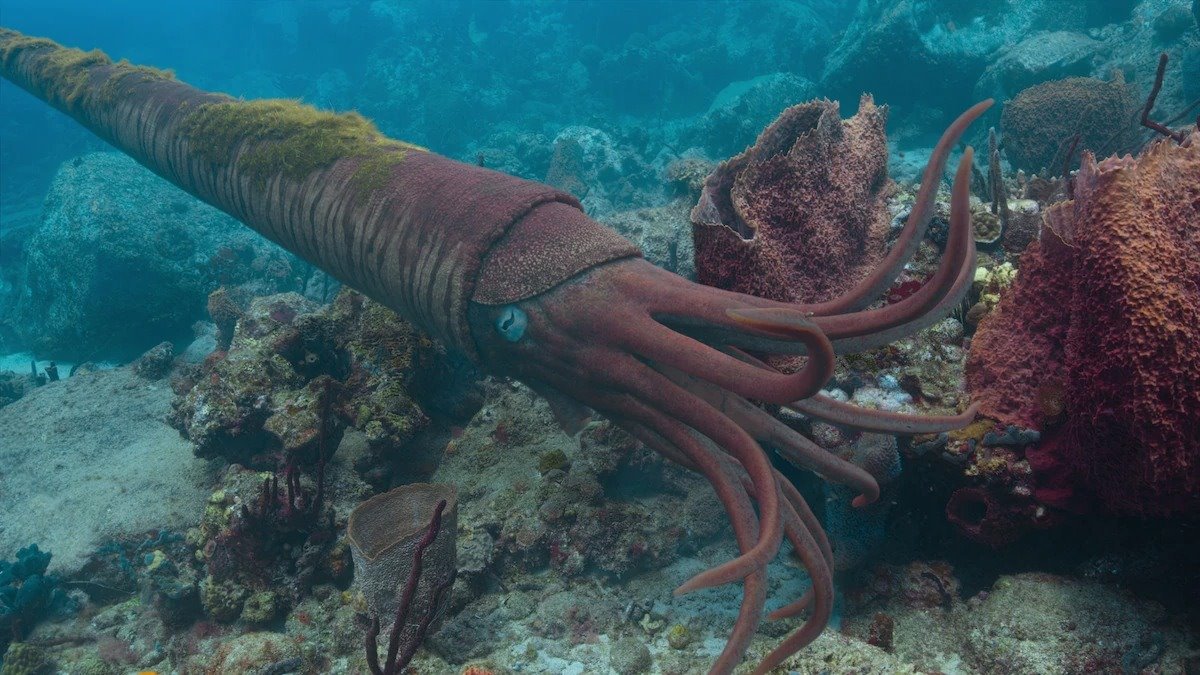
Cameroceras, a massive straight-shelled cephalopod from the Ordovician seas, is often imagined as one of the earliest large marine predators. While it did possess a beak and tentacles, it lacked slicing claws or ripping teeth in the traditional vertebrate sense.
Instead, it hunted using grasping appendages and powerful suction. Like modern squids and octopuses, it likely enveloped prey with tentacles and pulled it toward a crushing beak. The killing power didn’t come from serrated edges — it came from grip strength and pressure.
In underwater environments, tentacles are extensions of control. Prey doesn’t need to be cut apart immediately. It only needs to be restrained long enough for oxygen deprivation or crushing force to take effect.
Imagine drifting in ancient seas and suddenly being wrapped by muscular arms from above, dragged toward a shell-encased hunter lurking in shadow. No roar. No tearing claws. Just tightening limbs and dark water.
Sometimes, the most efficient killers are the ones that don’t look violent at first glance.
Meganeura — Death From the Air
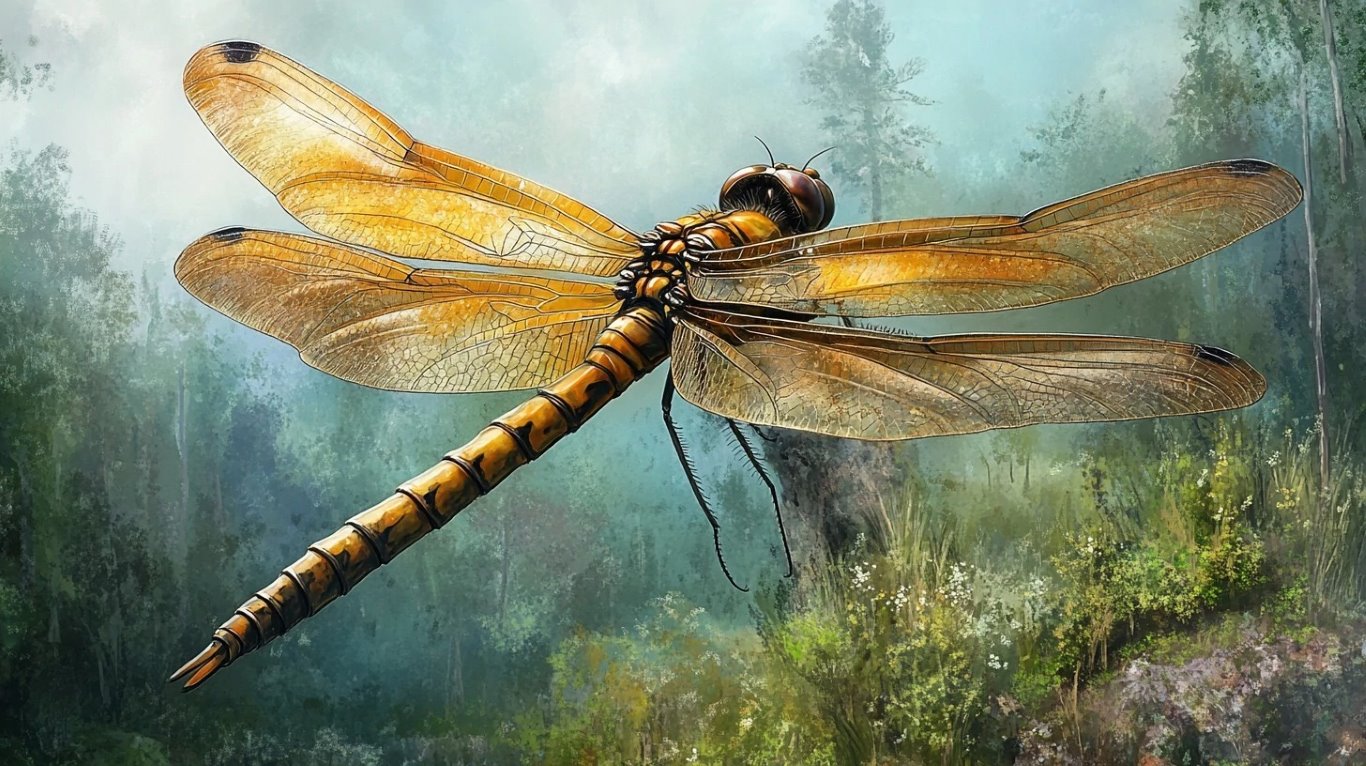
Meganeura, a giant dragonfly-like insect with a wingspan over two feet wide, ruled Carboniferous skies long before birds. While it had mandibles like modern insects, it didn’t possess claws capable of ripping prey apart.
Instead, it hunted by speed and aerial interception. Its large compound eyes provided exceptional visual tracking. Its flight capability allowed it to snatch prey mid-air.
What made Meganeura lethal wasn’t slicing power. It was acceleration and timing.
Modern dragonflies are among the most successful hunters on Earth, with capture rates exceeding 90 percent. Meganeura was essentially that system — scaled up dramatically.
Imagine prehistoric insects being pursued by a silent, fast-moving shadow overhead. Once caught, escape would be nearly impossible. The prey didn’t need to be dismembered violently. It only needed to be subdued and consumed.
The terror here lies in precision. Inescapable pursuit. Aerial dominance in a time before vertebrate flyers existed.
The Venomous Strategy — Ancient Marine Toxins
Long before snakes perfected venom delivery on land, marine organisms were already experimenting with chemical warfare. Ancient jellyfish-like creatures, early cnidarians, and soft-bodied marine predators used stinging cells called nematocysts.
These microscopic harpoons injected toxins into prey instantly upon contact. No claws. No teeth. Just cellular-level weaponry.
Venom doesn’t require brute force. It disables systems internally. Muscles seize. Nerves misfire. Paralysis spreads.
In early oceans filled with soft-bodied organisms, this was revolutionary. Instead of overpowering prey physically, a predator could rely on chemistry.
And chemistry doesn’t leave obvious scars. It shuts down the body from within.
The unsettling part is that venom represents invisible violence. You don’t see it coming. You only feel the consequences.
Entelodont — The Bone-Crushing Ram
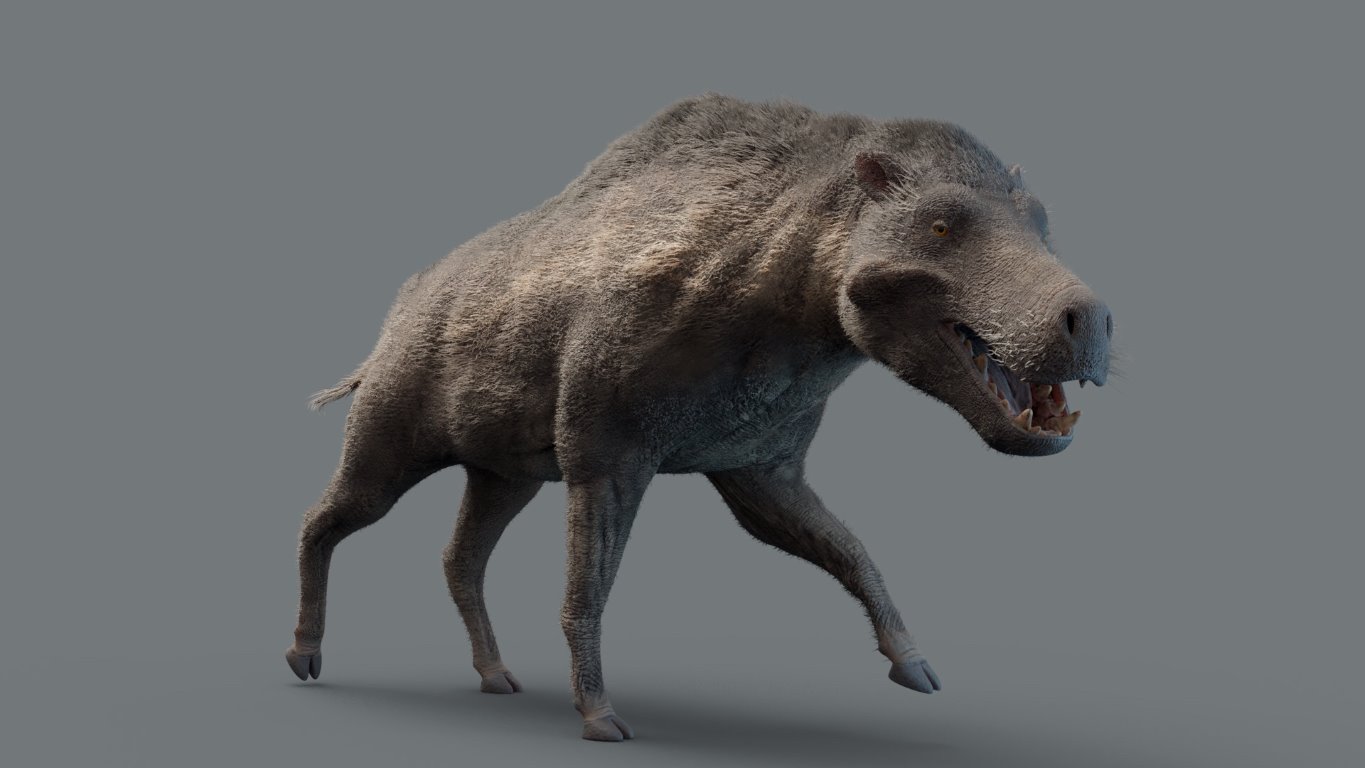
Entelodonts, sometimes nicknamed “hell pigs,” roamed during the Eocene and Miocene epochs. While they had teeth, their primary killing method may have relied heavily on blunt trauma.
Their skulls were thick and reinforced, and their jaw musculature suggests powerful snapping bites. But evidence also indicates they may have used their heads as ramming tools — similar to modern boars or musk oxen.
Rather than slicing, they could charge, collide, and disable prey with sheer impact. A broken limb or shattered rib cage doesn’t require claws to be fatal.
Blunt force trauma is one of the oldest killing methods in nature. It bypasses cutting entirely and focuses on kinetic energy.
There’s something primal about impact-based killing. It feels less calculated, more raw. A collision that ends life not through precision but through overwhelming force.
The Psychology of Toothless Predation
When we think of predators, our minds instinctively search for visible weapons — fangs, talons, hooked beaks. But ancient ecosystems show us that lethality is more diverse.
Some creatures crushed with coils.
Some stunned with electricity.
Some paralyzed with venom.
Some suffocated by mass.
Some overwhelmed through suction and grip.
The absence of claws or teeth doesn’t mean absence of danger. In many cases, it means innovation.
Evolution doesn’t care about aesthetics. It cares about results. If a method works — whether it’s constriction, shock, toxin, or blunt impact — it becomes refined over time.
And perhaps that’s what makes these ancient animals especially unsettling. They prove that violence doesn’t always look violent.
Sometimes it looks like pressure.
Sometimes it looks like silence.
Sometimes it looks like nothing at all — until it’s too late.