

Mushrooms occupy a strange place in human culture. They are celebrated as delicacies in countless cuisines, prized for their earthy flavors and nutritional value, yet feared for their ability to cause sudden and devastating harm. For centuries, people have relied on mushrooms for food, medicine, and ritual, while at the same time passing down warnings about which varieties must never be eaten. That tension between nourishment and danger still exists today, especially for anyone who encounters wild mushrooms outside of controlled farming environments.
What makes poisonous mushrooms particularly dangerous is how easily they blend in. Many toxic species closely resemble edible ones, sometimes differing only in subtle details that even experienced foragers can miss. A harmless-looking cap, a familiar color, or a common growing location can all create a false sense of safety. Unlike spoiled food, poisonous mushrooms do not necessarily smell bad or taste unpleasant, which removes another layer of natural warning that people usually rely on.
Mushroom poisoning, known medically as mycetism, occurs when toxic compounds within certain species interfere with vital bodily functions. These toxins can attack the liver, kidneys, nervous system, or multiple organs at once. In some cases, symptoms appear quickly, while in others they are delayed for hours or even days, giving the illusion that the danger has passed. This delay is one of the most lethal aspects of mushroom poisoning, as it often postpones medical treatment until irreversible damage has already occurred.
Globally, mushroom poisonings remain a persistent problem. In the United States alone, thousands of cases are reported every year, with children and inexperienced foragers among the most vulnerable. While many incidents result in mild illness, a small group of mushrooms are responsible for the majority of severe injuries and deaths. These species are not rare anomalies; many grow in parks, forests, lawns, and residential areas where people least expect to encounter lethal organisms.
The mushrooms listed below represent some of the most poisonous species known to science. Each has a documented history of serious poisoning, organ failure, or death. Understanding how these mushrooms work, where they are found, and why they are so dangerous is not just a matter of curiosity—it is a practical form of knowledge that can prevent fatal mistakes.
8. Fly Agaric (Amanita muscaria)
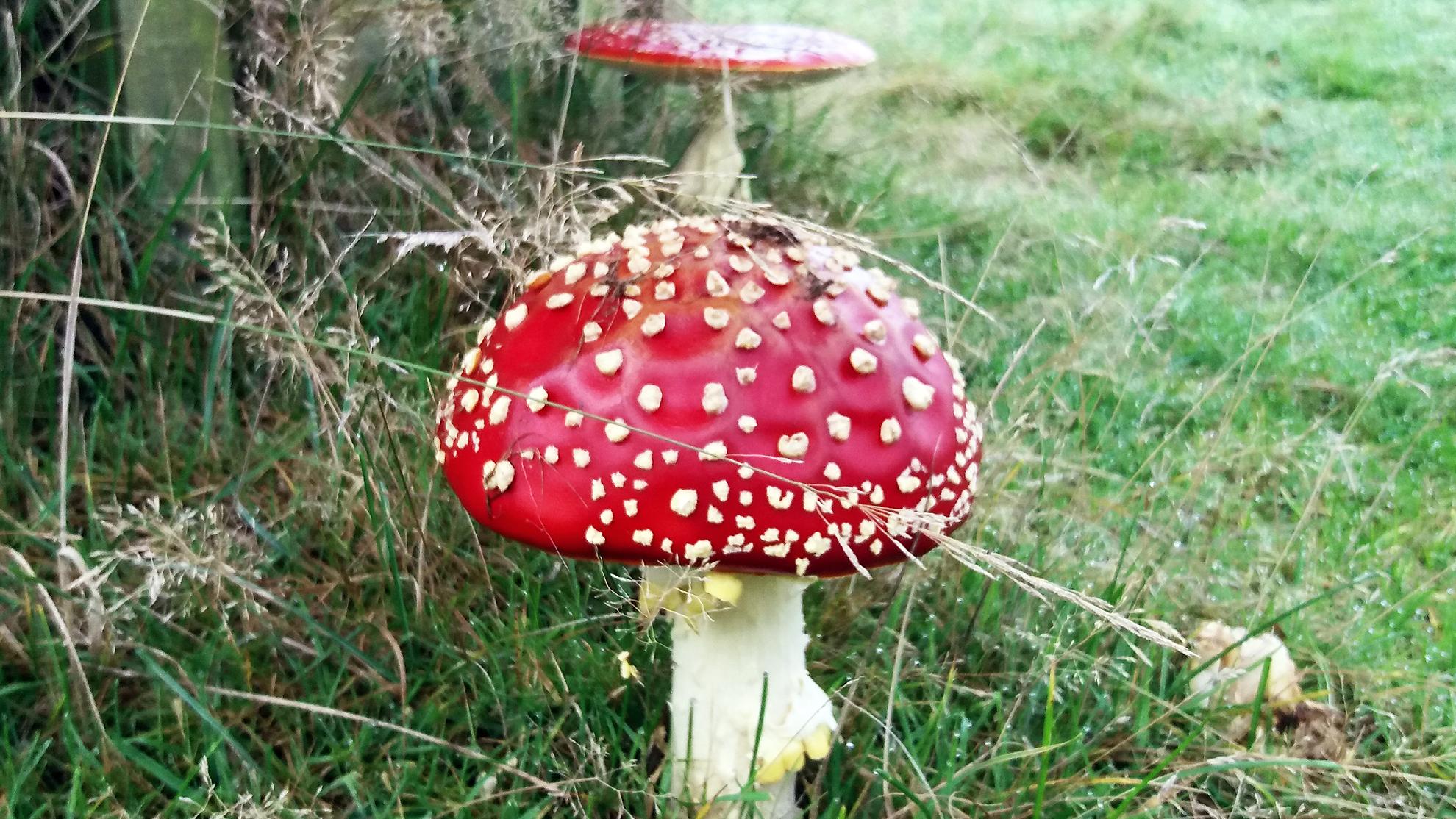
The fly agaric is one of the most recognizable mushrooms on Earth. Its bright red cap covered with white spots has appeared in folklore, artwork, and children’s stories for centuries. Despite its iconic appearance, this mushroom is far from harmless.
Fly agaric contains two primary toxic compounds: muscimol and ibotenic acid. These substances act directly on the central nervous system, interfering with normal brain signaling. After ingestion, symptoms typically appear within one hour and include loss of coordination, confusion, dizziness, nausea, and involuntary muscle movements. In some cases, users experience vivid hallucinations followed by extreme drowsiness or deep sleep.
Although fly agaric is rarely fatal to humans, it is still considered highly dangerous. Intoxication can lead to unpredictable behavior, which increases the risk of accidents and injuries. The mushroom is especially deadly to household pets. Dogs and cats that ingest even small amounts often suffer fatal poisoning due to their lower tolerance for the toxins.
7. Deadly Dapperling (Lepiota brunneoincarnata)
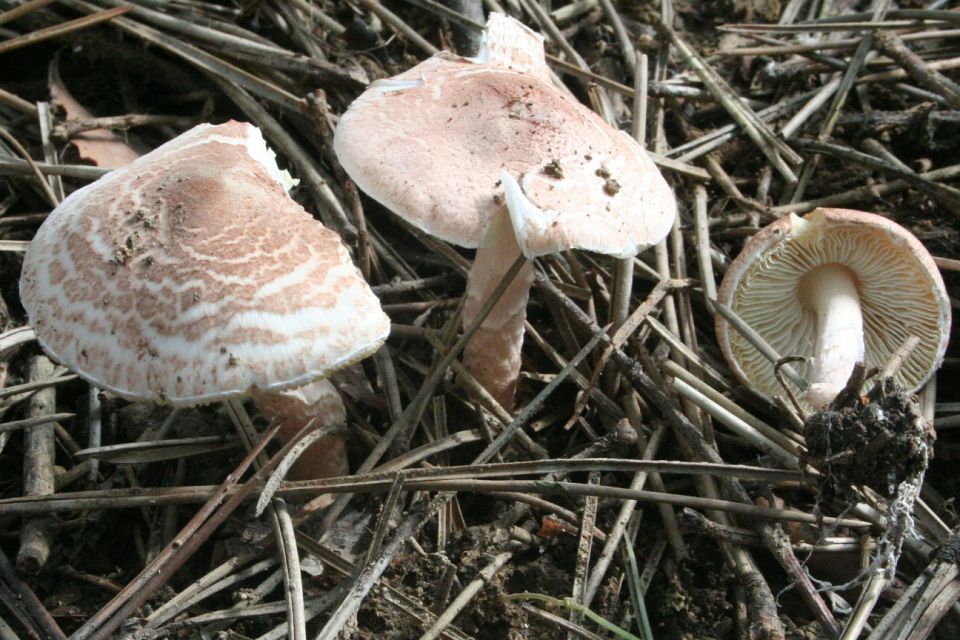
The deadly dapperling lives up to its name. This small, gilled mushroom is responsible for a significant percentage of fatal mushroom poisonings worldwide. It contains amatoxins, the same group of toxins found in death caps and destroying angels.
Amatoxins work by inhibiting RNA polymerase II, an enzyme essential for protein synthesis in cells. When this process is blocked, cells die rapidly, particularly those in the liver. As a result, liver failure is the primary cause of death in amatoxin poisoning cases.
The deadly dapperling is found across Europe, Asia, and parts of North America, often growing in wooded or grassy areas. Its small size and resemblance to edible mushrooms make accidental ingestion more likely. Early symptoms include vomiting, diarrhea, and abdominal pain, which may subside temporarily. This false recovery phase often delays medical treatment, allowing irreversible liver damage to progress.
6. Podostroma cornu-damae
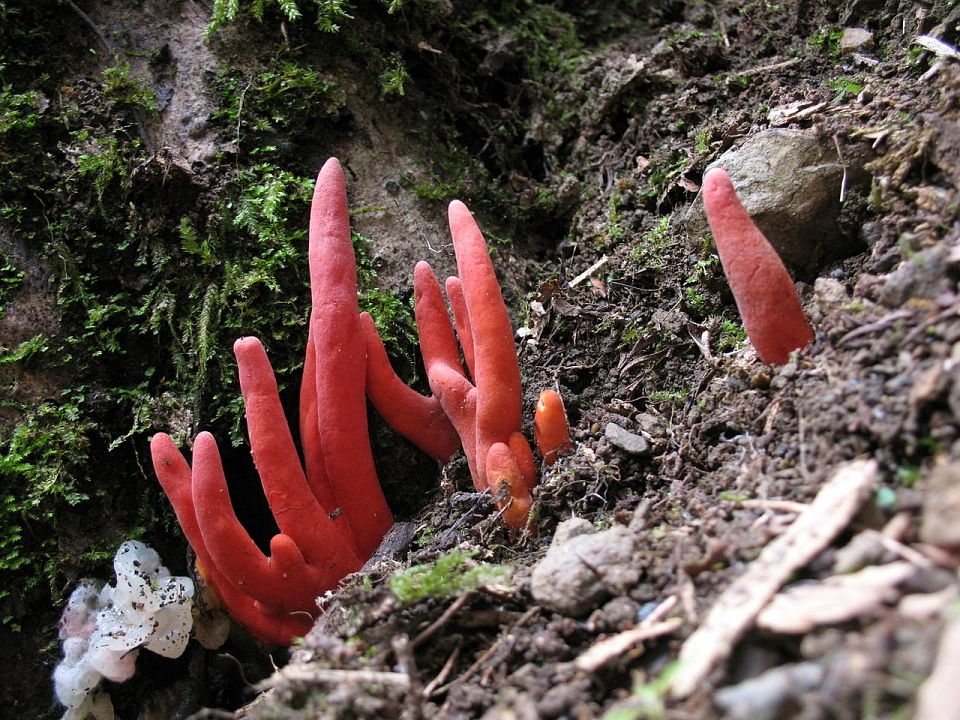
Podostroma cornu-damae is among the most lethal mushrooms ever documented. Native to East Asia, particularly Japan, China, and Korea, this rare fungus has caused numerous fatal poisonings.
Unlike many toxic mushrooms, Podostroma cornu-damae contains trichothecene mycotoxins, a group of extremely potent compounds that damage multiple organ systems simultaneously. Poisoning symptoms are severe and wide-ranging, including intense stomach pain, peeling skin, hair loss, dangerously low blood pressure, liver necrosis, and kidney failure.
Death can occur within days if treatment is not immediate. What makes this species especially dangerous is its resemblance to Ganoderma lucidum, an edible mushroom commonly used in traditional medicine. This visual similarity has led to repeated fatal mistakes among foragers.
5. Destroying Angels (Amanita species)
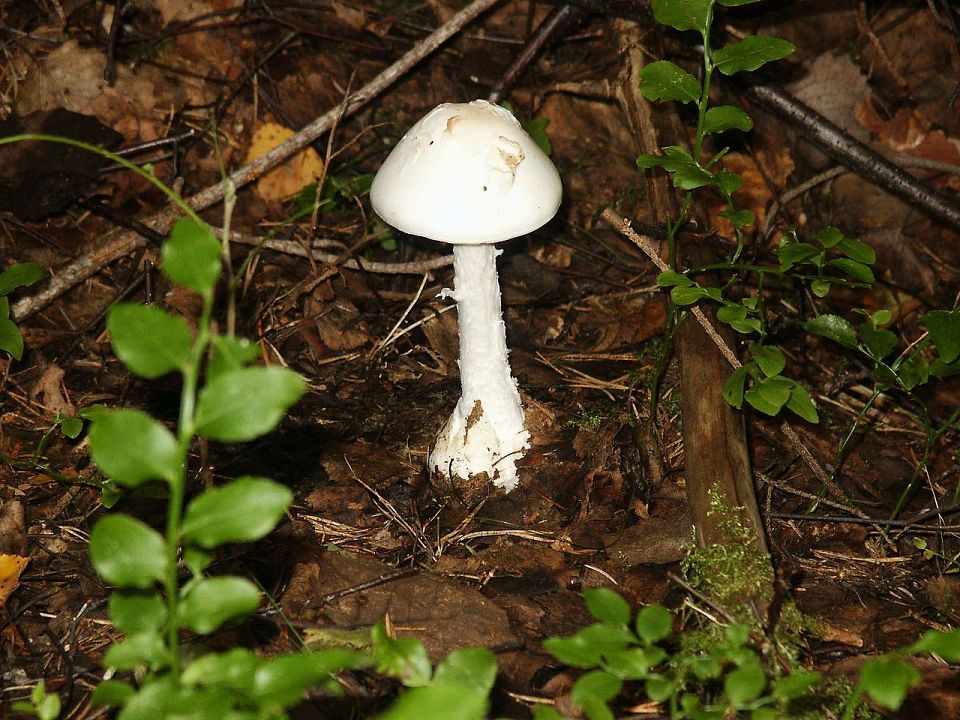
Destroying angels are a group of pure white mushrooms belonging to the Amanita genus. Despite their delicate appearance, they are among the most deadly mushrooms in the world. Several species fall under this name, all sharing similar toxic profiles.
Destroying angels contain high concentrations of amatoxins, which begin damaging liver and kidney tissue within hours of ingestion. Early symptoms include severe abdominal cramping, vomiting, and watery diarrhea. As poisoning progresses, neurological symptoms such as delirium and seizures may occur.
One of the greatest dangers of destroying angels is their resemblance to edible white mushrooms. Because they appear clean, simple, and non-threatening, they are often mistaken for safe varieties. Without rapid medical intervention, ingestion frequently results in fatal organ failure.
4. Autumn Skullcap (Galerina marginata)
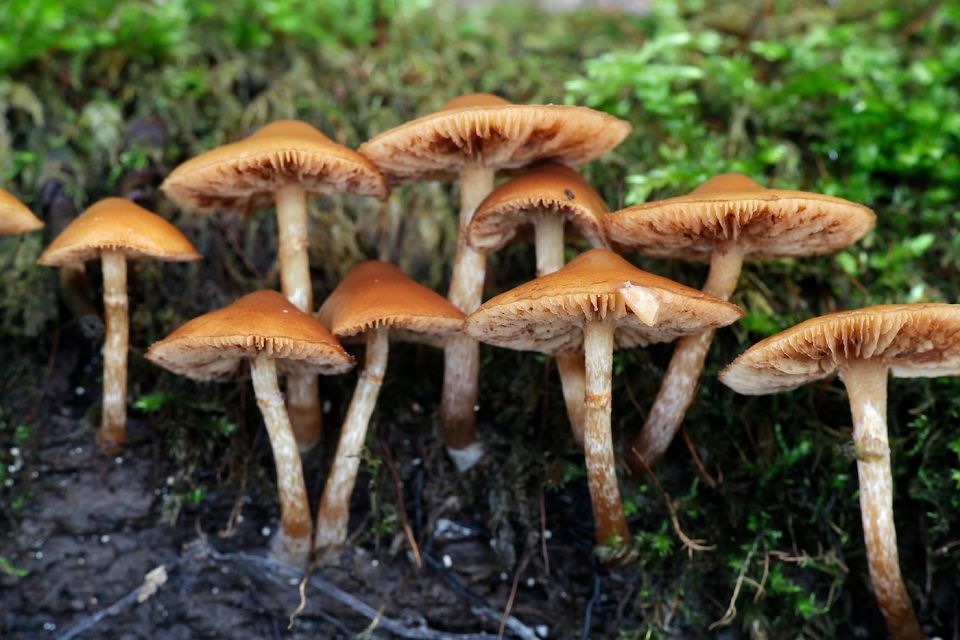
The autumn skullcap, also known as the funeral bell, is a small brown mushroom that grows on decaying wood, particularly coniferous trees. It is found worldwide, from temperate forests to extreme environments including the Arctic and parts of Australia.
This species contains amatoxins capable of causing complete liver failure. Symptoms often appear several hours after ingestion and include vomiting, diarrhea, hypothermia, and abdominal pain. Death typically occurs within a week if untreated.
Autumn skullcap is frequently confused with edible mushrooms such as honey fungus and velvet foot. Its wide distribution and wood-growing habit make it especially dangerous for foragers who collect mushrooms from fallen logs.
3. Webcaps (Cortinarius species)
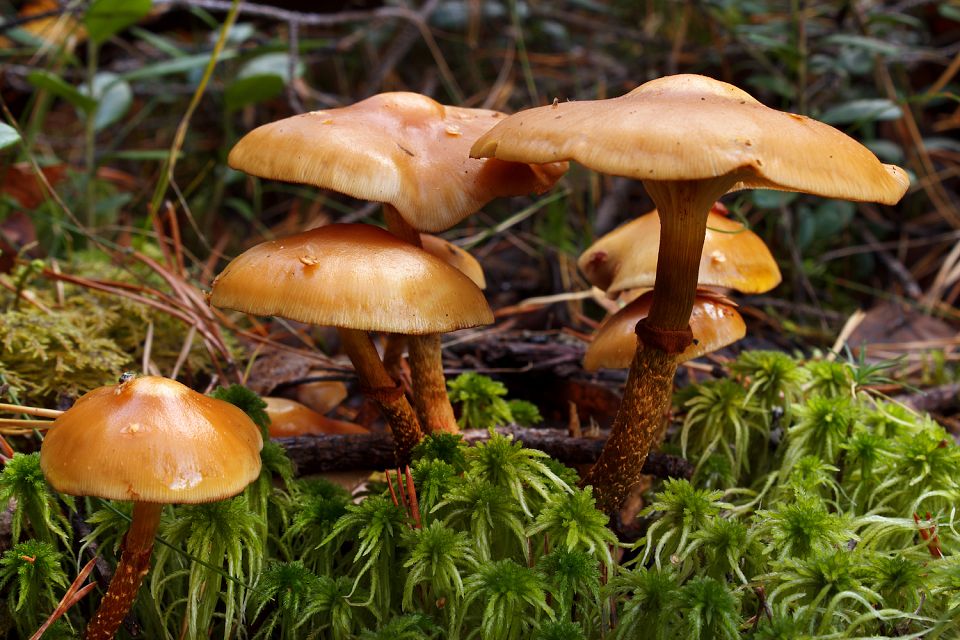
Webcaps are a large group of mushrooms found mainly in northern Europe and North America. Several species contain orellanine, a toxin that causes delayed kidney failure.
Unlike many mushroom poisons, orellanine works slowly. Initial symptoms resemble mild flu and may not appear until days or even weeks after ingestion. During this delay, irreversible kidney damage occurs silently.
By the time severe symptoms develop, treatment options are limited. In documented cases, victims have required kidney transplants or died from renal failure. Webcaps are particularly dangerous because they resemble edible mushrooms such as chanterelles and ceps.
2. Conocybe filaris
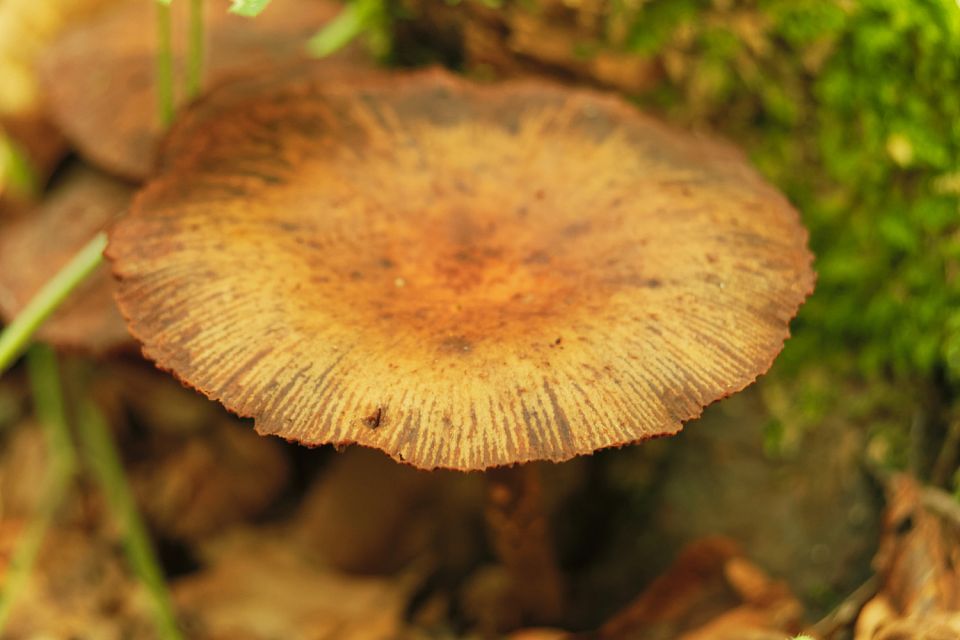
Conocybe filaris is commonly found growing in lawns, parks, and grassy areas, especially in the Pacific Northwest of the United States. Its small size and conical cap cause it to be mistaken for edible or hallucinogenic mushrooms.
This species contains amatoxins that cause irreversible liver damage. Gastrointestinal symptoms usually appear between six and twenty-four hours after ingestion and often resemble food poisoning or stomach flu. This similarity frequently delays proper diagnosis.
Victims may appear to recover briefly before suffering severe liver and kidney failure. Without aggressive treatment, the outcome is often fatal.
1. Death Cap (Amanita phalloides)

The death cap is responsible for more than half of all fatal mushroom poisonings worldwide. Found throughout Europe, Asia, North Africa, and introduced regions such as North America and Australia, it is the most dangerous mushroom known to humans.
Death caps contain high levels of amanitin, which destroys liver and kidney cells. Even a small amount can be lethal. Symptoms begin within four to forty-eight hours and include nausea, vomiting, diarrhea, dehydration, and hypothermia.
After several days, victims may appear to improve, but this is a deceptive phase. By this point, toxins have already caused severe organ damage. Liver failure, kidney failure, coma, and death follow in many cases, with fatality rates reaching up to fifty percent.