

Prehistoric Animals That Ruled the Skies

Long before jet streams carried modern aircraft and before eagles traced circles above mountain ridges, the sky was already a contested domain. It wasn’t empty blue space — it was territory. A three-dimensional battlefield where survival demanded engineering precision, extreme adaptation, and relentless refinement.

Flight is one of evolution’s most difficult achievements. To leave the ground, an animal must solve a series of biological problems at once: reduce weight without sacrificing strength, develop muscles powerful enough to generate lift, create surfaces capable of controlling airflow, and maintain balance while moving through unpredictable wind currents. It’s a delicate equation. And yet, over hundreds of millions of years, nature solved it multiple times.
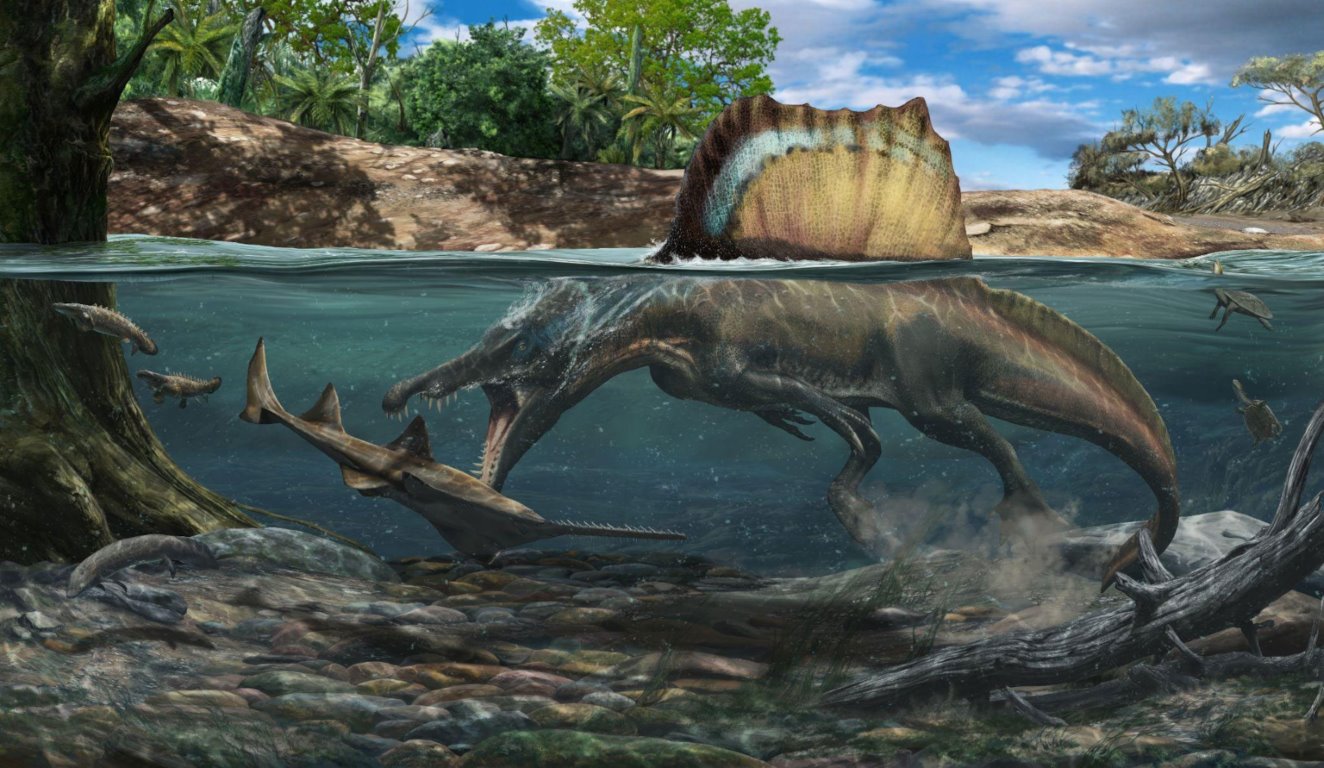
Prehistoric Animals That Hunted in Rivers and Swamps

When most people picture prehistoric predators, they imagine open landscapes — vast plains where massive dinosaurs chased prey across dry ground. But some of the most dangerous hunting grounds in Earth’s history were not on land at all. They were in slow-moving rivers, flooded forests, and steaming swamps where visibility was low and footing was uncertain.

Wetlands are unique environments. Water bends light, muffles sound, and hides movement. Mud absorbs footsteps. Dense vegetation breaks up silhouettes. In such places, the rules of hunting change completely. Speed becomes less important than patience. Teeth matter, but positioning matters more. A predator doesn’t need to chase when it can wait.

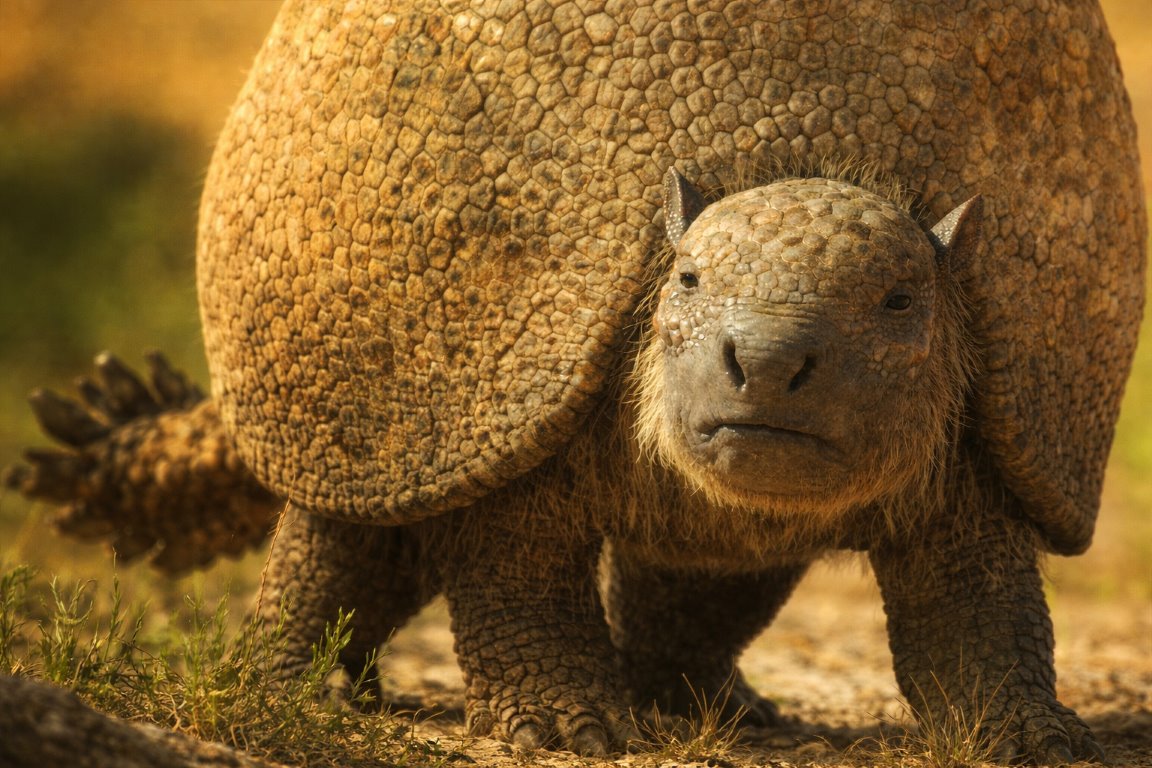
Prehistoric Animals With Armor No Predator Could Break

In the ancient world, survival wasn’t just about speed or size. It was about protection. For every predator that evolved sharper teeth or stronger jaws, another creature evolved thicker skin, heavier plates, reinforced bone, or spikes long enough to make any attack a serious mistake.

Armor in prehistoric ecosystems wasn’t decorative. It was engineering. It was biology pushed to extremes. Some animals became so well protected that attacking them carried enormous risk — broken teeth, shattered legs, deep puncture wounds. In some cases, the safest strategy for predators may have been simple avoidance.