

When people think about dangerous animals, insects are usually an afterthought. They’re small, easy to overlook, and often dismissed as minor annoyances rather than serious threats. Yet from a biological standpoint, insects and their close relatives are some of the most chemically sophisticated killers on the planet. Size has never been a limitation for them. Instead, evolution equipped many bugs with toxins powerful enough to incapacitate predators thousands of times larger than themselves.
Unlike large predators that rely on strength or speed, poisonous and venomous bugs survive through chemistry, coordination, and efficiency. Some inject venom through stingers or fangs, delivering pain and paralysis in seconds. Others rely on toxins stored in their bodies, making them dangerous to touch or even eat. In certain cases, a single sting is enough to cause a medical emergency. In others, the real danger appears when dozens or hundreds attack at once, overwhelming the body’s ability to cope.
What makes poisonous bugs especially unsettling is how easily humans cross paths with them. Many live near homes, gardens, forests, and farms. Some hide in clothing, shoes, or bedding. Others build nests in the ground or inside walls. Encounters often happen by accident, without warning, and sometimes without immediate pain—allowing toxins to spread before a victim realizes what’s happening.
History offers plenty of reminders that insects are not harmless. Long before modern medicine, stings and bites from certain species regularly caused deaths. Even today, despite antivenoms and advanced treatment, people still die each year from encounters with toxic insects and spiders. Children, elderly individuals, and those with allergies or weakened immune systems are especially vulnerable.
The bugs listed below are not chosen for shock value alone. Each one has earned its place through documented medical cases, biological research, and real-world danger. Together, they show that in nature, lethality is not measured in size or noise—but in chemistry, coordination, and how quickly a toxin can turn a small mistake into a serious threat.
The Most Poisonous Bugs In The World
1. The Cow Killer
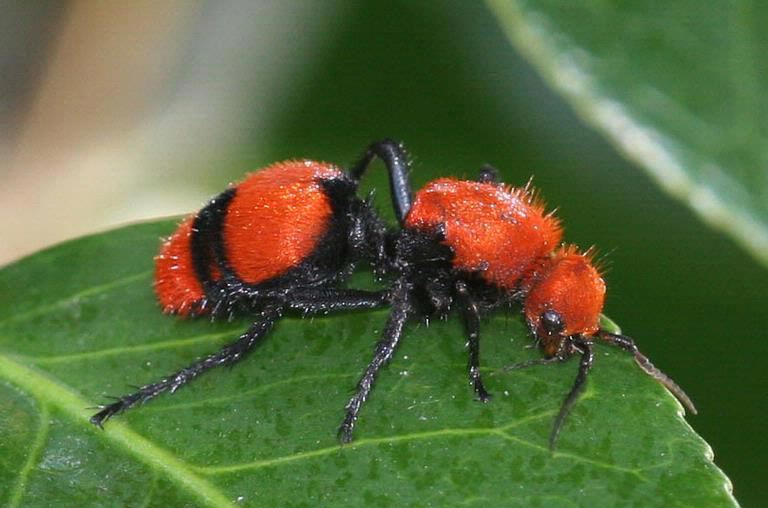
Despite its dramatic name, the cow killer is not known for killing livestock. It is a species of venomous ant, sometimes referred to as a velvet ant, and it can be found closer to populated areas than many people realize, including parts of the southern United States.
On its own, a single cow killer ant is unlikely to be fatal to a healthy adult. The danger lies in what happens when multiple ants are involved. When one ant is disturbed or crushed, it releases a chemical alarm signal from its venom glands. This pheromone rapidly mobilizes nearby members of the colony, triggering a coordinated group attack.
What makes the sting especially severe is the way venom is delivered. Cow killers inject venom through their sting, but they also bite, allowing toxins from both saliva and venom glands to enter the body. This double delivery amplifies the pain and physiological impact. For small children, elderly individuals, or people with weakened immune systems, repeated stings can pose a serious medical risk.
2. The Red Imported Fire Ant
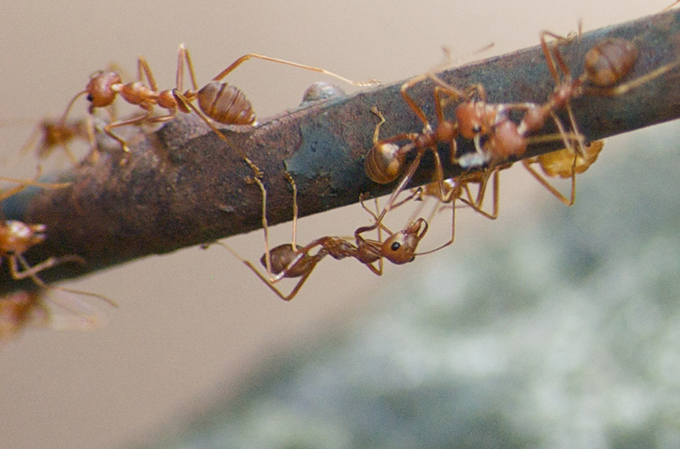
Red imported fire ants have been a growing problem in the United States since their arrival in the 1930s. Originally confined to the southern regions, these aggressive insects have steadily expanded their range northward, with projections suggesting they may reach even more temperate areas over time.
Individually, a single fire ant sting is not lethal. Collectively, they are among the most aggressive insects on Earth. Fire ants are known to chase perceived threats, climbing rapidly and stinging repeatedly. Their colonies form numerous satellite mounds, allowing them to spread quickly and dominate entire landscapes.
When a mound is disturbed, thousands of ants can attack at once. Each sting injects venom that causes intense burning pain, swelling, and pustules. In extreme cases—especially involving infants or people who are immobilized—mass stinging incidents have resulted in death.
Their resilience is legendary. During eradication attempts in Florida, fire ants formed floating, watertight balls with the queen protected in the center, allowing entire colonies to survive floods. In Texas, infestations became so severe that ants entered hospital ventilation systems and even bit through IV tubing, leading to tragic and initially unexplained patient deaths.
3. Blister Beetles
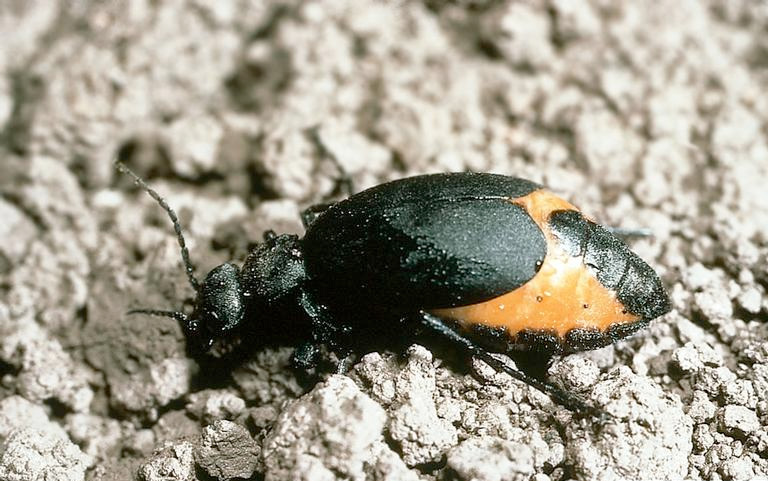
Blister beetles do not sting or bite, yet they are among the most dangerous insects on this list. Their threat comes from a chemical called cantharidin, a powerful toxin produced in their bodies as a defensive compound.
When a predator attempts to eat a blister beetle, cantharidin can cause violent convulsions and internal damage. For humans, contact with the toxin can lead to severe skin blistering and dermatitis. The real danger, however, comes from ingestion.
Historically, cantharidin attracted human interest for the wrong reasons. In the 19th century, it was widely believed to be an aphrodisiac. What people did not understand at the time was that ingesting the toxin destroys the lining of the digestive tract, leading to internal bleeding, organ failure, and death.
Even small amounts can be fatal. Some individuals attempted to avoid swallowing beetles by licking them instead, unaware that the toxin could still enter the body. The result was often severe poisoning with long-lasting consequences.
4. Japanese Giant Hornet
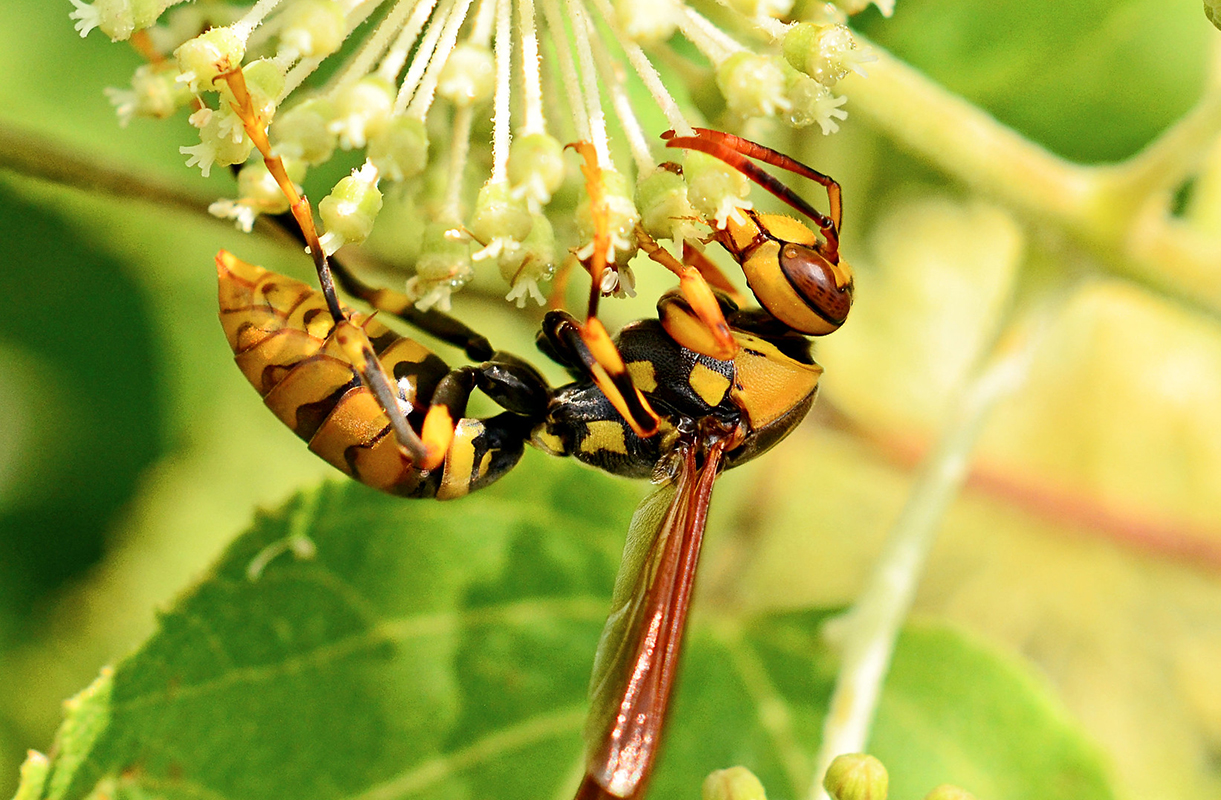
The Japanese giant hornet is the largest hornet species in the world and one of the most feared insects in East Asia. With a body length that can exceed five centimeters and a wingspan that looks more like a small bird than an insect, it is impossible to mistake this hornet for anything harmless.
What makes this species especially dangerous is not just the size of its stinger, but the composition of its venom. The toxin contains a powerful mix of neurotoxins and enzymes that destroy tissue and attract other hornets to the same target. A single sting causes immediate, intense pain, often described as having a red-hot nail driven into the skin.
While one sting is rarely fatal to a healthy adult, multiple stings can overwhelm the body very quickly. Each sting delivers venom that damages organs, breaks down muscle tissue, and can lead to kidney failure. Every year, dozens of people die in Japan after encounters with giant hornets, most often due to repeated stings or severe allergic reactions.
These hornets are also notorious for their attacks on honeybee colonies. A small group can slaughter thousands of bees in minutes, demonstrating just how efficient and aggressive they are when working together.
5. Black Widow Spider
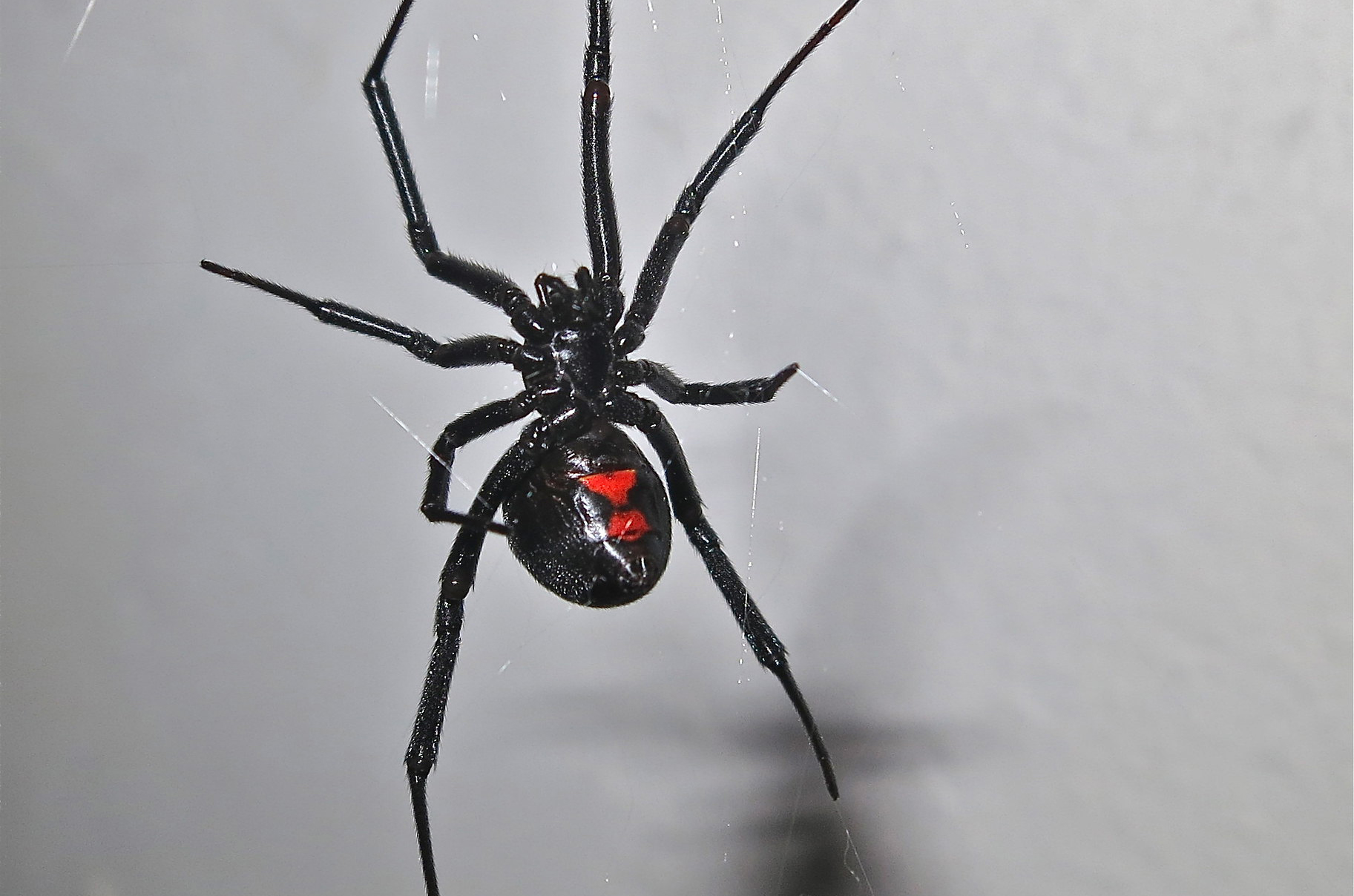
The black widow spider is one of the most recognizable spiders in the world, easily identified by the red hourglass marking on the underside of the female’s abdomen. Found on nearly every continent, this spider often lives close to humans, hiding in sheds, garages, woodpiles, and dark corners of homes.
Black widow venom is a potent neurotoxin that interferes with nerve signaling. A bite may feel minor at first, but symptoms often intensify over time. Severe muscle cramps, abdominal pain, sweating, nausea, and elevated blood pressure can develop within an hour.
Deaths from black widow bites are rare today thanks to modern medical care, but untreated bites can be extremely dangerous, especially for children, elderly individuals, and those with underlying health conditions. Before antivenom was widely available, fatalities were far more common.
The spider itself is not aggressive and usually bites only when trapped or accidentally pressed against skin. Its reputation, however, is well earned, as its venom remains one of the most powerful produced by any spider.
6. Monarch Caterpillar and Butterfly
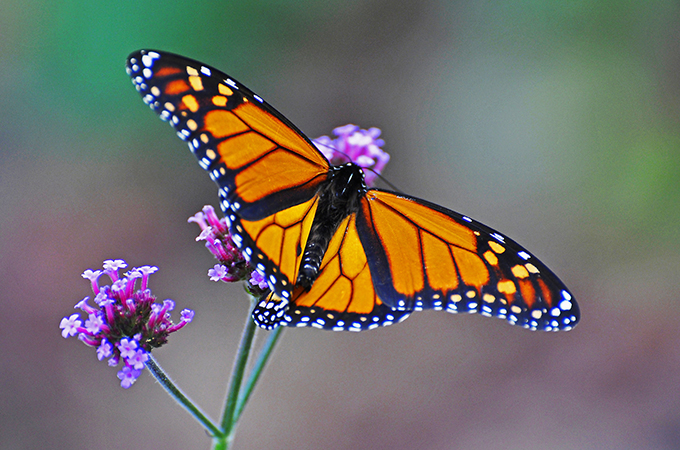
The monarch butterfly is often admired for its striking orange-and-black wings and long migratory journeys. Few people realize that both the caterpillar and adult butterfly are poisonous, making them a rare example of an insect that carries toxins throughout multiple life stages.
Monarch caterpillars feed exclusively on milkweed plants, which contain toxic cardiac glycosides. Rather than being harmed, the caterpillars store these toxins in their bodies. The poison remains present after metamorphosis, making the adult butterfly toxic as well.
Predators that attempt to eat monarchs often vomit violently shortly afterward, learning to associate the butterfly’s bright coloration with danger. While monarch toxins are unlikely to kill a human outright, ingestion can cause severe nausea, heart rhythm disturbances, and other serious symptoms.
This chemical defense is so effective that several non-toxic butterfly species have evolved to mimic monarch coloration, benefiting from predators’ learned avoidance.
7. Brown Recluse Spider
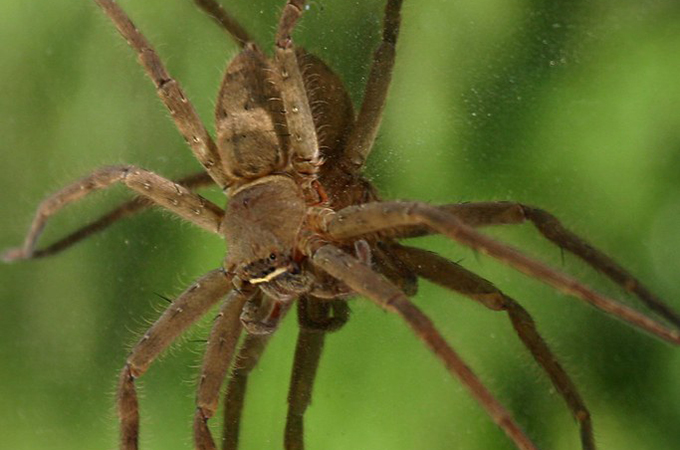
The brown recluse spider is small, unassuming, and extremely dangerous under the right circumstances. Native to parts of the United States, this spider prefers dark, undisturbed places such as closets, basements, shoes, and folded clothing.
Its venom is not primarily neurotoxic, but necrotic. After a bite, the venom can destroy surrounding tissue, sometimes leading to large open wounds that take months to heal. In severe cases, tissue death spreads beyond the bite site, requiring surgical intervention or skin grafts.
Systemic reactions are rare but possible. Some victims experience fever, chills, nausea, and breakdown of red blood cells, which can lead to kidney failure. Children are especially vulnerable to severe complications.
Because the initial bite is often painless, many people do not realize they have been bitten until significant damage has already occurred. This delay makes brown recluse bites particularly dangerous and difficult to treat.
These insects and spiders demonstrate that danger in the natural world does not always come from large predators or dramatic encounters. Sometimes it hides in small bodies, quiet movements, and chemical defenses that evolved long before humans ever appeared. Understanding how these creatures defend themselves is the best way to avoid becoming an accidental victim of their toxic survival strategies.