

The ocean has always been a place of mystery, beauty, and danger in equal measure. Beneath its calm surface lies a world shaped by constant pressure to survive, where every movement can mean the difference between eating or being eaten. In this environment, brute strength is often less important than strategy, deception, and chemistry. Over millions of years, many marine animals have evolved one of the most effective defenses known in nature: poison.
Unlike sharp teeth or powerful jaws, poison allows even slow-moving or fragile creatures to protect themselves against predators many times their size. Some species rely on poison as a last line of defense, while others combine it with camouflage, warning colors, or ambush tactics. In many cases, the most dangerous ocean animals are not the largest or most aggressive, but the ones that appear harmless at first glance.
It’s also important to understand that “poisonous” does not mean the same thing as “venomous.” Venomous marine animals actively inject toxins through bites, spines, or stingers. Poisonous creatures, on the other hand, carry toxins in their skin, tissues, or organs, posing a threat when they are touched, eaten, or mishandled. In the ocean, this distinction matters. A single careless step, curious touch, or uninformed interaction can have serious consequences.
From coral reefs and tidal pools to open waters and sandy seabeds, poisonous marine animals exist in nearly every ocean environment. Some have become infamous due to their lethality, while others remain relatively unknown, quietly surviving through chemical defenses that few humans ever encounter firsthand. Together, they represent one of the ocean’s most fascinating evolutionary paths—where beauty, danger, and survival are tightly intertwined.
The creatures below are among the most poisonous found in the world’s oceans. Each one demonstrates how chemical defenses have shaped marine life into forms that are as deadly as they are extraordinary, reminding us that in the ocean, danger often comes in unexpected forms.
The 8 Most Poisonous Ocean Animals
Box Jellyfish
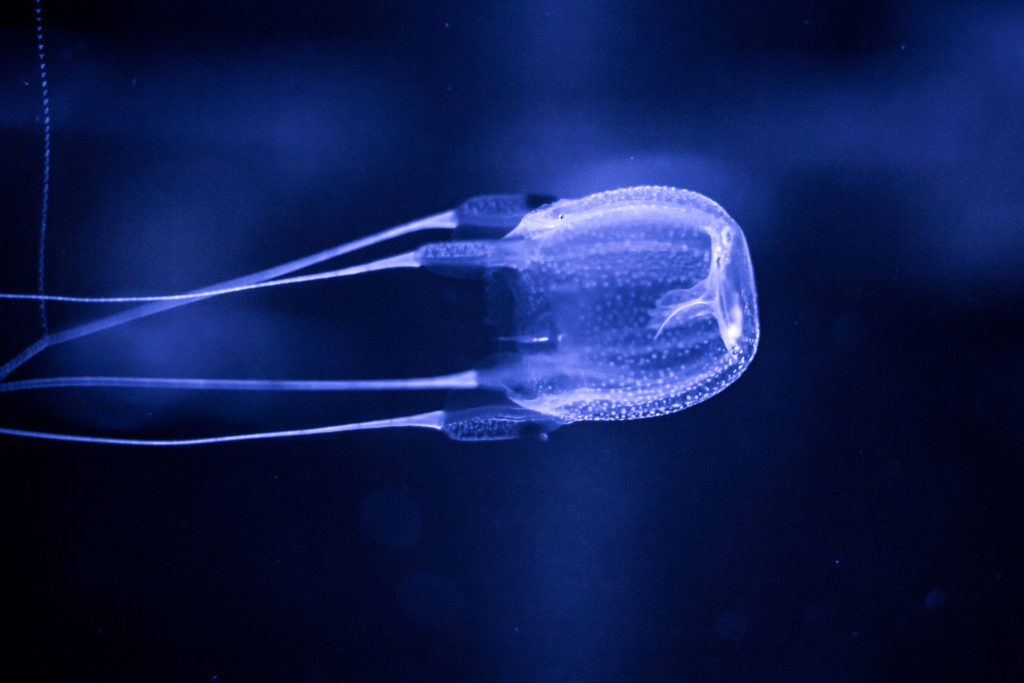
Several species of box jellyfish inhabit tropical and subtropical waters around the world, with the highest concentration found near Australia, the Philippines, Hawaii, and parts of Southeast Asia. Nearly transparent and ghostlike in appearance, the box jellyfish can be difficult to spot in the water, making accidental encounters especially dangerous.
Despite its delicate look, this animal is widely regarded as one of the most poisonous marine creatures on the planet. Its long tentacles are lined with thousands of microscopic stinging cells, each capable of injecting powerful toxins upon contact. These toxins attack the nervous system, heart, and skin simultaneously, often causing intense pain, cardiac arrest, and shock.
Victims stung by box jellyfish frequently experience immediate agony, followed by rapid loss of muscle control. In severe cases, individuals may drown before reaching shore. Survivors often suffer long-term scarring, with pain that can persist for weeks or even months after the initial sting.
Stonefish (Synanceia)
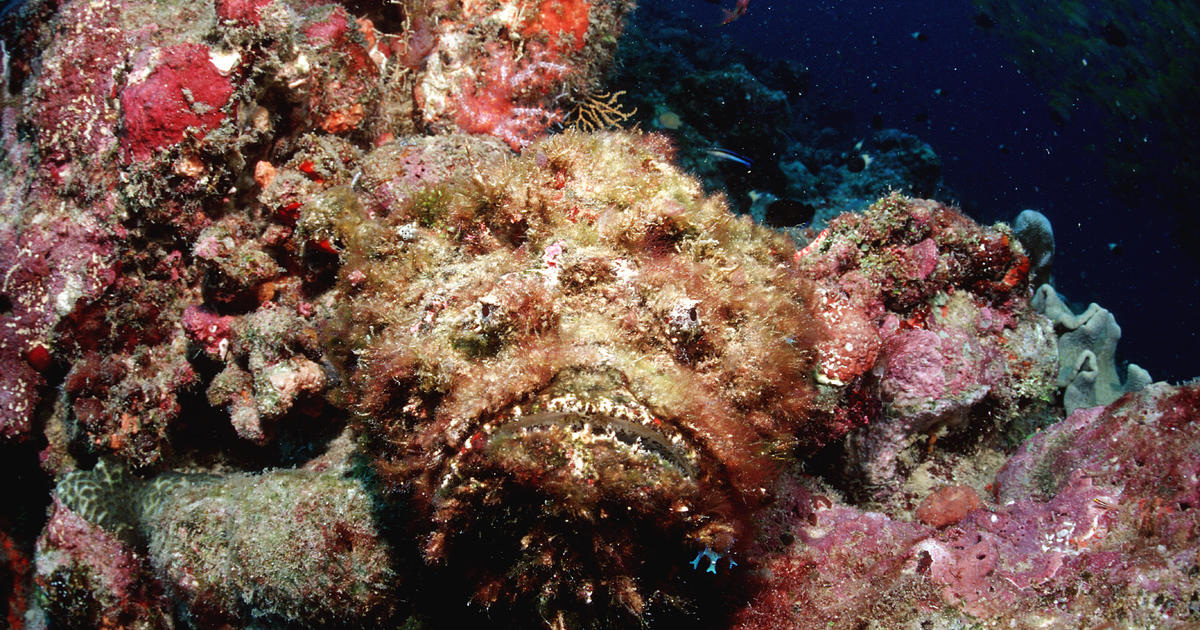
Stonefish are masters of disguise, blending seamlessly into coral reefs, rocky seabeds, and sandy ocean floors throughout the Indo-Pacific region. Their rough, uneven appearance closely resembles rocks or coral, allowing them to remain hidden from both predators and unsuspecting humans.
The danger of the stonefish lies in the sharp spines along its dorsal fin. At the base of each spine is a gland that releases a powerful neurotoxin when pressure is applied, such as when someone accidentally steps on the fish. Unlike many other marine toxins, stonefish poison can act extremely quickly.
Symptoms include excruciating pain, swelling, tissue damage, paralysis, and in severe cases, heart failure. Without prompt treatment, a stonefish sting can be fatal within an hour. Because they often rest motionless in shallow waters, stonefish are considered one of the most hazardous animals for swimmers and divers in tropical regions.
Blue-Ringed Octopus
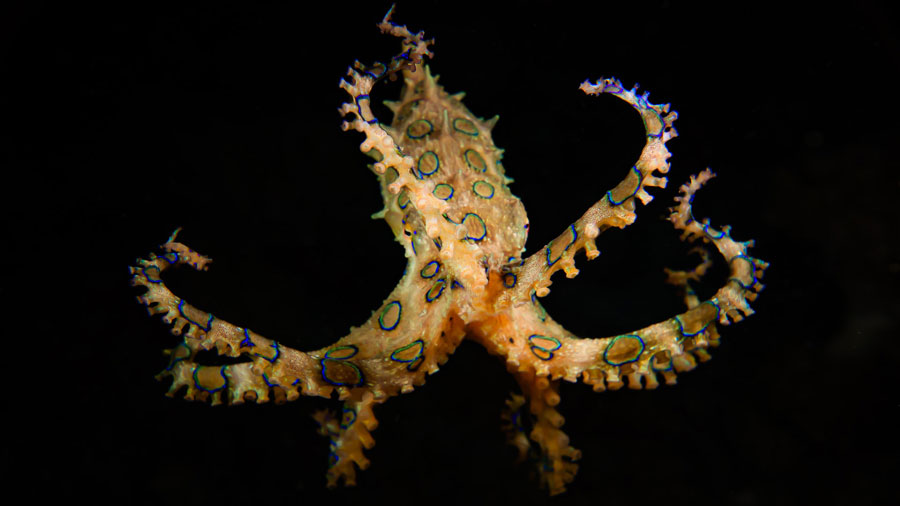
The blue-ringed octopus may be small enough to fit in the palm of a hand, but it carries enough poison to kill multiple adult humans. Found in tidal pools and shallow reefs around Australia and Japan, this octopus is instantly recognizable by the bright blue rings that appear across its body when threatened.
These vivid markings serve as a warning signal. The toxin produced by the blue-ringed octopus is tetrodotoxin, one of the most powerful neurotoxins known. It is released through saliva during a bite, which is often painless and may go unnoticed at first.
Once inside the body, the toxin rapidly shuts down nerve signals, leading to paralysis and respiratory failure. There is no antivenom, and survival depends entirely on immediate medical intervention and assisted breathing until the toxin is metabolized by the body.
Beaked Sea Snake (Enhydrina schistosa)
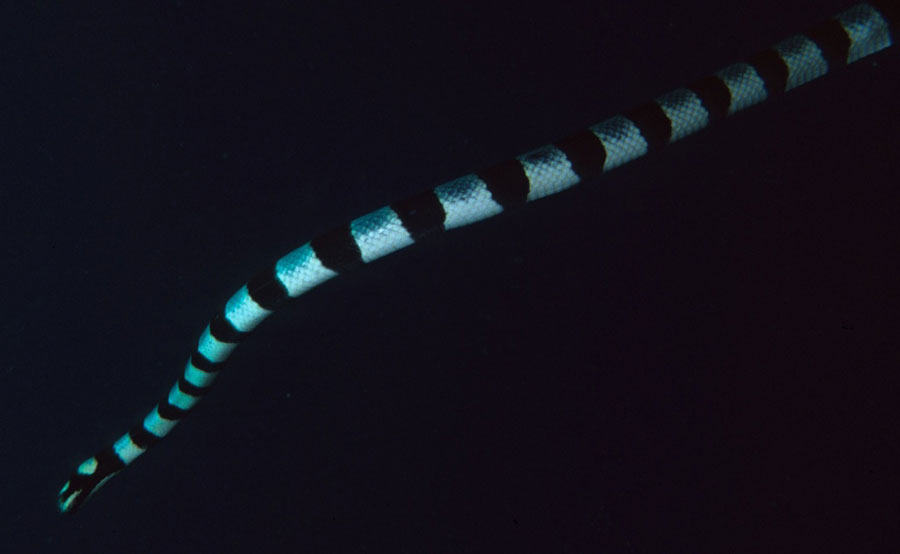
The beaked sea snake, also known as the hooked-nosed sea snake, inhabits coastal waters of the Indian Ocean, the Arabian Sea, and parts of Southeast Asia. Unlike many land snakes, this species is fully adapted to marine life, capable of diving deep and remaining underwater for hours while hunting fish.
Though generally non-aggressive, the beaked sea snake possesses extremely potent venom. Even small amounts are sufficient to cause severe muscle damage, paralysis, and death if left untreated. The venom primarily targets muscle tissue, leading to breakdown and eventual organ failure.
These snakes are often caught accidentally in fishing nets, where defensive bites can occur. Because symptoms may take time to fully develop, victims sometimes underestimate the seriousness of the bite, delaying treatment with fatal consequences.
Marbled Cone Snail (Conus marmoreus)
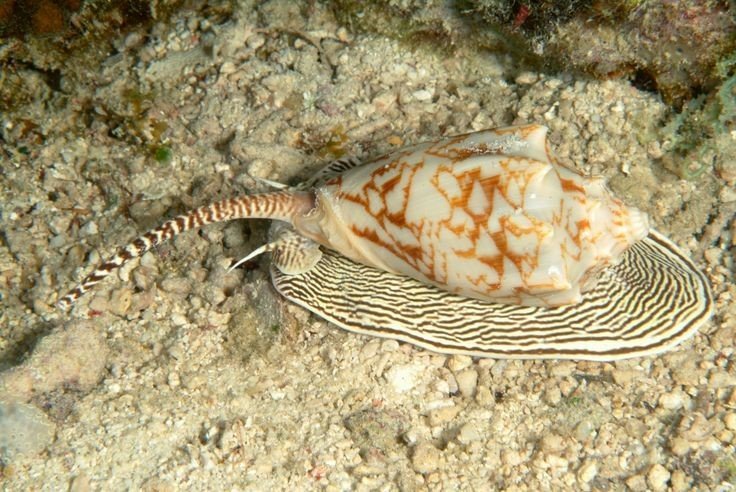
At first glance, the marbled cone snail appears harmless, even beautiful. Its intricately patterned shell often attracts beachcombers and divers who mistake it for an ordinary seashell. In reality, it is one of the most dangerous mollusks in the ocean.
This snail hunts using a specialized, harpoon-like structure that fires a hollow tooth loaded with a cocktail of neurotoxins. The strike is fast and precise, instantly paralyzing prey such as small fish. The same mechanism can be used defensively against humans.
A sting from a marbled cone snail can cause paralysis, respiratory failure, and death. There is no antivenom, and treatment focuses on managing symptoms until the toxins wear off. For this reason, experienced divers are taught never to handle cone snails, no matter how attractive they appear.
Portuguese Man O’ War (Physalia physalis)
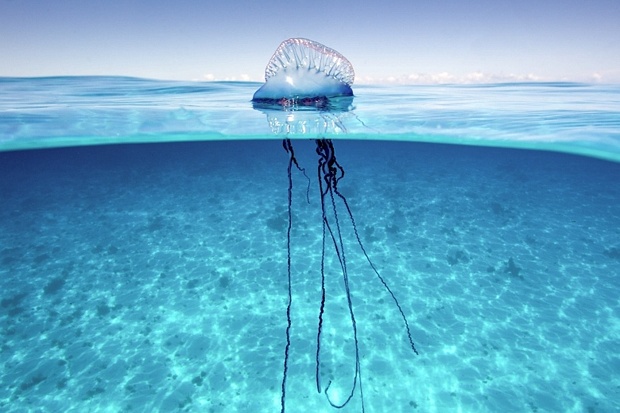
Often mistaken for a jellyfish, the Portuguese man o’ war is actually a siphonophore—a colony of specialized organisms working together as a single entity. Its gas-filled float sits on the surface of the ocean, while long tentacles trail beneath, sometimes stretching over 100 feet.
These tentacles are armed with venom-filled stinging cells capable of delivering extremely painful stings. While fatalities in humans are rare, the pain can be intense, and severe allergic reactions or complications are possible.
Even dead specimens washed up on beaches remain dangerous, as their stinging cells can still inject venom. This makes the Portuguese man o’ war a hazard not only in the water but also along coastlines.
Pufferfish
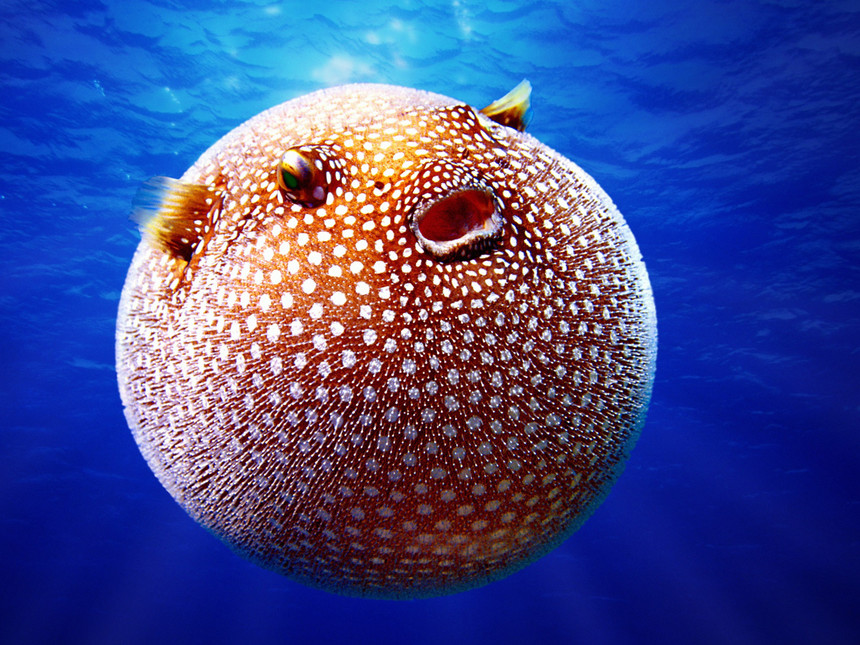
Pufferfish are well known for their ability to inflate their bodies when threatened, transforming into near-spherical shapes that deter predators. Many species also possess spines, further discouraging attack. However, their true danger lies beneath the surface.
Pufferfish contain tetrodotoxin in their organs, skin, and sometimes muscle tissue. This toxin is among the most lethal naturally occurring substances, far more potent than cyanide. Ingestion can lead to paralysis, respiratory failure, and death.
Despite this risk, pufferfish are considered a delicacy in Japan, where specially trained and licensed chefs prepare the dish known as fugu. Even a minor mistake in preparation can be fatal, highlighting just how dangerous these fish truly are.
Striped Pyjama Squid (Sepioloidea lineolata)
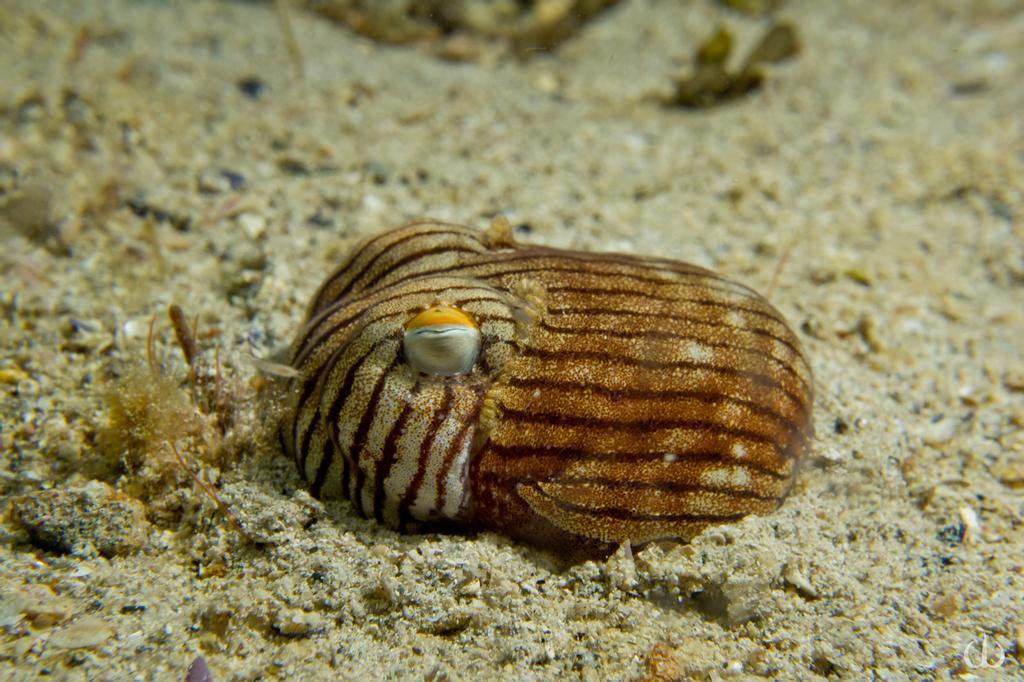
The striped pyjama squid is a small but striking cephalopod found in shallow coastal waters of southern Australia. Its bold black-and-white stripes serve as a warning signal to predators, advertising its toxicity.
Unlike most squids, this species is poisonous rather than venomous. Glands beneath its skin produce toxic saliva containing tetrodotoxin, making it extremely dangerous to consume. Predators that ignore the warning colors often pay the price.
These squids spend much of their time partially buried in sand or mud, emerging at night to hunt small crustaceans. Their rarity, combined with their unusual defense strategy, makes them one of the ocean’s most fascinating poisonous animals.
Together, these creatures illustrate how poison has shaped life beneath the waves. In a world where escape is not always possible, chemical defenses have become some of the most effective tools for survival, turning even the smallest and most fragile animals into formidable threats.