

The modern world is full of invisible threats that quietly work their way into the body. Toxic substances are no longer limited to industrial accidents or rare exposures. They exist in everyday food, the air we breathe, household products, cosmetics, and even electronics we use daily. Chemicals such as pesticides, heavy metals like mercury, and other contaminants gradually accumulate inside the body and can interfere with normal biological processes. Over time, this buildup may contribute to fatigue, metabolic problems, inflammation, and a wide range of chronic health issues triggered by long-term exposure
Supporting the body’s natural detoxification systems does not require extreme cleanses or dangerous methods. The liver, kidneys, digestive system, lungs, and skin already work nonstop to filter and remove harmful substances. What matters is giving these systems the right conditions to function efficiently. Small, practical lifestyle changes can significantly reduce toxic load and help the body clear what does not belong there. The following approaches focus on everyday habits that quietly assist detox processes without forcing the body into stress.
11. Enjoy a glass of red wine in moderation
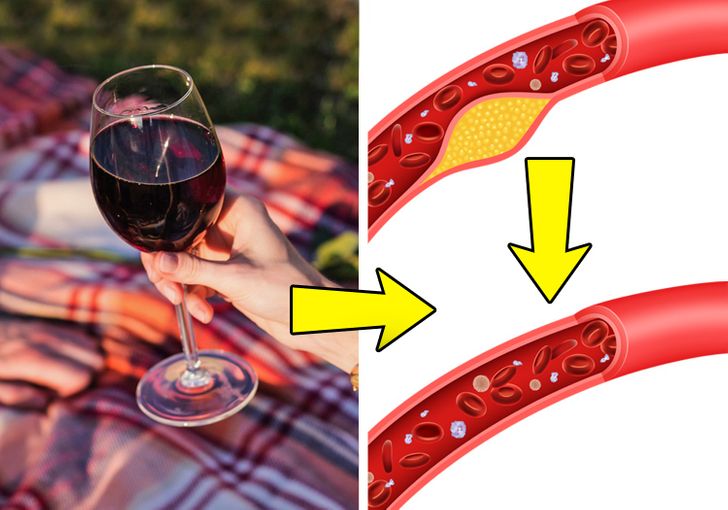
Using alcohol as part of a detox strategy may sound counterintuitive at first. However, when consumed responsibly, red wine contains compounds that can support cardiovascular health and cellular protection. The key factor is moderation. A single glass of red wine provides antioxidants such as resveratrol, which may help combat oxidative stress caused by toxins circulating in the bloodstream.
Research has linked moderate red wine consumption to improved cholesterol balance, particularly by increasing beneficial HDL cholesterol. This shift supports blood vessel health and may reduce inflammation associated with toxic buildup. Some studies also suggest mild antibacterial effects that can help the urinary tract defend itself against harmful microorganisms.
It is important to emphasize restraint. Excessive alcohol places additional strain on the liver, which is already responsible for filtering toxins. One small glass with a meal is enough to provide benefits without overwhelming detox organs.
10. Support detox with activated charcoal
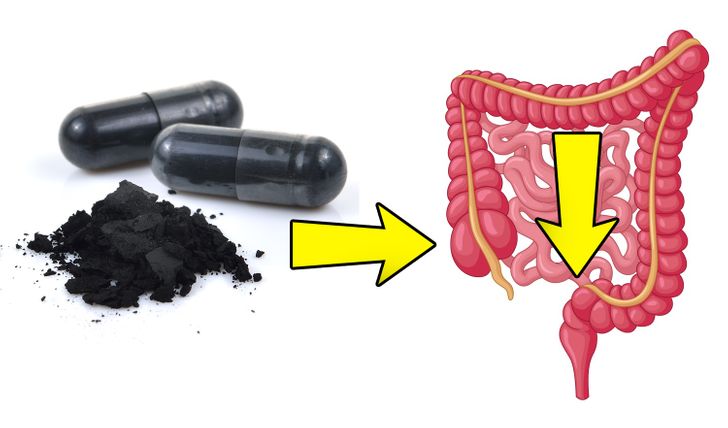
Activated charcoal is not ordinary charcoal. It is created by heating organic materials such as wood or coconut shells in a low-oxygen environment, producing an extremely porous substance. These microscopic pores give activated charcoal a powerful ability to bind unwanted compounds before they are absorbed into the bloodstream.
Inside the digestive tract, activated charcoal can attach to toxins, heavy metals, and certain chemicals, allowing them to pass through the body rather than entering circulation. This is why it is commonly used in emergency medicine for certain types of poisoning.
For everyday use, activated charcoal is sometimes taken before meals or social events involving alcohol. Timing matters, since charcoal can also bind nutrients and medications. It should never be taken at the same time as prescriptions or supplements unless advised by a healthcare professional.
9. Hydrate generously throughout the day
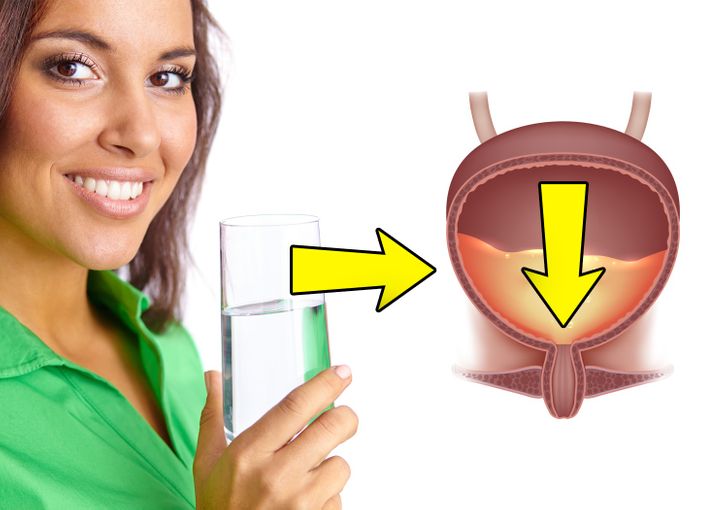
Water is one of the most effective and underestimated detox tools available. The kidneys rely on adequate hydration to filter waste products from the blood and excrete them through urine. When water intake is too low, toxins can linger longer in the body, increasing strain on detox organs.
Consistent hydration helps flush out water-soluble toxins while supporting digestion, circulation, and temperature regulation. Drinking steadily throughout the day is more effective than consuming large amounts at once.
A simple detox-supporting drink can be made by adding two tablespoons of organic apple vinegar to a gallon of water. Sipping this mixture in the morning may gently stimulate digestion and assist the body’s elimination pathways without harsh effects.
8. Reduce refined sugar and artificial sweeteners
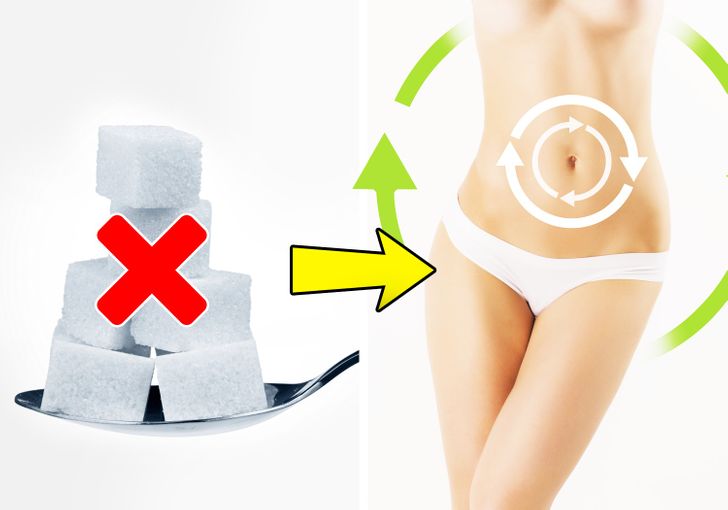
Refined sugars and synthetic sweeteners interfere with normal metabolic balance. When consumed frequently, they contribute to blood sugar spikes, insulin resistance, and excess fat storage. This metabolic disruption makes it harder for the body to process and eliminate toxins efficiently.
High sugar intake can also promote inflammation and encourage the growth of harmful gut bacteria, weakening the digestive system’s detox role. Over time, this creates a cycle where cravings increase while detox efficiency declines.
Replacing refined sugar with natural alternatives such as raw honey, maple syrup, or minimally processed brown sugar helps stabilize blood glucose levels. As the body adjusts, cravings may temporarily intensify, often signaling that excess sugar is being cleared from the system.
7. Choose organic foods whenever possible

Organic produce and animal products are grown without synthetic pesticides, chemical fertilizers, growth hormones, or routine antibiotics. This difference matters more than many people realize. Conventional farming methods often leave trace chemical residues on fruits, vegetables, and meat, which slowly accumulate in the body over time.
By eating organic, you reduce the toxic burden placed on the liver and kidneys, allowing these organs to focus on eliminating existing waste rather than constantly processing new contaminants. Organic foods also tend to contain higher levels of beneficial nutrients, which support enzyme activity involved in detoxification.
If switching fully to organic feels unrealistic, prioritizing certain foods can still make a difference. Leafy greens, berries, apples, and animal products are often worth choosing organic first. Growing herbs or vegetables at home, even indoors, can further reduce exposure while reconnecting you with the source of your food.
6. Improve indoor air quality

Toxins do not stop at the front door. Outdoor pollution, household chemicals, cleaning products, and even furniture materials can release harmful particles into indoor air. Since most people spend a large portion of their time indoors, poor air quality can significantly increase toxic exposure.
Using an air purifier helps remove dust, allergens, chemical vapors, and fine particles that enter through open windows or ventilation systems. Regular cleaning also plays an important role. Wet mopping floors and wiping surfaces prevents toxins from becoming airborne again.
Even small changes, such as ventilating rooms properly and avoiding heavily fragranced products, can noticeably reduce the number of harmful substances entering the lungs and bloodstream.
5. Replace morning coffee with green tea
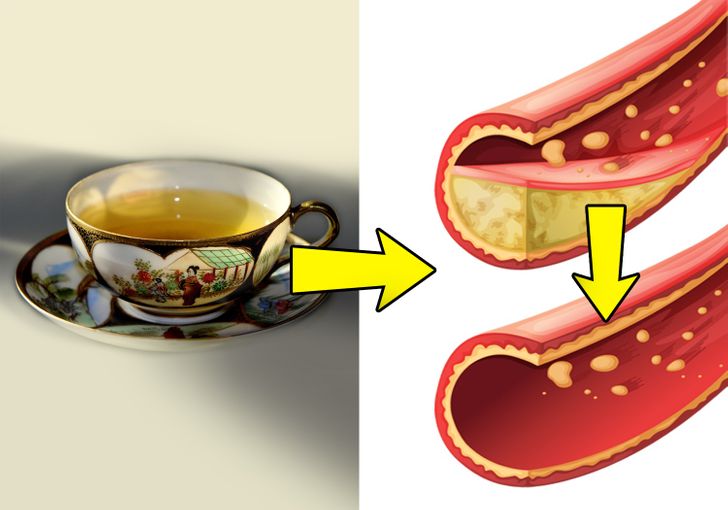
Coffee is deeply ingrained in many morning routines, but it is not always the best choice for detox support. Certain compounds in unfiltered coffee, including cafestol, may increase levels of undesirable cholesterol. Over time, this can affect cardiovascular health and place extra strain on detox systems.
Green tea offers a gentler alternative with added benefits. It contains natural antioxidants known as catechins, which help neutralize free radicals generated by toxin exposure. These compounds also support liver function, making green tea particularly valuable during detox-focused lifestyle changes.
Herbal teas provide similar benefits without caffeine, making them a suitable option for people sensitive to stimulants. Swapping coffee for tea a few mornings a week can noticeably improve hydration and metabolic balance.
4. Practice short periods of fasting

Constant eating leaves little time for the digestive system to rest. Many modern diets rely heavily on processed foods and refined carbohydrates, which contribute to toxin accumulation and metabolic stress. Occasional fasting allows the body to redirect energy toward repair and cleanup processes.
Short fasts lasting one or two days can help reset appetite signals, improve insulin sensitivity, and support natural detox mechanisms. During fasting, the body increases its reliance on stored energy and begins clearing damaged cells more efficiently.
Fasting does not mean deprivation. Drinking water, herbal teas, and electrolyte-rich fluids helps maintain balance while allowing the digestive system a break. Anyone with medical conditions should consult a healthcare professional before attempting fasting routines.
3. Sweat through sauna sessions or exercise

Sweating is one of the body’s oldest detox pathways. As sweat leaves the skin, it carries with it small amounts of heavy metals and other waste products. Regular sweating supports circulation and helps clear pores that can trap toxins.
Sauna sessions encourage deep sweating in a controlled environment. Heat exposure increases blood flow and promotes relaxation, but it is not suitable for everyone. Individuals with cardiovascular conditions or heat sensitivity should seek medical advice first.
Exercise offers a more accessible alternative. Physical activity raises body temperature naturally and stimulates sweat production while improving lymphatic drainage. Showering afterward is essential to remove toxins released onto the skin’s surface.
2. Make probiotics a daily habit
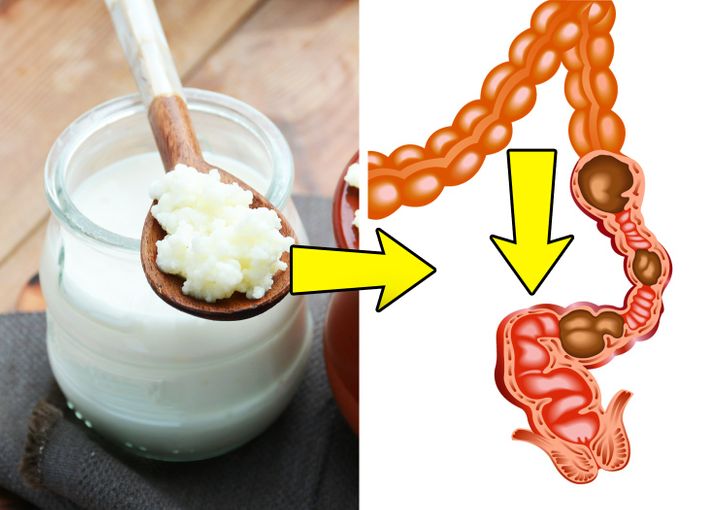
A well-functioning digestive system is one of the most important foundations of effective detoxification. The gut plays a central role in deciding which substances are absorbed into the bloodstream and which are eliminated. When the balance of bacteria in the intestines is disrupted, toxins can linger longer than they should.
Probiotics help restore and maintain healthy gut flora. These beneficial microorganisms support digestion, strengthen the intestinal barrier, and assist in breaking down waste materials before they enter circulation. A balanced gut environment also reduces inflammation, which is often triggered by toxic overload.
Probiotics can be taken as supplements, but food sources are just as valuable. Fermented foods such as kefir, plain yogurt, sauerkraut, and other cultured products introduce live bacteria that support long-term digestive health. Consuming probiotic-rich foods daily encourages smoother elimination and more efficient detox processes.
1. Learn to prepare detox-supporting smoothies

Dietary habits have a powerful influence on how effectively the body removes toxins. One of the simplest ways to support digestion and elimination is by increasing the intake of raw fruits, vegetables, and natural fiber. Smoothies make this process convenient while preserving nutrients that can be lost during cooking.
Raw fiber helps sweep waste through the digestive tract, preventing toxins from being reabsorbed. When blended with probiotic foods such as kefir or yogurt, smoothies become even more effective by combining fiber with beneficial bacteria.
Ingredients can be adjusted based on preference, but freshness matters. Leafy greens, berries, cucumbers, apples, and citrus fruits are common foundations. All ingredients should be washed thoroughly before use to avoid introducing new contaminants. Regularly consuming these blends supports steady detox without stressing the body.
Ion-water detox methods
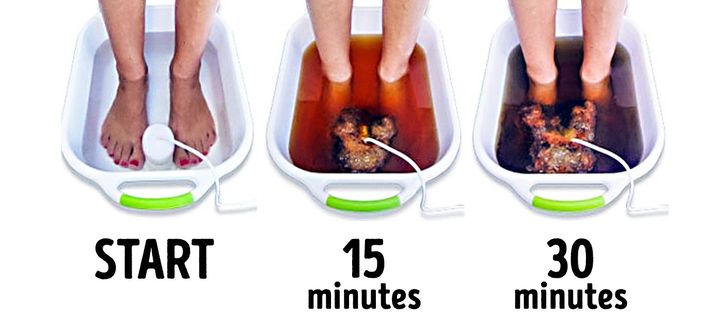
Ion-water detox is a method often offered in beauty salons, sometimes following treatments such as pedicures. The process involves soaking the feet in ionized water, which is claimed to draw toxins out of the body through the skin.
Home versions of ion-water detox devices are also available for purchase. These machines are marketed as tools for supporting detox by creating an ion exchange environment in warm water. Some users report feeling lighter or more relaxed after sessions, although scientific opinions about the actual toxin-removal mechanism remain mixed.
Any perceived benefits may be linked to improved circulation, warmth, and relaxation rather than direct extraction of toxins. For this reason, ion-water detox should be viewed as an optional complementary practice, not a replacement for proven detox-supporting habits such as proper hydration, balanced nutrition, regular sweating, and digestive health support.