

For most of human history, medicine was not built on experiments, statistics, or controlled trials. It was built on observation, tradition, and urgency. When people were sick, in pain, or dying, they reached for whatever seemed to work. Plants became the foundation of healing not because they were safe, but because they were available and powerful.
Many of these plants did exactly what healers hoped. They reduced pain, slowed bleeding, induced sleep, eased breathing, or purged the body. Those immediate effects created trust. What no one could see—at least not clearly—was the damage accumulating beneath the surface. Some plants injured organs slowly. Others disrupted the heart or nervous system with frightening precision. A few caused cancers that would not appear until years later.
By the time patterns of death became visible, generations had already suffered. These plants did not survive in medicine because they were harmless. They survived because their danger was subtle, delayed, or mistaken for something else.
Why deadly plants remained trusted for centuries
Before modern science, medicine judged success almost entirely by short-term results. If a patient felt relief, the treatment was considered effective. If the body reacted strongly—through sweating, vomiting, sleep, or sedation—that reaction itself was interpreted as healing.
Long-term harm was rarely traced back to treatment. Kidney failure, heart collapse, neurological decline, or cancer often appeared long after the original illness. Without an understanding of internal organs, cellular damage, or chemical accumulation, cause and effect were nearly impossible to connect.
Dosage made the situation worse. Medicinal plants vary enormously in strength depending on species, soil, climate, season, and preparation. A dose that calmed one patient could kill another. Without standardized measurements, medicine was guesswork wrapped in authority.
Cultural inertia completed the trap. Once a plant entered respected medical texts or religious traditions, questioning it became difficult. Healers defended remedies they had used for decades. Physicians trusted ancient authors over scattered evidence of harm. Patients trusted authority because alternatives were scarce.
This combination allowed deadly plants to remain in use long after their danger should have been obvious.

Aristolochia and the slow destruction of the kidneys
Few medicinal plants caused as much hidden damage as Aristolochia. For centuries, it was prescribed across Europe and Asia for infections, wounds, arthritis, childbirth complications, and snake bites. It was praised as a powerful purifier and appeared in respected medical writings.
The danger came from aristolochic acid.
This compound causes severe, irreversible kidney damage and dramatically increases the risk of urinary tract cancers. The damage accumulates slowly. Patients often felt no immediate harm. Kidney failure and cancer developed years later, long after treatment had ended.
Thousands of deaths have been linked to Aristolochia use. One of the most devastating modern examples occurred in the late twentieth century, when herbal mixtures containing the plant caused waves of kidney failure and cancer before regulators intervened.
Aristolochia did not become dangerous because it was misused. It was dangerous because its toxicity was invisible until it was too late.

Foxglove and the razor-thin line between cure and death
Foxglove is one of the clearest examples of how a powerful medicine can quietly become a mass killer.
The plant contains cardiac glycosides, chemicals that strengthen heart contractions. Historically, foxglove was used to treat dropsy, heart weakness, and breathing difficulties. Patients often improved quickly. Swelling reduced. Breathing eased. Physicians saw results and trusted the plant.
What they did not understand was how narrow the margin of safety truly was.
Slight overdoses cause nausea, confusion, visual disturbances, irregular heartbeat, and sudden cardiac arrest. Before modern pharmacology, controlling dosage precisely was impossible. Differences in preparation alone could turn a therapeutic dose into a lethal one.
Many deaths caused by foxglove were recorded simply as heart failure. The plant remained trusted for decades while quietly increasing mortality.

Belladonna and the danger of immediate relief
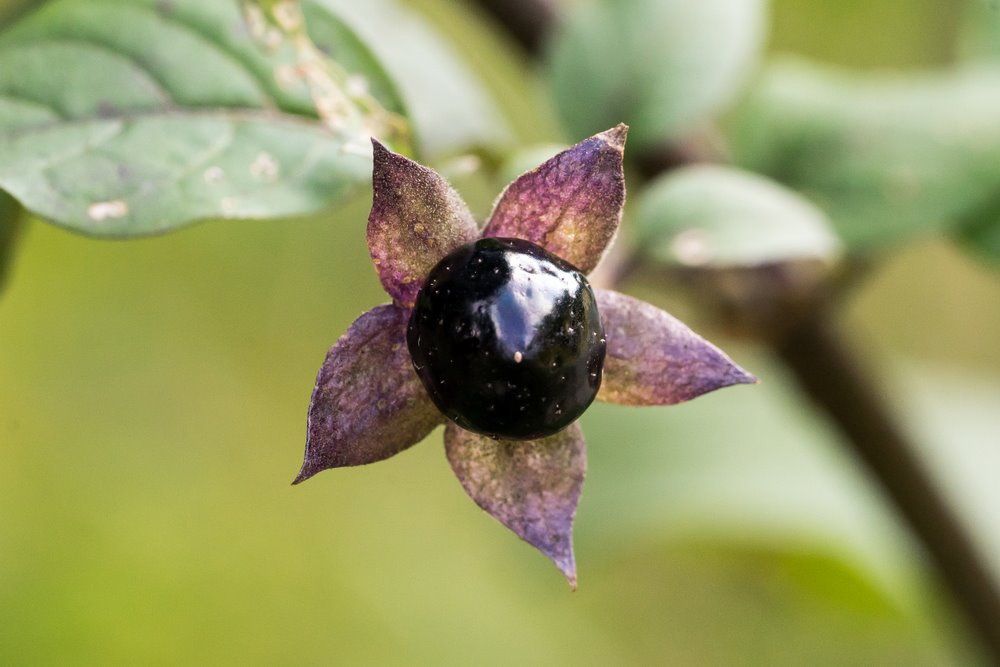
Belladonna, also known as deadly nightshade, was widely used for pain relief, muscle spasms, insomnia, and respiratory problems. It was even used cosmetically to dilate pupils, giving rise to its name, meaning “beautiful woman.”
The compounds in belladonna suppress parts of the nervous system. In small doses, they reduce spasms and secretions. In slightly higher doses, they cause hallucinations, delirium, paralysis, and respiratory failure.
Belladonna earned trust because its effects were immediate. Patients felt something happen, which reinforced belief in its power. But potency varied dramatically between plants, parts, and preparations. Children were especially vulnerable. Accidental poisonings were common, sometimes affecting entire households.
Belladonna did not disappear from medicine because it stopped working. It disappeared because its unpredictability became impossible to defend.
Aconite and fatal pain relief
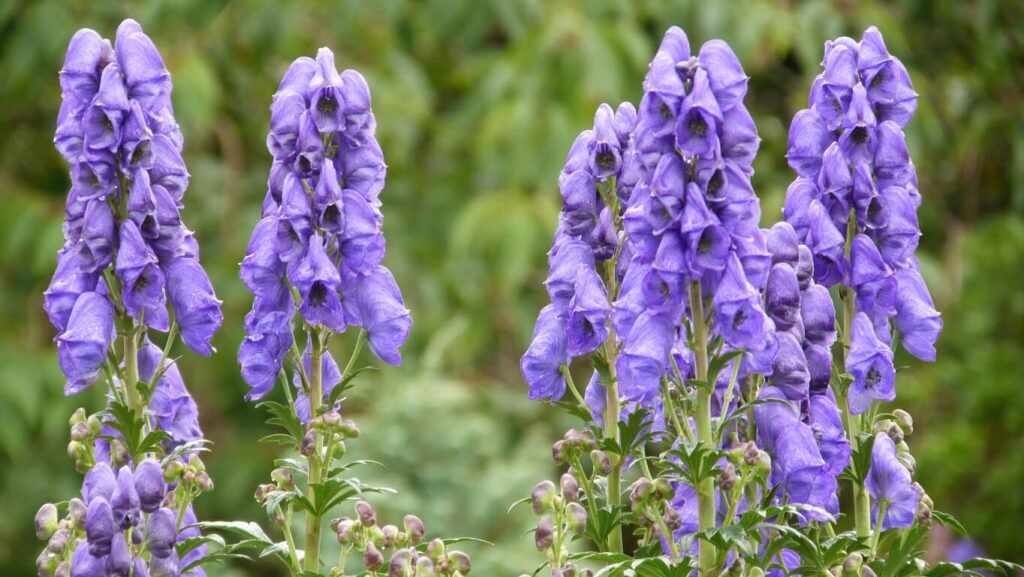
Aconite, often called monkshood or wolfsbane, was once used to treat pain, fever, and inflammation. In small amounts, it numbed nerves and dulled discomfort, making it attractive in an era with few painkillers.
Its active compounds interfere directly with nerve and heart signaling. The difference between a dose that relieves pain and one that stops the heart is dangerously small. Symptoms of poisoning include numbness, paralysis, slowed heartbeat, and sudden cardiac arrest.
Aconite poisoning was common, but often misdiagnosed. Patients collapsed hours after treatment, and deaths were attributed to illness rather than medicine. Thousands died before the plant’s risks were widely acknowledged.

Mandrake and the cost of early anesthesia
Before modern anesthesia, pain control during surgery was brutal and unreliable. Mandrake became one of the few plants capable of inducing deep sleep and unconsciousness, which made it enormously valuable. Surgeons used mandrake extracts to sedate patients during amputations, wound treatments, and other invasive procedures.
The problem was control.
Mandrake contains compounds that depress the central nervous system. At the right dose, a patient would fall asleep. At a slightly higher dose, breathing slowed or stopped entirely. There was no clear warning sign between sedation and death.
Many patients never woke up after procedures. These deaths were often accepted as the unavoidable cost of surgery rather than recognized as poisoning. Because mandrake sometimes worked, it stayed in use far longer than it should have, leaving a trail of deaths that were rarely questioned.
Ephedra and the danger of stimulation
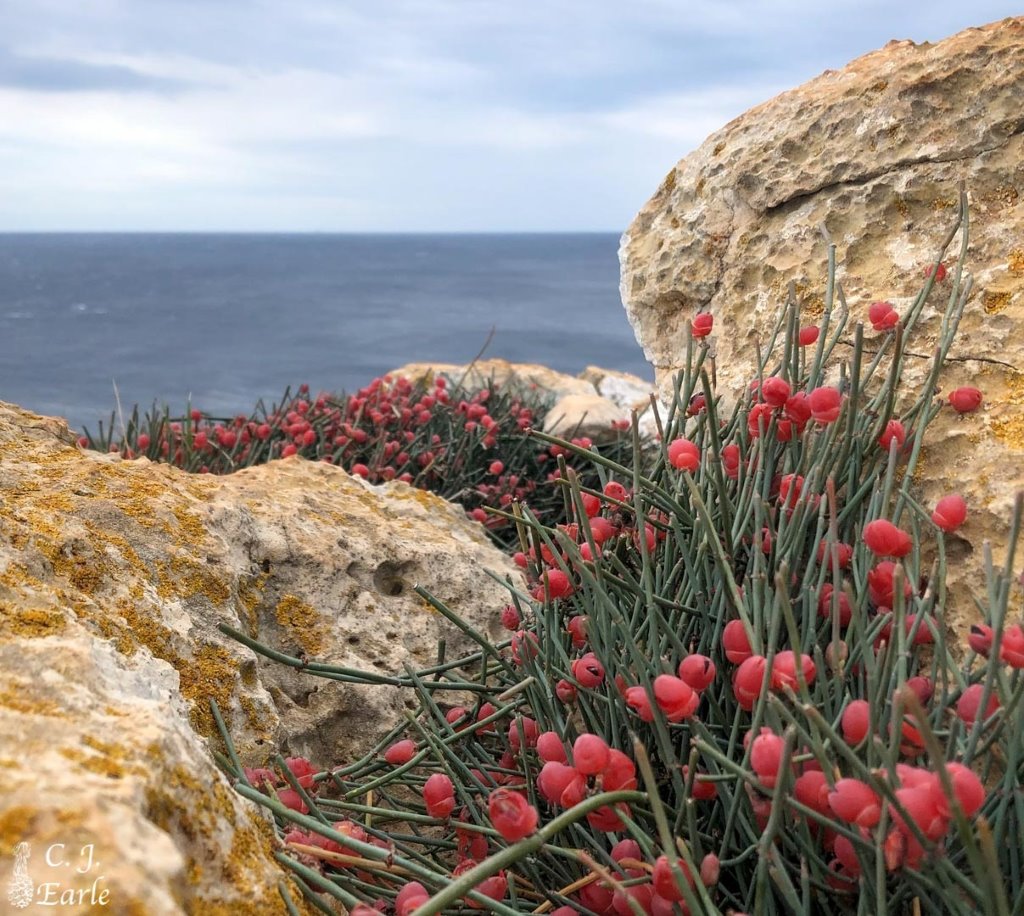
Ephedra was used for thousands of years to treat asthma, fatigue, and respiratory illness. Its stimulant properties opened airways and increased alertness, which made it feel effective almost immediately.
That same stimulation strained the heart and nervous system.
Ephedra raises blood pressure, accelerates heart rate, and increases stress hormones. Repeated use or high doses led to heart attacks, strokes, and sudden death. These effects were documented long before modern times, but they were often blamed on weakness, overexertion, or fate.
In the modern era, ephedra returned in the form of weight-loss and performance supplements. History repeated itself. Thousands suffered severe cardiovascular events before bans and restrictions were finally enforced. The plant had not changed. Only regulation had.

Tobacco and medicine’s most normalized poison
Tobacco is rarely thought of as a medicinal plant today, but for centuries it was treated as one.
Doctors prescribed it for pain, digestive problems, respiratory illness, infections, and even parasites. Tobacco smoke was inhaled, swallowed, rubbed on the skin, and administered through smoke enemas. Its immediate effects—stimulation, appetite suppression, mood alteration—were interpreted as therapeutic.
The damage was slow and cumulative.
Tobacco causes cancer, heart disease, lung failure, and vascular damage over decades. Because these outcomes were delayed, generations of physicians failed to connect tobacco use to disease. By the time the link became undeniable, tobacco had already killed millions.
Among medicinal plants, tobacco may be the deadliest of all, not because it killed quickly, but because it was trusted for so long.
Purging plants and the myth of cleansing
Many historical medical systems believed illness came from impurities. Treatments that caused vomiting, diarrhea, sweating, or excessive salivation were seen as cleansing the body.
Plants that induced these reactions were celebrated.
In reality, these responses were often signs of poisoning. Severe dehydration, electrolyte imbalance, organ failure, and death followed aggressive purging. The more violently the body reacted, the more successful the treatment was believed to be.
This belief allowed extremely toxic plants to remain in use for generations. Pain and suffering were reframed as progress. Death was blamed on disease rather than cure.
Why warning signs were ignored
The continued use of deadly medicinal plants was not just ignorance. It was structural failure.
Medical knowledge spread slowly. Case reports were incomplete. Death records were unreliable. Practitioners rarely followed patients long enough to see delayed effects. Cultural authority outweighed individual experience.
There was also professional resistance. Admitting a treatment was dangerous meant admitting years of harm. Many physicians defended remedies not because they were safe, but because abandoning them threatened their credibility.
Science eventually replaced belief with evidence, but the transition cost lives.
What modern medicine learned the hard way
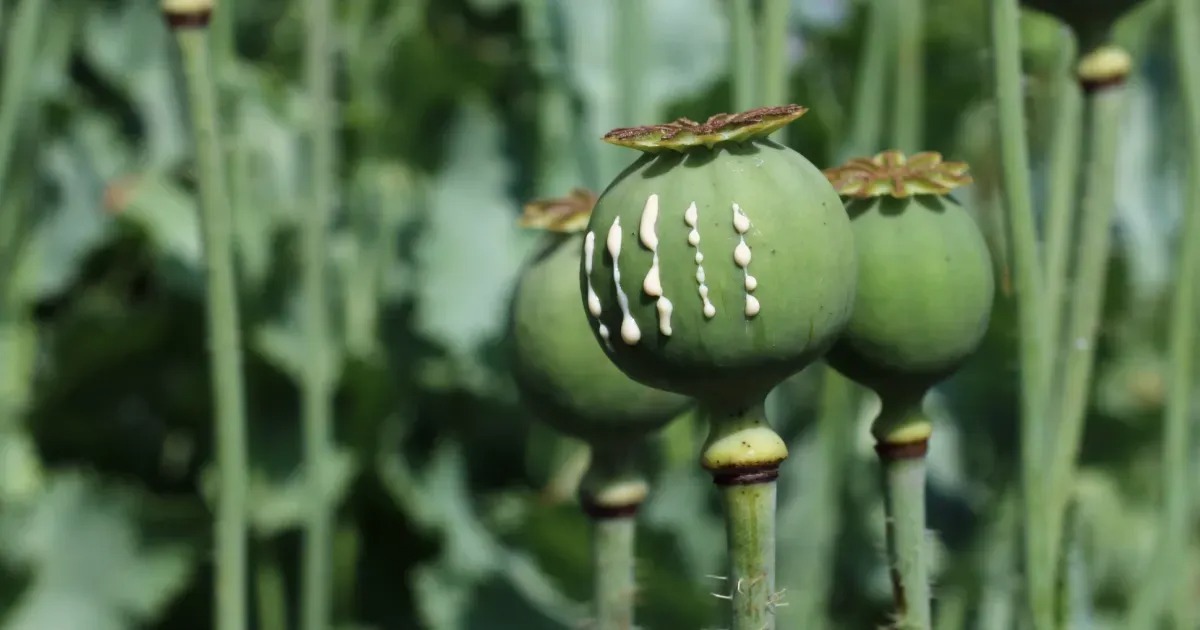
Modern medicine did not become safer by rejecting plants. Many modern drugs are still derived from them. What changed was method.
Active compounds were isolated. Dosages were measured. Side effects were tracked. Long-term studies replaced anecdote. Safety margins became mandatory rather than optional.
The plants themselves were never villains. The danger came from using powerful biological tools without understanding their mechanisms.
The enduring lesson
The history of medicinal plants is a warning, not a relic.
It shows how easily relief can be mistaken for cure, how authority can outpace evidence, and how slow harm is harder to recognize than sudden death. Even today, herbal remedies circulate with claims stronger than their data.
The line between medicine and poison has always been thin. The only thing that keeps us from crossing it again is remembering how many people already paid the price.