


Fear is one of the oldest survival tools humans possess. Long before cities, medicine, or language, fear kept our ancestors alive. It sharpened attention, accelerated reaction time, and prepared the body to fight or flee from danger. Without fear, early humans would not have survived predators, harsh environments, or rival threats.
But fear is not always precise.
In modern life, the same biological alarm system that once protected us can misfire. It can activate in situations that are not immediately life-threatening. And when fear escalates into panic, the very system designed to preserve life can begin to undermine it.
Understanding what fear does to the body — and how panic can become deadly — requires looking at physiology, psychology, and the thin line between adaptive response and destructive overload.
The Biology of Fear: Fight or Flight
When the brain perceives danger, the amygdala — an almond-shaped structure deep inside the brain — sends a distress signal to the hypothalamus. This activates the sympathetic nervous system.
Within seconds:
-
Adrenaline surges into the bloodstream.
-
Heart rate increases.
-
Breathing becomes rapid and shallow.
-
Blood is redirected from the digestive system to major muscle groups.
-
Pupils dilate.
-
Blood sugar rises for immediate energy.
This is the fight-or-flight response.
It is fast, automatic, and powerful. In real emergencies — such as escaping a fire or avoiding a speeding vehicle — this surge of energy improves survival.
The problem arises when the threat is misjudged, prolonged, or amplified by the mind.

What Happens Inside the Body During Intense Fear
Fear affects nearly every organ system.
The Heart
Heart rate increases to pump oxygen-rich blood to muscles. Blood pressure rises. For healthy individuals, this is usually temporary and manageable.
However, in people with underlying heart conditions, sudden adrenaline surges can trigger arrhythmias, heart attacks, or stress-induced cardiomyopathy — sometimes called “broken heart syndrome.”
Severe emotional shock has been linked to fatal cardiac events.
The Lungs
Breathing becomes rapid. This is meant to increase oxygen intake.
But when breathing becomes too fast — hyperventilation — carbon dioxide levels drop. This can cause:
-
Dizziness
-
Tingling in hands and face
-
Chest tightness
-
Lightheadedness
Ironically, these sensations often intensify fear, creating a feedback loop.
The body feels like it is suffocating, even though oxygen levels are normal.
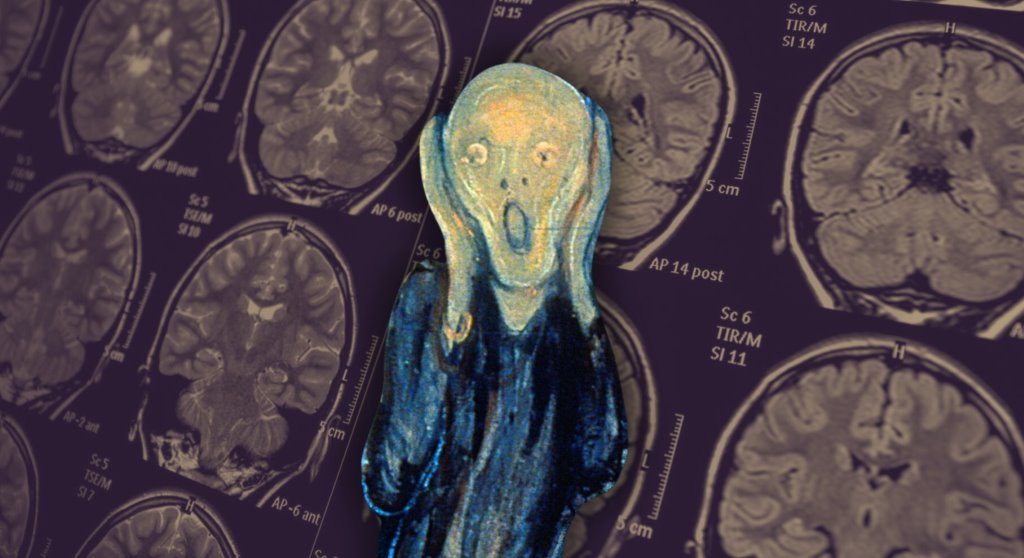
The Brain
High adrenaline narrows attention. Peripheral awareness decreases. This is useful when escaping danger but dangerous when calm decision-making is required.
The prefrontal cortex — responsible for rational thought — becomes less dominant. The emotional brain takes over.
In panic, judgment deteriorates.
People may:
-
Run in the wrong direction
-
Make impulsive decisions
-
Ignore escape routes
-
Freeze completely
Fear hijacks cognition.
When Fear Turns Into Panic
Fear is proportional to threat. Panic is amplification beyond control.
Panic often includes:
-
Intense chest pain
-
Shortness of breath
-
Sweating
-
Trembling
-
Feeling of impending death
In crowds, panic spreads socially. One person’s fear can trigger collective reaction. Stampedes have killed hundreds during fires, religious gatherings, and sporting events — not because exits were unavailable, but because panic collapsed orderly escape.
The body’s survival system, when multiplied across many individuals, can create deadly chaos.

How Panic Can Kill Directly
Panic can contribute to death in several ways.
Cardiac Events
Extreme fear can trigger fatal arrhythmias in vulnerable individuals. Sudden emotional shock has been associated with acute cardiac events.
Respiratory Collapse
Severe hyperventilation can cause fainting. In dangerous environments — near water, cliffs, or traffic — loss of consciousness can be fatal.
Stress Hormone Overload
Sustained high levels of stress hormones like cortisol weaken the immune system and strain cardiovascular health over time. While not instantly lethal, chronic stress contributes to long-term mortality risk.
Poor Decision-Making
In disasters, panic often kills indirectly.
People may:
-
Rush toward blocked exits
-
Abandon flotation devices
-
Ignore safety instructions
-
Attempt risky shortcuts
The biological impulse to escape overrides strategic thinking.
The Freeze Response: When Fear Paralyzes
Not all fear produces action.
Some individuals experience tonic immobility — a temporary paralysis response. This is an ancient survival mechanism observed in animals when escape seems impossible.
In modern contexts, freezing during emergencies can delay critical movement.
The body shuts down motion in an attempt to avoid detection — but in fires, floods, or collapsing structures, immobility can be fatal.
Fear is not always explosive. Sometimes it is immobilizing.
Why Fear Feels So Convincing
Fear is persuasive because it feels urgent.
The body sends powerful signals: racing heart, shaking limbs, tight chest. These sensations convince the brain that danger must be immediate.
The problem is that the body cannot easily distinguish between physical and psychological threat. A perceived threat can trigger the same cascade as a real one.
Public speaking, turbulence on airplanes, medical test results — these can activate similar biological responses.
The alarm system is ancient. The modern world is new.
Fear Is Not the Enemy
It is important to understand that fear itself is not harmful. It is protective.
The issue arises when fear escalates without regulation.
Training, preparation, and controlled breathing techniques can interrupt the panic cycle. Military training, firefighter drills, and survival instruction emphasize repetition under stress precisely to prevent panic from taking control.
When the brain has rehearsed a response, fear becomes energy rather than chaos.
When Panic Becomes Deadlier Than the Threat
In many disasters, the initial danger is only part of the story. What follows — confusion, fear, and mass reaction — often multiplies casualties.
Crowd disasters are one of the clearest examples. During fires in nightclubs or stadiums, people have rushed toward familiar exits rather than the nearest available ones. Bottlenecks form. Pressure builds. Individuals fall and are trampled. Oxygen becomes scarce.
In several historical stampedes, the number of people crushed or suffocated far exceeded those directly harmed by the original trigger.
The threat was real — but panic transformed it into catastrophe.
The Physiology of Mass Panic
Fear spreads quickly in groups. Humans are highly sensitive to social cues. When one person runs, others assume danger must be imminent.
In crowded spaces, individual reasoning is overridden by herd behavior. Adrenaline surges collectively. The crowd moves as a single force rather than as individuals.
Under extreme compression, bodies can no longer expand their lungs to breathe. This leads to compressive asphyxia — death not from trampling, but from inability to inhale.
The tragedy is not only physical force, but the rapid breakdown of coordinated movement.
Panic in Survival Situations
In wilderness emergencies, panic can quietly sabotage survival.
A lost hiker who begins running through unfamiliar terrain may become further disoriented. Rapid breathing accelerates dehydration. Energy drains quickly.
Swimmers caught in rip currents often panic and attempt to fight the current directly. Exhaustion follows within minutes. Those who survive are often the ones who remain calm enough to float and swim parallel to shore.
In avalanches, panic can cause climbers to waste oxygen shouting continuously instead of conserving air and creating breathing space.
The body demands immediate action. Survival sometimes demands stillness.
Fear-Induced Cardiac Events
Extreme emotional shock has been linked to sudden cardiac death in susceptible individuals.
There is a condition known as stress-induced cardiomyopathy, sometimes called Takotsubo syndrome or “broken heart syndrome.” It mimics heart attack symptoms and is triggered by intense emotional stress.
While many recover, severe cases can become fatal.
Additionally, adrenaline surges can destabilize heart rhythms in people with underlying cardiovascular disease.
In rare cases, intense fear alone — without physical trauma — has preceded cardiac collapse.
The heart is not designed for prolonged high-voltage emotion.

The Freeze Response in Real Emergencies
While panic involves explosive reaction, freezing involves paralysis.
During fires, some individuals fail to move even when escape routes are available. In violent situations, victims may report being unable to scream or run.
The freeze response is deeply wired into the nervous system. It evolved in prey species as a last-resort survival mechanism.
In modern emergencies, however, freezing can delay escape during critical seconds.
Training can reduce freeze responses by replacing uncertainty with practiced action.
How to Interrupt Panic
Panic feels uncontrollable — but it can be regulated.
Controlled Breathing
Slow, deliberate breathing counters hyperventilation. Inhale for four seconds, hold briefly, exhale slowly. This stabilizes carbon dioxide levels and reduces dizziness.
Narrow the Focus
Instead of thinking about the entire situation, focus on one immediate action: open the door, move to higher ground, apply pressure to bleeding.
Breaking chaos into steps reduces cognitive overload.
Verbal Self-Instruction
Clear internal commands — “Stop. Breathe. Move left.” — can restore executive control from the emotional brain.
Rehearsal
Training under simulated stress reduces shock response. Fire drills, first aid courses, and survival training create mental templates. When real emergencies occur, the brain recognizes patterns rather than reacting blindly.
Preparedness converts fear into direction.
The Role of Leadership in Crisis
In group emergencies, calm leadership dramatically reduces casualties.
Clear instructions prevent crowd bottlenecks. Confident voice tone slows panic spread. Visible authority provides psychological anchoring.
Airplane crews, firefighters, and military units train to project calm precisely because emotional regulation spreads socially, just as panic does.
Fear is contagious — but so is composure.
Fear Is Necessary — Panic Is Optional
Fear sharpens the senses and mobilizes the body. It is an evolutionary ally.
Panic, however, is fear amplified beyond function. It overrides reasoning, distorts perception, and accelerates physiological strain.
The difference between fear and panic often determines survival.
Understanding the body’s response to threat is not about eliminating fear. It is about recognizing its signals early and managing them before escalation.
In high-stakes environments — whether in nature, disaster, or sudden emergency — the greatest threat is sometimes not the external danger, but the internal surge of uncontrolled reaction.
When fear is harnessed, it fuels action.
When panic takes over, it can turn a survivable event into a fatal one.