


History is full of warnings. Collapsed bridges, failed financial systems, wars sparked by pride, pandemics mishandled, environmental disasters ignored until too late. We document them. We build memorials. We write books titled “Lessons Learned.” And yet, decades later, a similar pattern unfolds again.
It is tempting to assume that human progress automatically prevents repetition. We have better technology, more data, and instant communication. We can analyze past catastrophes in microscopic detail. So why do we keep making the same fatal errors?
The answer is not ignorance. Often, we know the risks. The answer lies deeper — in psychology, social structure, memory, power, and the way the human brain processes danger.
The Illusion of “It Won’t Happen to Us”
One of the strongest cognitive biases humans possess is optimism bias — the belief that negative outcomes are more likely to happen to others than to ourselves.
Communities living near coastlines often rebuild after devastating hurricanes. Cities reconstruct on fault lines after earthquakes. Investors return to risky financial behavior after market crashes.
Each generation quietly believes it is smarter than the last.
After the 2008 global financial crisis, reforms were introduced worldwide. Yet within years, risk-taking behavior returned in new forms. After major pandemics in history, public health systems expanded — only to become underfunded decades later when the threat felt distant.
Optimism bias reduces anxiety in daily life. But it also lowers caution in high-risk environments.
Short-Term Thinking vs. Long-Term Consequences
Human brains evolved to prioritize immediate survival and reward. For most of our evolutionary history, the future meant days or weeks — not decades.
Modern risks, however, unfold over years.
Climate change, infrastructure decay, antibiotic resistance — these are slow-building crises. Because the consequences are gradual, urgency fades. Politicians prioritize short election cycles. Corporations prioritize quarterly earnings. Individuals prioritize present comfort over future danger.
The brain discounts distant threats. Immediate benefits feel real. Future costs feel abstract.
This temporal mismatch drives repeated large-scale mistakes.
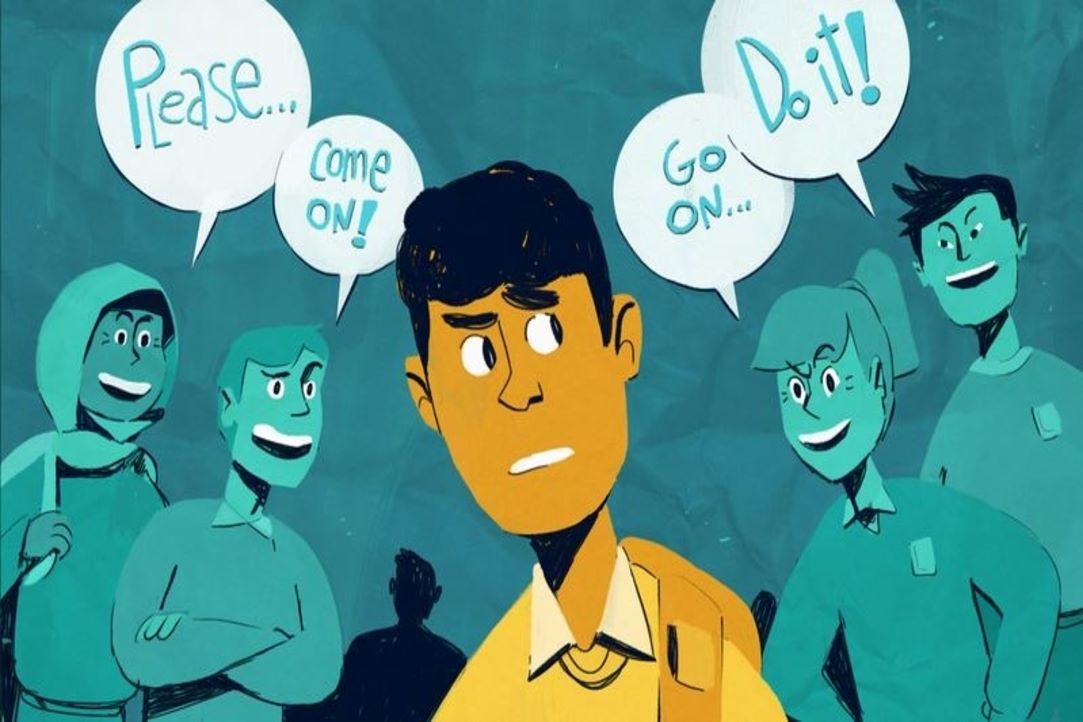
Groupthink and Social Pressure
Deadly decisions are rarely made alone.
In corporate boardrooms, military strategy rooms, and government councils, dissent is often muted. When consensus forms around a flawed idea, individuals hesitate to challenge it.
The Challenger Space Shuttle disaster in 1986 is a classic example. Engineers had concerns about O-ring failure in cold temperatures. Those concerns were not adequately acted upon before launch. The result was catastrophic.
Groupthink suppresses warning signals. People fear appearing alarmist or disloyal. When everyone appears confident, doubt feels socially risky.
Silence becomes lethal.
Desensitization to Risk
When small warnings accumulate without immediate catastrophe, humans become desensitized.
Levees hold — until they don’t. Minor system failures are patched — until one is not. Small safety violations go unnoticed — until they align.
The 1986 Chernobyl nuclear disaster involved a series of ignored safety protocols and design flaws that had been observed previously without catastrophic consequence. Familiarity bred complacency.
Repeated exposure to manageable risk lowers emotional response. We normalize danger incrementally.
The Myth of Exceptionalism
Every society tends to believe its institutions are stable and resilient — until they fail.
Before major collapses, warning signs often exist. Economic bubbles form. Political divisions deepen. Infrastructure ages. Yet many people assume “our system is different.”
This belief has preceded financial crashes, wars, and public health failures across centuries.
The myth of exceptionalism blinds populations to vulnerability.

Power, Pride, and Ego
Some deadly mistakes repeat not because of ignorance, but because of pride.
Leaders double down on flawed decisions rather than admit error. Military escalations continue to avoid perceived weakness. Corporations conceal safety issues to protect reputation.
The Titanic’s design was described as “unsinkable.” Safety warnings about iceberg regions were received but not prioritized. Confidence turned to tragedy.
Ego resists retreat. Admitting risk can feel like admitting weakness.
Generational Memory Fades
Collective memory has a shelf life.
Those who lived through devastating wars or pandemics carry visceral understanding of risk. Their grandchildren inherit stories, not trauma.
As firsthand witnesses disappear, urgency softens. What once felt unimaginable becomes theoretical.
After the 1918 influenza pandemic killed tens of millions, global attention to pandemic preparedness gradually waned. A century later, the world faced similar systemic vulnerabilities again.
Human memory is short compared to historical cycles.
Technology Creates New Versions of Old Errors
Even when we avoid repeating the exact same mistake, we often replicate its structure in a modern form.
Financial speculation evolves into new instruments. Political propaganda adapts to digital platforms. Surveillance expands through new technologies.
The pattern remains: overconfidence in new systems, underestimation of systemic risk.
Innovation outpaces caution.
Emotional Decision-Making Under Pressure
In crises, fear and anger distort judgment.
After terrorist attacks, governments may implement sweeping policies quickly. After economic downturns, drastic measures may be rushed. After natural disasters, reconstruction may prioritize speed over resilience.
Emotion accelerates action — sometimes at the cost of long-term stability.
The human brain under stress defaults to fast thinking rather than analytical reasoning.
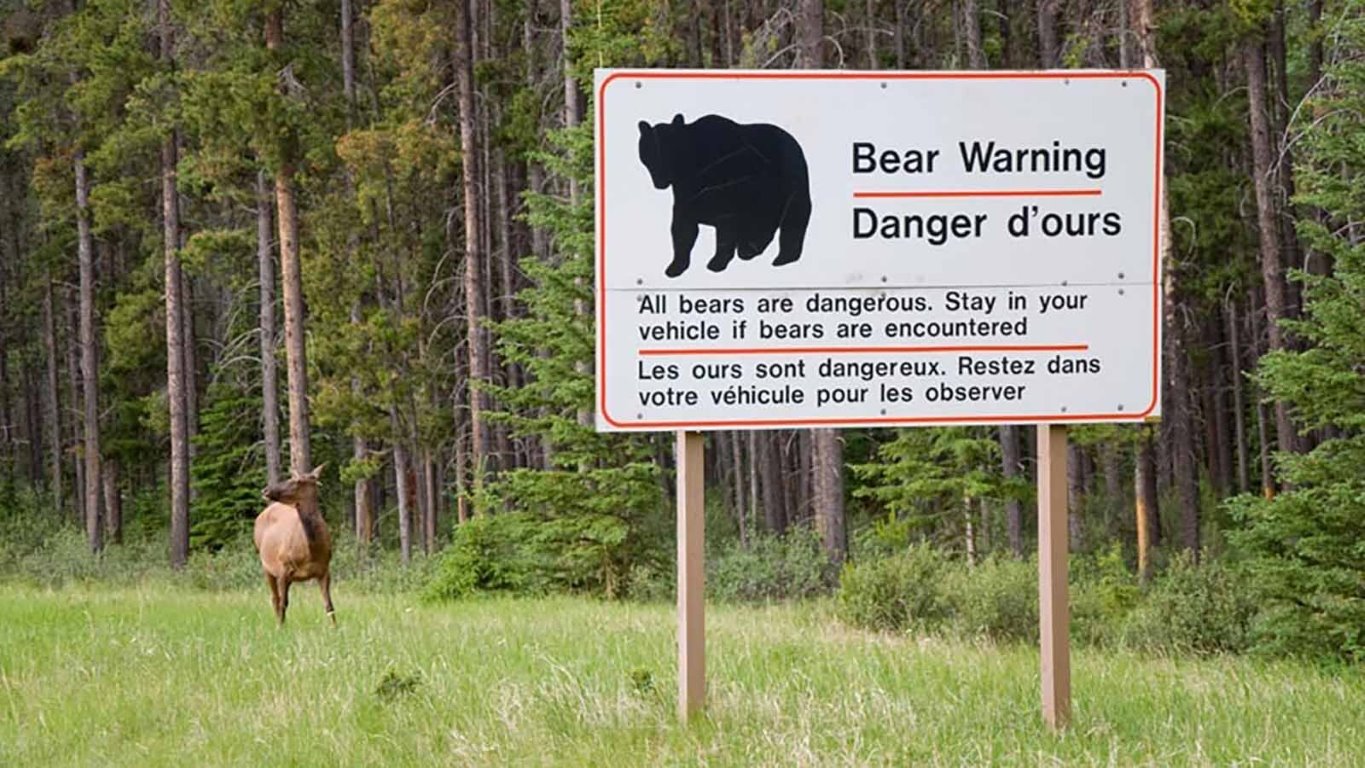
When Warnings Were Clear — and Ignored
Some of history’s deadliest outcomes were not surprises. They were preceded by reports, data, expert concerns, and visible red flags.
In 1912, multiple ice warnings were transmitted to the Titanic before it struck the iceberg. The ship maintained high speed through dangerous waters. Confidence in engineering superiority overshadowed caution.
In 1986, engineers expressed concern about the O-ring seals in the Challenger Space Shuttle under cold launch conditions. The concerns were documented. The launch proceeded anyway. Seventy-three seconds later, the shuttle disintegrated.
Before the 2008 global financial crisis, analysts had already warned about unsustainable mortgage lending and risky derivatives. Complex financial instruments masked structural weakness. The collapse triggered global recession.
The pattern is consistent: the warning signs were present. But institutional momentum, economic incentives, or psychological denial overpowered restraint.
Normalization of Deviance
Sociologist Diane Vaughan coined the term “normalization of deviance” while studying the Challenger disaster. It describes how repeated minor deviations from safety standards become accepted as normal when they do not immediately result in catastrophe.
If a risky shortcut works once, it may be used again. If it works twice, it becomes practice. Over time, the abnormal becomes standard.
In nuclear plant management, aviation safety, and industrial operations, small deviations accumulate. Each individual compromise seems manageable. But collectively, they create vulnerability.
Humans adapt quickly — even to risk.
Incentives That Reward Risk
Many deadly mistakes persist because the systems surrounding them reward short-term gain.
Financial markets reward high returns more visibly than long-term stability. Political systems reward decisive action more than cautious restraint. Corporations reward cost-cutting even when safety margins shrink.
When incentives favor speed, profit, or visibility, safety can become secondary.
The Deepwater Horizon oil spill in 2010 exposed how pressure to maintain drilling schedules contributed to catastrophic failure. Corners were cut. Warning signs were overlooked.
Human systems often prioritize performance metrics over precaution — until disaster forces recalibration.
The Failure to Learn Across Cultures
Knowledge does not automatically transfer between societies.
One region may experience devastating flooding and implement strict building codes. Another region, decades later, may ignore similar vulnerabilities.
After major earthquakes in Japan, building standards improved significantly. But in other seismic regions, enforcement of similar standards remains inconsistent.
Human beings learn locally, but forget globally.
Each society sometimes believes it must experience catastrophe directly before reforming.

The Psychology of Denial
Denial is not ignorance. It is a defense mechanism.
When information threatens identity, livelihood, or worldview, people may unconsciously minimize it. Climate warnings, public health advisories, and infrastructure vulnerabilities often trigger polarized reactions.
Accepting risk may require expensive change or uncomfortable sacrifice. Denial postpones that cost — temporarily.
Psychologists call this cognitive dissonance: when facts conflict with beliefs, the mind reduces tension by adjusting perception rather than behavior.
The brain protects emotional stability, sometimes at the expense of survival.
Overconfidence in Technology
Technological progress creates a sense of control. We assume modern systems can predict, monitor, and prevent failure.
Advanced weather forecasting reduces storm casualties — but it cannot eliminate storms. Sophisticated financial models reduce some risk — but cannot remove human greed or panic.
Before major disasters, phrases like “fail-safe,” “redundant system,” and “unprecedented safety” are often heard.
Complex systems, however, can fail in complex ways.
The more interconnected a system becomes, the more pathways exist for cascading breakdown.
Breaking the Cycle
If human psychology contributes to repeated deadly mistakes, the solution must address psychology — not just technology.
Effective prevention often includes:
-
Independent oversight to counter groupthink
-
Transparent reporting of safety concerns
-
Incentive structures aligned with long-term stability
-
Preserving institutional memory through education
-
Encouraging dissent in decision-making environments
Aviation safety offers a strong example of improvement. After decades of accidents, a culture of rigorous investigation, open reporting, and standardized training significantly reduced fatal crashes worldwide.
Change is possible. But it requires deliberate structural design, not assumption.
The Human Paradox
Humans are capable of extraordinary foresight. We model climate systems decades ahead. We simulate financial collapse scenarios. We predict hurricane paths days in advance.
And yet, we also ignore our own predictions.
The same brain that imagines the future struggles to prioritize it over the present. The same society that builds monuments to past tragedy sometimes drifts toward similar conditions again.
Deadly mistakes repeat not because humans are incapable of learning, but because learning competes with emotion, incentive, pride, and time.
Progress is not automatic. It is intentional.
And without intention, history has a way of echoing itself.