
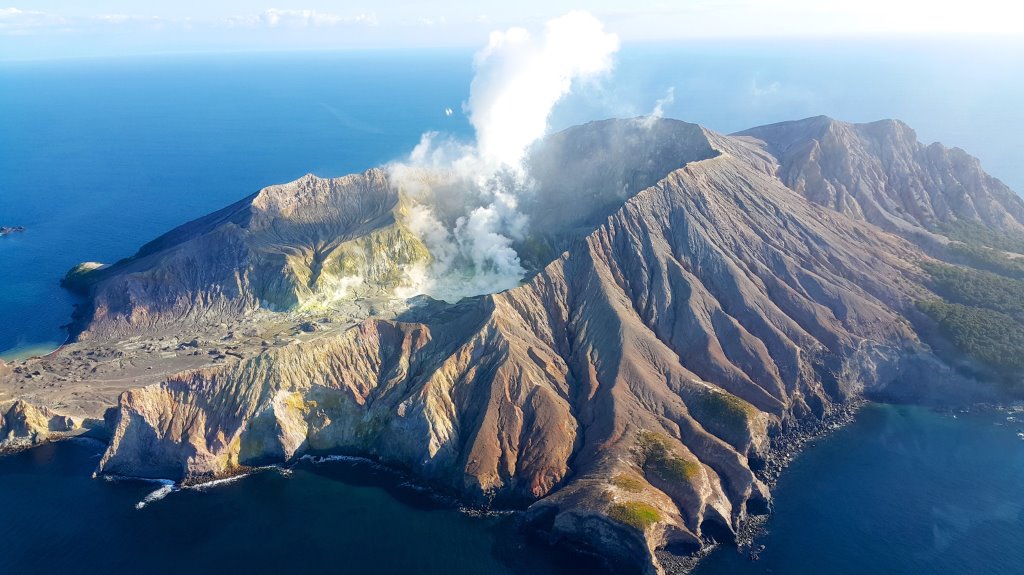

Islands often look like paradise from a distance. Blue water, white beaches, dramatic cliffs rising from the sea. But isolation does strange things. It shapes ecosystems differently. It allows species to evolve without predators. It traps gases underground. It turns small pieces of land into prisons, laboratories, or active volcanoes.
Some islands are dangerous because of what lives on them. Others because of what lies beneath them. And a few are dangerous because humans have made them that way.
This is a journey through some of the most hazardous islands on Earth — places where nature, history, and isolation have combined in unsettling ways.
North Sentinel Island – The Island That Rejects the World
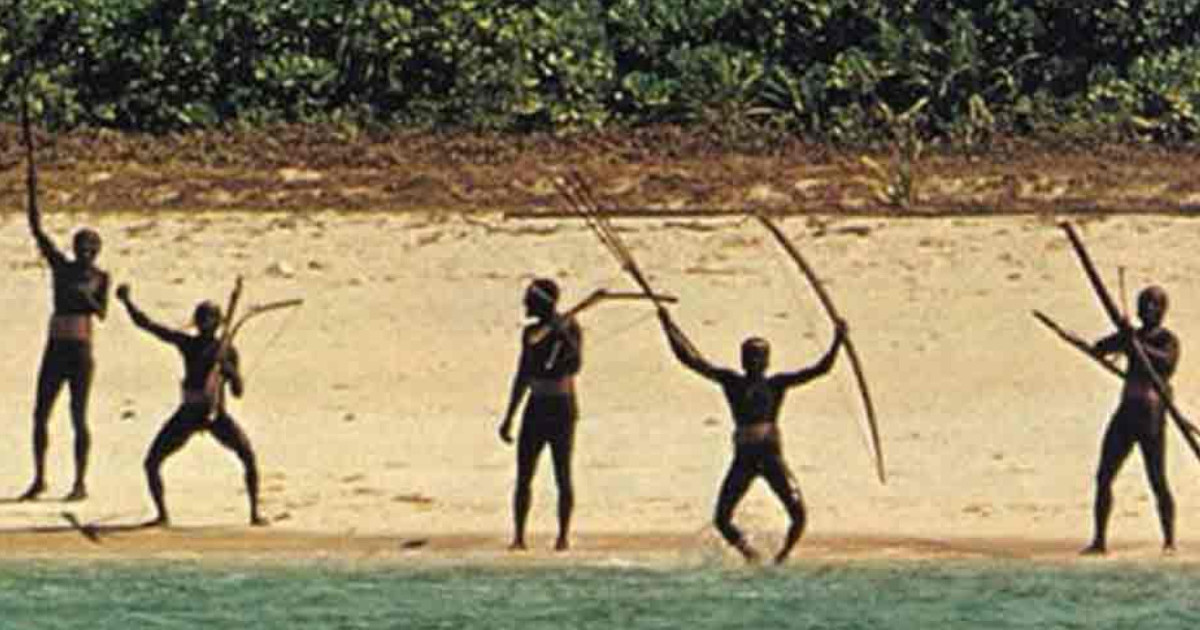
Located in the Andaman Sea, North Sentinel Island is perhaps the most infamous isolated island on the planet. It is home to the Sentinelese, one of the last uncontacted tribes in the world.
The danger here does not come from predators or volcanic activity. It comes from human boundaries that must not be crossed.
The Sentinelese have lived in isolation for thousands of years. They have consistently rejected outside contact, often with arrows and spears. The Indian government has made it illegal to approach within several kilometers of the island, both to protect the tribe from disease and to protect outsiders from violent confrontation.
Modern viruses and bacteria could devastate the Sentinelese population. Even a common flu could be catastrophic. That’s why the island is both dangerous and protected. It represents a rare case where the threat goes both ways: outsiders are at risk of attack, and the island’s inhabitants are at risk of extinction from contact.
It is one of the few places on Earth where stepping ashore is not just illegal — it is ethically irresponsible.
Ilha da Queimada Grande – Snake Island
Off the coast of Brazil lies Ilha da Queimada Grande, better known as Snake Island.
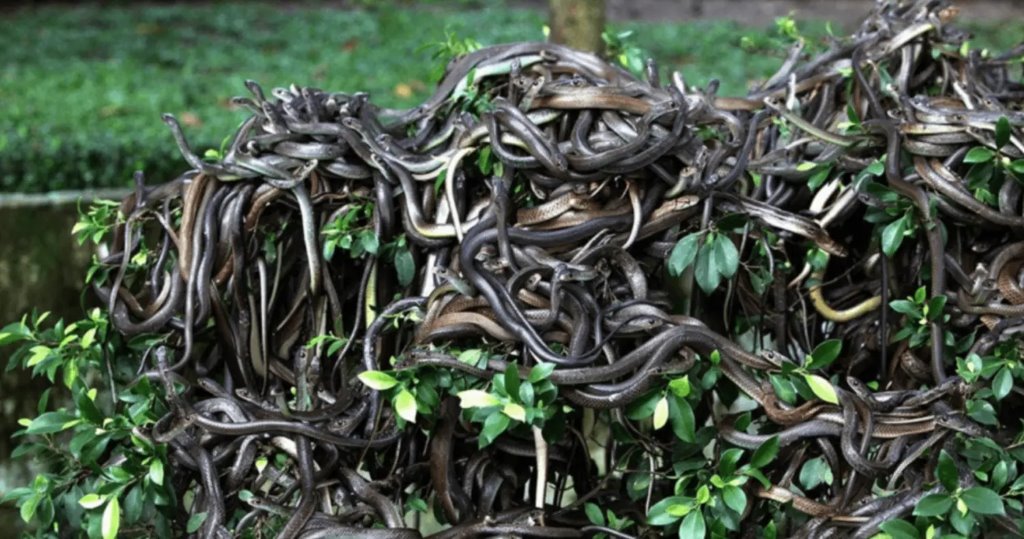
It is home to the golden lancehead viper, one of the most venomous snakes in the world. Due to rising sea levels thousands of years ago, the island became isolated from the mainland. With no large predators and abundant bird prey, the snake population exploded.
Estimates suggest there may be one snake per square meter in some areas.
The venom of the golden lancehead is hemotoxic. It can cause tissue necrosis, internal bleeding, and organ failure. Unlike many snake species, these vipers evolved venom potent enough to immobilize birds quickly before they could fly away.
The Brazilian government has restricted access to the island. Only authorized researchers are allowed to visit under strict conditions.
There are no hotels. No guided tours. No hiking trails. The ecosystem evolved in isolation, and it is lethal.
Miyake-jima – The Island of Poisonous Air
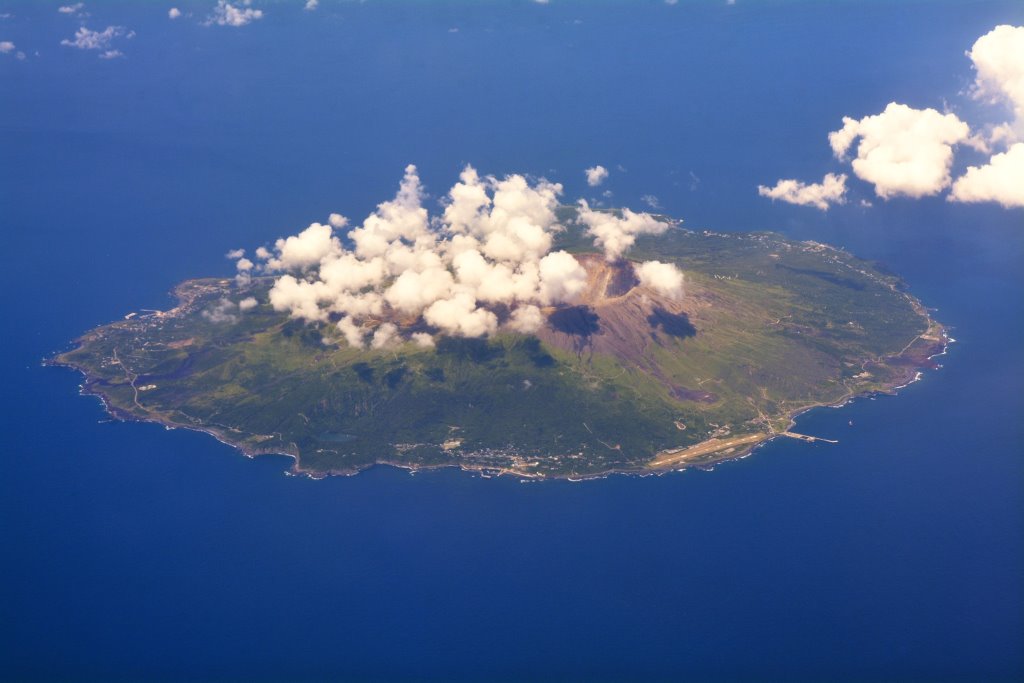
Part of Japan’s Izu archipelago, Miyake-jima sits above an active volcanic system. The island has experienced multiple eruptions, the most severe in 2000.
But lava wasn’t the only danger.
The eruption released large quantities of sulfur dioxide gas. The air became toxic. Residents were evacuated for several years. Even after people returned, they were required to carry gas masks due to intermittent gas emissions.
Sulfur dioxide can irritate lungs, trigger asthma attacks, and cause breathing difficulties at high concentrations. While the island is not permanently uninhabitable, it remains a place where volcanic systems breathe unpredictably beneath the surface.
It is a reminder that danger is not always visible. Sometimes it’s in the air itself.
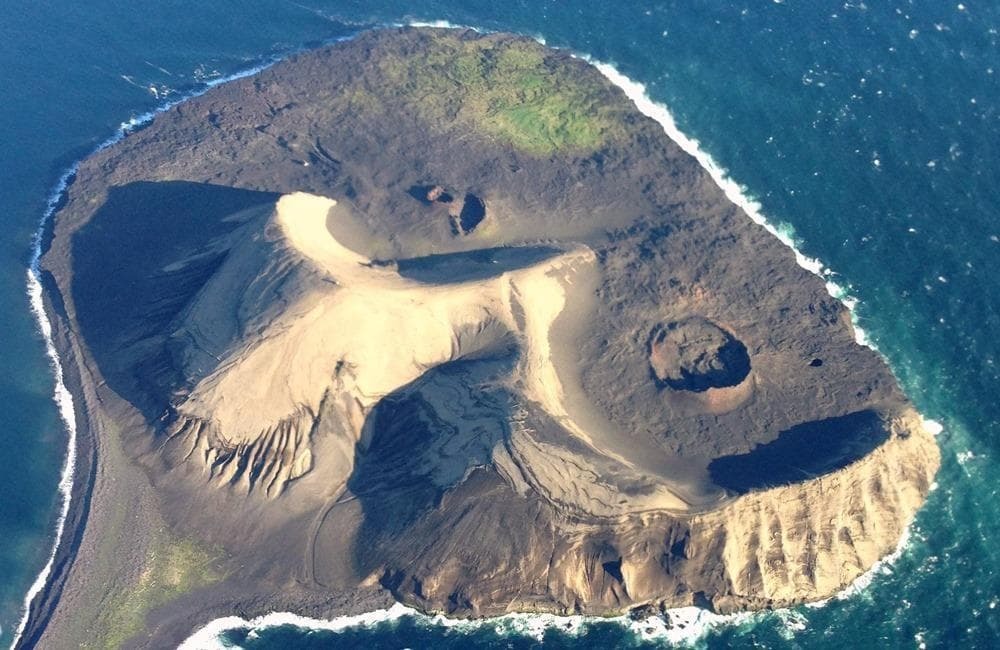
Surtsey – The Newborn Island
Emerging from the sea in 1963 after a volcanic eruption near Iceland, Surtsey is one of the youngest islands on Earth. It was born in fire, steam, and ash.
While not inherently dangerous in the same way as Snake Island or North Sentinel, Surtsey is strictly off-limits to the public. Only scientists are permitted to visit.
Why? Because it serves as a natural laboratory for studying how life colonizes new land. Seeds arrive by wind and bird. Microbes establish themselves in volcanic rock. Over time, moss, insects, and eventually larger organisms take hold.
The island is protected not because it is deadly, but because human interference would permanently alter its ecological timeline.
In a different way, Surtsey is dangerous — not to us, but to our understanding of natural processes. One careless footprint could contaminate decades of research.
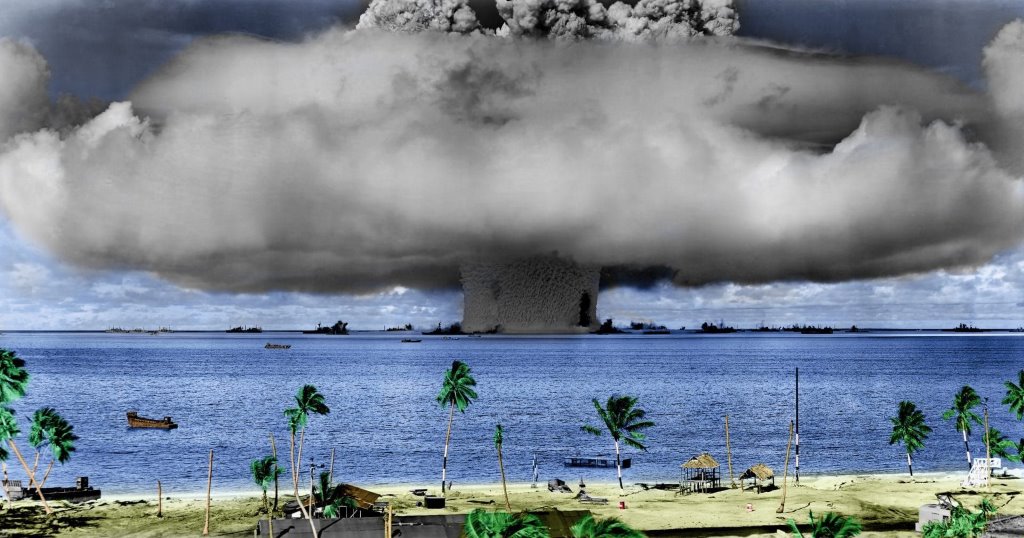
Bikini Atoll – Nuclear Legacy
In the Pacific Ocean lies Bikini Atoll, once a peaceful coral atoll and now synonymous with nuclear testing.
Between 1946 and 1958, the United States conducted 23 nuclear tests there. The explosions were powerful enough to vaporize islands and contaminate the environment with radioactive fallout.
Although some areas have been partially cleaned, radioactive isotopes remain in soil and marine life. The atoll is largely uninhabited, and resettlement attempts have been complicated by lingering contamination.
Radiation does not announce itself. It cannot be seen or smelled. But long-term exposure increases cancer risk and damages ecosystems.
Bikini Atoll represents a different category of danger — one created by human technology rather than natural evolution.
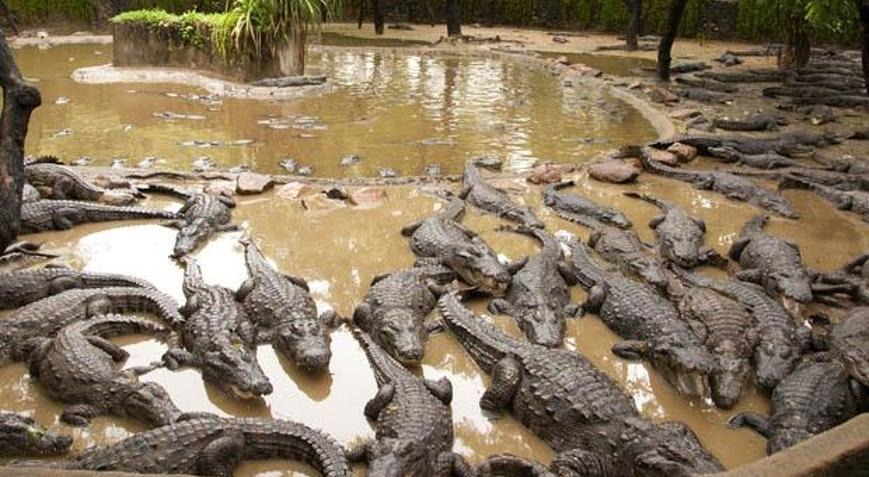
Ramree Island – The Crocodile Nightmare
Ramree Island, off the coast of Myanmar, is home to one of the largest populations of saltwater crocodiles in the world.
It gained notoriety during World War II, when Japanese soldiers reportedly retreated into mangrove swamps to avoid capture. Historical accounts describe a night filled with crocodile attacks. While the exact numbers are debated, the story became one of the most infamous wildlife incidents ever recorded.
Saltwater crocodiles are apex predators. They are powerful swimmers, capable of lunging from murky water with terrifying speed. Mangrove environments offer perfect camouflage.
Even without wartime chaos, Ramree Island’s swampy terrain and crocodile population make it an extremely hazardous environment for unprepared visitors.
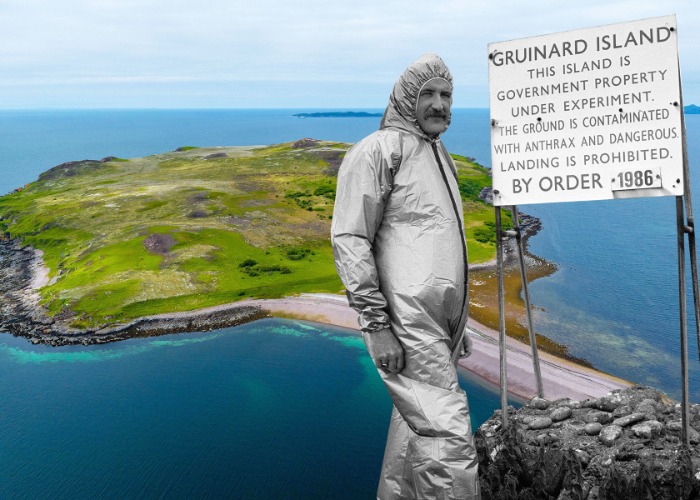
Gruinard Island – The Anthrax Experiment
Off the northwest coast of Scotland lies Gruinard Island, a small, windswept piece of land that was once one of the most contaminated places in the world.
During World War II, the British government used the island to test anthrax as a biological weapon. Sheep were placed on the island and exposed to anthrax bombs to study the effects. The experiments proved something chilling: anthrax spores could survive in soil for decades.
And they did.
For nearly 50 years, Gruinard Island remained officially quarantined. Warning signs were posted. No one was allowed to land. The spores persisted in the earth, invisible but lethal. Anthrax is not like many bacteria that die off quickly. Its spores are highly resistant to heat, dryness, and time.
Only in the 1980s did a large-scale decontamination effort begin. Thousands of tons of soil were treated with formaldehyde and seawater. Eventually, the island was declared safe again.
But for half a century, it was a reminder that some dangers outlast the wars that create them.
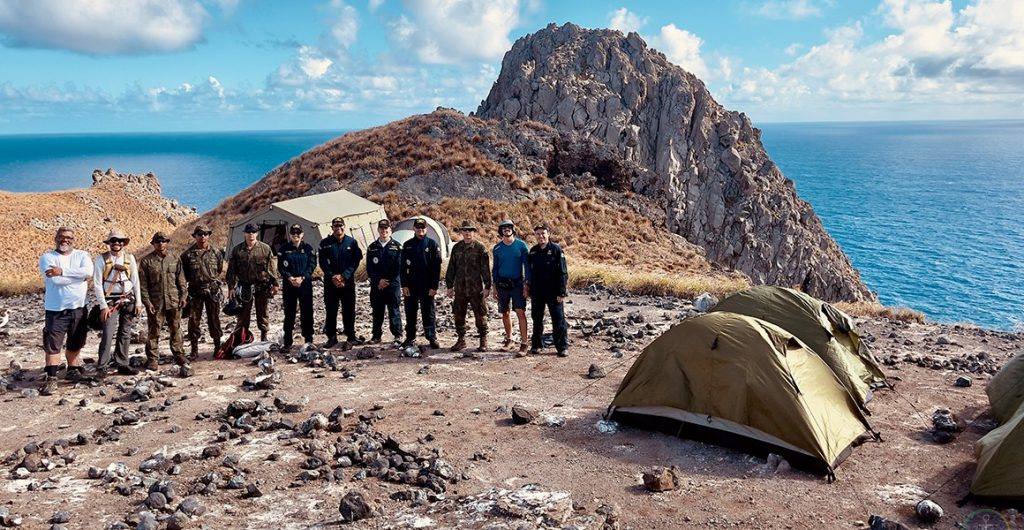
Ilha da Trindade – Isolation and Disease
Trindade Island, located in the South Atlantic and belonging to Brazil, is remote, rugged, and largely uninhabited except for a small military presence.
The danger here is not predators or toxins, but extreme isolation. Historically, ships stopping on remote islands often brought disease. When small populations live in isolation, even minor infections can spread rapidly.
In modern times, the island’s remoteness poses another risk: medical emergencies. If someone is injured or becomes seriously ill, evacuation is complicated by distance and weather. There are no large hospitals nearby. Response time is measured in hours or days, not minutes.
Isolation magnifies every problem. On a mainland, help is a phone call away. On a remote island, survival can depend entirely on what is already available.
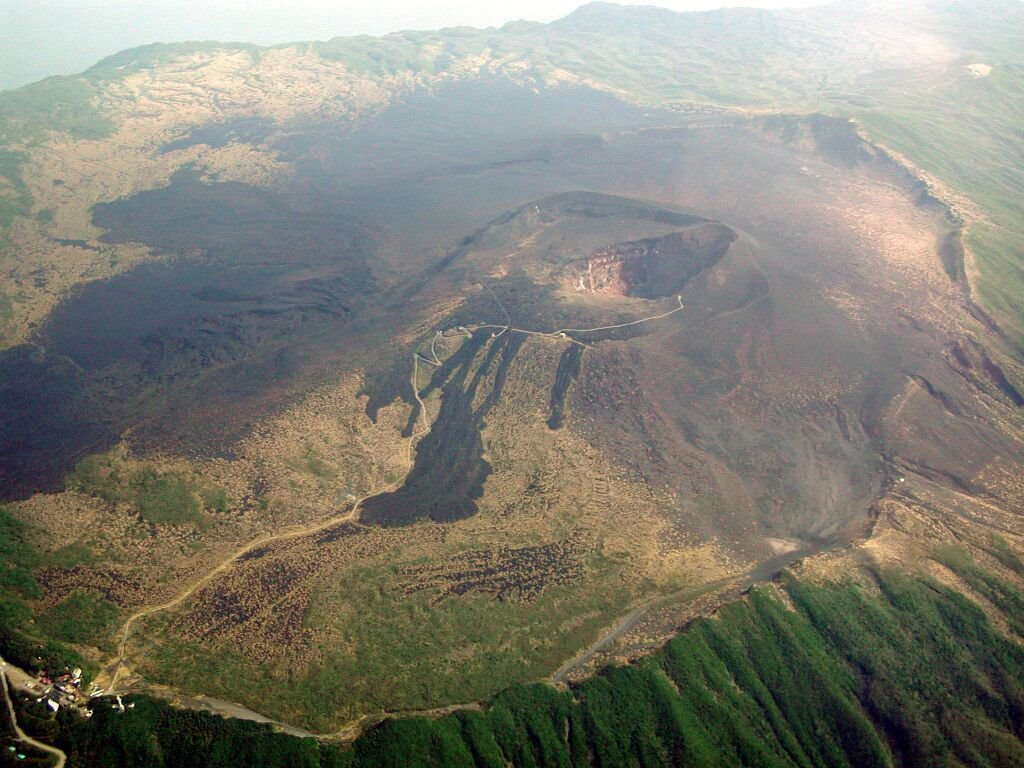
Izu Ōshima – The Volcano That Never Sleeps
Another volcanic island in Japan’s Izu chain, Izu Ōshima has a long history of eruptions. Mount Mihara, the island’s central volcano, has erupted repeatedly over centuries.
While the island is inhabited and even visited by tourists, the danger is constant rather than hypothetical. Lava flows, ash clouds, and toxic gases are recurring threats. In 1986, a major eruption forced the evacuation of thousands of residents.
Volcanic islands are unpredictable. They can appear calm for decades before erupting with little warning. Monitoring systems help, but nature does not always follow human timelines.
Living on such an island means accepting geological instability as part of daily life.
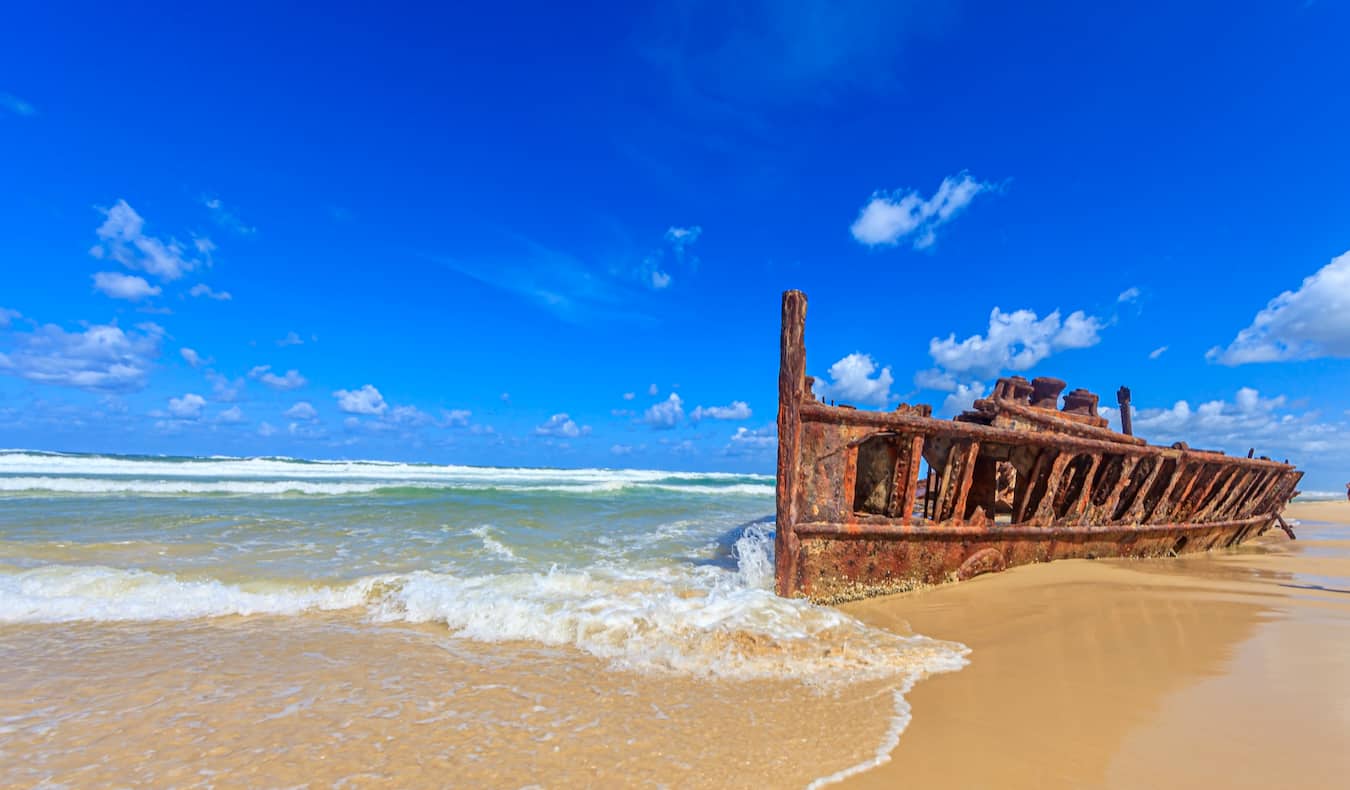
Fraser Island – Beauty With Hidden Threats
Fraser Island in Australia looks like a dreamscape of dunes, freshwater lakes, and long beaches. But beneath the beauty lie multiple hazards.
The surrounding waters are known for strong rip currents and the presence of sharks. On land, dingoes roam freely and have been involved in serious attacks. There are also venomous spiders and jellyfish in nearby waters.
Unlike Snake Island, Fraser Island is accessible and popular with tourists. That accessibility can create a false sense of security.
Wild environments do not soften simply because they are scenic.
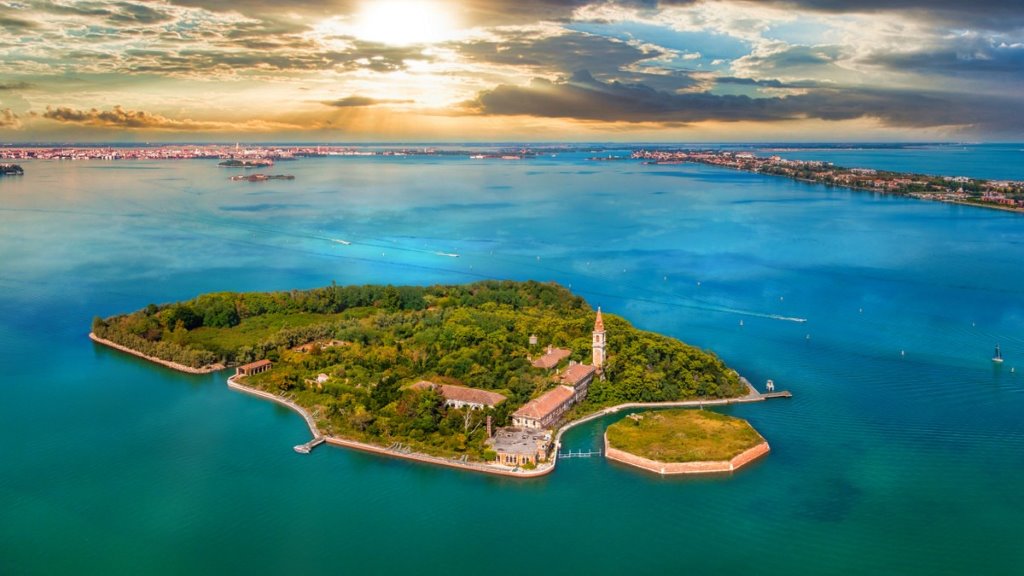
Poveglia – The Plague Island
Near Venice sits Poveglia, often described as one of the most haunted islands in Europe. While much of its reputation comes from folklore, its history is grim.
During plague outbreaks in past centuries, infected individuals were quarantined there. Later, the island reportedly housed a mental asylum.
The danger here is historical rather than ecological. Mass graves, abandoned structures, and unstable buildings make it hazardous for unauthorized visitors.
Italian authorities restrict access. Though the plague no longer lingers, the island’s infrastructure has decayed. Collapsing walls and unsafe structures pose physical risks.
Sometimes danger is rooted in abandonment.
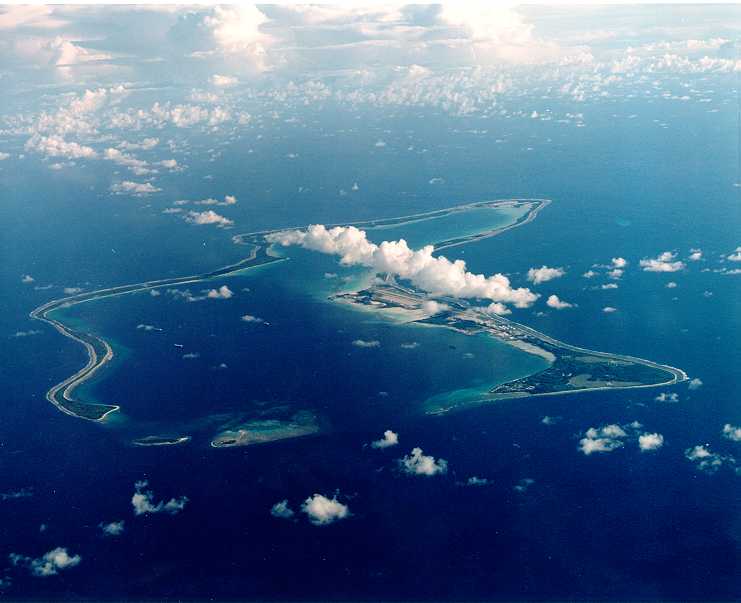
Diego Garcia – Strategic and Restricted
Located in the Indian Ocean, Diego Garcia is part of the Chagos Archipelago and hosts a major military base.
It is not dangerous because of wildlife or volcanoes. It is dangerous because it is heavily restricted. Unauthorized entry is prohibited, and the island operates under military control.
Its history includes controversial displacement of local inhabitants and geopolitical tension. While physically beautiful, its strategic importance makes it inaccessible to civilians.
In this case, danger is political.
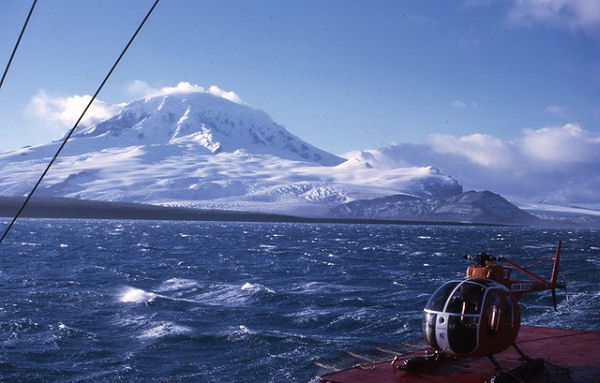
Heard Island – One of the Most Remote Places on Earth
Heard Island, an Australian territory in the Southern Ocean, is dominated by an active volcano called Big Ben. It is also one of the most remote locations on Earth.
Reaching it requires a long sea voyage through some of the roughest waters in the world. Weather conditions are extreme. Winds are powerful. Temperatures are low.
There is no permanent human settlement. Rescue operations would be extraordinarily difficult.
The danger here is raw environment. Isolation, cold, and volcanic activity combine in a way that leaves little margin for error.
Across oceans and climates, dangerous islands take many forms. Some are biologically lethal. Some are geologically unstable. Others carry scars of war, experimentation, or political conflict.
What unites them is isolation. On an island, containment is natural. So is vulnerability. When something goes wrong, there is no easy escape.