
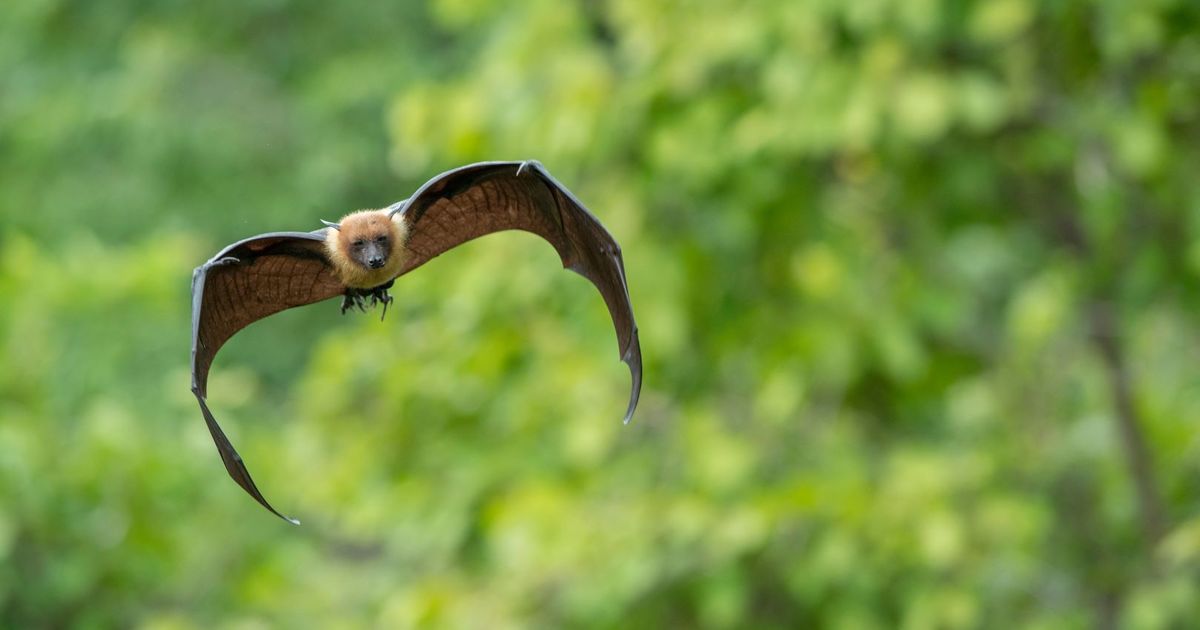

When darkness falls, the natural world doesn’t go quiet. It changes. Vision becomes unreliable, movement carries more risk, and sounds travel farther than they do in daylight. For many animals, night is not a pause in activity but the moment when survival finally tilts in their favor.
Some predators are not simply active at night—they are shaped by it. Their senses, bodies, and hunting strategies evolved around low light, shadow, and silence. Darkness hides their movement, dulls the awareness of prey, and removes the advantages that daylight hunters depend on. For these animals, hunting during the day is inefficient, risky, or physically taxing. Night is where they perform best.
It’s important to be precise: not every animal that hunts at night is strictly nocturnal. Many species can hunt during the day if conditions allow. What sets night-focused predators apart is not exclusivity, but reliance. Their success depends on darkness. Remove it, and their advantage shrinks or disappears.
Night hunting offers powerful benefits. Prey is often less alert. Temperatures are lower. Competition changes. Vision-based defenses weaken, while sound, smell, and motion detection become dominant. Over time, these pressures produced predators that thrive after sunset—animals that move quietly, wait patiently, and strike when visibility fails.
This article explores animals that rely on the night to hunt, how their bodies and senses adapted to darkness, and why the balance of power shifts so dramatically once the sun goes down. It’s not a list of monsters hiding in the dark, but a look at how evolution turned night itself into one of the most effective hunting tools on Earth.
Why some animals evolved to hunt only at night
Night hunting did not evolve because animals were afraid of daylight. It evolved because darkness solved problems that daylight could not.
For some predators, the night reduces competition. Diurnal hunters are inactive, leaving prey less alert and landscapes quieter. For others, darkness provides camouflage. Prey that relies on vision becomes vulnerable, while predators that rely on sound, smell, or motion gain the upper hand.
Temperature also matters. In hot environments, night hunting prevents overheating. In open habitats, it reduces exposure. Over time, these advantages shaped predators that are not just capable at night, but dependent on it.
Owls and silent aerial hunting
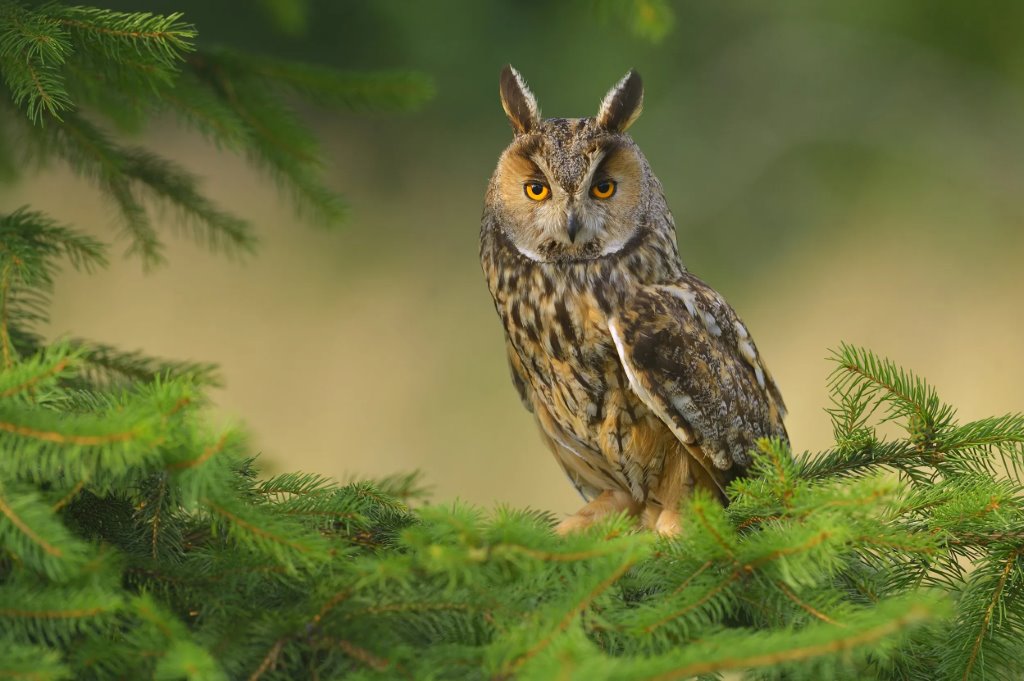
Owls are among the most specialized nocturnal hunters on Earth. Species like the Barn owl and Great horned owl hunt almost entirely after dark.
Their most famous adaptation is silent flight. Specialized feathers break up airflow, eliminating the sound that would normally betray a bird in motion. This allows owls to approach prey without warning.
Owls also possess extraordinary hearing. Their ears are asymmetrical, positioned at different heights on the skull. This allows them to pinpoint prey in three dimensions using sound alone. A mouse moving under grass or snow is enough to trigger a strike.
While owls can see reasonably well in daylight, their hunting efficiency drops dramatically. Their advantage disappears when prey can see them coming.
Bats and echolocation dominance
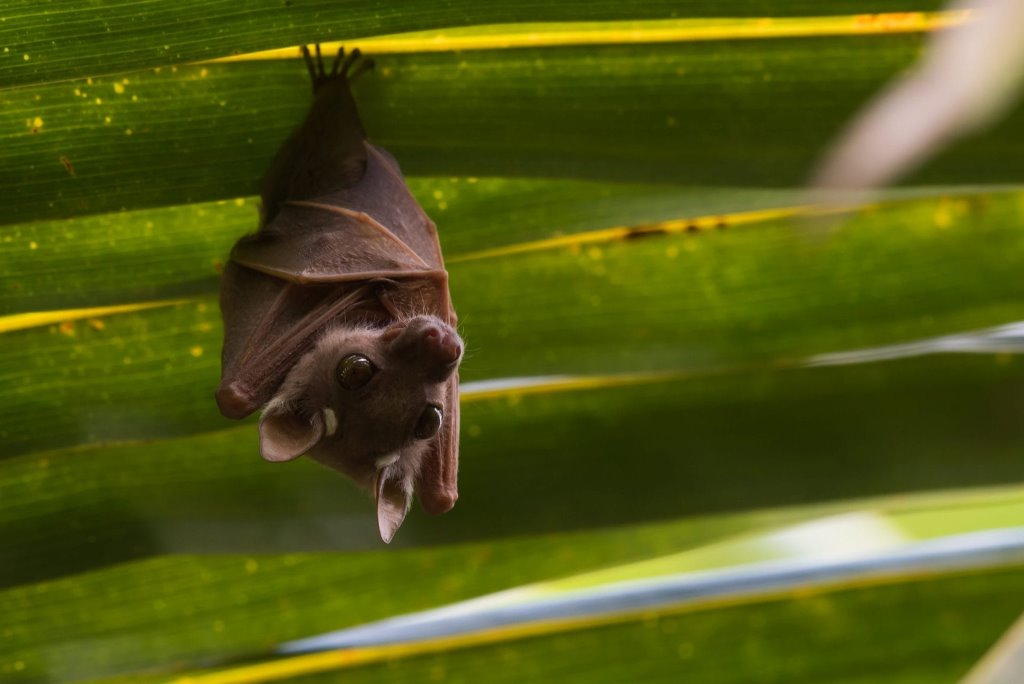
Bats are perhaps the clearest example of animals built exclusively for night hunting. Insect-eating species like the Little brown bat hunt only after sunset.
Instead of relying on sight, bats use echolocation. They emit high-frequency sounds and listen to the echoes bouncing back from insects, obstacles, and terrain. This system allows them to “see” in complete darkness with incredible precision.
Night hunting protects bats from daytime predators such as hawks and falcons. It also aligns with peak insect activity. For bats, daylight is not just unnecessary—it is dangerous.
Many bat species rarely leave their roosts during the day at all, emerging only when darkness provides both safety and opportunity.
Big cats that rely on darkness
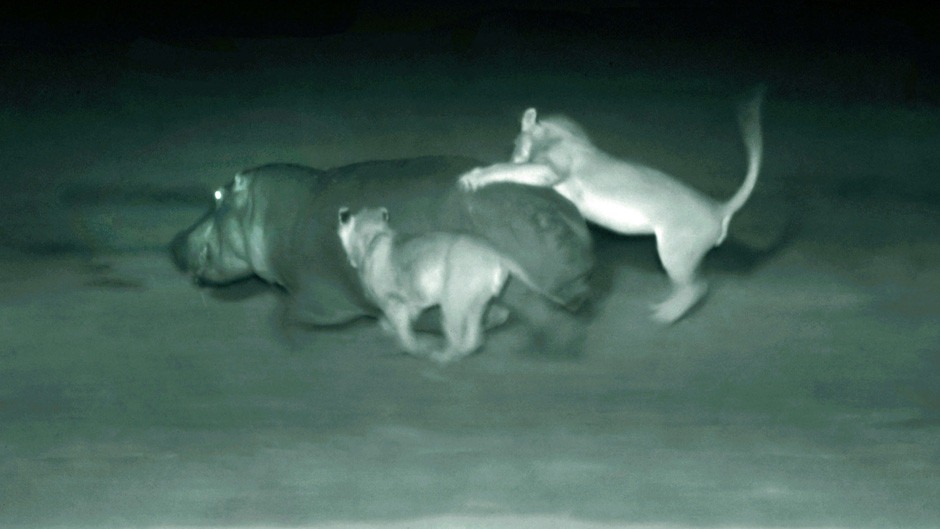
Some large predators are technically active at any time, but their hunting success depends almost entirely on darkness. Lions are a prime example.
The Lion hunts primarily at night, especially in regions with human activity. Lions have excellent night vision, estimated to be several times more sensitive than human vision in low light.
Night allows lions to approach prey closely without being seen. It also reduces heat stress, which is critical for a large-bodied predator. Most successful lion hunts occur between dusk and dawn.
During daylight, lions rest. Hunting during the day is inefficient, exhausting, and far more likely to fail.
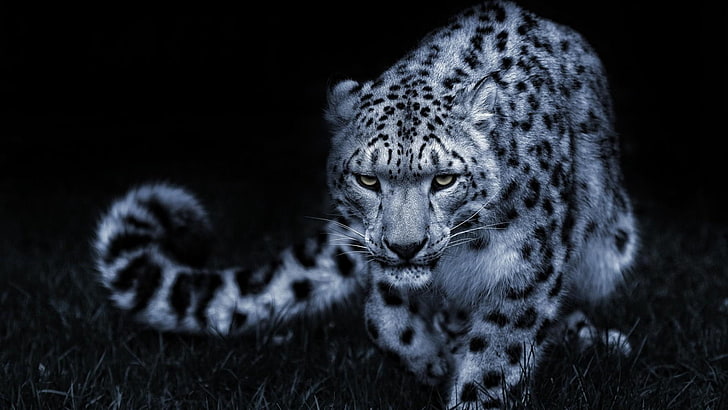
Leopards and stealth in darkness
Leopards are even more night-dependent than lions. The Leopard relies heavily on darkness to hunt unseen.
Unlike lions, leopards hunt alone. They depend on surprise rather than teamwork. Nighttime allows them to move silently through vegetation, approach prey closely, and strike without warning.
Leopards also use night to avoid competition. Larger predators are less active, giving leopards access to hunting grounds that would be too dangerous during the day.
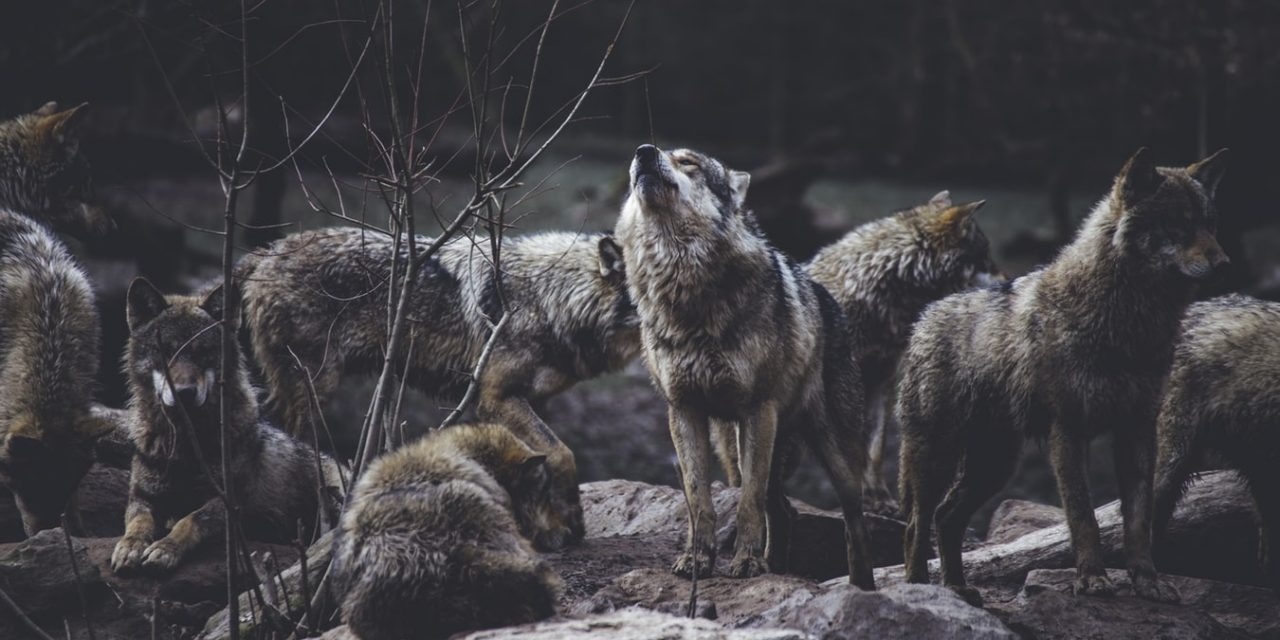
Wolves and coordinated night hunts
Wolves are capable of hunting during daylight, but they are far more effective at night. Species such as the Gray wolf use darkness to coordinate pack movements without alerting prey.
Night hunting allows wolves to exploit prey fatigue. Deer, elk, and other ungulates are less alert and more easily separated from the group in low visibility. Wolves rely on endurance rather than speed, and darkness amplifies this advantage.
Human presence has pushed many wolf populations toward even stricter nocturnality. Daylight now carries additional risk beyond ecological competition.
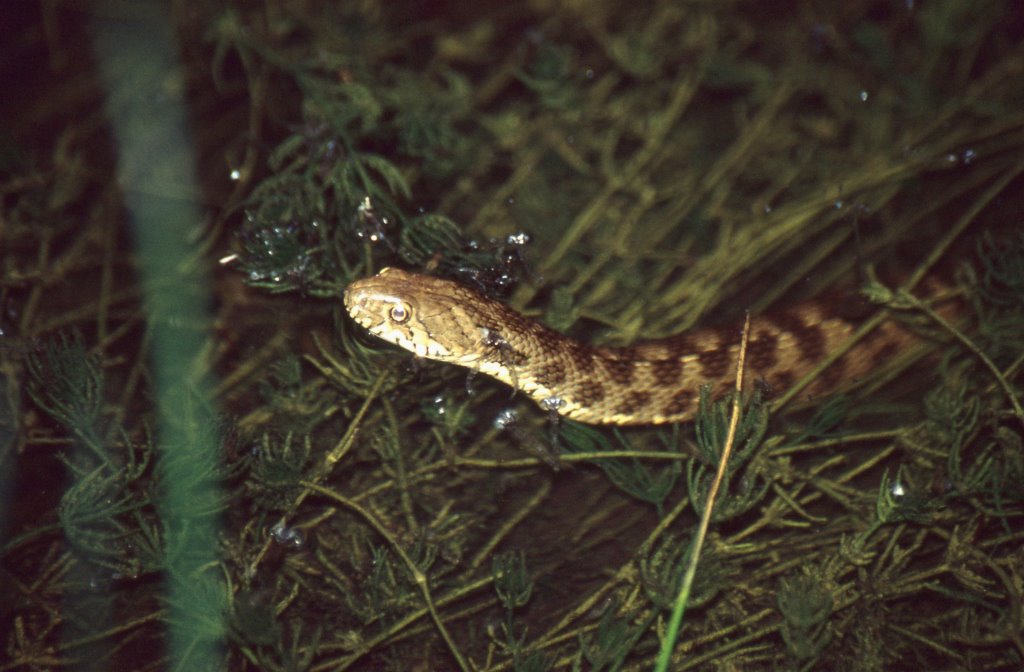
Night snakes and heat avoidance
Many snakes hunt almost exclusively at night, particularly in hot climates. Species like the Sidewinder rattlesnake are primarily nocturnal hunters.
Night hunting allows snakes to avoid lethal surface temperatures. It also aligns with the activity patterns of rodents and lizards. Heat-sensitive pits, chemical sensing, and vibration detection allow snakes to hunt without relying on vision.
For these reptiles, daylight is not just inconvenient—it is physiologically dangerous.
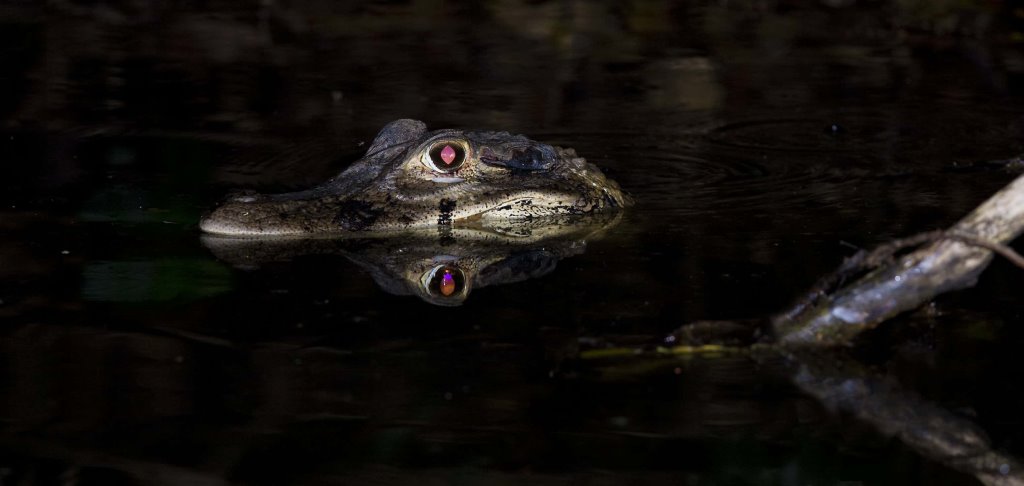
Crocodilians and nocturnal ambush
Crocodiles and alligators are far more dangerous at night than during the day. Species like the Nile crocodile hunt primarily after dark.
Their eyes are adapted for low light, and the reflective layer behind the retina enhances night vision. Prey approaching water to drink at night often never sees the attack coming.
During daylight, crocodilians bask and conserve energy. At night, they become active ambush predators.
Why night-only hunters struggle in daylight
Animals adapted to night hunting often perform poorly during the day. Bright light overwhelms sensitive eyes. Heat increases energy costs. Camouflage becomes less effective.
More importantly, prey behavior changes. Animals that are alert and visually oriented during daylight are harder to surprise. The entire balance of power shifts.
For true nocturnal hunters, daylight is not just another option—it is a disadvantage.
Small nocturnal predators and the art of patience
Not all night-only hunters are large or dramatic. Many of the most strictly nocturnal predators are small animals whose survival depends on staying invisible during daylight.
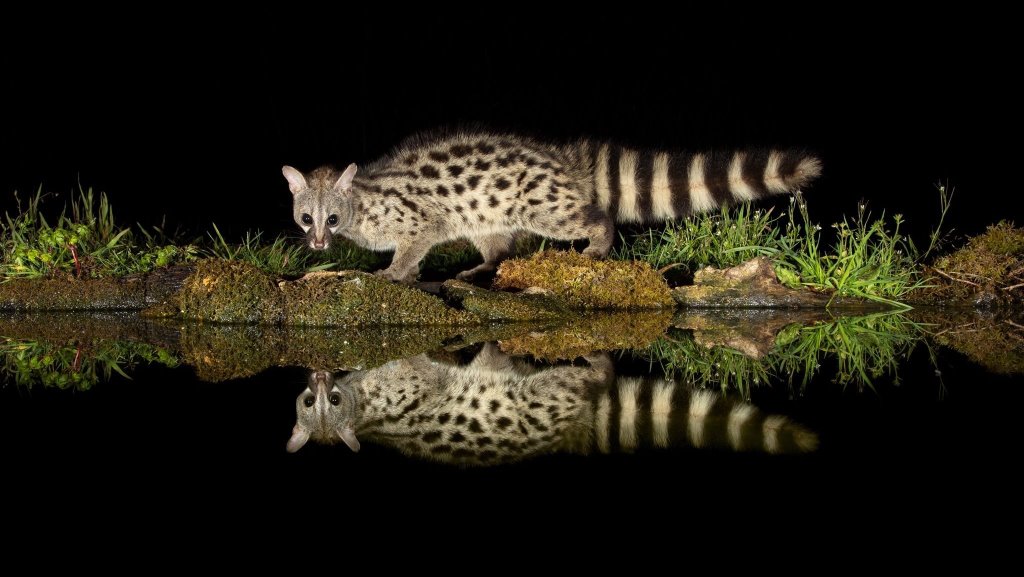
Genets, civets, and some species of mongooses hunt almost exclusively at night. Their bodies are built for quiet movement, with flexible spines, soft footpads, and heightened senses of smell and hearing. During the day, they hide in dense vegetation, hollow trees, or rocky crevices, conserving energy and avoiding larger predators.
These animals rely on patience more than speed. They move slowly, stop often, and listen constantly. Night gives them the cover they need to approach insects, rodents, birds, and reptiles without being detected. In daylight, this approach would fail almost immediately.
Nocturnal primates and precision hunting
A small number of primates are also dedicated night hunters. Species like tarsiers hunt insects, lizards, and small birds almost entirely after dark.
Unlike most primates, tarsiers have enormous eyes adapted for low light. Their vision allows them to detect the slightest movement, even in near darkness. They combine this with explosive jumping power, launching themselves at prey with astonishing accuracy.
For these animals, night hunting is not optional. Their visual system is too specialized to function well in bright daylight, and their prey is most active after sunset.
Marine predators that rule the night
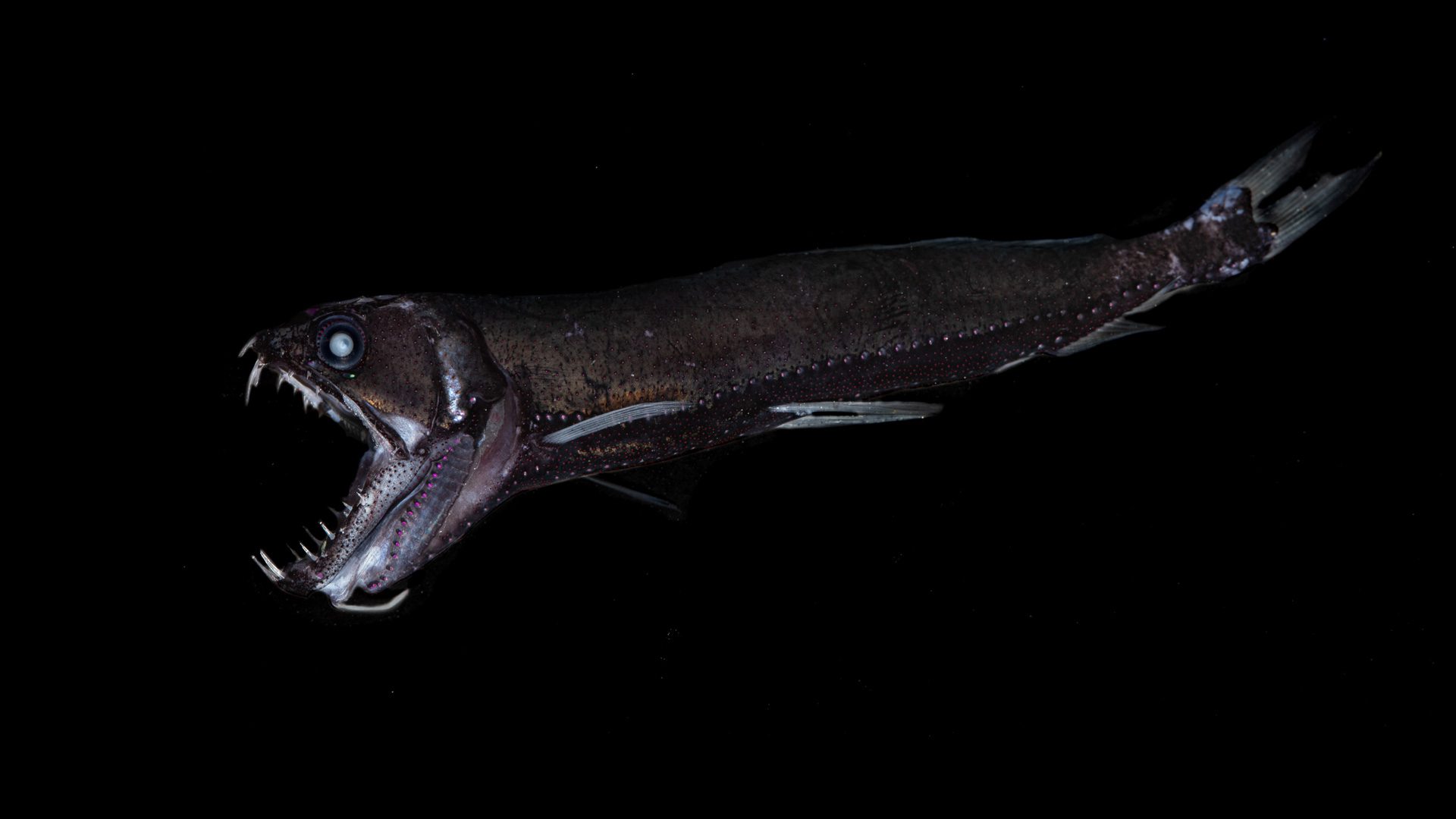
The ocean undergoes a dramatic shift at night. Many creatures rise from deeper waters toward the surface in a daily migration known as vertical migration. Predators that hunt at night take full advantage of this movement.
Some sharks, squid, and large predatory fish hunt primarily after dark. Their eyes are adapted to low light, and many rely on electroreception or motion detection rather than sight alone. Darkness allows them to approach schools of fish that would scatter instantly during the day.
Certain squid species are almost entirely nocturnal hunters. They rise from the depths at night, using bioluminescence, camouflage, and rapid strikes to capture prey before retreating again by dawn.
In the marine world, night is not a time of rest. It is a feeding window that opens briefly and closes fast.
Extreme night adaptations and sensory dominance
True night-only hunters often rely on senses humans barely notice.
Some mammals have whiskers sensitive enough to detect air movement. Others can hear frequencies far beyond human range. Many nocturnal animals process sound faster than sight, allowing them to react instantly to tiny movements.
Insects that hunt at night, such as certain mantises and beetles, use vibration sensing and chemical cues rather than vision. Darkness removes visual distractions and amplifies these signals.
In these species, daylight is not just unnecessary. It interferes with how their brains are wired to interpret the world.
How humans pushed more animals into the night
Human activity has dramatically increased nocturnal behavior in many species.
Animals that once hunted at dawn or dusk now wait until full darkness to avoid people. Roads, agriculture, urban noise, and artificial lighting have reshaped predator schedules. Even large animals that were once comfortable in daylight now hunt almost exclusively at night near human settlements.
This shift is not evolutionary yet, but behavioral. Night offers fewer encounters, less noise, and lower risk. Over time, these pressures may produce even more strictly nocturnal hunters.
Why night hunters are so effective
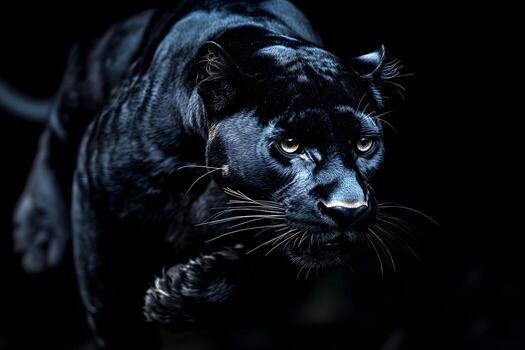
Hunting at night offers several key advantages. Prey is less alert. Visual defenses are weakened. Competition is reduced. Heat stress is lower. Ambush becomes easier.
For animals adapted to darkness, night is not a handicap—it is a force multiplier.
Once these advantages became strong enough, some predators stopped hunting during the day altogether. The cost of daylight hunting outweighed any potential benefit.
The quiet dominance of the night
Night-only hunters do not need speed, size, or intimidation. They rely on silence, timing, and control. Their world is built around subtle cues most animals never notice.
While daylight predators dominate attention and fear, nocturnal hunters dominate outcomes. Most of their kills happen unseen, unheard, and unrecorded.
When the sun goes down, the balance of power shifts. For animals built for darkness, that shift is everything.