

Most people imagine predation as something fast and violent. A bite, a strike, a sudden end. Nature, however, does not always work that way. Some animals kill not through speed or sharpness, but through pressure—applied slowly, relentlessly, and often without visible struggle. These predators don’t rely on venom or tearing flesh apart. They overpower by squeezing, pinning, or grinding their prey until breathing stops, bones fail, or organs collapse.
What makes these animals unsettling isn’t just the outcome, but the method. The prey often remains alive for long periods, fully conscious while the pressure increases. There is no quick finish, only gradual loss of movement, oxygen, and strength. This style of killing is ancient, efficient, and perfectly adapted to certain environments.
This article explores animals that crush prey slowly, how their bodies evolved for this method, and why pressure can be just as deadly as claws or teeth.
Constrictor snakes and suffocation by force
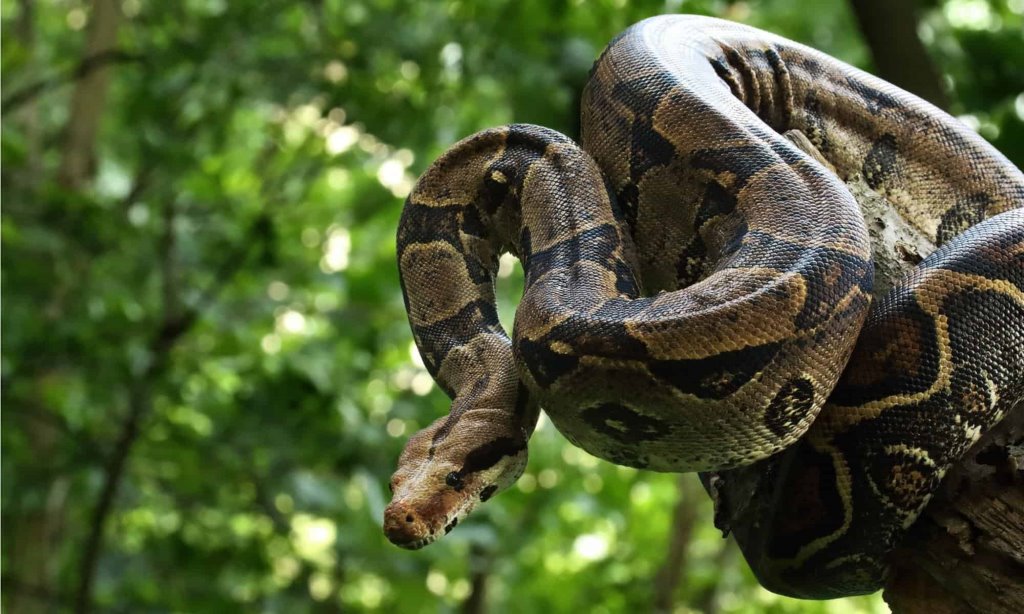
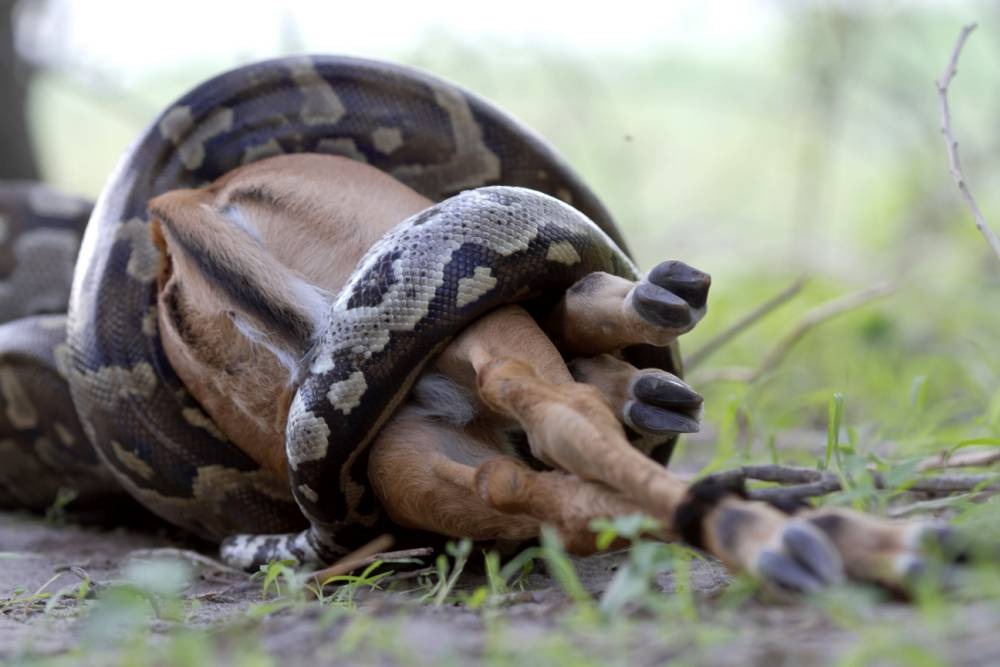
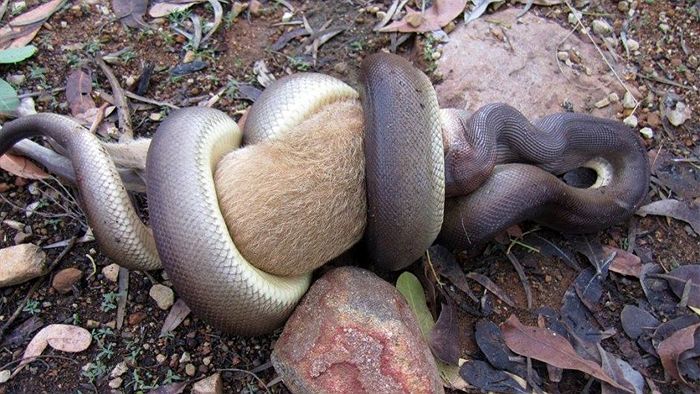
Constrictor snakes are the most well-known animals that kill by crushing rather than biting. Species like Boa constrictor, Python, and Anaconda do not rely on venom. Instead, they overpower prey using coils of muscle that apply immense pressure.
Contrary to popular belief, constrictors do not simply “squeeze until bones break.” The primary cause of death is circulatory collapse. Each time the prey exhales, the snake tightens slightly. Blood flow is restricted, oxygen cannot reach the brain, and organs fail rapidly. The process can take minutes, sometimes longer with larger prey.
What makes constriction especially effective is control. The snake adjusts pressure constantly, responding to movement. The more the prey struggles, the tighter the coils become. Escape becomes physically impossible long before consciousness is lost.
Crocodilians and the crushing power of jaws
Crocodiles and alligators are famous for ambush and sudden violence, but once prey is caught, the killing method often becomes slow and crushing rather than explosive.
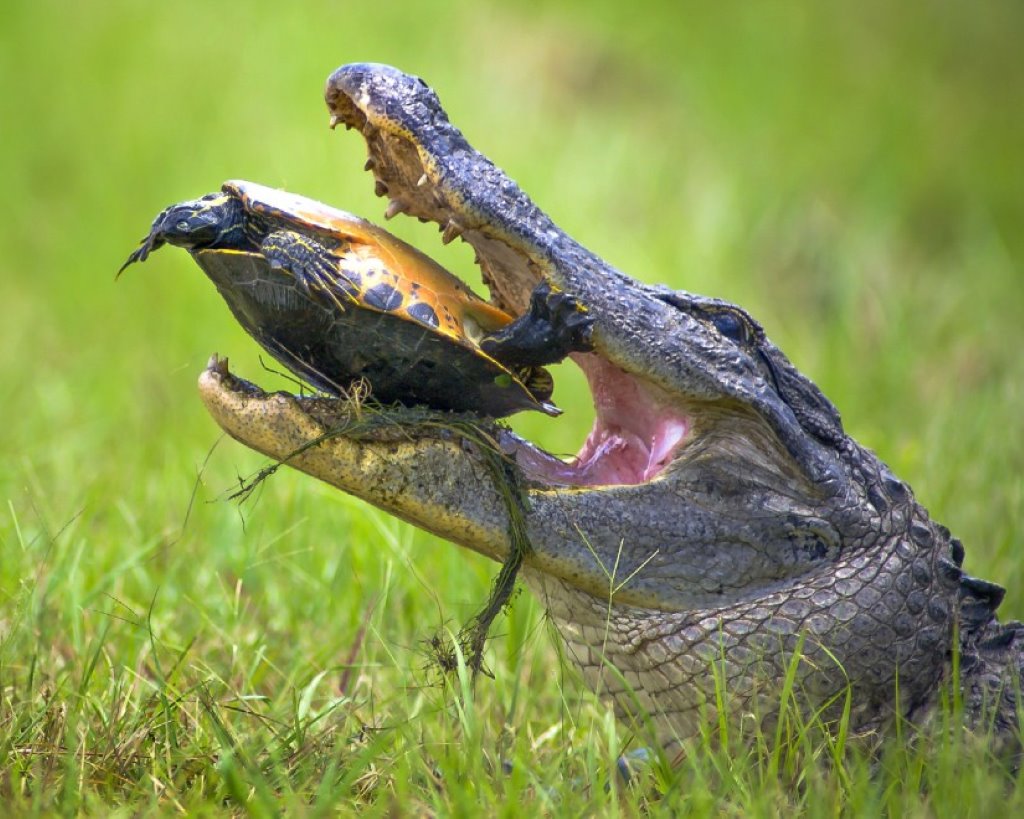
Species such as Nile crocodile and American alligator possess the strongest bite force of any living animal. When they clamp down, escape is no longer an option. Bones crack under pressure. Organs rupture. Breathing stops.
If the prey is large, crocodilians may hold it underwater, maintaining pressure until drowning occurs. In other cases, they pin prey against the riverbed or shoreline, crushing ribs and internal structures slowly rather than tearing flesh immediately.
The infamous “death roll” is often misunderstood. It is not always used to kill, but to dismember prey once it is already subdued. The crushing comes first. The rotation comes later.
Big cats and suffocating bite holds
Large cats are often associated with speed and precision, but their actual killing method is surprisingly slow.
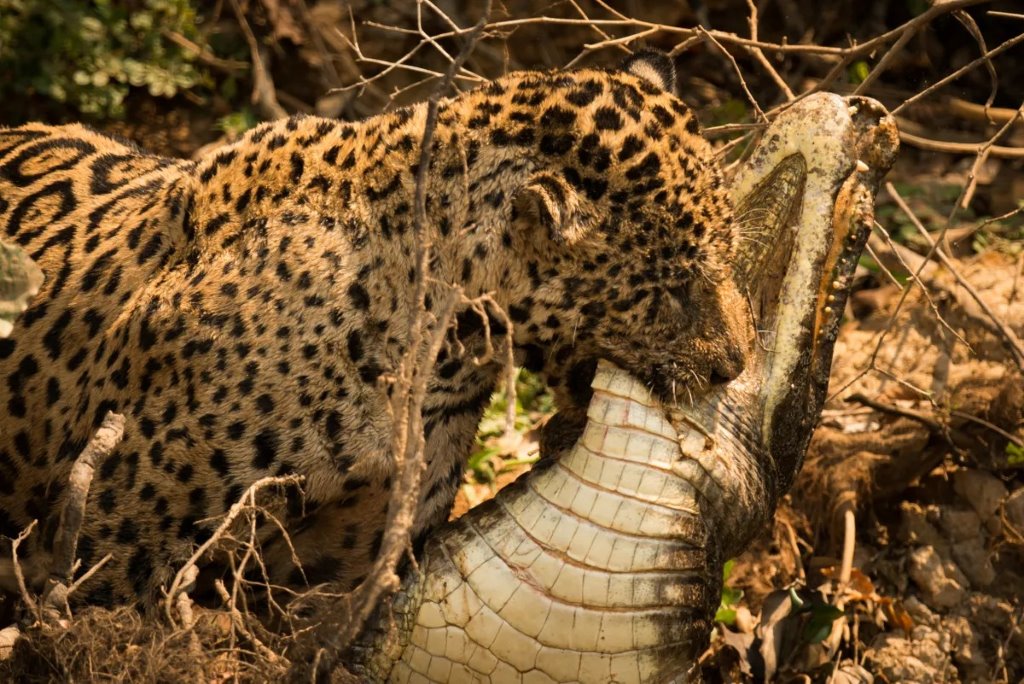
Lions, tigers, and leopards typically kill by clamping their jaws around the throat or muzzle of their prey. Species like Lion and Tiger apply sustained pressure that cuts off airflow or blood flow to the brain.
This is not a quick snap. The cat maintains the hold for several minutes, even after the prey stops moving. The goal is certainty. Releasing too early could allow a wounded animal to escape or retaliate.
During this time, the prey is slowly suffocating. Muscles weaken. Consciousness fades. Only once the predator is sure the struggle is over does it loosen its grip.
Large constricting lizards and body weight pinning
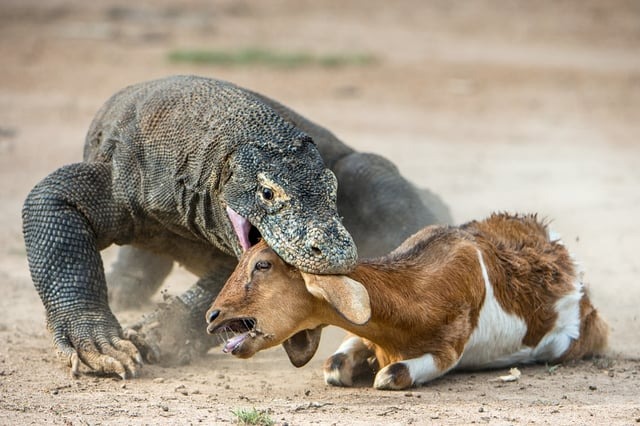
Some large lizards kill not by squeezing with coils, but by using their entire body weight to pin prey down.
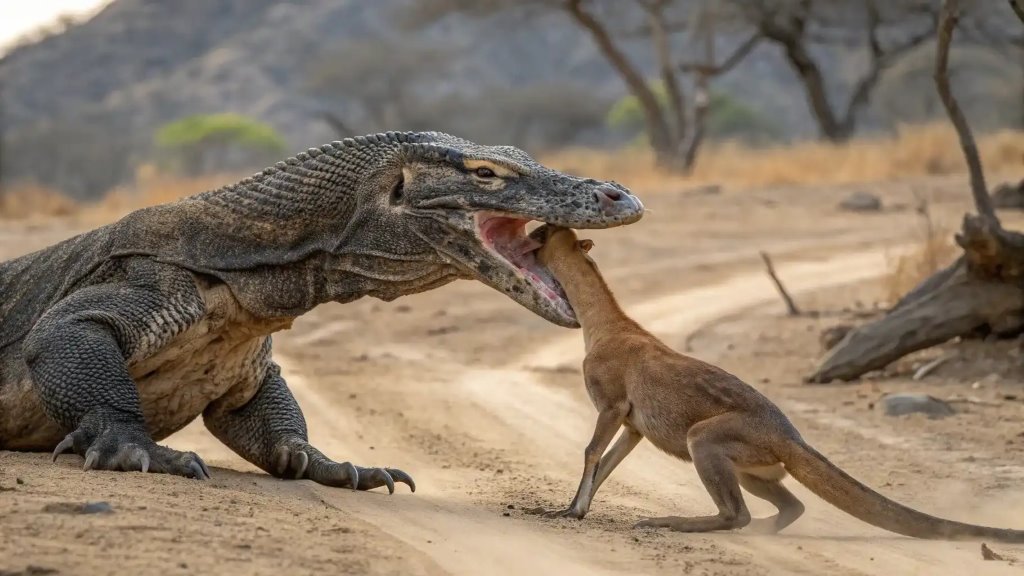
The Komodo dragon is a prime example. While famous for venom-like saliva and infection, Komodo dragons also rely heavily on crushing force. They pin prey with their bodies, limbs, and jaws, causing internal injuries and preventing movement.
Once pinned, prey animals often die from shock, blood loss, or organ damage rather than immediate bites. The dragon does not need to rush. Its size and strength do the work over time.
Birds that crush rather than tear
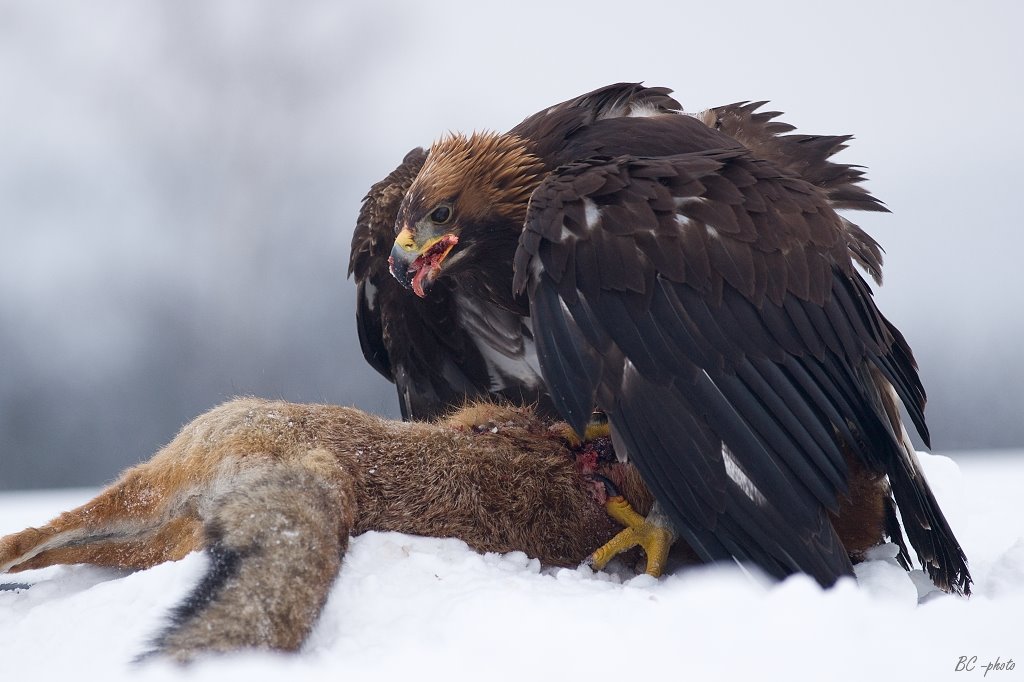
Some birds kill prey slowly by pressure rather than piercing.
Large raptors like Golden eagle use talons designed not just to puncture, but to squeeze. Once prey is grasped, the eagle applies sustained pressure that restricts breathing and circulation. Small mammals may die within minutes, held helplessly while the bird maintains its grip.
Unlike birds that kill by snapping the neck, these species rely on controlled force. The prey remains alive during much of the process.
Aquatic constrictors and underwater pressure
In aquatic environments, crushing often combines with drowning.
Animals like Anaconda and certain large fish pin prey underwater, wrapping or pressing until breathing becomes impossible. Water resistance prevents struggling, allowing pressure to do its work efficiently.
In these cases, death may come from both suffocation and internal collapse, making escape even less likely.
Why slow crushing is so effective
Killing slowly by pressure has several advantages. It reduces injury risk to the predator. It conserves energy compared to chasing prey. It allows predators to handle larger animals safely. Most importantly, it prevents escape.
From an evolutionary standpoint, crushing is reliable. It does not depend on precise timing or perfect aim. It depends on strength, patience, and control.
Nature does not favor mercy or speed. It favors methods that work consistently.
Invertebrates that crush without teeth
Crushing prey slowly is not limited to large, obvious predators. Some of the most effective pressure-based killers are invertebrates, animals without bones that rely on mechanical advantage rather than brute mass.
Large crabs are a clear example. Species like coconut crabs and certain king crabs possess claws capable of exerting enormous pressure. When they capture prey, they do not kill instantly. The claws close and keep closing, cracking shells, crushing limbs, and gradually disabling the animal. Small mammals, birds, reptiles, and other crustaceans may remain alive while bones or exoskeletons are slowly destroyed.
What makes this method especially effective is endurance. Crabs can maintain pressure for long periods without fatigue. There is no rush. Once the claw is locked, escape becomes impossible.
Some spiders use a similar principle, even without obvious crushing tools. Large tarantulas pin prey with their body weight and legs, applying sustained pressure while digestive enzymes do their work. The prey is immobilized long before death occurs.
Marine animals and the power of slow compression
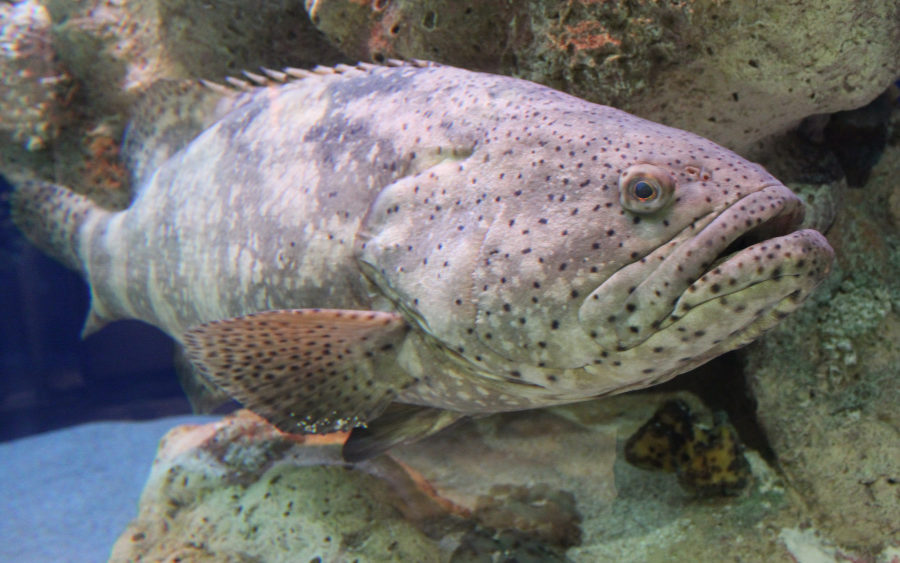
In the ocean, crushing prey slowly is often combined with suction, water pressure, or sheer mass.
Large predatory fish like groupers and certain sharks use suction to draw prey into their mouths, then apply jaw pressure that increases steadily rather than snapping shut instantly. Bones collapse. Internal organs rupture. The prey may still be alive during the early stages, unable to escape the increasing force.
Octopuses deserve special mention. They do not have bones, but their strength is extraordinary. Once an octopus wraps its arms around prey, it applies continuous pressure using muscular suckers. Shellfish are pried open slowly. Fish are pinned against rocks or the seabed, held until they can no longer resist.
Some octopus species crush crabs and shellfish without cracking the shell immediately. Instead, they apply pressure until muscles tire and joints fail, then finish the kill. It is methodical and patient.
Mammals that rely on weight and restraint
Not all mammalian predators kill with a bite.
Large bears sometimes kill prey by pinning them to the ground and applying body weight. The prey’s chest is compressed, breathing becomes restricted, and panic accelerates exhaustion. While bites may occur, the crushing force of several hundred kilograms pressing down plays a major role.
Similarly, some large mustelids, such as wolverines, overpower prey by clamping and holding rather than slashing. They use strength and persistence to exhaust and suffocate animals that might otherwise escape.
This method is especially common when predators face prey close to their own size. Speed alone is risky. Pressure is safer.
Reptiles that combine crushing with patience
Beyond snakes and crocodilians, other reptiles rely on slow crushing in less obvious ways.
Large monitor lizards use jaws, limbs, and body weight together. They may bite and hold while pressing prey against the ground, rocks, or trees. The goal is not an immediate kill, but immobilization. Internal injuries accumulate. Shock sets in. Eventually, resistance stops.
Turtles, especially large snapping turtles, also kill slowly. Their jaws clamp down and remain closed, crushing bones and tissue gradually. Escape becomes impossible long before death occurs.
Why crushing is psychologically unsettling
What makes slow crushing so disturbing is not just the physical damage, but the timeline.
There is no instant end. The prey often remains conscious while pressure increases. Struggle accelerates exhaustion. Panic increases oxygen demand at the exact moment oxygen supply is being cut off. From a biological perspective, this is efficient. From a human perspective, it feels cruel.
Nature, however, does not optimize for mercy. It optimizes for reliability.
Crushing methods reduce the chance of injury to the predator. They prevent escape. They work across a wide range of prey sizes. Once contact is established, the outcome is almost certain.
Evolutionary reasons slow killing persists
Slow crushing has survived across vastly different animal lineages for a reason. It does not require speed, precision, or venom. It requires strength and control.
In environments where prey is strong, armored, or dangerous, quick kills can fail. Crushing does not. It allows predators to overpower prey safely, even if it takes time.
This strategy appears again and again in evolution because it works. From snakes to birds to mammals to invertebrates, pressure-based killing is one of nature’s most dependable solutions.
The uncomfortable reality of predation
Humans often rank predators by how dramatic their attacks appear. Claws, fangs, and speed capture attention. Slow crushing does not. It is quiet, controlled, and relentless.
But effectiveness does not need spectacle.
Animals that crush prey slowly remind us that survival favors methods that succeed consistently, not those that look impressive. In the wild, patience and pressure often matter more than violence and speed.
Predation is not about how fast death arrives. It is about whether it arrives at all.