
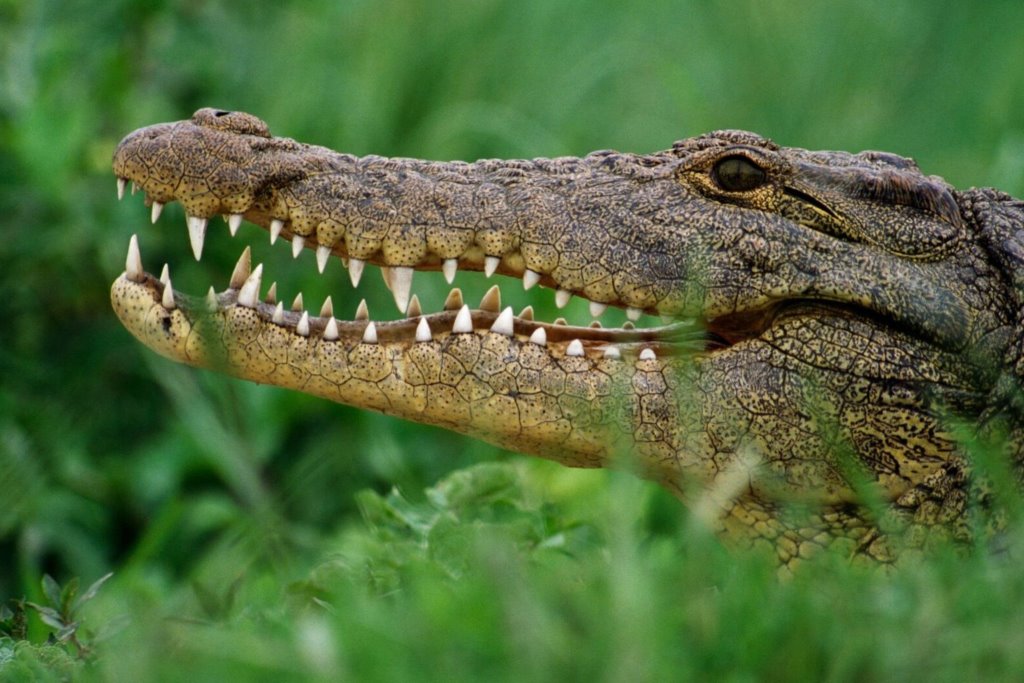

When people think about deadly animals, their minds usually jump to dramatic predators. Sharks tearing through water. Lions charging across savannas. Snakes striking from the shadows. These images are powerful, but they are also misleading.
The animals that kill the most humans are rarely large, fast, or visually terrifying. Most of them don’t hunt people at all. Some don’t even seem dangerous. The real killers are often small, indirect, and deadly in ways that are easy to underestimate.
This article looks at the animals that have caused the most human deaths throughout history and in modern times, not through fear or myth, but through numbers, behavior, and biology. What emerges is an uncomfortable truth: the deadliest animals are not the ones we fear the most, but the ones we live closest to.
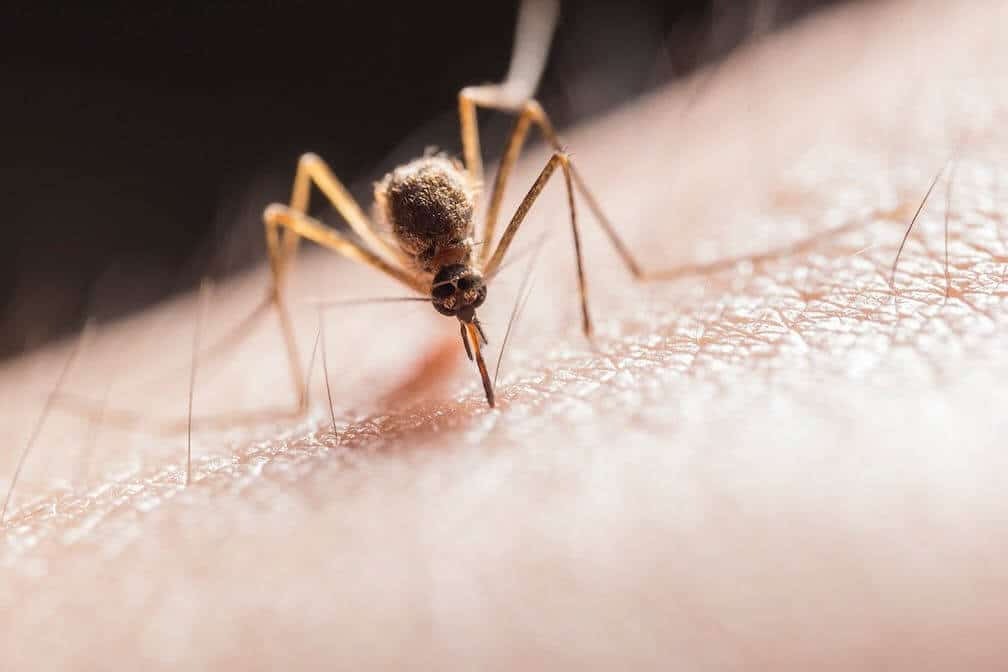
Mosquitoes and death by disease
No animal has killed more humans than the mosquito. Not even close.
Mosquitoes are responsible for millions of deaths every year, not because they are aggressive, but because they are efficient carriers of disease. Malaria alone has killed hundreds of millions of people over human history. Add dengue fever, yellow fever, Zika virus, West Nile virus, chikungunya, and several forms of encephalitis, and the numbers become staggering.
What makes mosquitoes so deadly is their relationship with humans. They thrive near us. They breed in small amounts of standing water. They feed quietly, often unnoticed. A single bite can transmit parasites or viruses that overwhelm the body days or weeks later.
Unlike predators, mosquitoes don’t kill immediately. They infect. The death comes later, far from the moment of contact, which makes the danger easier to ignore and harder to emotionally process.
Humans and self-inflicted destruction
If animals are included without emotional filtering, humans themselves belong near the top of the list.
Wars, violence, neglect, and environmental destruction have made humans one of the most lethal species to their own kind. Throughout history, organized conflict alone has killed hundreds of millions. Add murder, abuse, exploitation, and indirect deaths caused by pollution, famine, and forced displacement, and the number climbs even higher.
Humans differ from other animals in one crucial way: intent. Most animals kill to eat, defend territory, or protect offspring. Humans kill for ideology, power, fear, and sometimes convenience.
While uncomfortable to acknowledge, humans are responsible for more human deaths than any predator ever could be.
Snakes and venomous efficiency
Snakes kill far fewer people than mosquitoes, but they are still among the deadliest animals to humans globally.
Each year, venomous snake bites kill tens of thousands of people, particularly in rural areas of Asia, Africa, and South America. Many more suffer amputations or permanent damage.
Snakes rarely attack humans deliberately. Most bites occur when people accidentally step on or disturb them. The danger comes from venom, limited access to antivenom, and delayed medical care.
In regions where agriculture, barefoot walking, and dense snake populations overlap, snakebite becomes a persistent public health crisis rather than a rare accident.
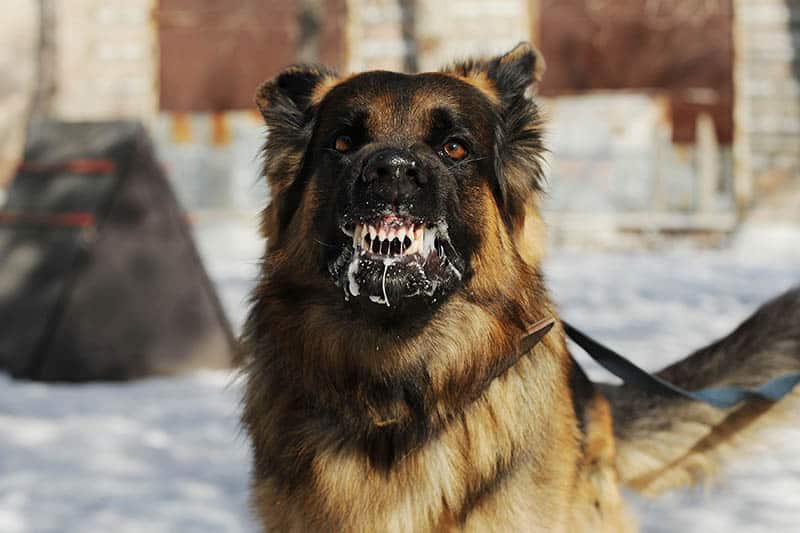
Dogs and the hidden danger of rabies
Dogs are often seen as protectors, companions, and family members. Yet they are responsible for a significant number of human deaths each year, largely due to rabies.
Rabies is almost always fatal once symptoms appear. The virus spreads through bites and saliva, and in many parts of the world, stray or unvaccinated dogs are the primary carriers. Tens of thousands of people die from rabies annually, most of them children.
Direct fatal dog attacks do occur, but they are relatively rare compared to deaths caused by disease transmission. Like mosquitoes, dogs become deadly through proximity rather than aggression.
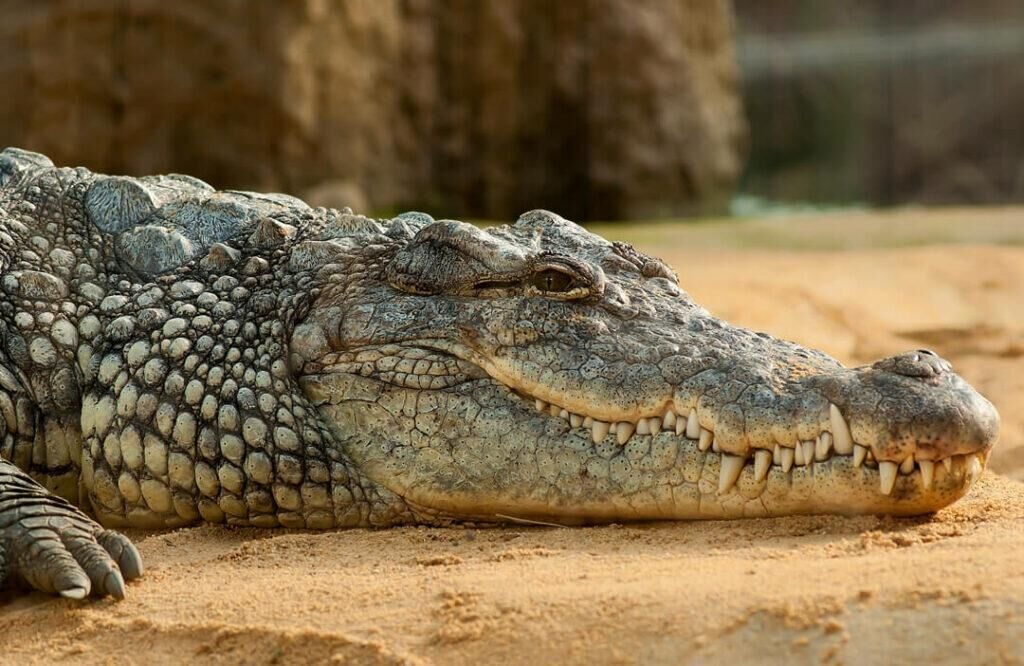
Crocodiles and ambush predators
Crocodiles are among the most dangerous large predators humans regularly encounter.
They live in rivers, lakes, and coastal areas where people bathe, fish, and travel. Unlike many predators, crocodiles often see humans as viable prey. They rely on stealth, ambush, and overwhelming force, making attacks sudden and often fatal.
While crocodiles kill far fewer people than mosquitoes or snakes, the likelihood of death during an attack is extremely high. Survival is rare once a full ambush occurs.
Their danger lies not in frequency, but in lethality.
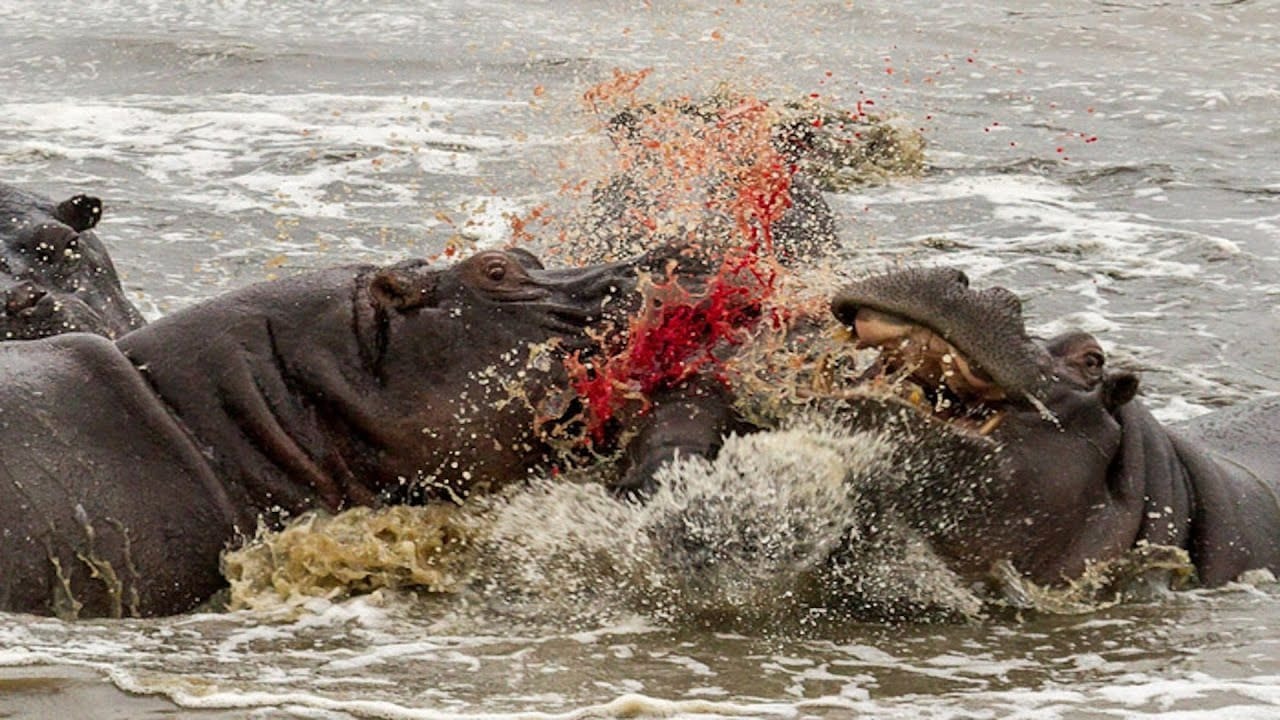
Hippopotamuses and territorial violence
Despite their appearance, hippos are responsible for hundreds of human deaths each year.
Hippos are extremely territorial, especially in water. They are fast, aggressive, and capable of overturning boats or crushing bodies with ease. Many attacks occur when people unknowingly enter hippo territory while fishing or traveling by river.
Unlike predators, hippos are not hunting humans. They are defending space. The result, however, is often deadly.
Their unpredictability and strength make them one of the most dangerous animals in Africa.
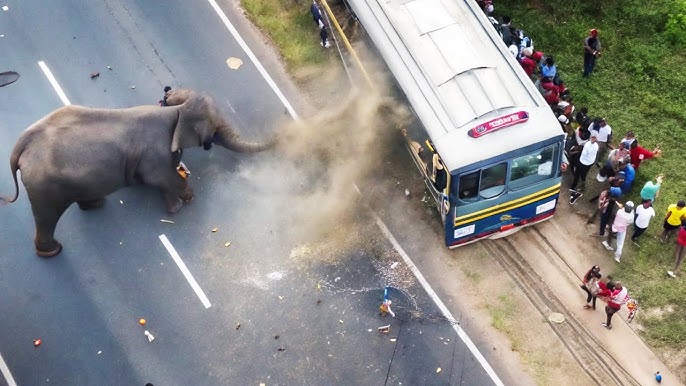
Elephants and accidental destruction
Elephants rarely attack humans intentionally, but when conflicts occur, the consequences are severe.
As human settlements expand into elephant habitats, encounters become more common. Elephants can destroy homes, crops, and vehicles. When frightened or stressed, they may charge, causing fatal injuries.
Deaths caused by elephants are often labeled as accidents, but they are symptoms of habitat loss and forced coexistence.
Scorpions and venom in silence
Scorpions kill thousands of people each year, particularly in parts of Africa, the Middle East, and Latin America.
Their venom affects the nervous system, and children are especially vulnerable. Like snake bites, scorpion stings become deadly primarily when medical care is unavailable or delayed.
Scorpions are small, nocturnal, and easy to underestimate. Their danger lies in how quietly they exist alongside humans.
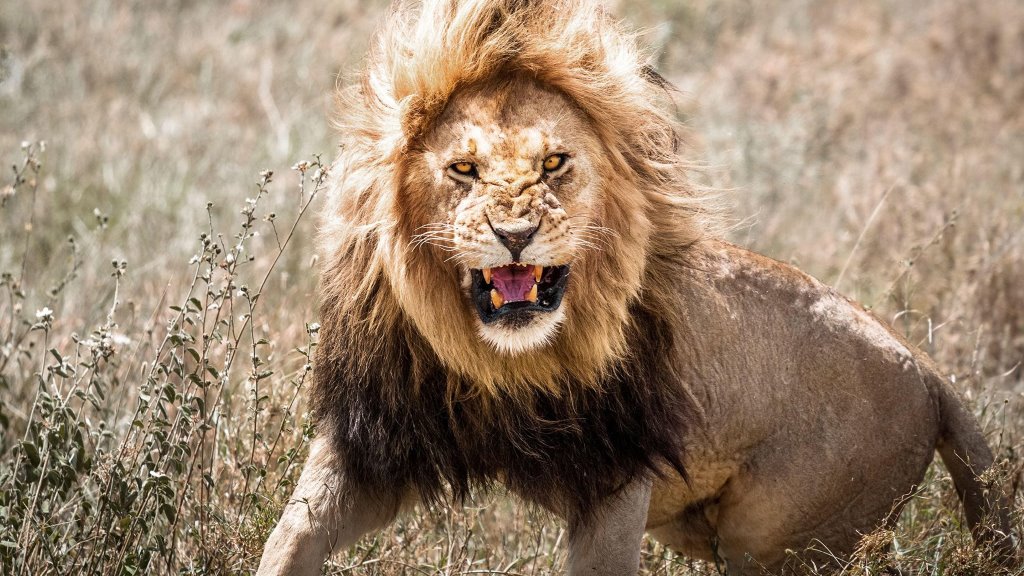
Lions, sharks, and the myth of the apex killer
Large predators like lions, sharks, and wolves dominate headlines, but they kill relatively few people.
Shark attacks, while terrifying, cause very few deaths annually. Lions do kill humans in some regions, particularly where prey is scarce, but their impact is tiny compared to disease-carrying animals.
These predators are feared because they attack directly and visibly. In reality, they represent one of the smallest threats on this list.
Why the deadliest animals aren’t the scariest
The animals that kill the most humans succeed because they exploit proximity, habit, and biology. They don’t rely on strength or speed. They rely on access.
Mosquitoes thrive because humans create perfect breeding grounds. Dogs spread rabies because of neglect and poor vaccination. Snakes and scorpions kill because people live and work where they do.
Fear focuses on spectacle. Death statistics tell a quieter, more uncomfortable story.
The real lesson behind the numbers
Human deaths caused by animals are rarely about aggression. They are about systems.
Poverty, lack of healthcare, environmental disruption, and misinformation amplify risk. Remove those factors, and the deadliest animals become far less lethal.
The most dangerous animals are not monsters waiting in the wild. They are ordinary creatures shaped into threats by how closely and carelessly humans live beside them.
The list of deadly animals is not a ranking of evil. It is a reflection of human vulnerability, behavior, and responsibility.